Why I Swapped Static Stretches for Flexibility Exercises for Shoulders
I spent five years chasing a 315-lb bench press. I hit the milestone, but the cost was steep: I woke up every morning feeling like my humerus was glued to my ribcage. I couldn't reach the center of my back to scratch an itch, and my overhead press looked more like an inclined bench because my spine had to arch just to get the bar up.
I tried the standard 'cross-body' arm stretch and those generic doorframe leans. They felt okay for thirty seconds, but the stiffness always came roaring back. It wasn't until I ditched the passive holds and started using active flexibility exercises for shoulders that I actually reclaimed my range of motion and stopped the nagging 'click' in my AC joint.
- Active mobility beats passive stretching for long-term joint health.
- Loading the joint at its end range builds 'usable' flexibility.
- Control is everything; if you have to arch your back, you aren't moving your shoulders.
- Consistency matters more than intensity—five minutes a day is the sweet spot.
Why You Feel Like a Tin Man (And Why Bands Aren't Helping)
If you spend your time in a garage gym crushing heavy presses and rows, your body adapts. It gets stiff to provide stability for those heavy loads. This 'stiffness' is great for a max-effort squat, but it's a nightmare for daily life. Most lifters try to fix this by grabbing a resistance band and yanking their arm in every direction. That's a band-aid, not a fix for inflexible shoulders.
Yanking on a cold joint with a band doesn't teach your brain how to control that new range of motion. You might feel 'loose' for ten minutes, but your nervous system will tighten those muscles right back up because it doesn't trust you in those end-range positions. To increase mobility in shoulders, you have to move through the range actively, not just hang out there.
The Difference Between Being Loose and Being Functional
There is a massive gap between being 'bendy' and having actual shoulder mobility. Passive stretching is just sitting in a position. Active mobility exercises for arms require you to use your muscles to reach and hold those positions. This is how to improve shoulder mobility for the long haul: you show your brain that you are strong and stable at the edges of your movement.
For older lifters or anyone dealing with 'grumpy' joints, this controlled approach is vital. It’s similar to how yoga for arthritis in shoulder focuses on gentle, purposeful movement rather than aggressive, forced stretching. You want to expand your boundaries, not break through them with brute force.
The Core Flexibility Exercises for Shoulders I Actually Use
I don't have twenty minutes to waste on a 'mobility flow' before I lift. I need high-ROI movements that actually work. These are the shoulder mobility drills that saved my overhead position and stopped my bench press from feeling like a shoulder-wrecker.
The PVC Dislocate (Done Right, Not Rushed)
Grab a 5-foot piece of PVC pipe or a broomstick. Hold it with a wide grip and slowly bring it from your hips, over your head, to the small of your back. Most people cheat here by arching their lower back. Don't do that. Keep your ribs tucked and your glutes squeezed. If you can't get over without bending your elbows, widen your grip. This is one of the best shoulder opening exercises because it forces the entire complex to rotate under control.
Wall Slides That Actually Burn
This is the ultimate reality check for neck and shoulder mobility exercises. Stand with your back flat against a wall—heels, butt, upper back, and head must touch. Bring your arms up into a 'goalpost' position, keeping your elbows and the back of your hands against the wall. Slide them up as high as you can without anything losing contact with the wall. It sounds easy; it feels like your shoulders are on fire. If you find your lats are the limiting factor, you might need to add some back shoulder stretching exercises to your routine to free up the scapula.
The Kettlebell Halo for Loaded Range of Motion
Take a light kettlebell (10-15 lbs is plenty) and hold it upside down by the 'horns.' Circle it around your head, keeping it as close to your neck as possible. This forces your rotator cuff to stabilize the weight while the shoulder joint moves through its full circumference. This kind of shoulder mobility and strength exercise is far superior to static holds because it builds resilience while you're moving.
Stop Doing Mobility Work on Concrete
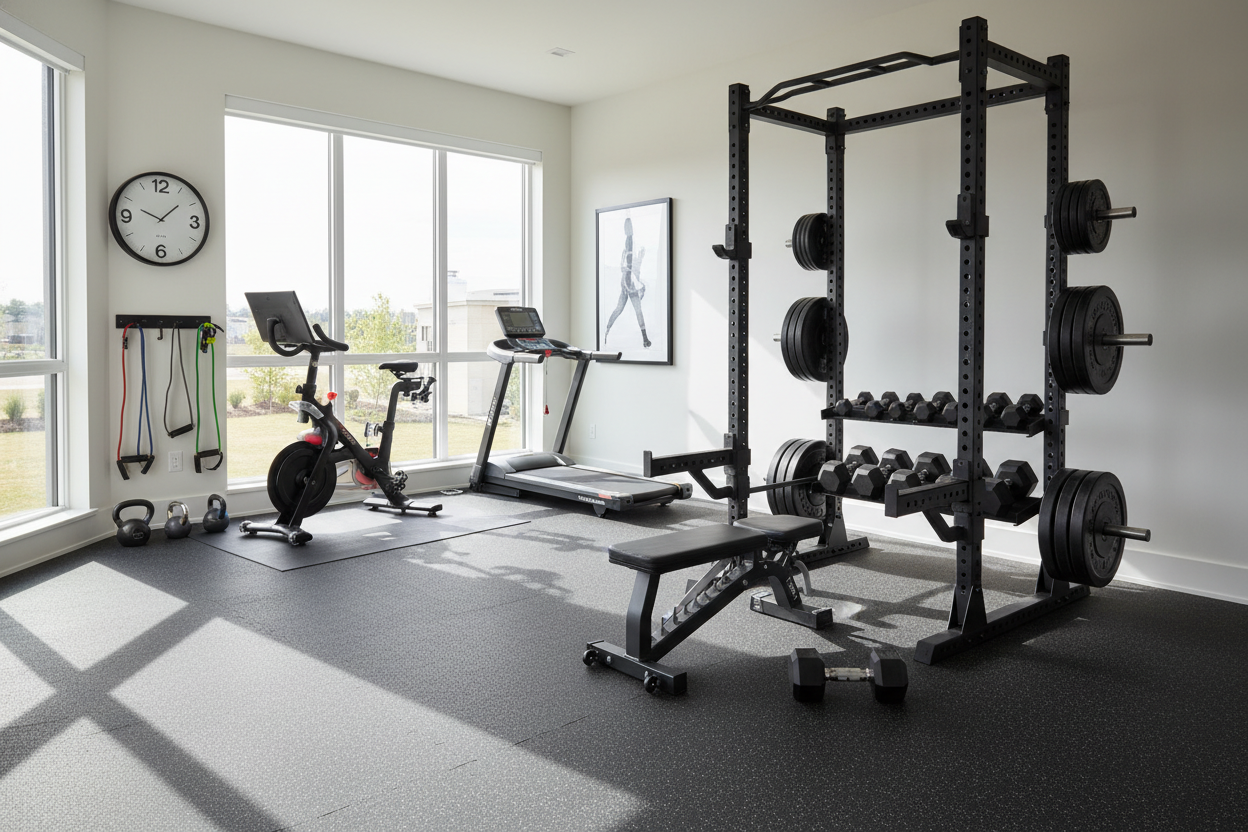
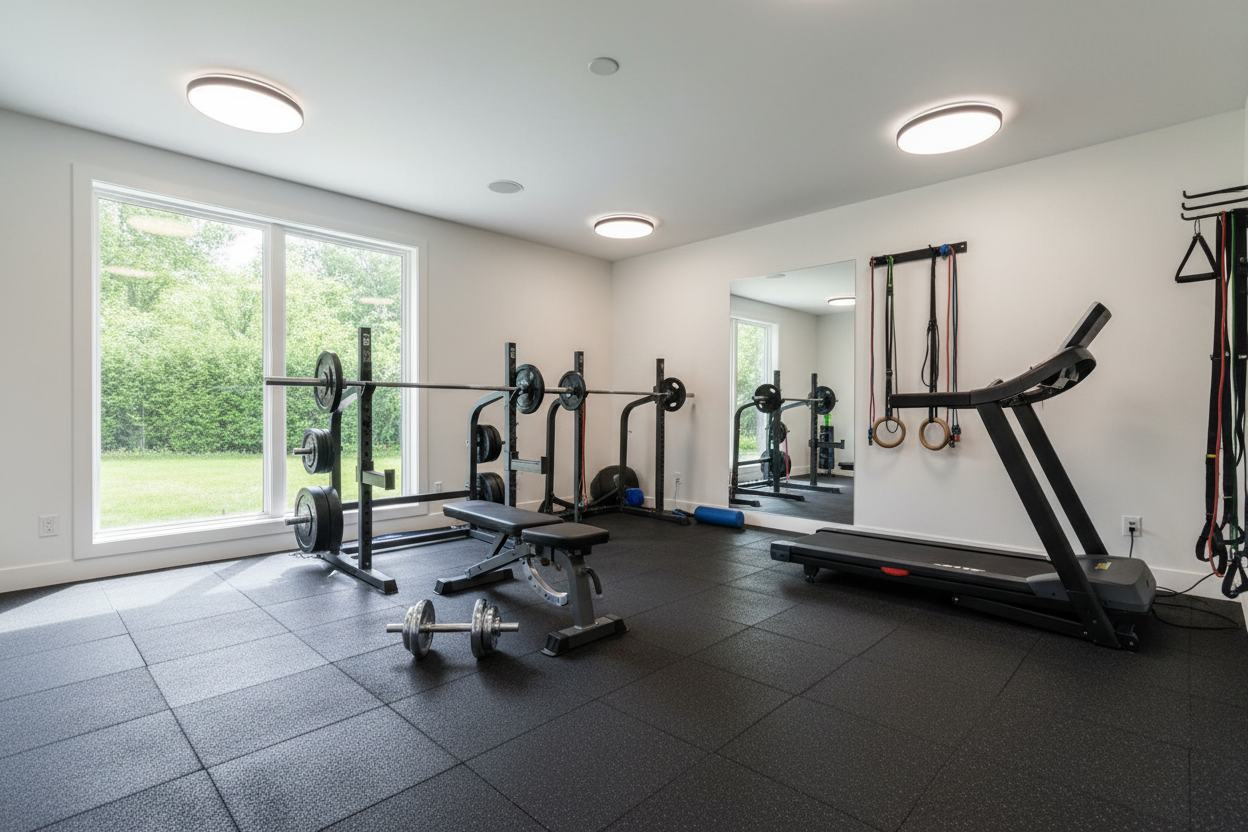
I used to skip my shoulder mobilisation exercises because my garage floor is cold, hard concrete. Doing quadruped reach-throughs or kneeling shoulder stretches for flexibility on a hard surface sucks for your knees and wrists. I eventually wised up and threw down a 6x8ft exercise mat. Having a dedicated, cushioned space makes these floor-based mobility shoulder drills comfortable enough that you'll actually do them every day.
How to Sneak This Into Your Lifting Routine
The best shoulder mobility program is the one you actually finish. Instead of doing a separate 'mobility day,' use these as active recovery. While you're resting between sets of squats or deadlifts, do five PVC dislocates or three Kettlebell halos. It keeps your heart rate up and ensures you're doing your shoulder flexibility training when your body is already warm. By the time you finish your main lifts, your shoulders will feel better than when you walked into the gym.
FAQ
How long does it take to improve shoulder mobility?
You’ll feel a temporary difference immediately, but permanent structural changes take about 4-6 weeks of consistent work. Aim for 5-10 minutes, 4 days a week.
Should I do these exercises if my shoulder hurts?
If it's a sharp, stabbing pain, stop and see a pro. If it's just 'gym-stiff' or a dull ache, these mobility exercises for shoulder health can usually help by increasing blood flow and joint lubrication.
What's the best tool for shoulder mobility?
A simple PVC pipe is the gold standard. It’s light, cheap, and doesn't stretch, which forces your joints to do the actual work instead of relying on the elasticity of a band.