Why a Barbell in a Corner Is the Best Shoulder Press Alternative
I remember the exact moment my left shoulder decided it was done with strict overhead pressing. It was a Tuesday, I was halfway through a set of 135, and a sound like a dry twig snapping echoed in my ears. For months after, even reaching for a coffee mug felt like a betrayal. If you are scouring the internet for a shoulder press alternative, you are probably in the same boat—dealing with that nagging 'crunch' in your AC joint every time you try to go vertical.
- Landmine presses offer a natural arc that saves your joints.
- High-incline bench presses (70 degrees) are superior for anterior delt mass.
- Vertical pressing is often a mobility trap, not a strength requirement.
- You do not need fancy machines; a corner and a barbell work best.
Why You Probably Should Not Be Pressing Straight Up
Most of us have the overhead mobility of a brick. We spend eight hours a day hunched over a keyboard, then expect our humerus to rotate perfectly in its socket under a heavy load. It is a recipe for impingement. The fitness industry loves to preach about traditional barbell overhead strength, but for the average lifter, forcing a 90-degree vertical line is unnecessary punishment.
When you force a barbell directly overhead, you are often compensating by arching your lower back or shearing your shoulder capsule. This is why a military press alternative is often better for longevity. Unless you are competing in Olympic lifting or Strongman, there is no law saying your arms must be perfectly perpendicular to the floor. Most people find that a slight forward angle is where the power actually lives.
The Landmine Press: A Bulletproof Shoulder Press Alternative
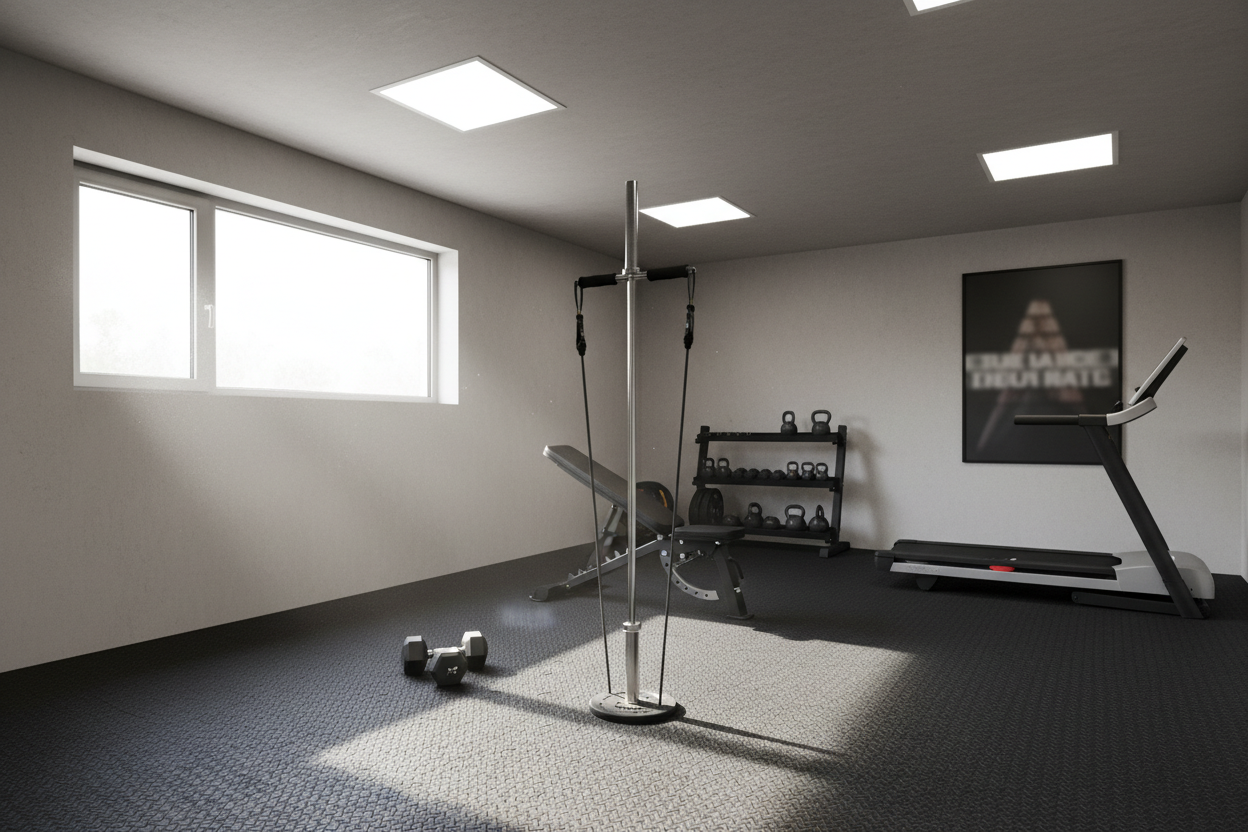
If you have a barbell and a corner, you have the best overhead press alternative on the planet. By shoving one end of the bar into a corner (or a dedicated landmine attachment), you create a fixed arc. This setup allows you to press at a 60-to-70-degree angle. This is the 'scapular plane,' and it is the sweet spot where your shoulders can actually move without grinding.
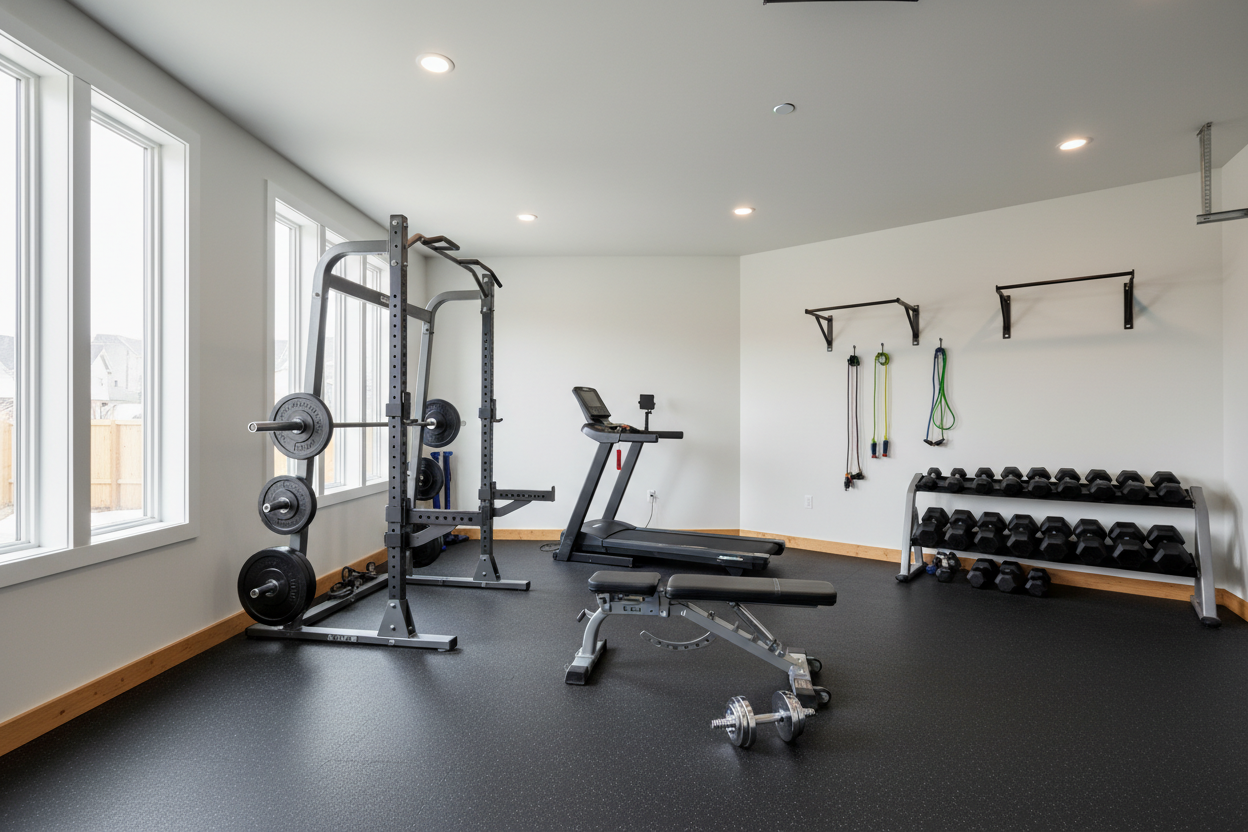
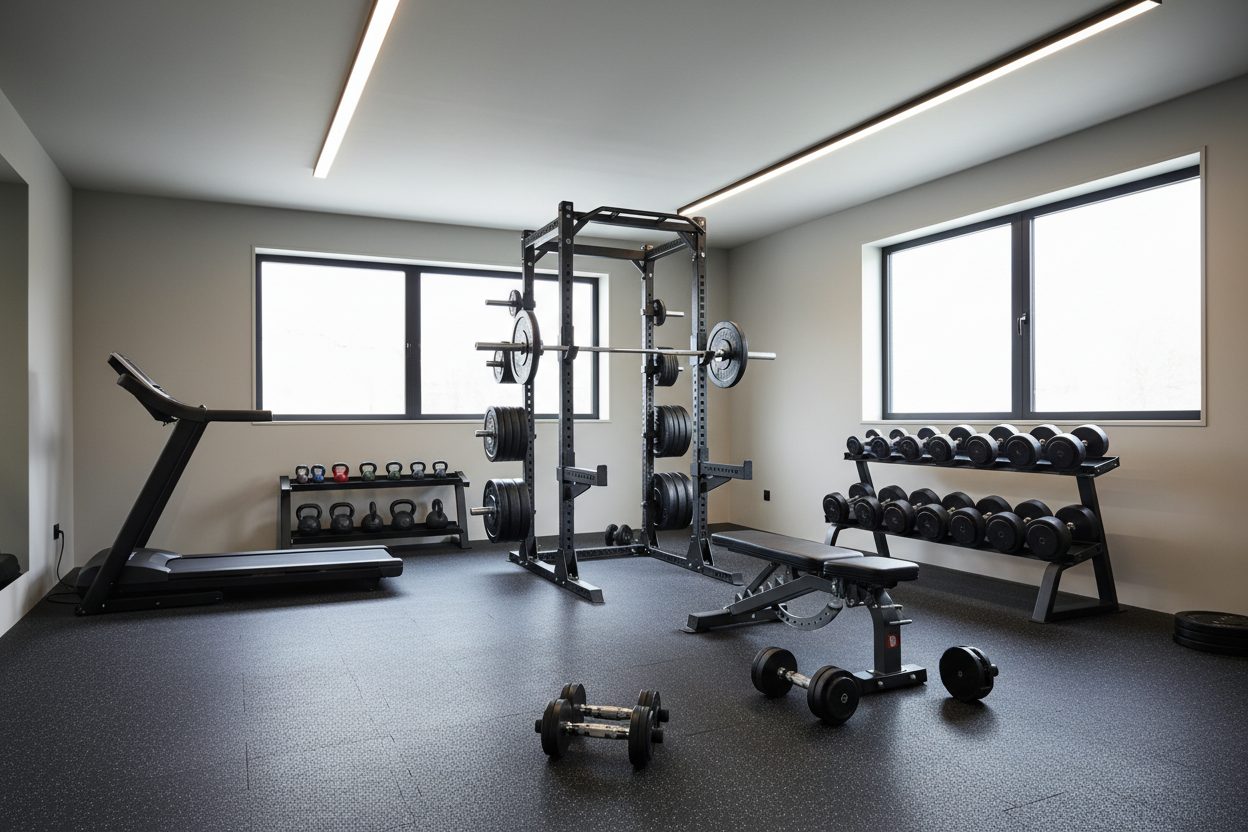
Whether you do this half-kneeling or standing, the landmine is the ultimate overhead press substitute. It provides enough stability to go heavy but enough freedom for your shoulder blade to rotate upward naturally. If you are building out a power rack and bumper plate setup in your garage, a landmine handle is a $40 investment that will save you thousands in physical therapy. It is also a fantastic barbell push press alternative if you want to use some leg drive for explosive power.
The 70-Degree Incline Trick for Massive Anterior Deltoids
Stop using the 90-degree setting on your adjustable bench. It is a trap. Most people find that dropping the bench back just one or two notches—roughly to a 70-degree angle—makes for a much more effective db shoulder press alternative. This slight tilt takes the direct pressure off the top of the shoulder joint and puts the tension squarely on the front and side delts.
This seated dumbbell shoulder press alternative allows you to use a neutral grip (palms facing each other), which is way more shoulder-friendly than the flared-elbow position required by a straight bar. If you have been looking for a seated dumbbell press alternative that does not make your collarbone ache, this is it. You can still move serious weight, but the lockout feels like a smooth extension rather than a bone-on-bone collision.
What If You Prefer the Stability of Machines?
I get it. Sometimes you just want to pin the weight and push until your eyes pop out without worrying about balance. If you train in a commercial gym, a hammer strength shoulder press alternative usually involves using the machine sideways or finding a converging-arm press. These machines are designed to mimic a natural arc rather than a strict vertical line.
Cables are another underrated overhead press replacement. By standing a foot away from a cable stack and pressing a D-handle upward and slightly forward, you maintain constant tension that a barbell simply cannot provide. For a deeper look at tech-heavy options, check out this guide on the machine overhead press alternative. These are great for hypertrophy because they remove the stability requirement, letting you reach true muscular failure safely.
How to Program Your Overhead Press Substitute
Swapping your movements is simple. If your program calls for a standing barbell press alternative, plug in the standing landmine press for 3 sets of 8-10 reps. Focus on the 'reach' at the top to engage the serratus anterior. If you need a shoulder press alternative at home and only have dumbbells, the 70-degree incline press is your new best friend.
For those chasing pure mass, I recommend a 'top-down' approach: start with a heavy landmine press (the strength builder), then move to a seated smith machine shoulder press alternative or high-incline DB press for higher reps. You do not need to go vertical to get 3D shoulders. You just need to press in a way that does not make your joints scream.
My Personal Take: The Mistake That Cost Me Six Months
I used to be a purist. I thought if you weren't doing a strict, heels-together military press, you weren't really training shoulders. I ignored the 'hot poker' sensation in my right delt for months until I couldn't even bench the empty bar. Switching to landmine presses and high-incline dumbbell work wasn't just a 'substitute'—it actually grew my shoulders more because I could finally train with intensity instead of pain. Don't let your ego dictate your exercise selection.
FAQ
Is the landmine press as good as the overhead press for mass?
Absolutely. Because you can usually handle more weight with less joint pain, your total volume and intensity will likely increase, leading to better hypertrophy in the long run.
What is the best shoulder press alternative no weights?
Pike push-ups are the gold standard. By elevating your feet on a chair and keeping your hips high, you mimic the overhead pressing angle using just your bodyweight.
Can I do a barbell shoulder press alternative on a Smith machine?
Yes, but don't sit directly under the bar. Position the bench slightly behind the bar path so you are pressing upward and slightly away from your face. This prevents the 'fixed-path' impingement common with Smith machines.