Why I Stopped Chasing Size and Started Training for Muscular Strength
A few years back, I looked pretty good in a tight t-shirt. I had the 16-inch arms and a decent chest from years of high-rep bodybuilding splits. Then my neighbor asked for help moving a solid oak dresser up a flight of stairs. Within three minutes, my legs were shaking and I was gasping for air. I looked like a lifter, but I had the actual horsepower of a lawnmower. That was the day I stopped chasing a pump and started training for muscular strength.
Quick Takeaways
- Focus on the 1-5 rep range to recruit the most motor units.
- Prioritize compound movements like the squat, deadlift, and press.
- Rest 3-5 minutes between sets to allow full ATP recovery.
- Invest in gear that can handle high-load, low-rep intensity.
The Day I Realized Looking 'Big' Doesn't Mean Being Strong
Most of us start lifting because we want to look better. There is nothing wrong with that, but hypertrophy (growing muscle size) and neurological strength (moving heavy weight) are two different animals. When I was doing 12-15 reps of everything, I was mostly just swelling my muscle cells with fluid—sarcoplasmic hypertrophy. It makes you look jacked, but it doesn't do much for your Central Nervous System (CNS).
The shift to strength training is a mental hurdle. You have to get used to the idea that doing three heavy reps is 'enough.' If you want to know how to improve your muscular strength, you have to stop thinking about the burn and start thinking about the load. My joints actually feel better now that I'm moving 400 lbs for a double than they did when I was doing 225 lbs for twenty reps. The constant inflammation from high-volume junk volume is gone.
The 3 Non-Negotiable Rules of Heavy Lifting
You can't just walk into the garage and start throwing plates around. If you're wondering how can you improve your muscular strength without blowing out a disc or frying your CNS, you need a system. First, you have to live in the 1-5 rep range. This forces your brain to recruit every available muscle fiber. Second, you need progressive overload. If you aren't adding 2.5 to 5 lbs to the bar every week or two, you're just exercising, not training.
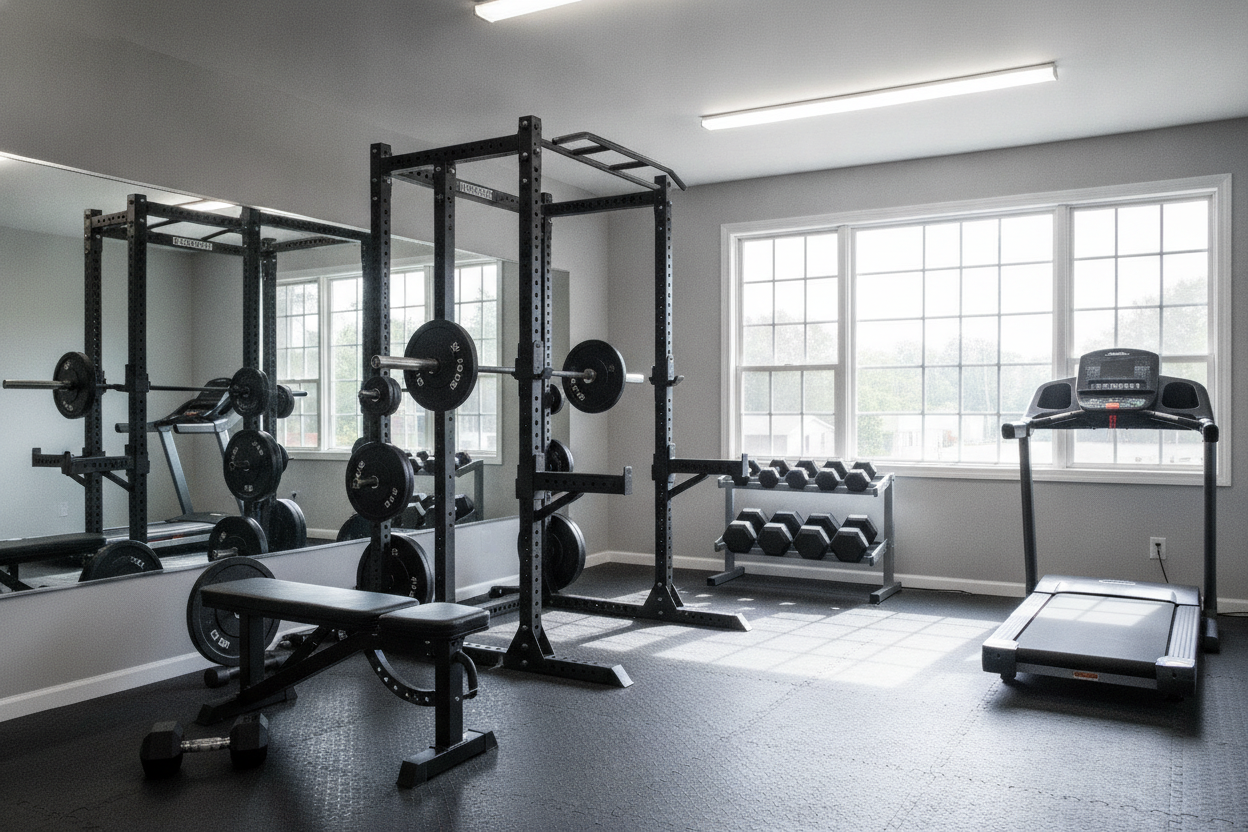
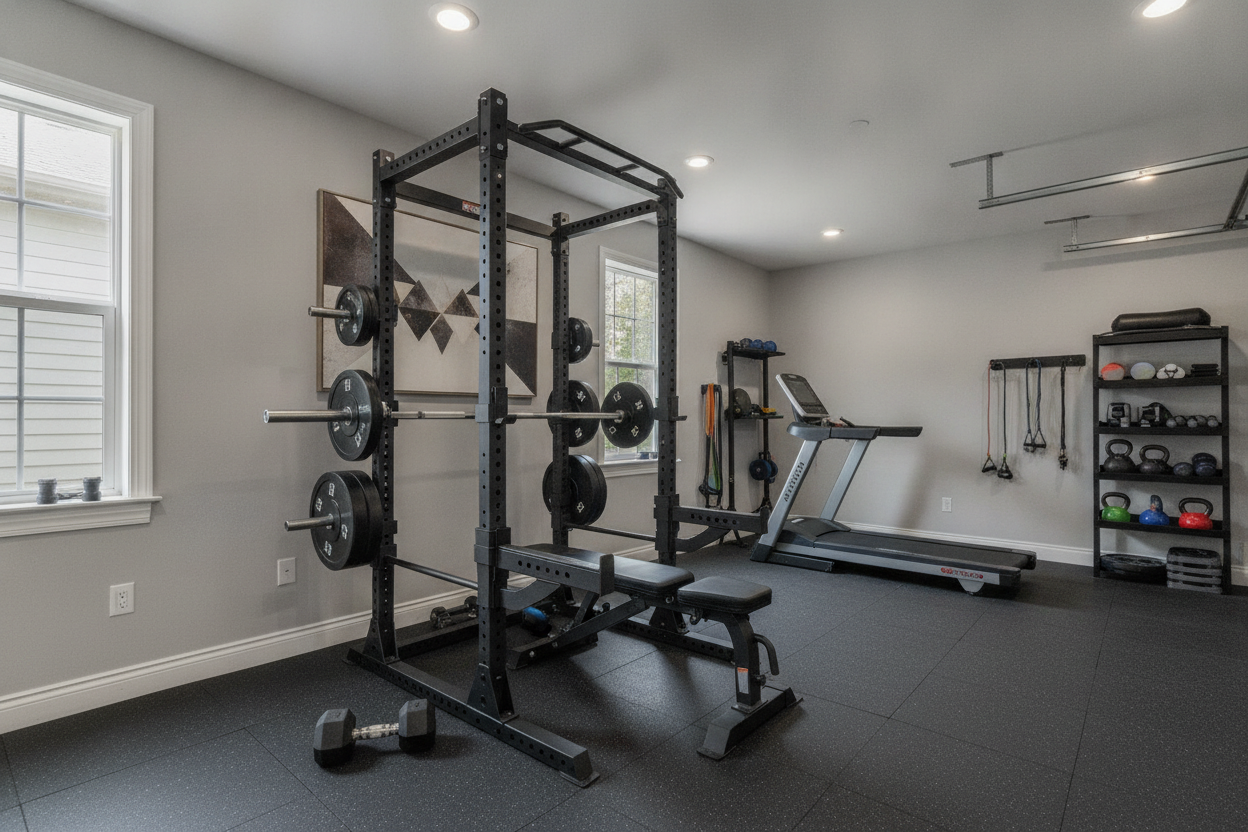
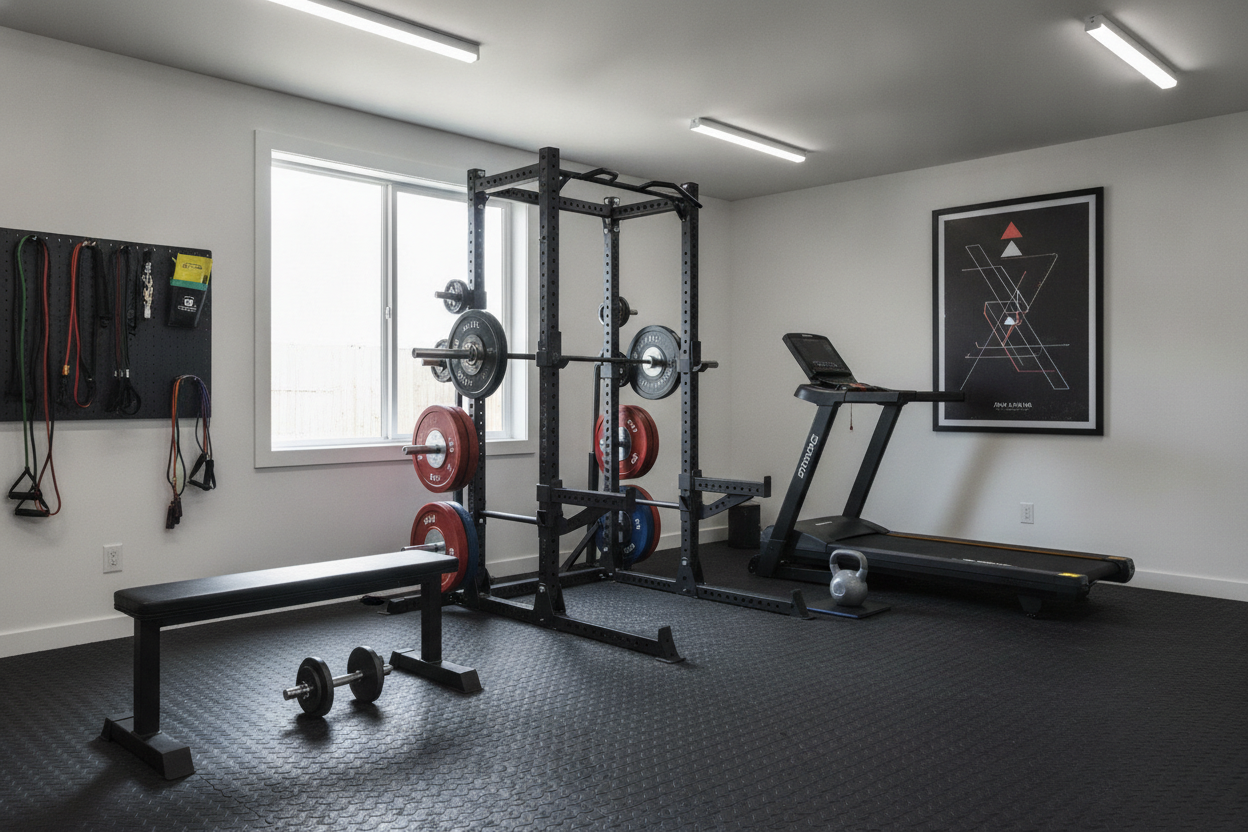
Third, you have to respect the equipment. When you are pushing close to your one-rep max, you have to trust your strength equipment to hold up under the strain. I've seen cheap racks sway when a 315-lb bar is re-racked. That's a recipe for a trip to the ER. High-quality J-cups and a bar with a high tensile strength (at least 190,000 PSI) are the bare minimum for this kind of work.
Stop Rushing Your Rest Periods
This is the hardest part for home gym owners. We are used to 60-second rest periods because we want to 'feel the sweat.' In strength training, that's a mistake. Your muscles use Adenosine Triphosphate (ATP) for explosive movements, and it takes about three to five minutes for those stores to replenish. If you go again after only 90 seconds, you aren't hitting your full strength potential. You're just testing your cardio. Sit down, check your logbook, and wait until your breathing is completely normal before the next set.
What Should You Actually Lift to Build Raw Power?
If you want to get strong, you have to stop hiding in the cable machine corner. To improve your muscular strength you could choose to do heavy squats, deadlifts, overhead presses, and bench presses instead of isolation machine work. These compound movements require multiple muscle groups to work in unison, which has a massive carryover to the real world.
I prioritize the Big Four. Squats and deadlifts remain the absolute best way to improve leg strength and core stability. There is no leg extension on earth that can match the CNS drive of a heavy barbell on your back. Similarly, the standing barbell overhead press crushes seated dumbbell raises if your goal is to improve shoulder strength. It forces your entire trunk to stabilize while your delts and triceps drive the weight upward. It’s a full-body event.
Gearing Up for Low-Rep, High-Load Work
When the weights get heavy, the margin for error shrinks. I spent years lifting in sneakers with squishy soles before I realized I was losing power on every rep. Switching to a hard-soled lifting shoe or even lifting barefoot made an immediate difference. You also need to keep your grip from being the weak link. A little bit of chalk goes a long way, but once you're moving 85% of your max, invest in strength training accessories like a stiff leather belt and wrist wraps.
A good 10mm or 13mm lever belt isn't a crutch; it's a tool that gives your abs something to brace against. It increases intra-abdominal pressure, which protects your spine and allows you to move more weight safely. Don't buy the cheap Velcro versions from the big-box stores—they'll pop open the second you try to brace for a heavy triple.
The Bottom Line on Getting Actually Strong
Learning how to improve your muscular strength isn't about finding a 'secret' exercise. It's about being remarkably consistent with the boring basics. It's about adding five pounds, resting long enough, and keeping your form tight. My physique is denser now, my joints are quieter, and I don't fear moving furniture anymore. Leave your ego at the garage door, buy gear you can trust, and start moving heavy metal.
FAQ
How many days a week should I train for strength?
Three to four days is the sweet spot. Heavy lifting is taxing on the nervous system, and you need those recovery days to actually get stronger. If you train five or six days at high intensity, you'll likely hit a wall within a month.
Will strength training make me look 'bulky'?
Bulk comes from a calorie surplus, not a rep range. Training for strength will make your muscles look harder and denser. If you want to stay the same size but get twice as strong, just keep your calories at maintenance levels.
Can I do cardio while training for strength?
Yes, but don't overdo it. Low-intensity steady-state (LISS) cardio like walking is great for recovery. High-intensity intervals can interfere with your heavy lifting sessions if done too close together. Keep them on separate days if possible.