Why I Lean Away for Every shoulder dumbbell raise
I remember staring at my reflection in the mirror of my first garage gym—a cramped 10x10 space with a wobbly rack—wondering why my side delts looked like flat pancakes despite endless volume. I was doing the standard standing shoulder dumbbell raise, but the pump was nonexistent and my traps were doing all the heavy lifting.
The problem isn't the dumbbell; it's physics. Most people treat their shoulder training like a checklist rather than a study in tension. If you want those capped shoulders that actually fill out a t-shirt, you have to stop letting gravity win at the bottom of the movement.
- Constant Tension: Eliminates the 'rest' at the bottom of the rep.
- Better Leverage: Forces the medial delt to work through a larger range of motion.
- Reduced Trap Involvement: The angle makes it harder to 'shrug' the weight up.
- Stability: Holding a rack allows you to move heavier loads with better control.
The 'Dead Zone' at the Bottom of Your Reps
When you perform standard shoulder raises with dumbbells while standing perfectly upright, gravity is pulling the weight straight down toward your feet. For the first 15 to 20 degrees of the lift, there is almost zero mechanical tension on the lateral deltoid. You are basically just holding a weight at your side.
This 'dead zone' is a hypertrophy killer. Most lifters compensate for this lack of tension by swinging the weights to get momentum, which just shifts the load onto the traps and supraspinatus. If your goal is growth, you can't afford to give the muscle a micro-rest every single time the dumbbell hits your thigh.
The Lean-Away Fix for Constant Tension
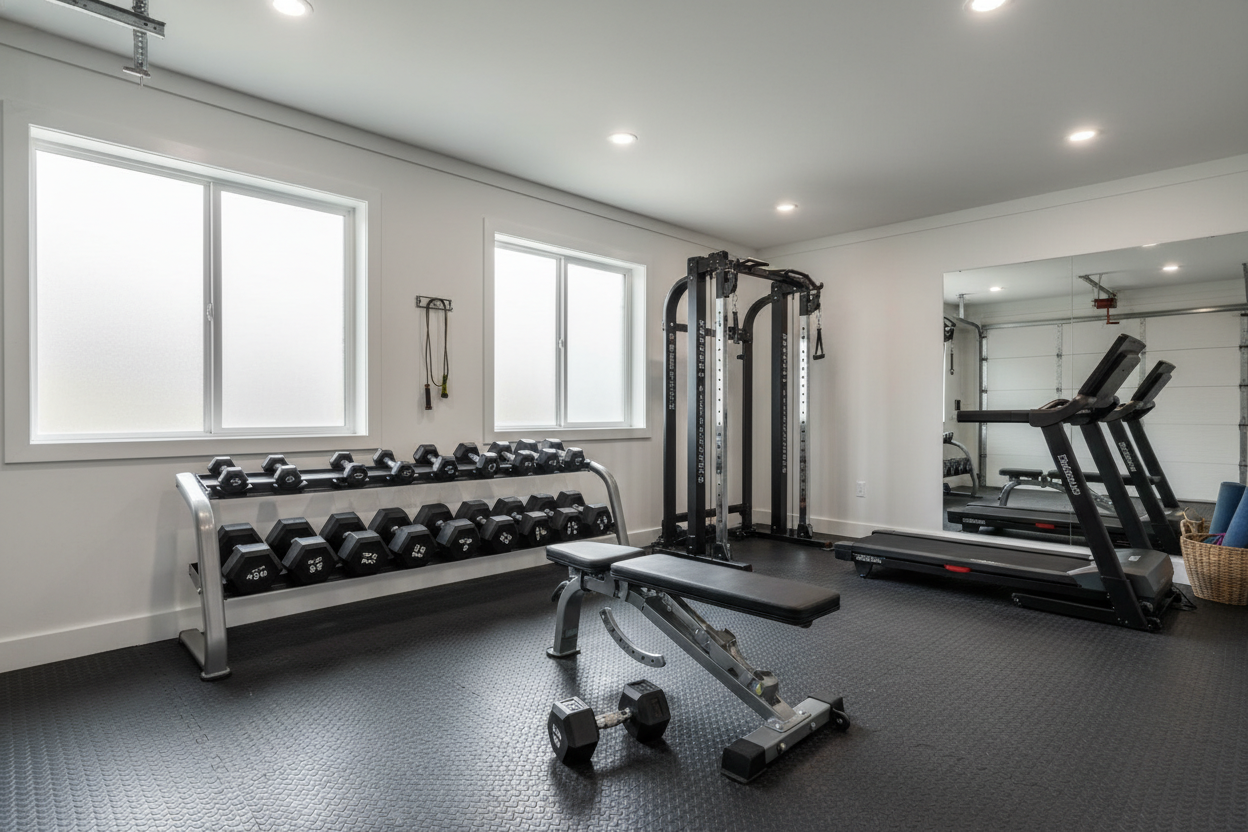
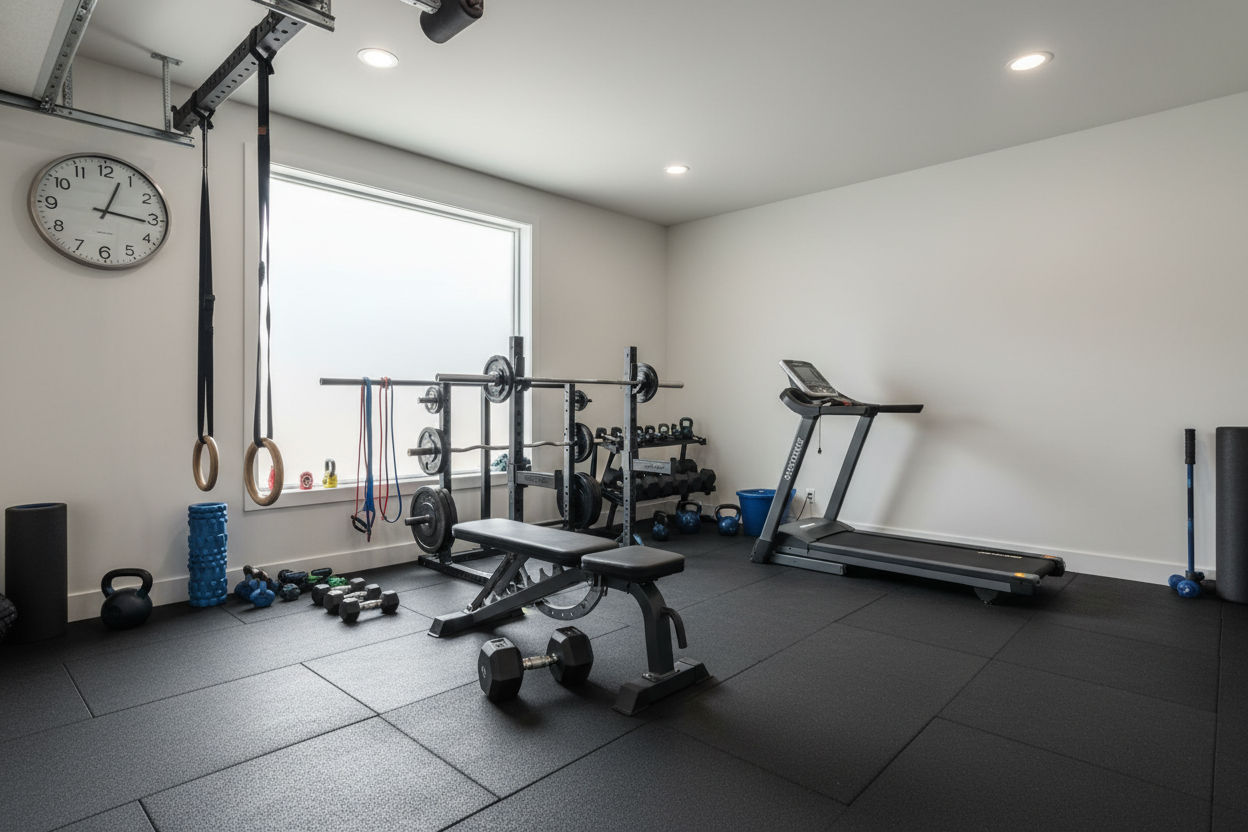
To fix the resistance curve, you need to change the angle of your torso relative to the floor. Grab a sturdy rack upright—something like a 3x3 11-gauge steel monster—with your non-working hand. Place your feet right at the base of the rack and lean your body out at roughly a 30-degree angle until your arm is fully extended and supporting your weight.
By leaning away, the dumbbell now hangs away from your body at the start. This simple shift ensures that your side delt is under significant load from the very first inch of the movement. It’s an easy way to Build 3D Delts With This Dumbbell Shoulder Workout At Home without needing expensive cable machines or specialized lateral raise pieces.
Why Stretching the Muscle Under Load Matters
There is a lot of emerging data on long-length partials and the importance of the 'stretch' in hypertrophy. In a standard raise, the muscle is shortest at the top and completely slack at the bottom. When you lean away, you’re essentially pre-stretching the deltoid fibers.
Because your torso is tilted, the dumbbell actually travels slightly across your body at the bottom. This puts the lateral deltoid in a position of maximum stretch while still under the load of the dumbbell. This loaded stretch creates more mechanical tension and metabolic stress, which are the primary drivers for making those shoulders pop.
The 'Push the Walls' Cue
One of the biggest mistakes I see is people trying to pull the dumbbell up toward the ceiling. This almost always leads to the upper traps taking over. Instead, I want you to imagine you are standing in a narrow hallway and your goal is to push the dumbbell out toward the side walls.
Focus on 'width' rather than 'height.' This cue, combined with the lean-away angle, keeps the tension locked on the deltoid. It’s a great technique to use if you want to Build Strength With This Dumbbell Chest And Shoulder Routine by pre-exhausting the shoulders before moving into heavy overhead presses.
How to Program the Lean-Away Raise
Since this variation is much harder than the standard version, leave your ego at the door. If you usually grab the 35s, start with the 20s or 25s. I prefer doing these strictly one arm at a time for 3-4 sets of 12-15 reps. The unilateral nature allows you to focus entirely on the mind-muscle connection without your lower back getting involved.
If you don't have a power rack, you can use a sturdy doorframe or even a wall. Just make sure your feet aren't sliding. I usually perform these on a Large Yoga Mat With Barefoot 6X12 to ensure my feet have enough grip to maintain that 30-degree lean without slipping mid-set. Consistency in your setup angle is key to tracking progress.
Personal Experience: My Shoulders Used to Hate Me
I spent three years doing heavy standing raises with 50lb dumbbells and had nothing but cranky traps to show for it. I thought 'heavy' was the only way. It wasn't until I swallowed my pride, grabbed a pair of 15lb dumbbells, and started leaning off my rack that my delts actually started to round out. My biggest mistake was thinking the swing was helping; in reality, it was just stealing my gains.
FAQ
Do I need a heavy dumbbell for this?
No. Because you've eliminated the momentum and changed the resistance curve, you will likely need 30-40% less weight than you use for standard standing raises. Focus on the squeeze, not the number on the bell.
Can I do this with a kettlebell?
You can, but the weight distribution of a kettlebell can feel awkward as it rotates around your wrist at the top. Stick to dumbbells or even a weight plate if you have to.
How far should I lean?
A 30 to 45-degree angle is the sweet spot. If you lean too far, it becomes difficult to stabilize your body, and you'll spend more energy holding onto the rack than lifting the weight.