Why I Finally Tried a Rope Shoulder Workout to Fix My Joints
I spent years grinding out heavy overhead presses with a straight bar, wondering why my right AC joint clicked like a metronome every time I reached the top of a rep. I figured it was just the tax you pay for lifting heavy in a garage gym. I was wrong. It wasn't the weight; it was the rigid, fixed-path handles I was using for my accessory work that were chewing up my tendons. Switching to a rope shoulder routine changed the way my joints felt within three weeks.
- Fixed metal handles force your wrists and elbows into a locked path that often leads to shoulder impingement.
- A flexible rope allows for natural external rotation, which is the secret sauce for rear delt growth.
- Constant cable tension keeps the muscle under load through the entire range of motion, unlike dumbbells.
- Stability starts at the floor; if your feet are sliding, your delts aren't working as hard as they should.
The Biomechanical Problem With Rigid Metal Handles
Most gym rats reach for the D-handle or the straight bar when they head to the cable stack. The problem is that these tools lock your hands into a specific orientation. When you perform a lateral raise or a pull with a fixed handle, you often force the glenohumeral joint into internal rotation at the peak of the movement. This is exactly how you pinch the supraspinatus tendon.
If you have noticed that your gains have hit a wall despite adding more weight, you might need to look at your mechanics. Understanding Why Your Shoulder Workout For Massive Shoulders Is Failing often comes down to the simple fact that your equipment is fighting your natural bone structure. Rigid handles don't care about your specific shoulder width or clavicle length; they just move in a straight line.
Why Switching to a Flexible Attachment Changes the Game
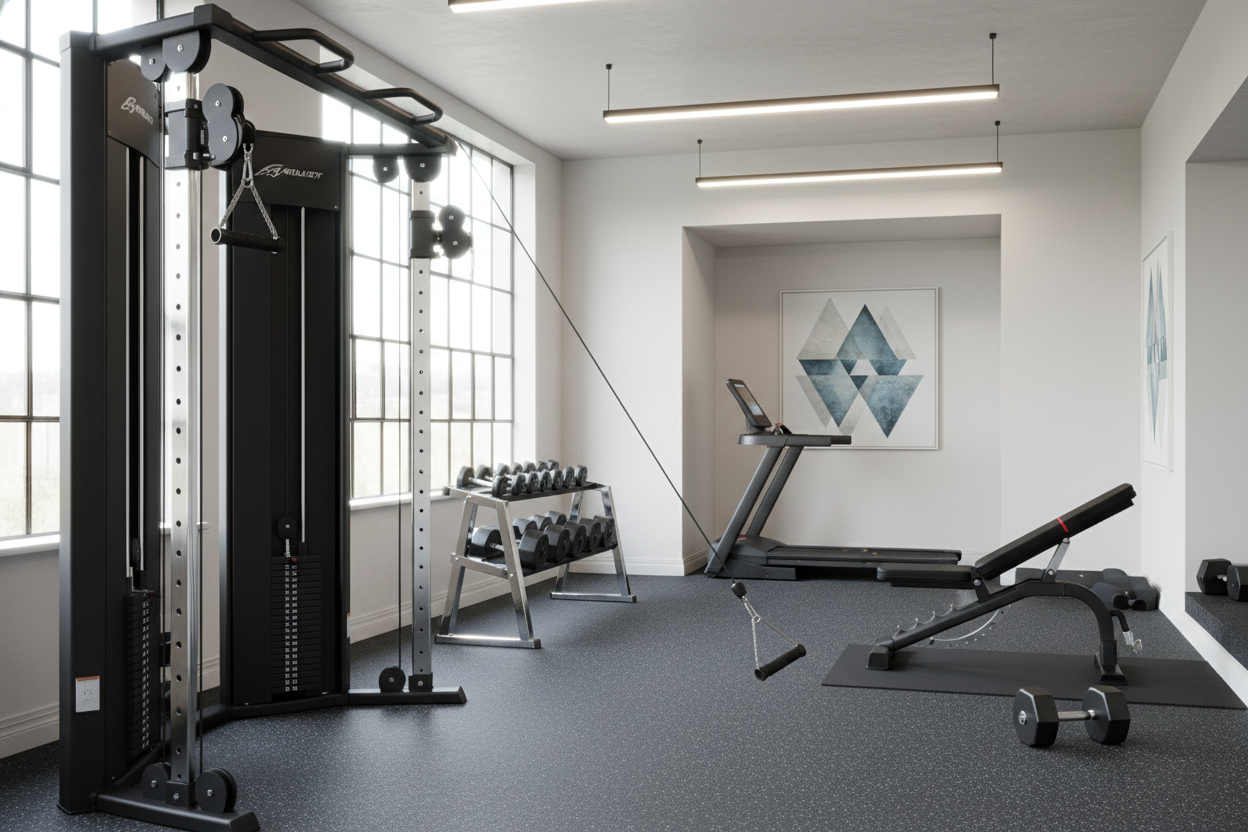
Using a rope for shoulders solves the 'fixed path' problem instantly. Because the rope is flexible, your hands can diverge as you reach the end of the concentric phase. Think about a face pull: with a metal bar, you stop when the bar hits your forehead. With a shoulder rope, you can pull the ends past your ears.
This extra range of motion allows for maximum muscular contraction. It also lets your wrists rotate freely. If your body wants to naturally shift from a neutral grip to a slightly supinated grip to clear the joint space, the rope lets it happen. You get the tension of a cable with the freedom of a dumbbell, minus the awkward strength curve where dumbbells feel 'light' at the bottom.
The Only 3 Movements You Actually Need
You don't need a 12-exercise circuit to build boulders. You need high-quality tension on the front, side, and rear heads without inflaming the joint. These three movements replace the standard 'swinging' dumbbell variations that most people mess up anyway.
The Anti-Ego Face Pull
Stop trying to face pull the entire stack. If you are leaning back at a 45-degree angle just to move the weight, you are using your body weight, not your rear delts. Attach the rope to a high pulley, grab the ends with a neutral grip, and pull toward your forehead while simultaneously trying to 'tear' the rope apart. Focus on pulling the ends of the rope as far back as possible to achieve maximum external rotation. This is how you actually build the back of the shoulder.
The Low-Pulley Y-Raise for Side Delts
Dumbbell lateral raises are great, but the tension drops to zero at the bottom. Set the cable to the lowest setting and use the rope attachment. Hold one end in each hand and pull up and out into a 'Y' shape. This keeps the movement in the scapular plane—about 30 degrees forward of your torso—which is the safest and most effective way to target the lateral head without clicking.
How to Program This Into Your Current Split
I don't recommend replacing your heavy presses entirely, but I do recommend using these rope movements strategically. I personally use the rope Y-raise and face pull as a high-rep finisher on my push days. It flushes the muscle with blood and reinforces good movement patterns after the heavy work is done.
Another option is using them as a primer. I found that How Pre-Exhausting Fixed My Shoulder Workout for Massive Shoulders was by doing 3 sets of rope face pulls before I ever touched a barbell. It wakes up the rotator cuff and makes the heavy presses feel much smoother. Aim for 15-20 reps with a focus on the squeeze, not the weight.
Why Your Stance Matters During Heavy Pulls
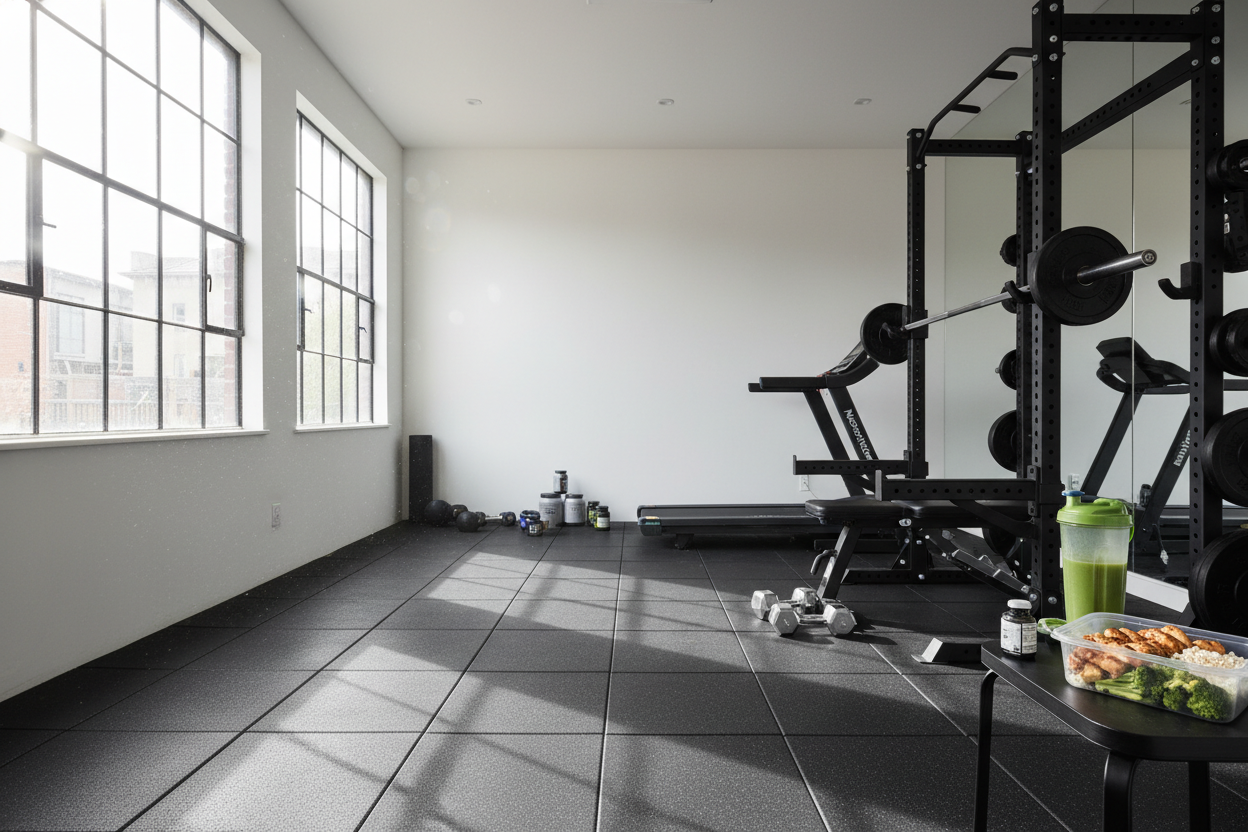
If you are training in a garage, you've probably dealt with dusty concrete or slick stall mats. When you start pulling 80+ pounds on a cable face pull, your feet want to slide forward. If your base is unstable, your nervous system will 'brake' the movement, preventing you from generating maximum force in the delts. I eventually upgraded my floor with a Large Exercise Mat For Home Gym just to get the traction I needed for heavy cable work. A solid grip on the floor allows you to lean into the movement and keep the tension where it belongs: on your shoulders.
Personal Experience: The 'Aha' Moment
I used to be a 'straight bar only' guy because I thought ropes were for tricep pushdowns and nothing else. Then I spent a month where I couldn't even do a standard lateral raise without a sharp pain in my side delt. I switched to using a rope for all my isolation work for 30 days. Not only did the pain vanish, but I actually saw more separation in my rear delts than I had in years. The mistake I made for a decade was prioritizing the weight on the stack over the freedom of the joint.
FAQ
Is a longer rope better for shoulder workouts?
Yes. A longer rope allows for a greater range of motion on face pulls and Y-raises. If your rope is too short, your hands will hit each other before you get a full contraction in the rear delts.
Can I just use two single-handle attachments instead?
You can, but it's clunky. A single rope attachment is easier to manage and allows the hands to move closer together at the start of the rep, which provides a better stretch on the muscle.
Why do my elbows hurt during rope face pulls?
You're likely pulling with your biceps rather than your delts. Focus on leading with your elbows and keeping your hands 'soft.' Think of your hands as hooks and your elbows as the primary drivers.