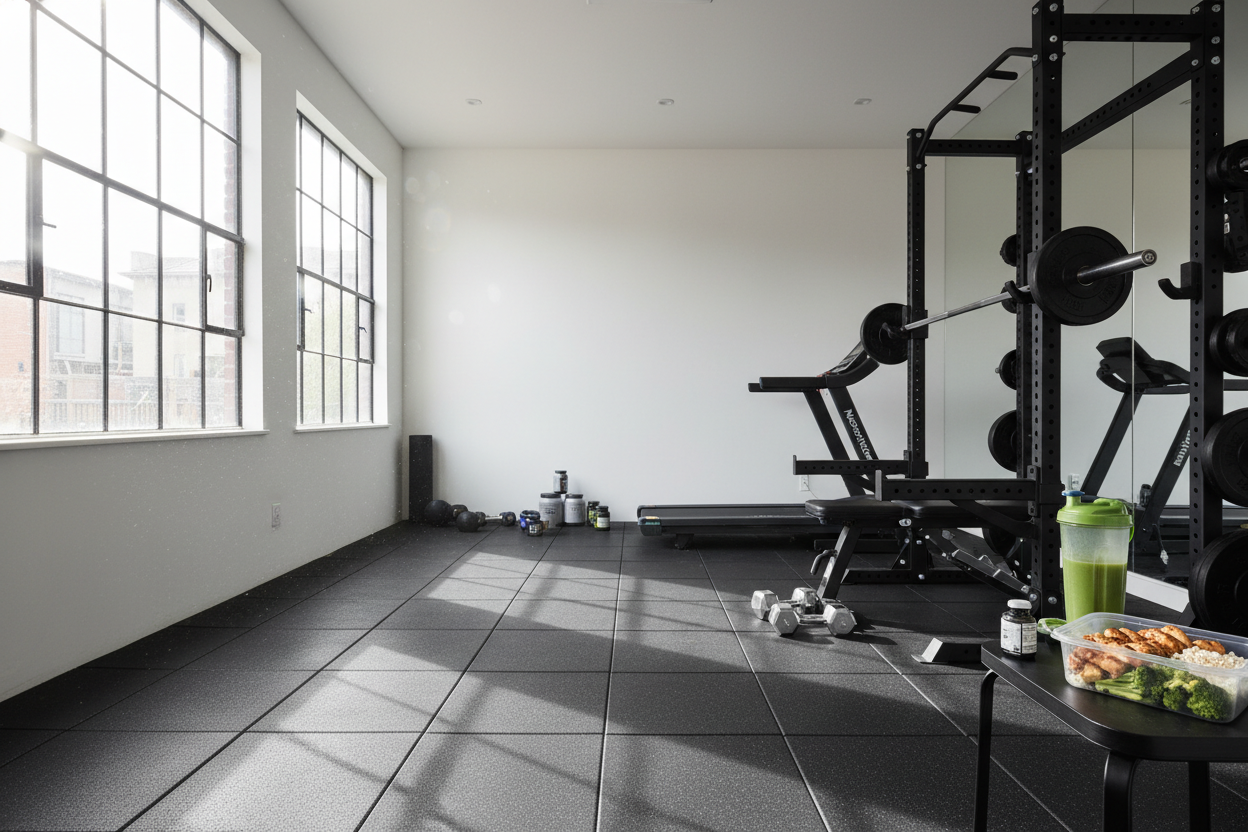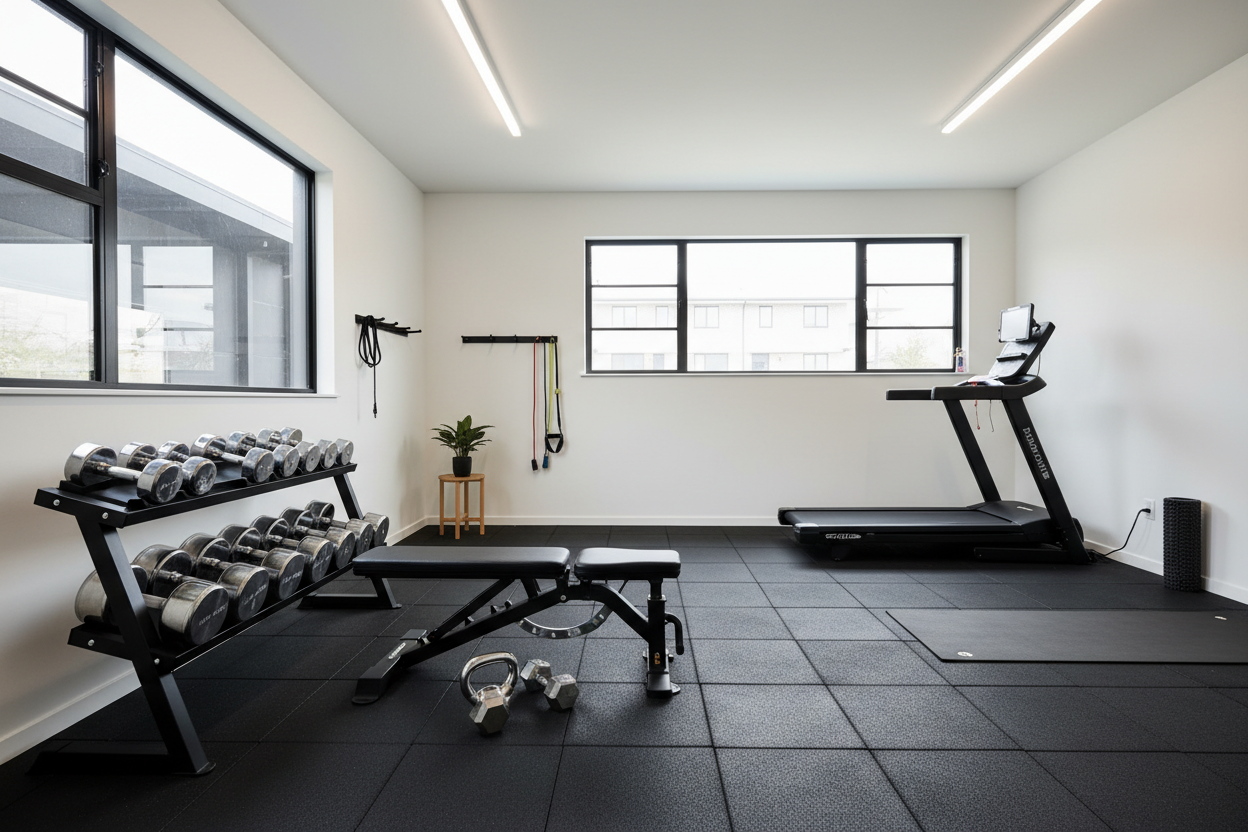
Why Your Body Eats Itself When You Exercise Without Protein
I remember grinding through a 5 a.m. leg day on nothing but black coffee and sheer ego. I thought I was being 'hardcore' by fasting through the pain. In reality, I was just spinning my wheels and wondering why my squat numbers were plateauing while my recovery felt like I'd been hit by a truck. If you exercise without protein, you aren't building a physique; you're just paying a high price in sweat for a body that's effectively eating itself.
- Muscle Cannibalization: Without dietary amino acids, your body breaks down existing muscle tissue to fuel your workout.
- Recovery Stalls: Expect soreness to last days longer than it should.
- Metabolic Damage: Losing muscle mass slows down your resting metabolic rate, making fat loss harder.
- Diminishing Returns: You can have the best equipment in the world, but without fuel, your progress will flatline.
The Difference Between Training and Just Tearing Yourself Down
Lifting is fundamentally a destructive act. When you get under a bar, you're creating micro-tears in your muscle fibers through mechanical tension. This is the 'stimulus' we all chase. However, if you're sweating over a premium weight set and bench without supplying the raw materials to fix that damage, you're essentially demolition-only. No construction crew is showing up to rebuild.
Weight training without protein means those micro-tears stay torn. Instead of the muscle fibers coming back thicker and stronger, they remain in a state of inflammation. You might feel a 'pump' during the session, but it’s an illusion. Without amino acids to trigger muscle protein synthesis, you're just performing expensive manual labor that leaves you weaker than when you started.
What Actually Happens When You Lift Heavy on Empty?
Let's talk about the biology of what happens if you workout and don't eat protein. Your body is a survival machine, not a bodybuilding machine. When you're pushing yourself to the absolute limit on heavy weight lifting machines, your body requires a steady stream of amino acids to maintain cellular function. If those aren't available in your bloodstream from a recent meal, your endocrine system starts looking for them elsewhere. It finds them in your biceps, your quads, and your back.
This is the catabolic trap. Your body enters a state where it harvests your hard-earned muscle to fuel the very session meant to grow it. Lifting without protein isn't just 'not optimal'—it's counterproductive. You create a massive recovery deficit that demands immediate nutritional intervention, but if you keep skipping the macros, your body will eventually downregulate your strength to protect its vital organs.
The Trap of Eating Enough Protein But Not Enough Calories
I've seen guys hit their protein targets but starve themselves of total energy. This is a different kind of disaster. If you're working out without enough protein and calories, your body will actually burn that expensive whey isolate for energy instead of using it for tissue repair. It’s like using high-end mahogany furniture to start a campfire because you ran out of logs. You need a caloric floor to ensure your protein actually goes toward building muscle rather than just keeping the lights on.
Can You Still Lose Weight If You Skimp on Fuel?
The myth of not eating enough protein weight loss is one of the most persistent lies in the fitness industry. Sure, the number on the scale might go down, but the mirror won't like what it sees. When you combine high-intensity fat killer sessions with a protein-starved diet, you lose muscle mass at an alarming rate. This leads to the 'skinny fat' look—where you're smaller, but your body fat percentage remains high because your muscle is disappearing faster than your blubber.
A tanked metabolism is the inevitable result. Muscle is metabolically expensive; it burns calories just by existing. By lifting without protein, you're firing your best calorie-burning employees. Eventually, your weight loss will stall completely, and you'll find yourself needing to eat less and less just to maintain a physique that looks soft and untrained.
How to Fix Your Recovery When You Mess Up Your Macros
If you realize you've been working out but not eating enough protein, don't scrap your training block. You can stop the bleeding. First, prioritize your post-workout window. While the '30-minute window' is often exaggerated, it matters immensely if you’ve been training in a fasted or low-protein state. Get 30-40g of high-quality protein in your system immediately after your last set.
Before you even adjust the incline on your adjustable weight bench for the next session, ensure your daily intake is locked in. Aim for at least 0.8g to 1g of protein per pound of body weight. If you're struggling to hit that, look at liquid calories or dense sources like Greek yogurt and lean meats. You can't out-train a structural deficiency in your diet.
Personal Experience: My 3-Month Plateau
I once spent an entire summer trying to 'lean out' by cutting my protein intake to almost nothing while doing heavy 5/3/1 sets. I lost 12 pounds, but my bench press dropped by 25 pounds and I looked like a deflated balloon. I was constantly irritable, my joints hurt, and I couldn't figure out why I wasn't getting 'ripped.' The moment I bumped my protein back up to 180g a day, my strength returned within three weeks and my body composition actually improved. I was starving my gains away.
FAQ
What happens if you workout without eating enough protein?
Your body enters a catabolic state, breaking down existing muscle tissue to provide the amino acids necessary for energy and basic cellular repair. You'll likely lose strength and experience prolonged muscle soreness.
Can I still build muscle if I don't eat protein after a workout?
It's much harder. While your total daily protein intake is most important, skipping protein after a grueling session delays the recovery process and extends the time your body stays in a muscle-wasting state.
Is it okay to do cardio without protein?
Low-intensity steady-state cardio is less demanding on muscle tissue, but high-intensity intervals (HIIT) without adequate protein can still lead to muscle loss. Always try to have some amino acids in your system if you're pushing your heart rate high.