Why I Finally Stopped Chasing Pro Exercise Equipment for My Garage
I remember the day my 'commercial-grade' leg press arrived. It took three delivery guys, a pallet jack, and half my Saturday just to get the crate into my driveway. I was convinced that to get real results, I needed the exact same pro exercise equipment I used at the local powerhouse gym. I wanted that heavy, overbuilt feel that doesn't budge when you're moving heavy weight.
Two years later, I sold that leg press for forty cents on the dollar. It took up a 7x5 foot footprint in my garage, gathered dust because it was a pain to grease, and honestly didn't make me any stronger than a solid pair of adjustable dumbbells and a rack would have. I fell for the 'pro' marketing trap, and I'm here to make sure you don't do the same.
Quick Takeaways
- Commercial gear is built for 24/7 abuse by hundreds of people, which is overkill for your 4-day-a-week split.
- True pro specs mean 11-gauge steel and 3x3-inch uprights—anything less is just a sticker.
- The hidden costs of 'pro' gear include floor damage, impossible assembly, and zero portability.
- Invest in high-quality consumer gear that prioritizes versatility over massive footprints.
The Illusion of the Commercial Gym Setup
We've all been there—scrolling through Instagram seeing guys with $50,000 garage gyms that look like a private training facility for the NFL. It makes your basic squat stand look like a toy. This leads to a specific kind of buyer's remorse where you think your progress is stalled because you don't have pro workout equipment with laser-cut logos and chrome plating.
The truth? Commercial gyms buy that gear because it has to survive a 300-pound linebacker dropping it every twenty minutes for five years straight. In your garage, you are the only user. You don't need a machine designed to withstand 100,000 cycles a year. When you try to replicate a Gold's Gym in a 200-square-foot space, you end up with a room full of heavy metal and no space to actually move.
What That 'Pro' Label Actually Means
In the fitness industry, 'pro' is often just a buzzword used to justify a 40% markup. If you want to know if something is actually high-quality, look at the gauge of the steel. True commercial gear uses 11-gauge steel. If you see 14-gauge or higher, it's consumer-grade—which is fine, just don't pay 'pro' prices for it. You should also look for continuous welds and industrial-grade bearings in any moving parts.
Before you drop three grand on a rack, you need to verify the specs yourself. Stop Buying Pro Exercise Equipment Until You Read This if you're currently staring at a 'professional' machine that weighs less than 200 pounds. Real commercial gear is heavy, expensive to ship, and usually requires a socket set the size of your forearm to put together.
The Hidden Costs of Heavy-Duty Gear
Nobody tells you how much a 600-pound functional trainer will wreck your floor. Standard garage concrete isn't always perfectly level, and when you put a massive point-load on it, you risk cracking. Plus, the noise. Commercial machines use metal-on-metal weight stacks that clang loud enough to wake the neighbors three houses down at 6:00 AM.
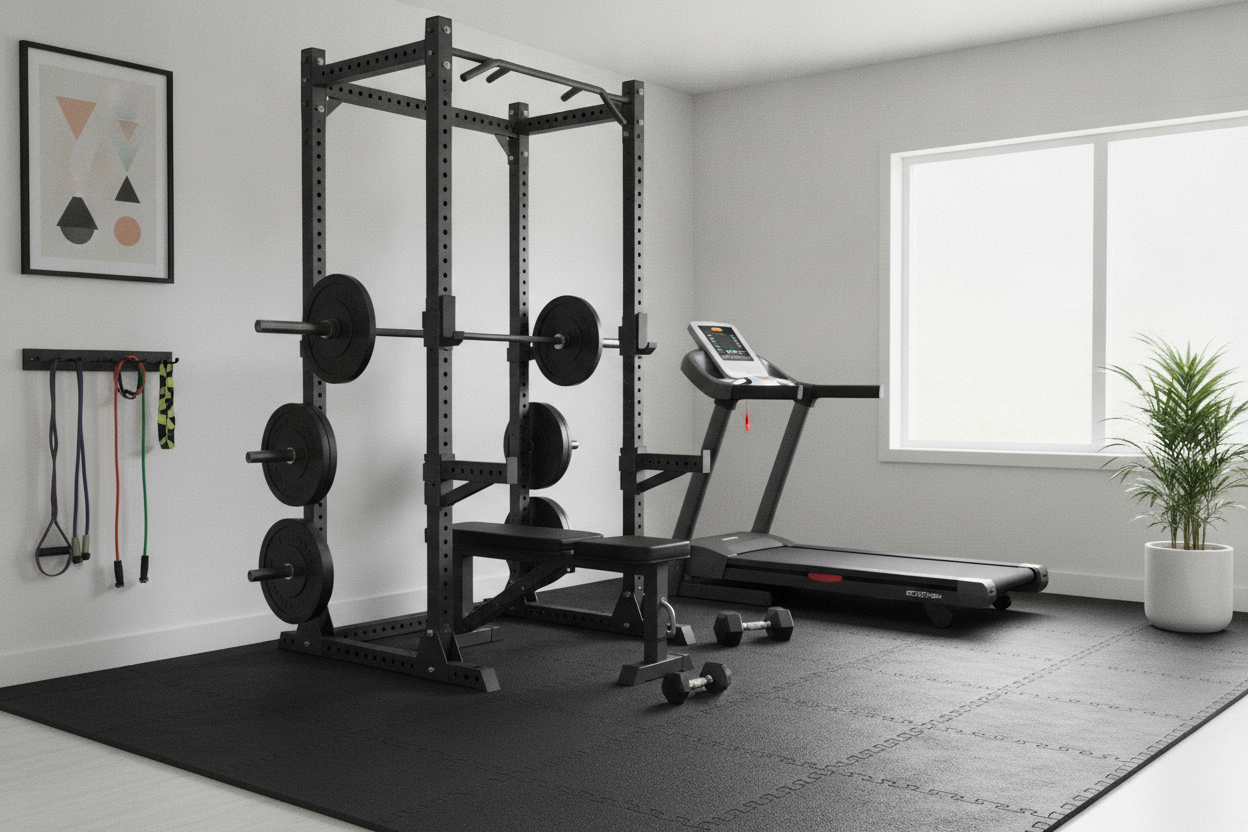
If you are determined to bring a massive piece of iron home, do not just set it on the bare floor. At the very least, you need a high-density 6X8Ft Exercise Mat Yoga Mat Gym Flooring For Home Workout to distribute that weight and save your foundation. Even then, remember that once a 'pro' machine is assembled, it stays there. You aren't sliding a 400-pound cable tower out of the way to park your car.
When the Commercial Upgrade Makes Sense
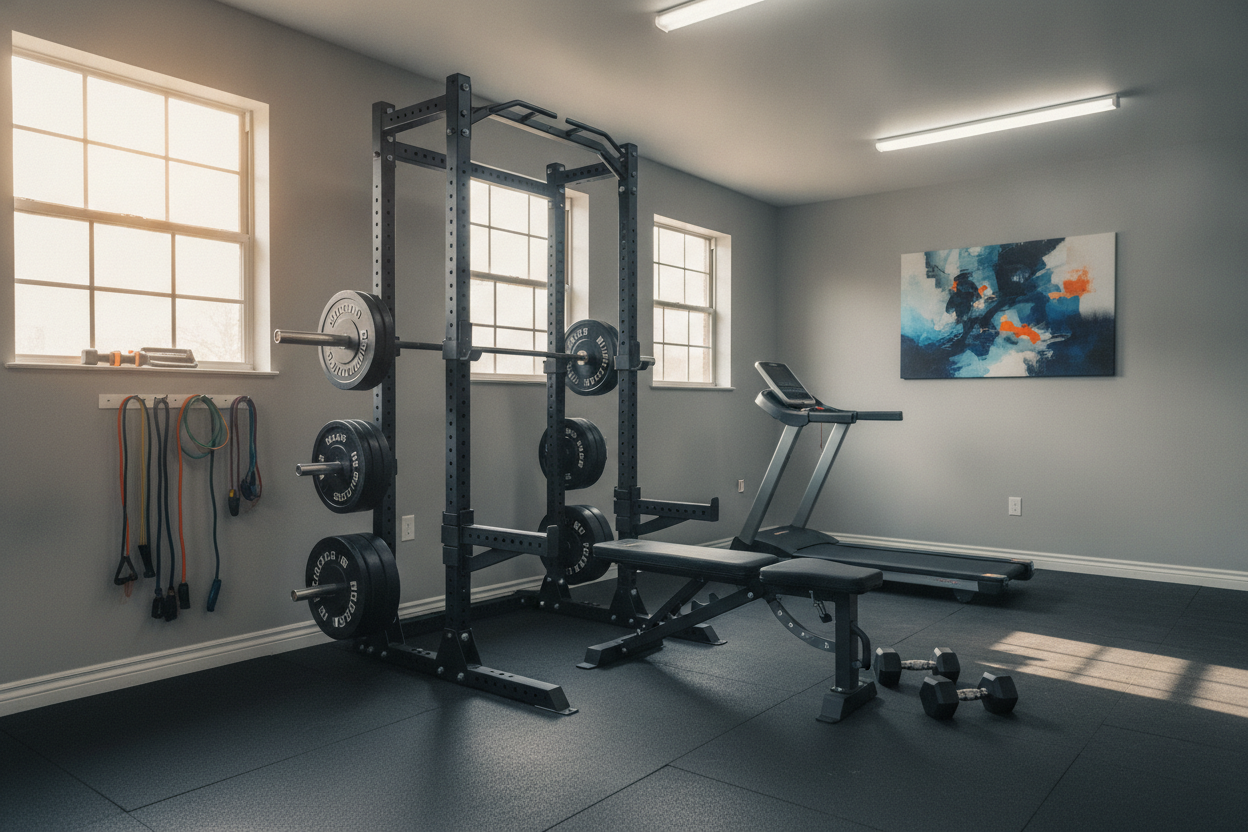
I'm not saying all expensive gear is a waste. There are three places where I’ll always spend more: the barbell, the bench, and the rack. A cheap bench that wobbles when you're holding 80-pound dumbbells isn't just annoying; it's dangerous. A high-capacity commercial bench with a 1,000-lb rating is a 'pro' upgrade that actually changes how you train.
When you're looking for gear that bridges the gap between home-flimsy and gym-sturdy, check out specialized Strength Equipment. Look for tripod-style benches for better foot placement and racks with 5/8-inch or 1-inch holes so you can actually use the attachments you buy later. That's where the 'pro' investment pays off—not in the fancy paint job, but in the utility.
Building a Beastly Setup Without the Markup
You can get 95% of the results of a commercial gym with 20% of the budget. Focus on 'overbuilt' consumer gear. Look for companies that offer lifetime warranties on frames and those that use standard sizing for attachments. This allows you to grow your gym over time without being locked into one expensive ecosystem.
Most importantly, remember that the iron doesn't know how much you paid for it. A 45-pound plate made of recycled iron feels exactly like a 45-pound plate with a 'pro' logo on it when you're deadlifting. You can Build A Pro Physique With Just Affordable Workout Equipment For Home if you stop worrying about the branding and start focusing on the intensity of your sets. Buy what you need, use it until it breaks (which it probably won't), and spend the rest of your cash on steak.
FAQ
Is 11-gauge steel necessary for a home gym?
Only if you're squatting over 500 pounds regularly or want a rack that literally never moves. For 90% of lifters, 14-gauge steel from a reputable brand is more than enough and much easier to move.
Why is commercial fitness equipment so expensive?
You're paying for the liability insurance, the institutional warranty, and the shipping of massive amounts of steel. Most of that cost doesn't actually make the workout better; it just makes the machine harder to break.
Can I put commercial gear in a spare bedroom?
I wouldn't. The weight alone can exceed the load-bearing capacity of residential second-story floors. Stick to the garage or a basement for anything labeled 'full commercial.'