Stop Buying Pro Exercise Equipment Until You Read This
You know that feeling. You walk into a high-end commercial facility, load up the leg press, and it moves like butter. There is zero friction, the stability is absolute, and the movement pattern feels perfectly aligned with your anatomy. Then, you go back to your garage gym, and your budget gear feels… rattling. It’s natural to want that upgrade. But before you drop five figures on pro exercise equipment, we need to have a serious conversation about value, biomechanics, and actual necessity.
Quick Summary: Is Pro Gear Right For You?
- Durability: Commercial gear is built for 24/7 use; it will likely outlive you in a home setting.
- Biomechanics: Pro machines often have better strength curves and adjustability than budget alternatives.
- Resale Value: High-end brands hold value significantly better than generic imports.
- Space Footprint: Commercial units are almost always larger and heavier, requiring specific flooring solutions.
Defining "Pro" in a Sea of Marketing Fluff
The term "commercial grade" gets thrown around loosely on Amazon. True professional equipment is distinct from standard home gym gear in three specific areas: steel gauge, weight capacity, and continuous duty rating.
When we talk about pro workout equipment, we are referring to machines constructed with 11-gauge steel (or thicker) and welded frames rather than bolted assemblies. Bolted frames loosen over time due to the vibration of dropped weights. Welded frames do not. If you are lifting heavy, that rigidity isn't just a luxury; it is a safety feature.
The Biomechanics Factor
This is where the extra money actually goes. A cheap lat pulldown machine uses a simple pulley system. A professional selectorized unit uses cams to alter the resistance curve. This matches the machine's resistance to your muscle's natural strength curve.
With budget gear, the weight often feels heaviest at the start of the movement and lighter at the end due to momentum. Pro equipment keeps tension constant. If you are training for hypertrophy (muscle growth), that constant tension is critical for maximizing stimulus without having to overload the joints with excessive weight.
The Hidden Cost of Ownership
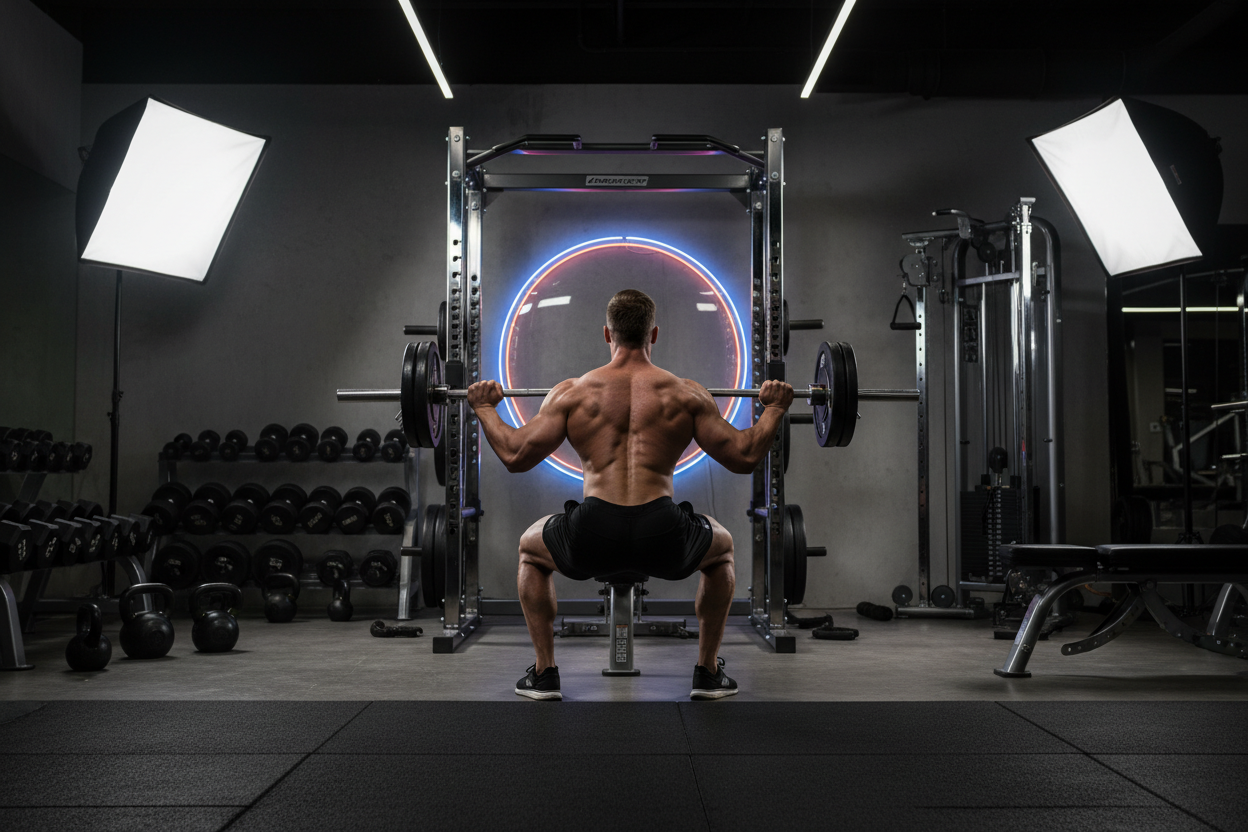
Buying the gear is just the first expense. You need to consider the footprint. Pro equipment is not designed to fold away into a closet. A commercial power rack has a massive footprint to prevent tipping without being bolted down (though you should bolt it down anyway).
Furthermore, shipping for true commercial gear is rarely free. You are moving hundreds of pounds of steel. It arrives on a pallet, not in a cardboard box via UPS. You need to be prepared for freight delivery and the logistics of moving a 400lb piece of equipment into your designated space.
My Training Log: Real Talk
Let me tell you about the exact moment I stopped buying budget benches. I was doing a heavy dumbbell bench press—about 100lbs per hand—on a highly-rated, affordable adjustable bench I bought online. As I kicked the weights back and settled into position, I felt the back pad shift laterally about half an inch. Just a tiny wobble.
That wobble completely broke my concentration. Instead of focusing on my pecs, I was bracing my core to stabilize the bench. I wasn't lifting; I was surviving the set.
I upgraded to a fully welded, fixed commercial flat bench the next week. The difference wasn't just stability; it was the pad density. The "pro" pad was firm. It didn't compress into a pancake under load, which meant my shoulder blades could actually drive into the bench to create a stable arch. The vinyl was grippy, almost sticky, unlike the slippery faux-leather on the cheap bench. That specific texture meant I didn't slide up the bench during leg drive. It changed my pressing confidence overnight.
Conclusion
If you have the budget and the space, pro exercise equipment is a buy-it-for-life investment that offers superior safety and biomechanics. However, if you are sacrificing nutrition or coaching to afford a single piece of commercial cardio gear, you have your priorities backward. Build the engine first, then upgrade the chassis.
Frequently Asked Questions
Is pro exercise equipment worth it for a home gym?
For heavy compound movements (racks, benches, barbells), yes. The safety and stability are worth the cost. For accessory machines like leg extensions, budget versions are often sufficient for home use unless you are an advanced bodybuilder.
What is the difference between 11-gauge and 14-gauge steel?
The lower the number, the thicker the steel. 11-gauge is the standard for commercial gyms and can withstand heavy abuse and high loads. 14-gauge is thinner, typical for home use, and has a lower max weight capacity.
Does commercial equipment require maintenance?
Yes, but less than home gear. You need to lubricate guide rods with silicone spray and tighten bolts periodically. However, because pro gear uses sealed bearings rather than cheap plastic bushings, the internal components rarely fail.