Nobody Needs Pro Fitness Equipment to Get Strong at Home
I remember the first time I walked into a dedicated pro fitness equipment showroom. I was tired of my local commercial gym jacking up rates for a sauna that always smelled like wet socks and a weight room where people spent more time on their phones than on the bench. I wanted my own space, but seeing the five-figure price tags on commercial racks made my head spin.
The truth is, the gap between what you see in a high-end club and what you actually need to build muscle in your garage is massive. You don't need a pro fitness machine to get a pro-level workout; you need steel that doesn't bend and a floor that doesn't crack under a heavy deadlift. Before you drain your savings, let's talk about where the money actually goes.
- Commercial gear is over-engineered for 18-hour-a-day abuse, which is overkill for a solo lifter.
- 11-gauge steel is the gold standard for stability; anything less can feel sketchy at high weights.
- Pulleys and cables are the only areas where the 'pro' label actually justifies a higher price.
- You can save thousands by mixing high-end machines with basic, no-frills iron plates and bars.
The Massive Price Gap Between Consumer and Commercial Gear
When you walk into a specialty pro fitness store, you aren't just paying for the metal. You're paying for the liability insurance, the heavy-duty powder coating, and the brand name. Manufacturers know that equipment in a commercial club has to survive 300-pound guys dropping weights on it all day long. In your garage, it's just you and maybe a training partner.
A lot of what's marketed as profit gym equipment is actually just high-margin residential gear with a fancy logo. I've seen racks that cost $2,000 but use 14-gauge steel—the same stuff you'd find in a $300 budget rack at a big-box retailer. Don't let the shiny finish fool you. If the uprights aren't at least 3x3 inches and 11-gauge, you're paying for the brand's profit fitness equipment margins rather than actual performance and safety.
When Does the 'Pro' Label Actually Mean Something?
There are times when spending more on pro fit gym equipment is a smart move. If you've ever used a cheap lat pulldown, you know the annoying 'hitch' that happens halfway through the rep. That's friction. High-end pro fitness gym equipment uses machined aluminum pulleys and aircraft-grade cables that feel like butter. If you're chasing a pump, that smoothness matters for mind-muscle connection.
The upholstery is another giveaway. Cheap benches use thin vinyl that cracks after one summer in a hot garage. True pro fit equipment uses high-density foam and tear-resistant covers that won't bottom out when you're benching heavy. You can learn How To Build A Pro Gym With Basic Exercise Fitness Equipment by focusing on these high-touch points while saving money on things like plate storage or basic dumbbells.
The Bearings and Cables Reality Check
Friction is the enemy of progress. On a budget pro fit exercise equipment piece, the bushings in the pulleys will eventually grind down, making 50 pounds feel like 70 on the way down and 30 on the way up. That inconsistent resistance is a recipe for frustration. If you're buying a cable machine, look for sealed ball bearings. It is the one area where I will tell my friends to spend the extra cash for that commercial feel.
When You Should Absolutely Save Your Money
If you're looking for a barbell and plates, don't get sucked into the total profitness hype. A 45-pound cast iron plate from 1985 weighs the same as a calibrated 'pro' plate from a boutique shop. Unless you're competing in powerlifting where every gram counts, standard iron is your best friend. You can find plenty of Home Gym Equipment Deals on plates and bars that will outlast you without the commercial markup.
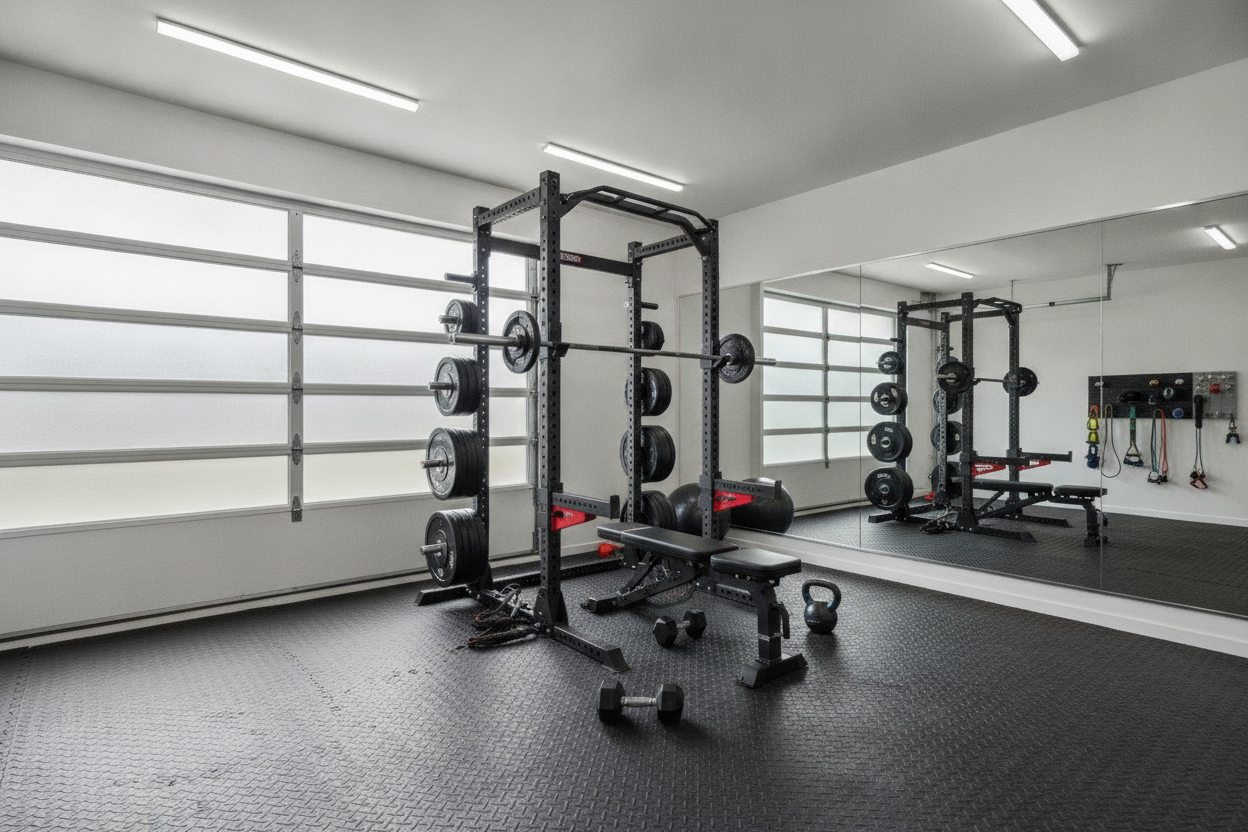
Your squat rack doesn't need to be a 600-pound monster either. Most residential lifters will never outgrow a solid 2x3 or 3x3 rack. Spending $5,000 on a pro fitness exercise equipment package just to do three sets of squats a week is a flex your bank account doesn't need. Put that money into a better barbell instead—that's the one piece of gear you'll actually feel every single rep.
Protecting Your Floor If You Actually Buy the Heavy Stuff
If you do decide to pull the trigger on a real pro fitness machine, remember that these things are heavy. A commercial leg press can easily weigh 500 pounds before you even add plates. I once saw a guy crack his garage floor because he bolted down a 3x3 rack and started pulling heavy deadlifts without any protection. The concentrated pressure of 11-gauge steel is no joke for standard residential concrete.
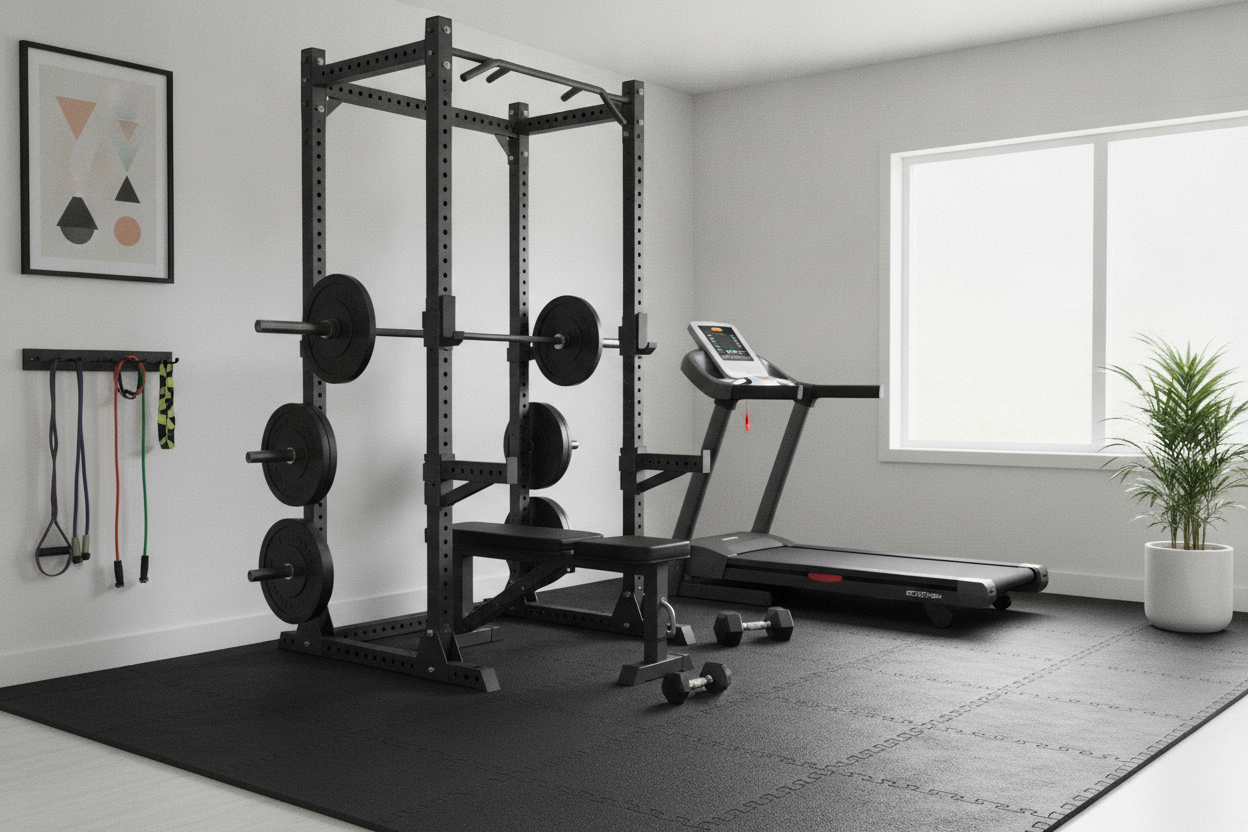
Before the delivery truck arrives, get your flooring sorted. I always recommend a heavy-duty 6X8Ft Exercise Mat Yoga Mat Gym Flooring For Home Workout to act as a buffer. It is thick enough to absorb the vibration of a dropped dumbbell and keeps your pro fitness exercise equipment from sliding around or scratching the concrete. It's a small investment to protect a very expensive slab of house.
The Final Verdict on Upgrading Your Setup
You don't need a commercial budget to build a world-class physique. My own gym is a mix: a high-end barbell I spent way too much on, and a squat rack I bought used off Marketplace. That's the secret. Spend your money where your body touches the machine—the bar, the bench, and the cable handles. For everything else, standard gear is more than enough. You aren't training for the Olympics; you're trying to get strong. Don't let the marketing convince you that your gains depend on a price tag.
Personal Experience: The Wobbly Rack Lesson
I once bought a 'pro-style' rack from a big-box store because it looked shiny in the photos. The first time I tried to re-rack 275 pounds, the whole thing shifted six inches to the left. It was terrifying. I realized then that I had fallen for the marketing. I sold it for half what I paid and bought a used 11-gauge rack that felt like it was bolted to the center of the earth. Buy once, cry once, but make sure you are buying quality, not just a name.
FAQ
Is commercial gym equipment actually better?
It is more durable for high-traffic use. If 50 people use a machine every day, it needs to be pro-grade. If it is just you, the extra durability is often overkill for the price.
What is 11-gauge steel?
It refers to the thickness of the steel. 11-gauge is roughly 1/8 inch thick and is the standard for heavy-duty gym gear. Higher numbers like 14-gauge are thinner and less stable.
Do I need to bolt my rack to the floor?
If it is a lightweight rack or you are doing dynamic movements like kipping pull-ups, yes. Heavy 3x3 racks are usually stable enough to stay put, but bolting is always the safest bet for peace of mind.