I Sold All My Single-Use Muscle Equipment (And You Should Too)
I remember the exact moment I hit a wall—literally. I was trying to unrack 315 on the bench, and my elbow clipped the frame of a dedicated seated row machine I hadn't used in three months. My garage was packed with muscle equipment that looked cool on Instagram but functioned like a Tetris nightmare. I’d fallen for the 'more is better' trap, thinking my home gym needed to look like a local franchise. It didn't. It just needed to be functional, and instead, I was living in a steel graveyard.
Quick Takeaways
- Floor space is your most valuable asset; don't waste it on single-use machines.
- The 'Three Movement' rule: every piece of gear must facilitate at least three heavy exercises.
- Prioritize multi-functional cable towers over plate-loaded isolation stations.
- Protect your concrete slab with high-density flooring before adding heavy steel.
The Day I Realized My Garage Gym Was Just Expensive Clutter
I spent $600 on a plate-loaded preacher curl station. It was a beautiful piece of steel with white powder coating and thick vinyl padding. It also took up nearly five square feet of my 20x20 garage. For those keeping track, that's five square feet where I couldn't put a deadlift platform or a rower. I spent more time shimmying sideways past steel frames just to get to my chalk bowl than I did actually lifting weights. It was a logistical disaster that made me want to skip training entirely.
The reality of home training is that square footage is your most valuable currency. I was hoarding gear under the guise of 'optimization.' I told myself I needed that specific angle for my biceps, but I was ignoring the fact that my squat rack—the heart of the gym—was becoming inaccessible. I had become a collector of gym equipment rather than a trainee. The day I had to move a leg extension machine just to pull my car in for an oil change was the day the purge began. I realized that most home gym owners are just one 'great deal' away from owning a very expensive storage unit that they can't even walk through. If you can't perform a burpee without hitting your head on a lat pulldown bar, you have too much stuff.
Why Chasing the Commercial Gym Vibe Is a Trap
Commercial gyms have the luxury of specialized muscle exercise equipment because they have 20,000 square feet to play with. They can afford a machine that only works the rear deltoid because they have 500 members paying for it. In a two-car garage, every inch counts. When you try to replicate that vibe, you end up with a gym that’s unusable. You can’t move, you can’t clean the floor, and you definitely can't perform dynamic movements like cleans or snatches without hitting a pulley system. It's a trap that makes you feel like you're missing out on gains if you don't have a dedicated machine for every body part.
I used to think I needed a dedicated leg extension machine to grow quads that actually popped. I was wrong. I needed a high-quality squat rack and the discipline to do sissy squats or heels-elevated goblet squats. The marketing for these specialized machines is powerful—they promise 'perfect isolation' and 'optimal resistance curves.' But if you can't fit a proper barbell in your hands because the room is too crowded, those curves don't matter. You're better off with a wide-open floor and a few pieces of heavy-duty, versatile gear than a room full of specialized plastic and cables that you only use once a week. The best gyms in the world are often the simplest ones.
My 'Three Movement' Rule for Buying New Gear
Now, I have a strict purchasing framework: if a piece of muscle and fitness equipment doesn't facilitate at least three distinct, heavily loaded exercises, it doesn't get an invite to the garage. This rule saved my sanity and my bank account. It forces you to look at gear through the lens of utility rather than novelty. Before I pull the trigger on any home gym equipment deals, I run the mental checklist. If it's a 'one-hit wonder,' it stays in the warehouse. No exceptions, no matter how good the discount looks on a Tuesday morning.
An adjustable bench is a perfect example of gear that passes the test. I can do incline presses, seated rows, and Bulgarian split squats. A power rack? It’s the ultimate survivor—squats, pull-ups, and rack pulls. But a standalone calf raise machine? That’s a fail. This rule also helps you avoid the 'shiny object syndrome' that hits every time a new specialized machine drops on social media. If you can't get creative with a piece of gear, you probably don't need it in a limited space. Focus on the big hitters that build the foundation of your physique. If a piece of equipment doesn't make you stronger in at least three ways, it's just a paperweight that takes up space you could be using for heavy carries.
The Versatile Mass Builders That Actually Survived the Purge
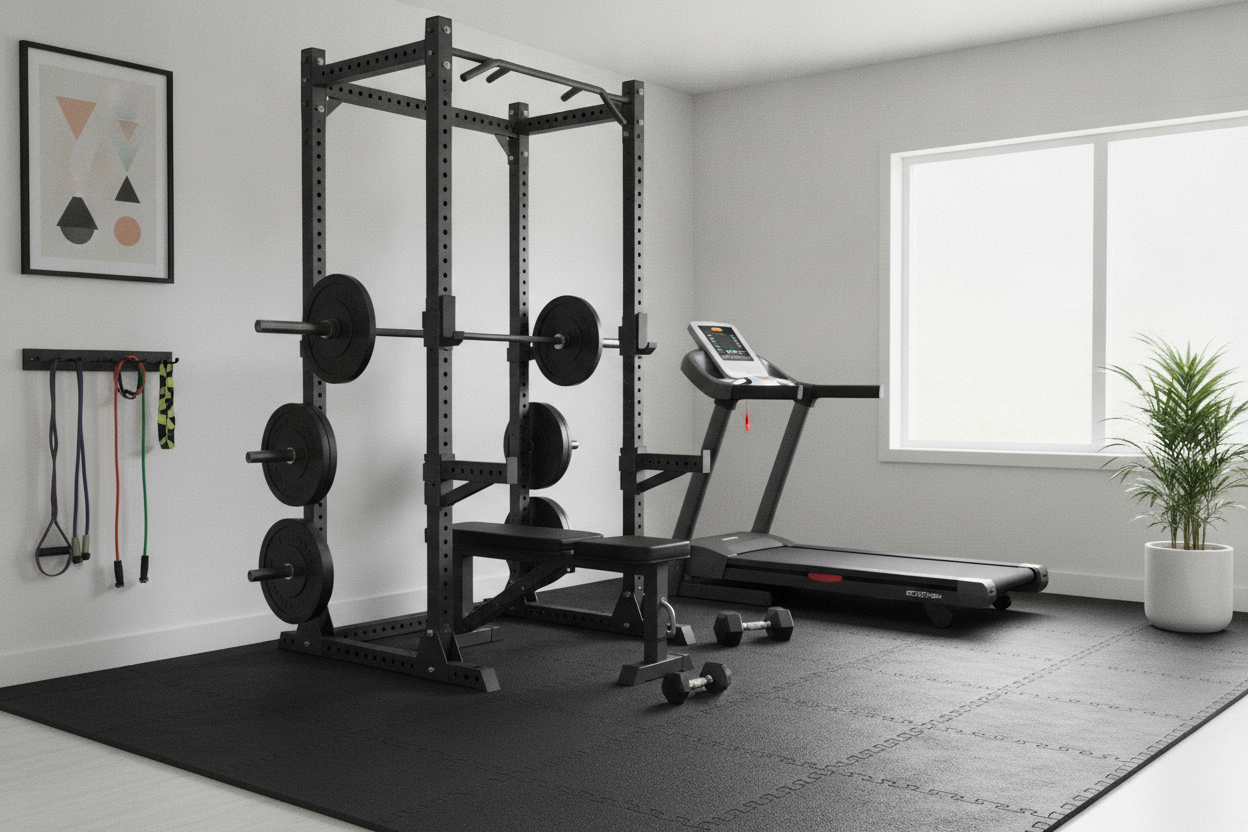
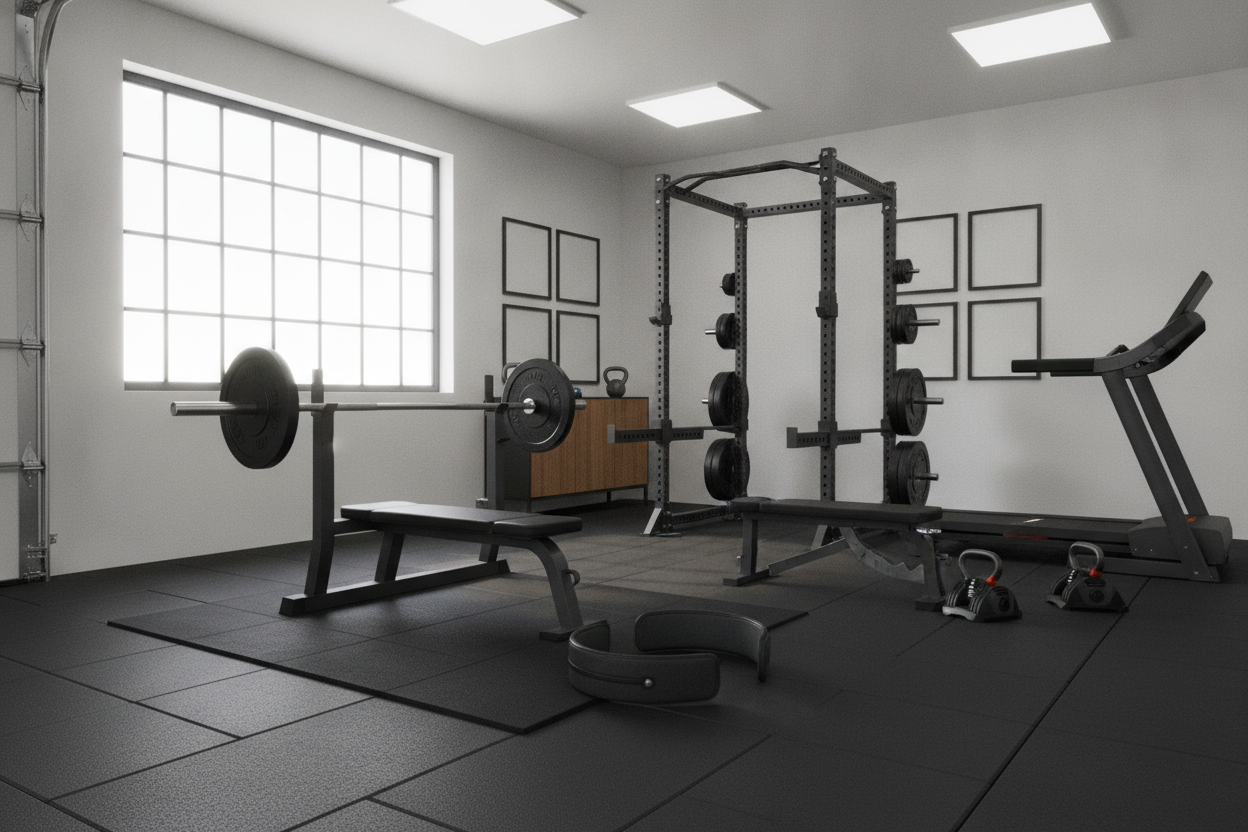
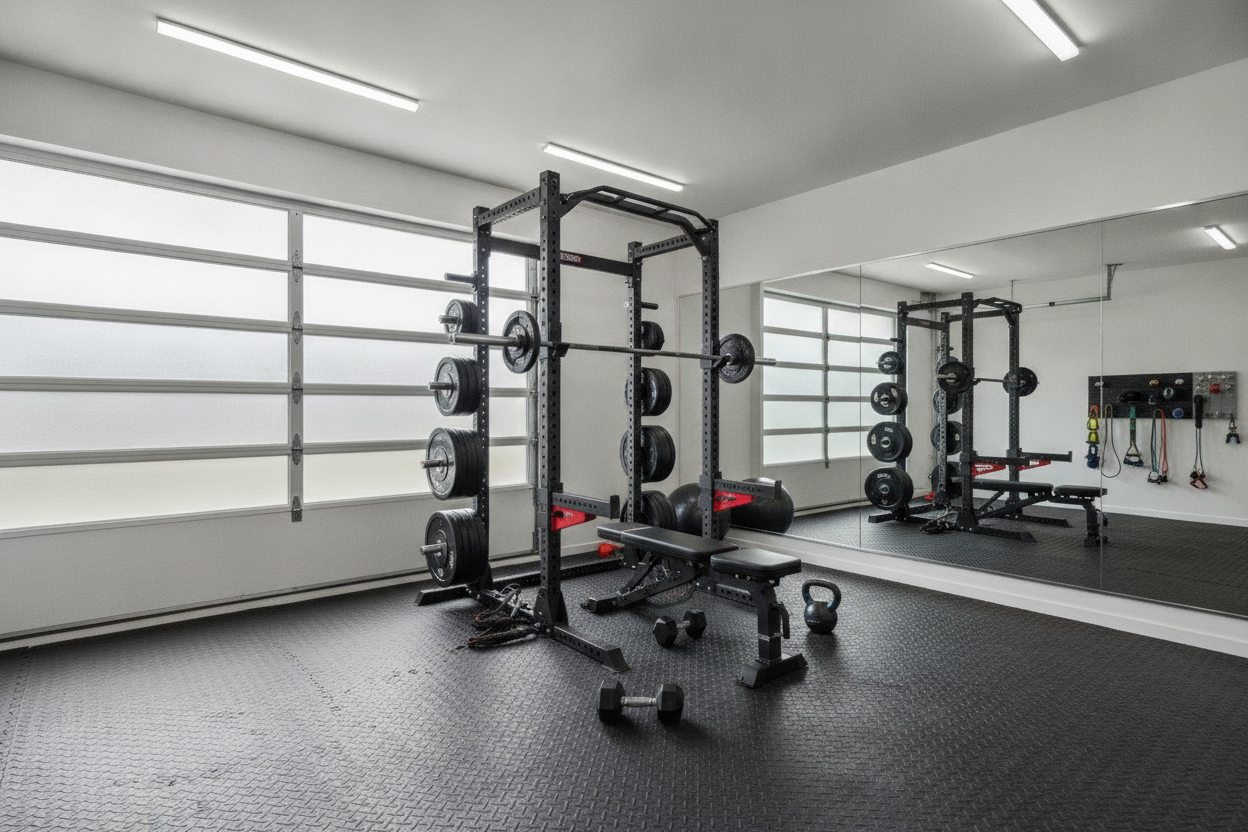
The gear that stayed after my 'Great Purge' is the stuff that actually builds serious mass without eating the floor alive. My 3x3 power rack with 11-gauge steel is the anchor. It’s rated for 1,000 lbs, which is about 600 lbs more than I’ll ever squat, but the stability is worth the extra cost. I swapped the bulky, single-use isolation machines for a high-quality functional trainer with a 2:1 cable ratio. This single unit replaced my lat pulldown, my low row, and my cable crossover station in a 3x3 footprint. It's the most efficient way to get cable work done in a small space.
When you're looking for the top gym equipment for bodybuilding, versatility is king. I also kept my adjustable dumbbells that go up to 80 lbs per handle. They take up the space of two shoeboxes but replace an entire 10-pair rack of fixed weights. I also invested in a high-quality barbell with aggressive knurling—something that feels like it's glued to your hands during a heavy deadlift. This setup allows for 95% of the hypertrophy work you'd do in a commercial gym but leaves enough floor space for me to actually breathe between sets. I’ve found that my workouts are more intense now because I’m not constantly frustrated by the clutter around me. I can focus on the 300-lb weight capacity of my bench rather than wondering if I'm going to trip over a stray cable attachment.
Wait, How Do I Train Legs Without a Hack Squat?
This was the hardest part of the transition. I love the hack squat; there’s no better way to bury your quads without your lower back giving out. But a decent hack squat machine has a footprint of 7 feet by 4 feet. That's a massive sacrifice for a single movement. I found that a landmine attachment and a solid set of lifting straps can replicate almost any machine-based leg movement. If you're searching for the best leg exercise equipment for home, start with a solid squat rack and a landmine. You can do belt squats, hack squat simulations, and heavy lunges that will grow your legs just as well as a $2,000 sled. It takes more effort to set up, but the results are identical, and your garage will thank you for the extra space.
Protecting Your Foundation Before You Lift Heavy
Once you start consolidating your training into heavy, multi-use muscle workout equipment, the floor takes a beating. You’re concentrating more weight into smaller areas. Don't trust your bare concrete slab; it will crack under a 400-lb deadlift, even with bumper plates. I use 3/4-inch rubber stall mats, but even a high-density gym flooring for home workout solution is better than nothing. I learned the hard way when I dropped a 100-lb plate and chipped my foundation. Buy the flooring first, then buy the steel. It's a non-negotiable part of a serious home gym setup that most people ignore until it's too late and they're looking at a repair bill.
FAQ
Is a power rack really enough for hypertrophy?
Absolutely. Between barbell compounds, pull-ups, and landmine variations, you can hit every muscle group from multiple angles. Machines provide convenience, but the barbell provides the stimulus.
What is the most overrated piece of home gym gear?
The dedicated bicep curl station or preacher bench. You can replicate those movements with an adjustable bench and a pair of dumbbells for a fraction of the space and cost.
Do I need a cable machine for muscle growth?
You don't need one, but a wall-mounted cable tower is the most efficient use of space for isolation work. It allows for constant tension that you just can't get with dumbbells alone, especially for the upper body.