Why I Finally Quit the Athlete Bodybuilder Balancing Act
I spent three years chasing the athlete bodybuilder dream in my 400-square-foot garage. I wanted the 18-inch arms of a classic physique competitor and the 36-inch vertical of a D1 safety. I bought the specialty bars, the chains, and the fancy supplements, thinking I could hack my way into being a hybrid freak. Instead, I ended up with a body that looked like a tank but moved like a rusted-out tractor.
The wake-up call came during a casual Saturday afternoon pickup basketball game. I was the biggest guy on the court, yet I was gasping for air by the third possession. Every time I tried to change direction, my ankles felt like they were encased in concrete. I had built a lot of 'show' muscle, but I had zero 'go.' I was falling into the classic trap of trying to serve two masters and failing both.
Quick Takeaways
- Hypertrophy-only training often sacrifices the joint elasticity needed for real-world movement.
- The central nervous system (CNS) struggles to adapt to both maximal explosive power and high-volume pump work simultaneously.
- An athletic build vs muscular build comes down to how you move, not just how much you weigh.
- Transitioning requires cutting 'junk volume' and prioritizing landing mechanics over raw poundage.
The Day I Realized I Built a Useless Physique
I remember looking at my reflection after a heavy leg day. My quads were thick, and my calves finally had some shape. By all bodybuilding standards, I was winning. But when I tried to jump to grab a rim, I barely cleared a phone book. My knees felt like they were being stabbed with ice picks. I had spent so much time on slow, controlled eccentric movements that I had completely forgotten how to be explosive.
That is the reality of the athletic body vs gym body divide. I had a gym body. It was great for taking photos, but it was functionally useless for anything other than moving heavy iron in a straight line. I was stiff, I was slow, and I was constantly nursing 'overuse' injuries that were really just 'poor movement' injuries. I realized that if I didn't change my approach, I was going to be the most muscular guy in the physical therapy waiting room.
Athletic Build vs Muscular Build: What Do You Actually Want?
We need to be honest about the athlete vs bodybuilder physique. A bodybuilder is a sculptor. They care about symmetry, proportions, and muscle separation. An athlete is a performer. They care about force production, deceleration, and spatial awareness. When you try to do both at 100% intensity, you usually end up in the middle of the bodybuilder vs powerlifter debate, confused and overtrained.
The muscular vs athletic look is different under the hood. A bodybuilder’s muscles are often filled with sarcoplasmic fluid—the 'pump'—which adds size but not necessarily contractile strength. An athlete focuses on myofibrillar hypertrophy and neural drive. If you want to be lean vs athletic, you have to stop worrying about whether your rear delts are perfectly capped and start worrying about whether you can sprint 50 yards without pulling a groin.
Why the Mirror Lies to Us
The mirror is a terrible coach for performance. You can look like a Greek god and still have the aerobic capacity of a pack-a-day smoker. This is the core of the bodybuilder vs athlete struggle. Bodybuilders prioritize the aesthetic outcome, whereas athletes prioritize the output. Are bodybuilders athletes? In terms of discipline and work ethic, absolutely. But in terms of multi-planar movement and reactive agility, most are specialized to a fault.
Training Like an Athlete vs Bodybuilder at Home
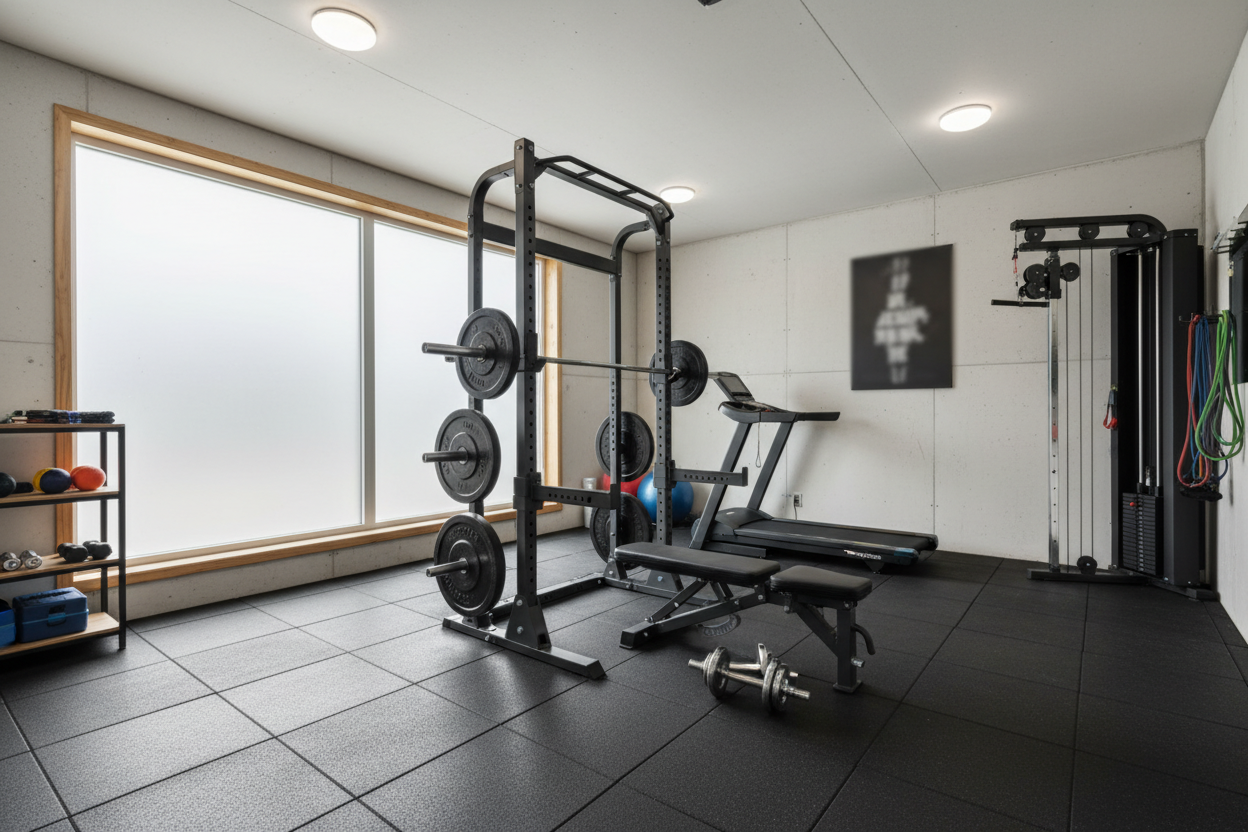
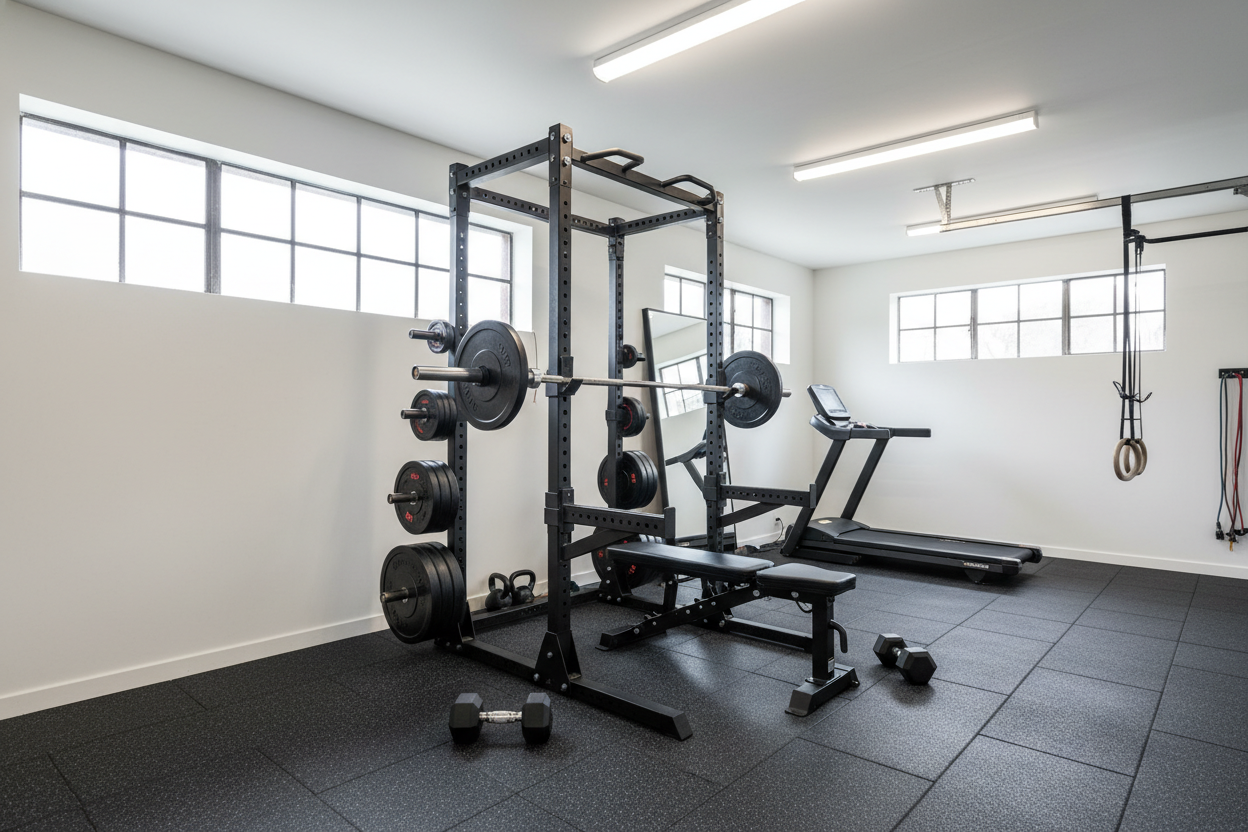
If you are training in a garage, you have limited space and time. A bodybuilding split usually involves 20+ sets per workout, focusing on isolation. To train like an athlete, you have to ditch the 'chest day' mentality. You need full-body integration. You need to move weight fast, which is the exact opposite of the slow-tempo, time-under-tension method used for massive growth.
I used to spend an hour on a lower body strength machine trying to isolate my quads. Now, I spend that time on cleans, box jumps, and lateral lunges. The difference in how my joints feel is night and day. Bodybuilders vs athletes also handle recovery differently. If you’re doing heavy plyometrics and heavy squats in the same week, your CNS will eventually redline. You have to pick a priority and let the other take a backseat.
How to Transition from Blocky to Athletic
The first step to fixing a blocky, stiff physique is cutting the fluff. Drop the three different types of bicep curls and replace them with pull-ups and medicine ball slams. Start every workout with a 'power' block—jumps, throws, or sprints—before you touch a barbell. This wakes up the nervous system and reminds your body how to move fast.
One mistake I made was jumping into plyometrics on bare concrete. My joints hated me. I highly recommend investing in a large shock-absorbing exercise mat if you’re doing any kind of jumping in a home gym. It saves your knees and ankles when you're learning how to land softly. Remember: an athletic body vs bodybuilder build is earned in the transition phases, not just the lifting phases.
The Honest Compromise: The 'Look Good, Move Okay' Phase
I’ve finally accepted that I’m never going to be on a pro stage, and I’m never going to play in the NFL. My goal now is to look like I lift while being able to hike, bike, and play with my kids without needing a week of recovery. This 'hybrid' approach is the sweet spot for most guys. It’s about being athletic build vs bodybuilder without the ego of needing to be the biggest guy in the room.
Stop chasing the extreme ends of the spectrum. You don't need 3% body fat, and you don't need a 600-lb deadlift. You need a body that works. Training like an athlete vs bodybuilder doesn't mean you stop lifting heavy; it just means you start moving with purpose again. Your 40-year-old self will thank you for the extra mobility.
FAQ
Can I still get big training like an athlete?
Yes, but the growth will be slower. You won't have that 'inflated' look of a pure bodybuilder, but you'll have a denser, more functional muscularity. Think 'rugby player' rather than 'stage competitor.'
How often should I do plyometrics?
Twice a week is plenty for most people. Any more than that and you risk tendonitis, especially if you're over 200 lbs. Quality of movement is way more important than the number of reps.
Do I need special equipment to be athletic?
Not really. A barbell, some space to move, and a decent surface to jump on are the basics. Sleds and med balls are great additions, but you can build a lot of athleticism with just your body weight and a floor mat.