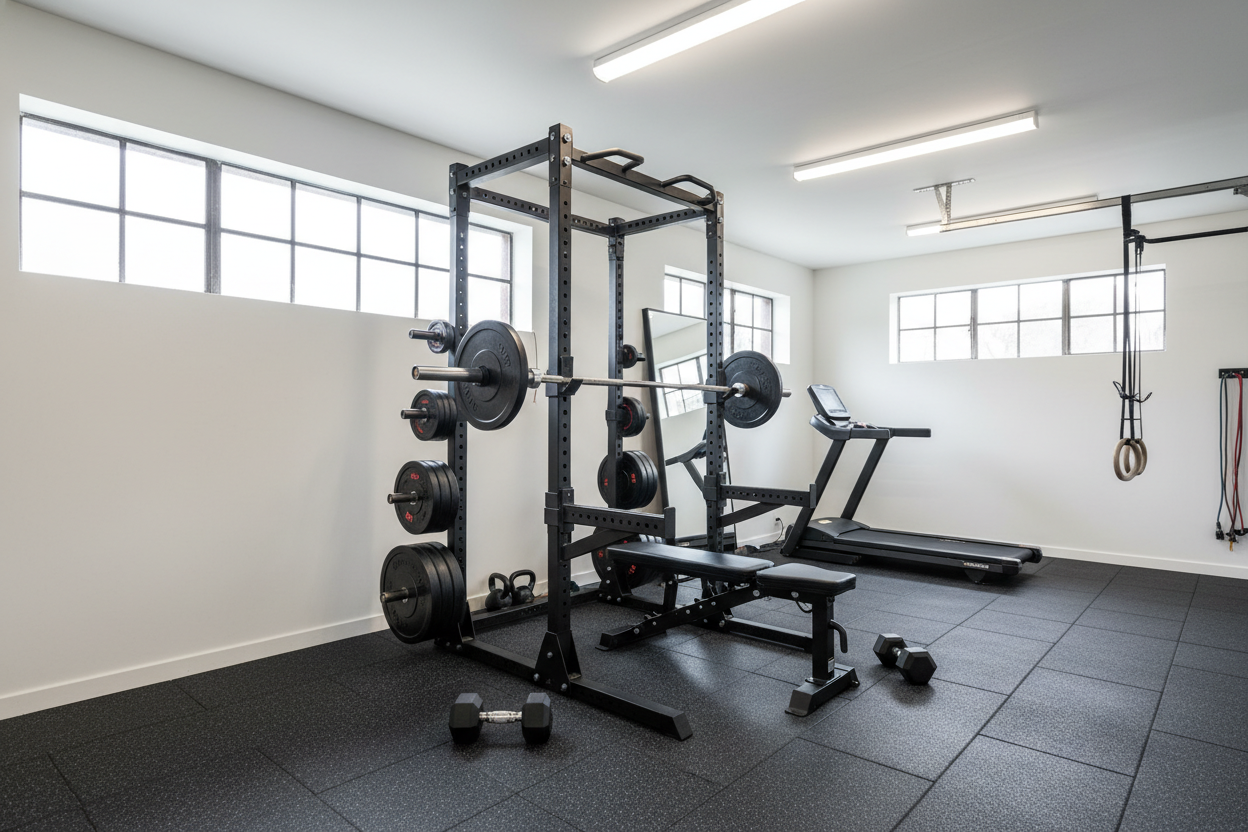
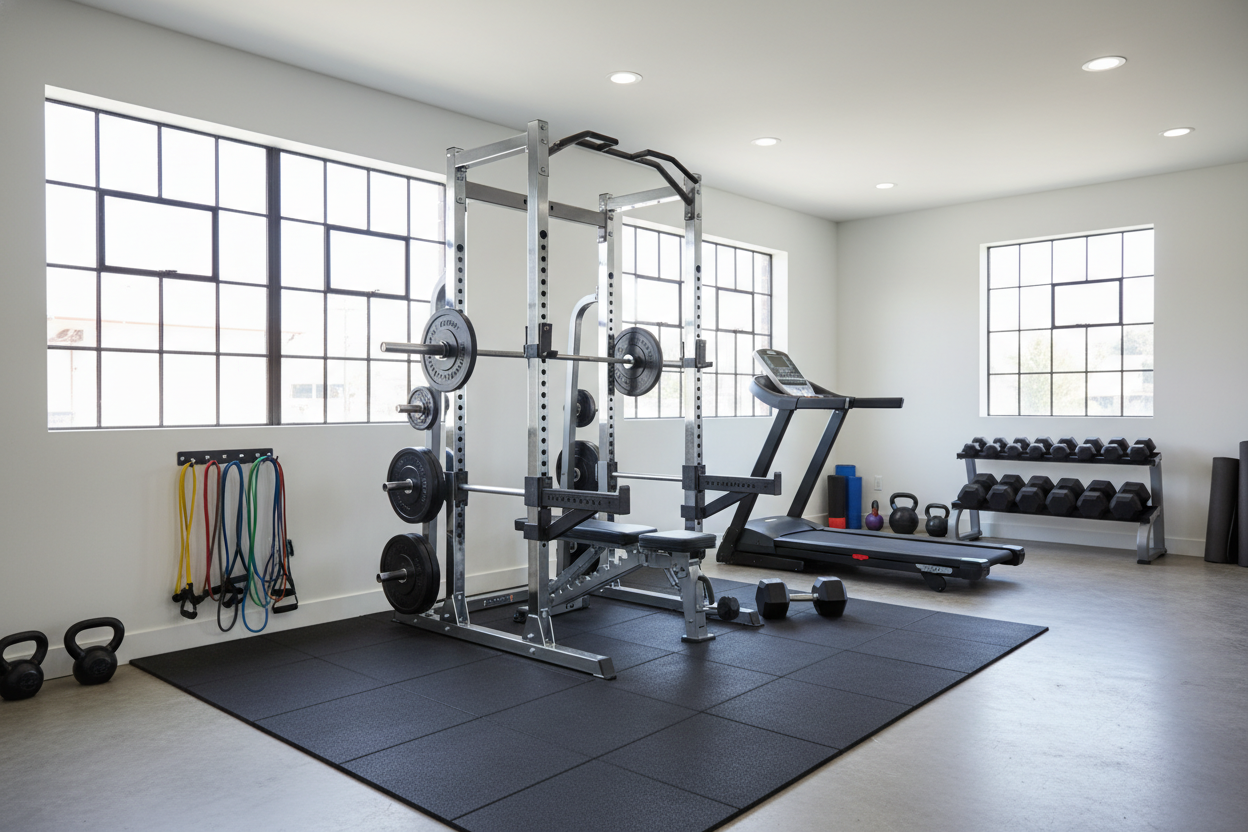
Heavy vs. Light Days: What Works for Lean Body Workout Plans?
I remember staring at my 29mm power bar last March, feeling like I was about to try and deadlift a house. I was three weeks into a aggressive cut, my calories were low, and my elbow joints felt like they were filled with dry sand. If you have ever tried to force a new PR while eating like a bird, you know that lean body workout plans shouldn't feel like a slow-motion car crash.
The biggest mistake I see in garage gyms across the country is the 'all-gas-no-brakes' mentality. You think that because you want to get shredded, you need to punish yourself with max-effort sets six days a week. That is a fast track to a snapped tendon and a stalled metabolism. You need a more surgical approach to keep the muscle you've spent months building.
Quick Takeaways
- Heavy days (80%+ 1RM) are for muscle retention; Light days are for recovery and calorie burn.
- Overtraining on a deficit spikes cortisol, which actually makes your body hold onto belly fat.
- A successful lean muscle program requires at least two days of low-impact, high-movement work.
- Quality flooring is non-negotiable for the mobility work that keeps your joints from screaming.
You Cannot Grind Out 5x5s Every Day on a Cut
Trying to run a high-volume strength program while in a caloric deficit is a recipe for central nervous system (CNS) fried chicken. When your fuel is low, your recovery capacity drops off a cliff. If you are still trying to add 5 lbs to the bar every session, your form is going to turn into a disaster. I have watched guys turn a clean squat into a 'good morning' just to hit a rep goal, and that is exactly how a workout program to build lean muscle turns into a physical therapy bill.
A sustainable lean muscle program recognizes that 'intensity' doesn't always mean 'weight on the bar.' Sometimes intensity is about shorter rest periods or better mind-muscle connection. If you're grinding out 5x5s every single day, you aren't getting stronger—you're just getting better at being exhausted. You need to give your CNS a break before it breaks you.
The Magic of the Heavy-Light Contrast
The secret sauce to a high-level lean muscle mass program is the contrast between heavy compound days and light, athletic days. On heavy days, we are talking low reps (3-5) with heavy weight. This tells your body, 'Hey, we still need this muscle to move heavy stuff, so don't burn it for fuel.' It keeps your muscle density high while you're stripping away the fat.
The light days are where the 'lean' actually happens. By dropping the weight to 50-60% of your max and focusing on movement quality, you increase blood flow and flush out metabolic waste. This isn't 'toning'—that's a fake word. This is active recovery that burns extra calories without adding to your systemic fatigue. It’s the most efficient way to run a lean muscle plan without feeling like you got hit by a truck every morning.
What a 'Light' Day Actually Looks Like in the Garage
A light day is not an excuse to sit on your adjustable bench and scroll through Instagram. In my gym, a light day is 'movement' day. Think kettlebell flows, mace swings, or deep mobility work. You want to get your heart rate into that Zone 2 or Zone 3 sweet spot where you're sweating but not gasping for air. This is the core of a get lean muscle workout program that actually lasts more than a month.
For this to work, you need space. I stopped doing my mobility work on the cold concrete years ago. You need a dedicated, large home exercise mat that gives you enough real estate to move through a full range of motion without sliding around or bruising your knees. If you're cramped between a power rack and a lawnmower, you won't do the work. Clear a 6x8 foot space, lay down some high-density foam or rubber, and make your light days as professional as your heavy ones.
Structuring Your Week Without Losing Strength
You don't need to live under a barbell to look like you lift. In fact, a smart lean muscle mass workout plan might only have you touching the heavy iron three times a week. I like a Monday-Wednesday-Friday heavy split (Squat, Bench, Deadlift/Press focus) with Tuesday and Thursday reserved for those light, mat-based athletic flows.
This 7-day structure allows your joints to settle down between the heavy sessions. Saturday can be a long ruck or a hike, and Sunday is total rest. This program for lean muscle works because it respects the law of diminishing returns. After a certain point, more lifting just equals more inflammation. By alternating the stimulus, you keep your body guessing and your hormones in check.
Stop Letting Ego Ruin Your Physique Goals
The hardest part of this isn't the lifting—it's the discipline to go light when your ego wants to go heavy. I’ve been there. You see someone on the 'gram pulling 500 lbs and suddenly your 'light day' turns into a max-effort session. Don't do it. A real lean muscle program is a marathon, not a sprint. If you can't check your ego at the garage door, you'll never see the results you're after.
Pulling back the weight is a strategic move, not a sign of weakness. It’s what allows you to hit your heavy sets with 100% focus and intensity later in the week. If you're looking for more templates on how to balance these days, head over to our garage gym workout hub. We've got the blueprints; you just have to bring the sweat and the discipline to follow the plan.
My Honest Mistake
Two years ago, I tried to peak for a local powerlifting meet while simultaneously trying to get 'beach ready' for a trip to Florida. I was doing heavy triples at 90% of my max four days a week while eating 1,900 calories. By week four, I developed such bad tendonitis in my patellar tendons that I couldn't even sit down in a chair without wincing. I lost 5 lbs of scale weight, but I'm certain half of it was muscle because I looked flat and felt like garbage. I learned the hard way: you can't serve two masters. Pick your heavy days, respect your light days, and eat for the goal.
FAQ
Is a 'light day' just cardio?
Not exactly. While it has a cardiovascular benefit, a light day should still involve resistance. Think high-rep kettlebell swings, bodyweight lunges, or yoga. It's about moving your joints through a full range of motion under a manageable load.
Can I lift heavy 5 days a week if I sleep 8 hours?
If you're in a caloric deficit, probably not for long. Sleep is huge, but it can't outrun a total lack of recovery fuel. Stick to 3 or 4 heavy days max when you're trying to get lean.
Why do my joints hurt more when I'm cutting?
Lower calories often mean lower systemic inflammation-fighting nutrients and less 'padding' (water retention) around the joints. This is why the heavy-light contrast is so vital—it gives those dry joints a break.