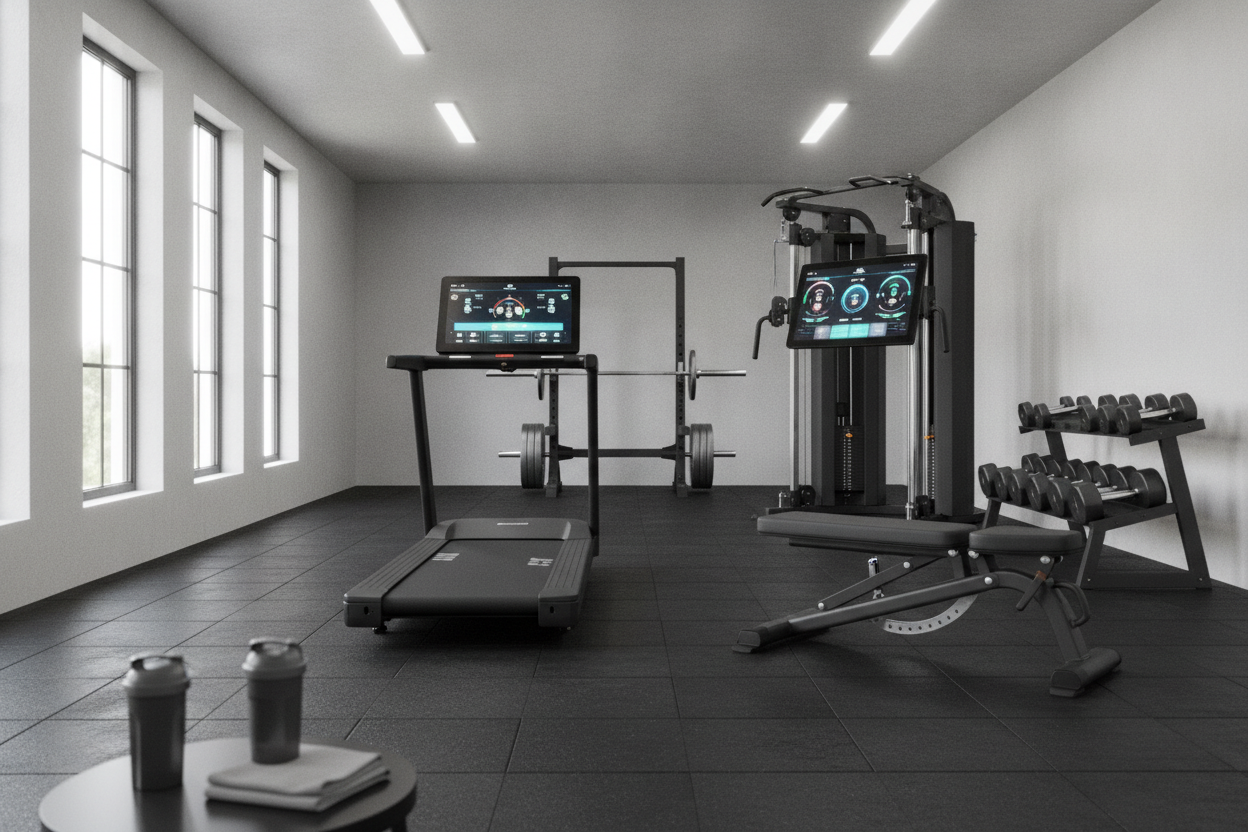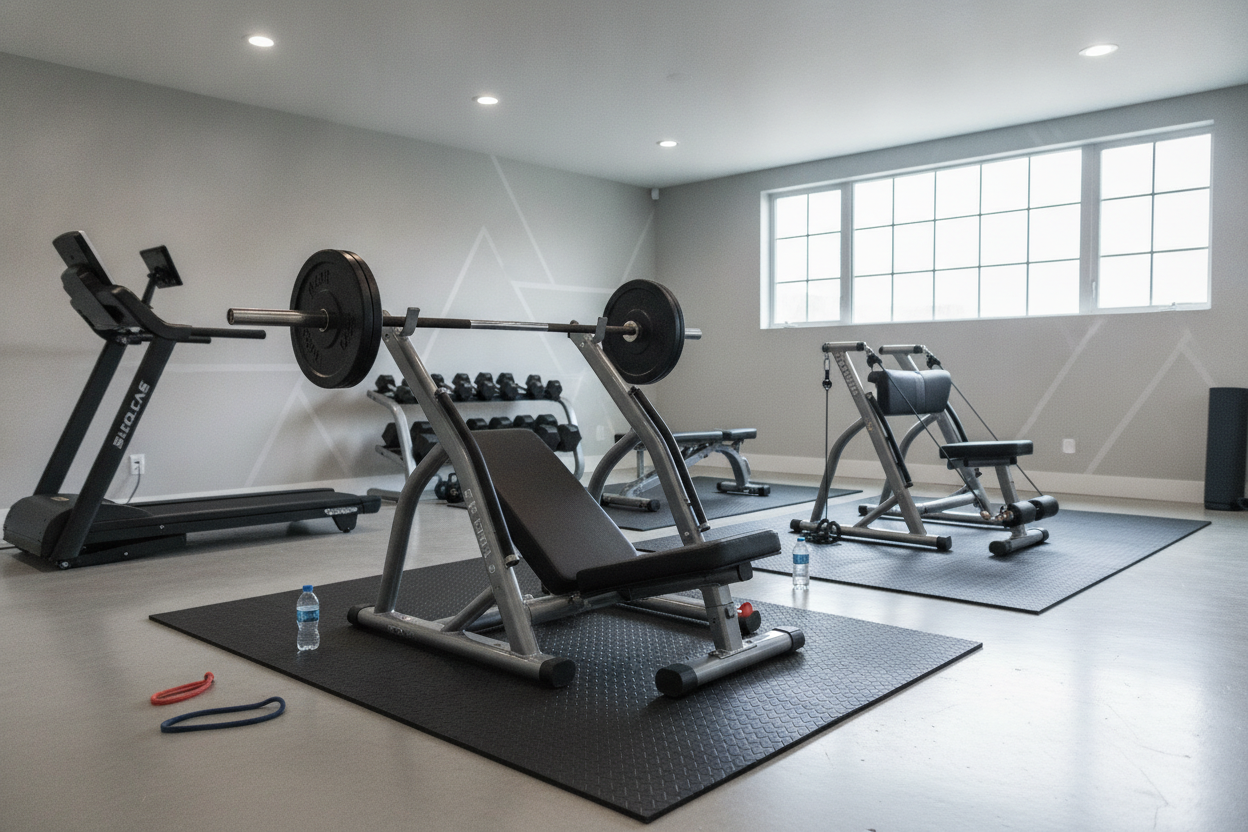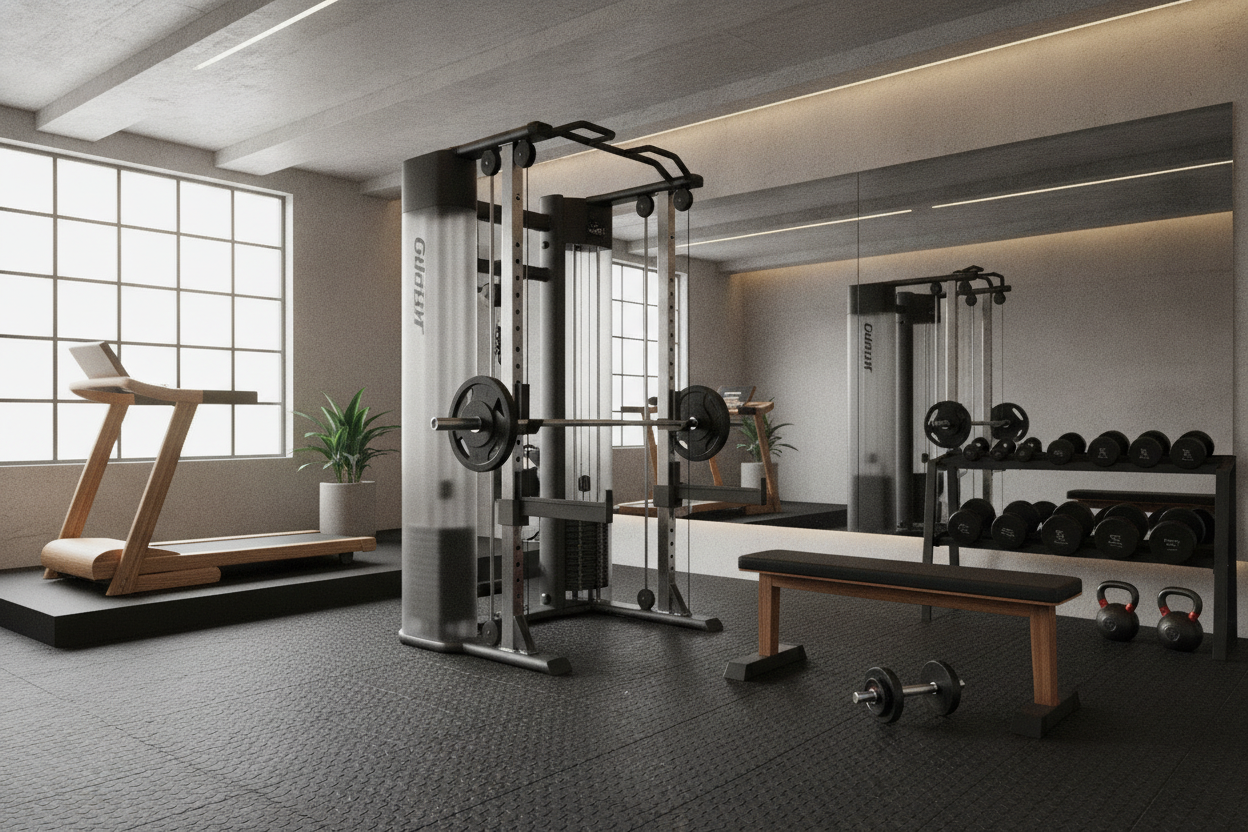
Why I Finally Caved and Bought a Fitness Machine for Home
I spent a decade being the guy who sneered at anything with a cable. In my mind, if it wasn't a 45-pound iron plate or a knurled barbell, it didn't belong in a serious garage gym. I lived for the big three, ignored isolation work, and treated my body like a forklift. But after my third bout of golfer's elbow and a lower back that felt like it was fused with rust every morning, I realized my 'hardcore' approach was actually just stubbornness. I finally caved and bought a fitness machine for home use, and honestly, I should have done it three years ago.
Quick Takeaways
- Isolation work is the missing link for joint longevity in a home gym.
- Avoid any home fitness machine that relies on 'proprietary' elastic resistance.
- Floor space is your most valuable currency; spend it on strength, not cardio.
- A plate-loaded pulley system offers the best bang-for-buck for most residential setups.
I Used to Hate the Idea of an Exercise Machine at Home
For the purist, a house fitness equipment purchase feels like an admission of defeat. You think you're going soft. You tell yourself that if you can't build a massive back with just pull-ups and rows, you aren't trying hard enough. But here is the reality: your joints don't care about your ego. Heavy compound lifts are incredible for building raw strength, but they are also incredibly demanding on your central nervous system and your connective tissue.
I hit a wall where my squat was stalled because my lower back was too fried to support the load, even though my legs had more to give. That is when the lightbulb went off. I needed a way to hammer my quads without compressing my spine for the tenth time that week. Replicating a leg press or a true functional cable fly with just dumbbells is an exercise in frustration. You end up with awkward setups that take ten minutes to rig and thirty seconds to execute. Realizing that a dedicated exercise machine at home could actually help my barbell numbers—not hurt them—changed everything for my training longevity.
My 3 Non-Negotiable Rules for Buying a Fitness Machine for Home
Once I decided to buy, I almost fell into the trap of buying the first cheap thing I saw on a late-night scroll. Most at home fitness machines are designed for people who want a clothes hanger, not people who actually train. If you want something that survives more than a month of heavy use, you have to look at the specs like a mechanic, not a consumer.
Rule 1: Real Pulleys Over Cheap Elastic Resistance
If you see a machine to workout that uses 'power rods' or thick rubber bands as the primary resistance, keep scrolling. Those systems have a variable resistance curve that feels like garbage—there is no tension at the start of the move and a sudden snap at the end. I look for actual plate-loaded systems or heavy-duty selectorized stacks. A solid indoor gym machine should have aircraft-grade cables and aluminum or high-grade nylon pulleys with actual bearings. If the movement isn't smooth when the machine is empty, it's going to feel like a grinding mess once you put 100 pounds on it.
Rule 2: It Must Solve a Specific Biomechanical Problem
Don't buy a 'total body' home training machine that claims to do 50 exercises. Usually, those machines do 48 of those exercises poorly. Instead, look for a sport machine for home that fills a gap your barbell can't touch. For me, that was the cable crossover and the lat pulldown. These movements allow for constant tension throughout the entire range of motion, something gravity-dependent free weights simply cannot provide. When you are Adapting Gym Exercise at Home: The Machine Translation Guide is a great resource for figuring out which machine movements actually translate to the strength gains you're after.
Strength vs. Cardio: Defending Your Floor Space
Most people waste their first 15 square feet of gym space on a treadmill. Unless you live in a place where it snows nine months a year, that is a massive mistake. Indoor workout machines should be chosen based on their versatility and their ability to provide a stimulus you can't get elsewhere. A high-quality functional trainer or a compact leg press/hack squat combo provides a much better return on investment for hypertrophy than a residential exercise equipment piece like an elliptical.
I've found that strength-focused indoor fitness machines keep people more engaged than cardio units. It is much easier to get motivated for a heavy set of cable rows than it is to stare at a wall for 45 minutes on a stationary bike. If you are tight on space, look for a gym fitness system that mounts to your existing power rack. Several companies now make cable attachments that utilize your rack's uprights, giving you the benefit of a full machine without losing a single inch of floor space. Remember, The Best At Home Exercise Machine Probably Isn't a Treadmill if your goal is building a physique that actually moves well.
The Verdict: Is Adding an Indoor Gym Machine Actually Worth It?
After six months with a dedicated cable tower in my garage, the results are clear. My joints feel better, my 'accessory' muscles are actually growing, and I'm not spending half my workout time trying to balance a dumbbell on my foot for leg curls. Is it a financial investment? Yes. A decent home exercise machine will set you back anywhere from $500 to $2,000 depending on the weight stack. But when you factor in the saved time and the reduced injury risk, it pays for itself.
The biggest mistake I made was waiting so long because I wanted to keep my 'hardcore' badge. Don't be that guy. If you have the space for new home fitness equipment, prioritize a piece that offers smooth, consistent resistance. Whether it's a dedicated lat tower or a functional trainer, the ability to isolate a muscle and take it to failure without worrying about a barbell crushing your windpipe is worth every penny.
FAQ
Do I need a 1:1 or 2:1 pulley ratio?
A 1:1 ratio means 100 lbs on the stack feels like 100 lbs. A 2:1 ratio (common in functional trainers) feels like 50 lbs but gives you more cable travel. For heavy lifting, go 1:1. For rehab and high-rep work, 2:1 is smoother.
Are automatic exercise machines worth the extra cost?
Usually, no. 'Automatic' or motorized resistance units often have software bugs and require a subscription. Stick to iron and cables; they don't need a firmware update to help you get a pump.
What is the minimum ceiling height for a lat pulldown machine?
Most standard towers require at least 82 to 84 inches. Always measure your ceiling and factor in an extra couple of inches for the pulley assembly at the top so you aren't hitting the drywall on every rep.