The Hidden Costs of Adding Thrust Machines to a Home Gym
I spent twenty minutes yesterday chasing a 45-pound plate across my garage floor because my barbell wasn't level on the floor. If you have ever tried to shimmy under a heavy bar with a foam pad that keeps slipping while your bench slides backward, you know the struggle. It is exactly why thrust machines are suddenly the most searched item for home gym owners who are tired of the setup circus.
Quick Takeaways
- Footprint: Expect to lose about 15 to 20 square feet of floor space.
- Build Quality: 11-gauge steel is the gold standard; avoid anything thinner for heavy lifting.
- Pivot Points: Sealed bearings beat plastic bushings every single day for smoothness.
- Value: Massive time-saver, but a luxury for most small garage setups.
Why Everyone Is Suddenly Shopping for Glute Machines
Let's be real: barbell hip thrusts are a logistical nightmare. You need a bench, a bar, plates, a specialized pad, and usually a pair of heavy dumbbells to block the bench from sliding. By the time you are actually ready to lift, you have burned ten minutes and half your energy. This friction is why so many people are hunting for a hip thrust machine for sale.
A dedicated machine removes the barrier to entry. You sit down, strap in, and work. No more bruised hip bones or chasing rolling bars. If you are serious about lower body volume, the convenience of a fixed unit usually outweighs the cost of the steel.
What Actually Drives the Hip Thrust Machine Price?
When you look at the hip thrust machine price range, you will see everything from $400 to $3,000. That gap isn't just branding. It comes down to the weight of the steel and the quality of the movement arm. A commercial-grade unit uses 11-gauge steel that won't wobble when you're locked in at the top of a rep.
The hidden cost is often in the bearings. Budget machines use cheap bolts or plastic sleeves that create a jerky, 'catchy' feeling during the eccentric phase. High-end machines use industrial pillow block bearings. You want a smooth arc, not a machine that feels like it is fighting you on every inch of the lift.
Red Flags on a Glute Bridge Machine for Sale
If you find a cheap glute bridge machine for sale that looks too good to be true, check the back pad and the belt. A stationary back pad is a red flag; it should pivot to follow the natural curvature of your spine. If it's fixed, you're going to feel a lot of unwanted shearing force in your lumbar spine.
Poor geometry is the ultimate dealbreaker. Many budget brands copy the look of a machine without understanding the leverage. A poorly designed unit ruins hip thrust machine setups for pure glute growth because the resistance curve is heaviest at the bottom rather than the top where the glutes are most active.
The Garage Gym Space Test: Do You Have the Room?
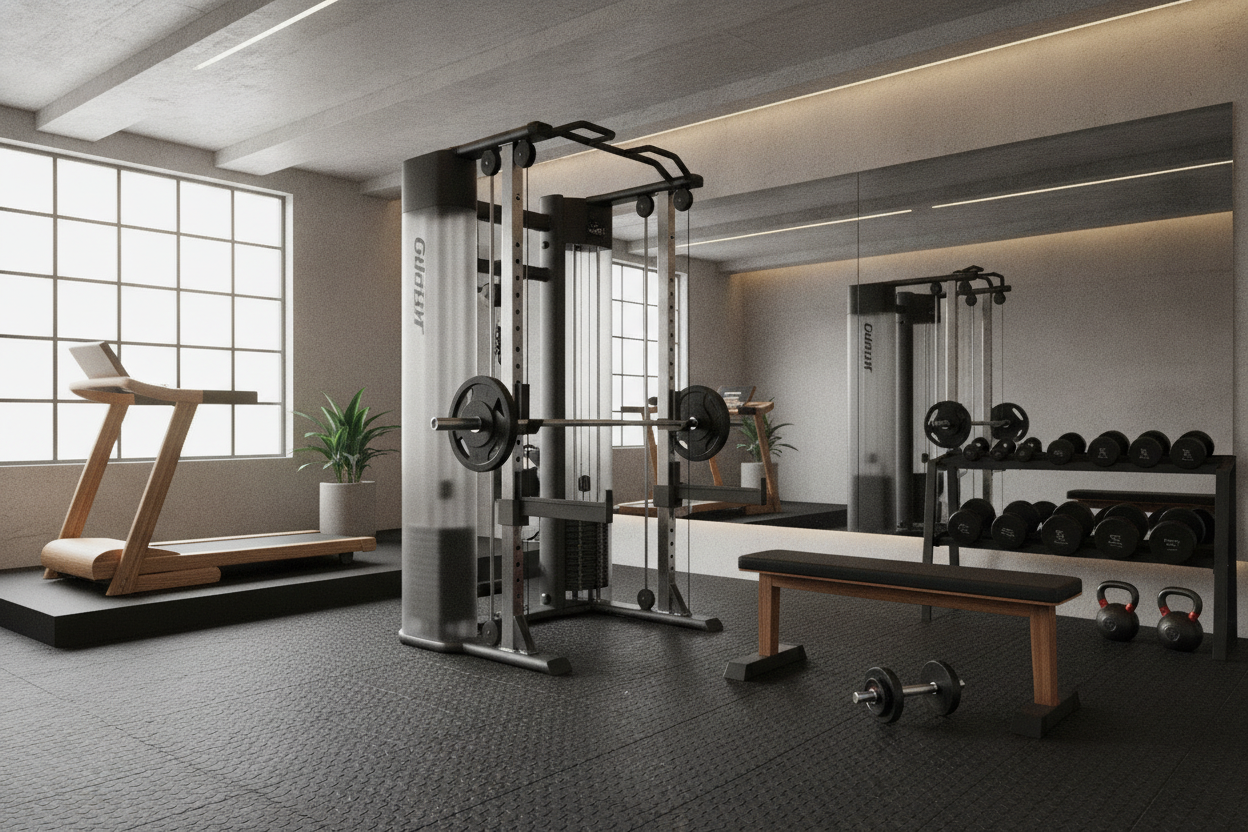
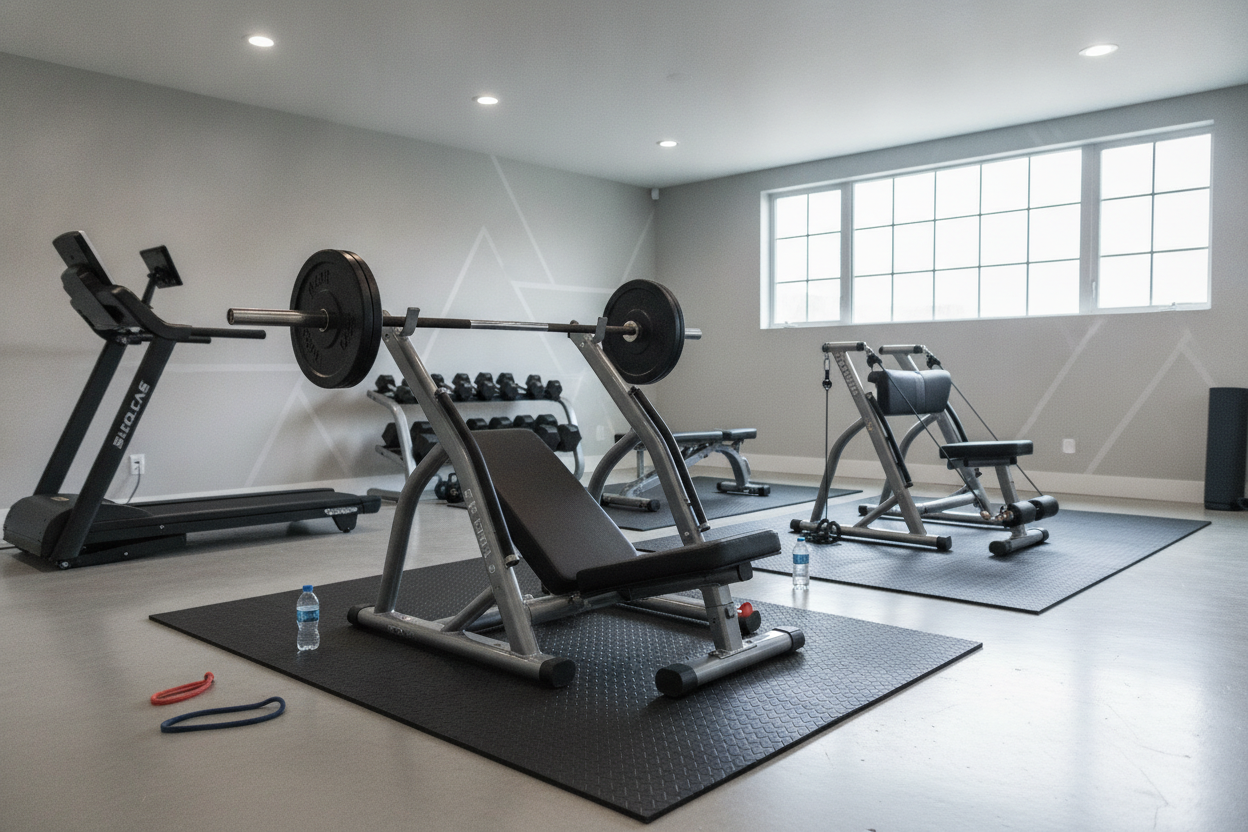
Before you commit, pull out the masking tape. Most thrust machines require a footprint of at least 5 feet by 4 feet. In a standard two-car garage, that is a massive chunk of real estate. You have to be honest about whether a single-use leg machine justifies the loss of space where a power rack or functional trainer could sit.
I have seen guys buy these only to realize they can't park their car or even walk around their lifting platform anymore. If you are training in a 10x10 shed, this machine is probably a space-waster. If you have a dedicated commercial-sized garage, it is the centerpiece of leg day.
Before You Buy: The Best Alternatives to Standalone Units
If you aren't ready to buy hip thrust machine units that weigh 200 pounds, there are smarter ways to get the work in. A dedicated hip thrust bench is a solid middle ground. It provides a stable, non-slip back target without the massive steel frame of a plate-loaded machine.
Another veteran move is the Smith machine hip thrust. If you already own a Smith machine or a half-rack with a Smith attachment, you have 90% of the benefits of a dedicated thrust machine. The fixed path allows you to focus on the mind-muscle connection without the stability tax of a free barbell.
Final Verdict: Should You Pull the Trigger?
If you have a multi-car garage and you never skip a glute session, a dedicated machine is a fantastic investment. The time you save on setup alone will likely lead to more consistent training. However, if you are working with limited square footage, stick to a specialized bench or a Smith machine setup.
I personally bought a budget-tier machine three years ago and regretted it within a month. The frame flexed under anything over three plates, and the belt felt like it was sawing me in half. If you are going to do it, save up for a unit with a pivoting back pad and a heavy-duty oversized footplate.
FAQ
How much weight can a home thrust machine hold?
Most entry-level machines are rated for 300 to 500 pounds. Commercial units can easily handle over 800 pounds. Always check the peg length to ensure your plates will actually fit.
Do I need special plates for these machines?
No, standard Olympic iron or bumper plates work fine. However, since the weight pegs are usually lower to the ground, smaller iron plates are often easier to load than bulky bumpers.
Is a belt or a padded bar better on a machine?
A thick, padded belt is generally superior for comfort and security. It distributes the load across your hips more evenly than a hard padded bar, which can still cause bruising at high intensities.