Why I Dumped Isolation Work for Heavy Multi Joint Exercises
I spent years in my garage chasing a pump with 20-pound dumbbells and cable attachments that felt like they were held together by hope and WD-40. I’d finish a 60-minute session with a decent arm swell, but my actual strength hadn't budged in months. It wasn't until I stripped the fluff and focused exclusively on heavy multi joint exercises that my physique actually started to look like I lived in a weight room.
Quick Takeaways
- Compound movements trigger a systemic response that isolation work can't touch.
- Prioritize movements that cross two or more joints to maximize mechanical tension.
- Heavy lifting forces the central nervous system to adapt, leading to denser muscle.
- Garage gym efficiency depends on high-ROI lifts like squats, presses, and rows.
The Problem with Chasing the Pump at Home
Most garage gym lifters have limited time and even more limited space. If you’re spending 15 minutes on tricep kickbacks and another 10 on concentration curls, you’re burning daylight. These single-joint movements are fine for bodybuilders on a cocktail of 'supplements,' but for the rest of us, they lack the systemic load needed to force real change.
When you perform a multi-joint exercise, you’re loading the entire skeleton. Your body doesn't see a 'bicep workout'—it sees a survival threat. That systemic stress is what triggers the hormonal environment necessary for growth. If you aren't shaking a little after a set, you probably aren't moving enough weight to matter.
What Actually Counts as a Multi-Joint Exercise?
A multi-joint movement is exactly what it sounds like: an exercise where more than one joint is working to move the load. Think of a squat. You’ve got the ankles, knees, and hips all firing in unison. Compare that to a leg extension where only the knee is moving. The squat allows you to move five times the weight, which translates to five times the mechanical tension on your frame.
These are the true compound lifts. We are talking about the 'Big Five': Squats, Deadlifts, Overhead Presses, Bench Presses, and Rows. By recruiting massive amounts of muscle fiber simultaneously, you create a structural demand that forces your body to thicken the tendons and increase bone density. It’s the difference between looking 'puffy' and looking 'hard.'
The Neurological Cheat Code of Multi-Joint Movements
The real magic of multi joint exercise workouts isn't just in the muscles; it’s in the nerves. Your Central Nervous System (CNS) is the motherboard that runs the show. When you put 300 pounds on your back, your CNS has to recruit every available motor unit to keep you from folding like a lawn chair. This 'CNS tax' is actually a feature, not a bug.
By regularly hitting multijoint lifts, you improve your body's ability to fire muscles in sync. This is called intermuscular coordination. You get stronger not just because the muscle grew, but because your brain got better at using the muscle you already have. This leads to rapid strength gains that isolation-heavy programs simply can't replicate.
Building Brutal Multi Joint Upper Body Exercises
You don't need a 12-station cable jungle to build a massive torso. In fact, the best multi joint upper body exercises are usually the simplest. My go-to list includes the standing overhead press, weighted dips, and the classic barbell row. These movements require a stable core and a death grip, hitting the shoulders, chest, and back in a single sweep.
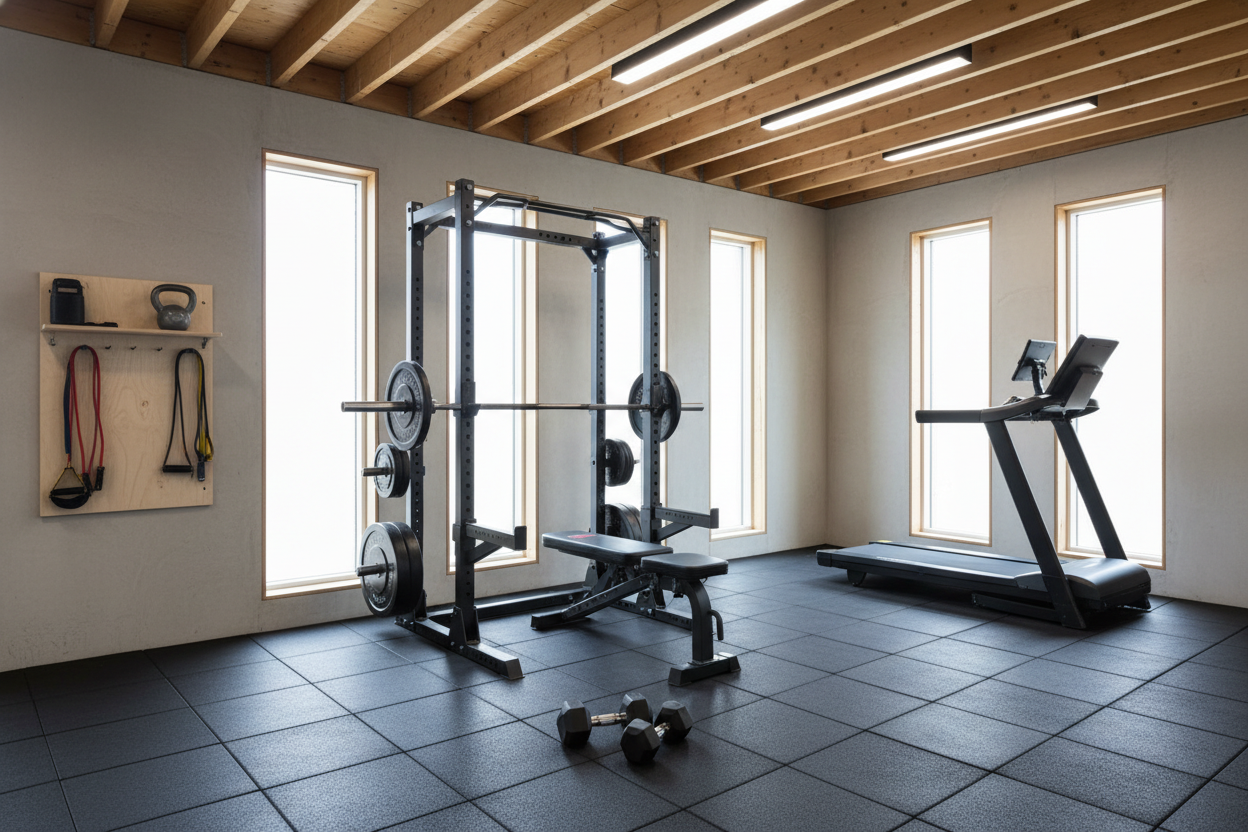
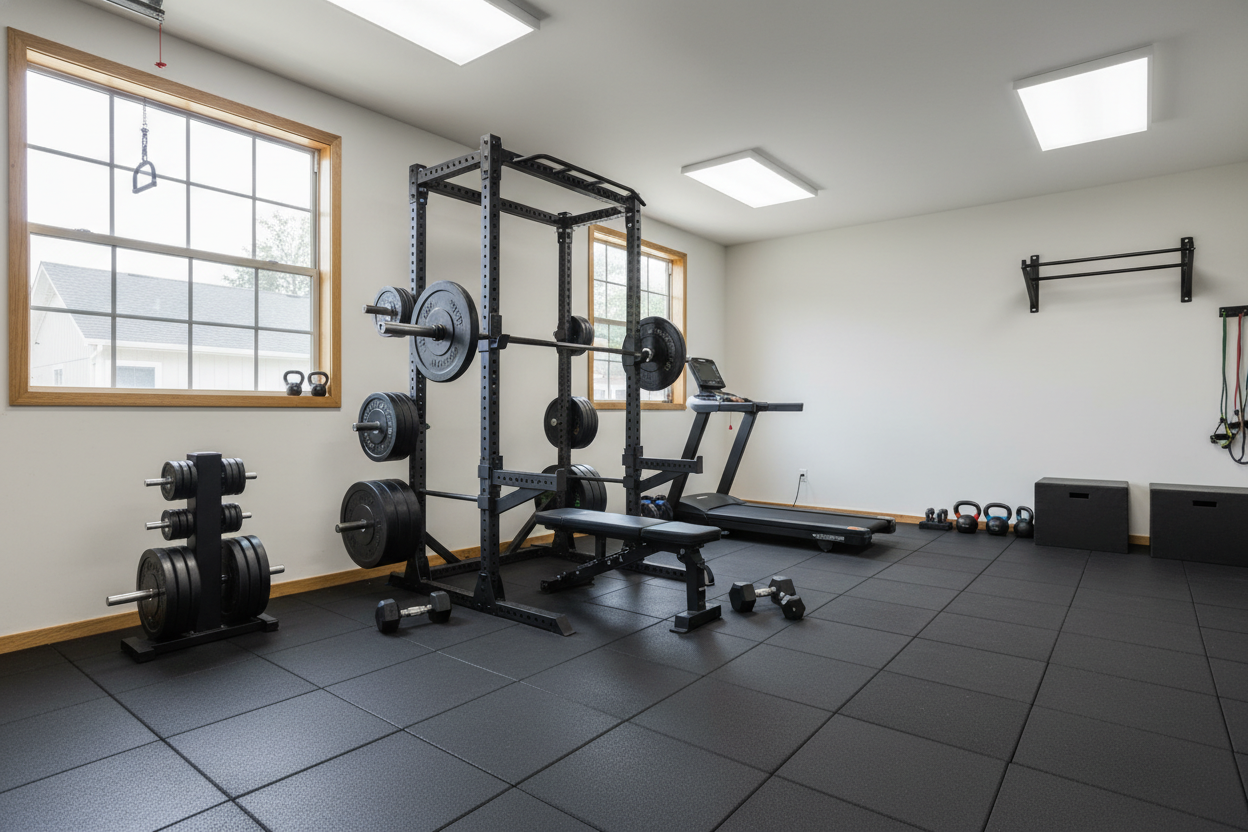
If you’re tight on space, a solid power rack and a barbell are your best friends. I’ve found that focusing on a heavy overhead press does more for my triceps than any amount of cable pushdowns ever did. When you’re pressing 155 lbs over your head, your triceps are screaming just to keep the bar stable. That’s the kind of 'passive' growth that builds a rugged physique without the fluff.
Structuring Multi Joint Workouts Without Frying Your CNS
The downside to multi joint workouts is that they are exhausting. If you try to max out your deadlift three times a week, you’ll be a walking zombie by Friday. The key is to sequence your lifts so you hit the heaviest, most demanding movement first when your energy is highest. I typically stick to a 3-day or 4-day split to allow for full recovery.
Many lifters ask if they need a Multi Exercise Machine Explained Is It Worth The Space to get the variety they need. Honestly? Most of the time, no. A barbell and a rack cover 90% of your needs. If you do add a machine, make sure it allows for compound movements like a lat pulldown or a leg press rather than just isolation stations.
Floor Work: Protecting Your Joints and Gear
When you commit to multi joint exercise workouts, you’re going to be moving some serious weight. Your standard garage concrete isn't built for the impact of a 400-pound deadlift or a missed power clean. I learned this the hard way when I cracked a slab in my first rental house. It’s an expensive mistake that’s easily avoided.
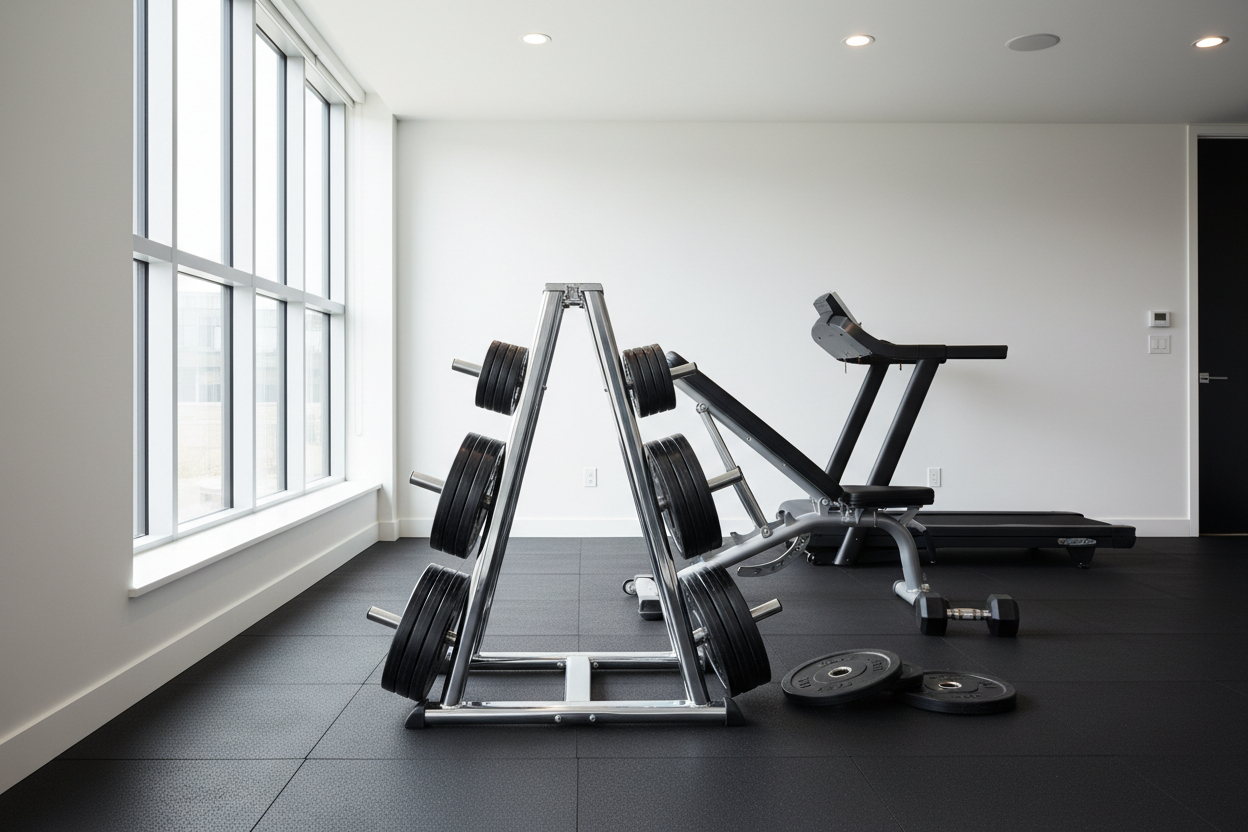
You need a dedicated lifting area. I recommend laying down a Large Exercise Mat 6X4 or building a DIY lifting platform with horse stall mats. This provides a consistent, grippy surface for your feet and a protective layer for your plates and floor. If you’re pulling heavy, that extra half-inch of rubber is the only thing standing between you and a very angry landlord or a foundation repair bill.
My Personal Experience
I used to be a 'volume junkie.' I’d do five different types of curls and three different lateral raises. My workouts took two hours, and I felt like I was spinning my wheels. I finally cut the crap and moved to a 'minimalist' compound-only routine for six months. I dropped the fluff and only did five lifts. My body weight stayed the same, but my waist got smaller, my shoulders got wider, and my squat went up by 80 pounds. The biggest mistake I made was thinking I needed 'variety' to grow. I didn't need variety; I needed intensity and a heavy barbell.
FAQ
Can I build big arms with only multi joint exercises?
Absolutely. Heavy rows and weighted pull-ups are superior for bicep thickness, while overhead presses and dips will build triceps that actually fill out a sleeve. You might not get the 'peak' of a concentrated curl, but you'll get the mass.
Are multi joint movements safe for beginners?
They are safer than machines in the long run because they teach your body to move as a single unit. The key is starting with a light PVC pipe or an empty bar to nail the mechanics before adding plates. Form is your armor.
How often should I change my routine?
Don't change the exercises; change the load. You can run the same five multi-joint movements for years. As long as you are adding weight, reps, or decreasing rest time, your body has no choice but to adapt and grow.