Why I Ditched the Spreadsheets for Strength and Nutrition
I remember sitting in my garage at 10 PM, staring at a Tupperware container of cold, unseasoned tilapia and three stalks of asparagus. I was trying to follow a pro bodybuilder's cutting plan while simultaneously trying to hit a 405-lb squat. It was a disaster. My energy was gone, my joints felt like they were filled with sand, and I was failing reps I should have hit for triples.
That was the moment I realized strength and nutrition shouldn't feel like a second job. If you're training in a garage gym to move heavy iron, you can't eat like someone prepping for a spray tan and a stage show. You need fuel, not a math problem. When I stopped obsessing over being shredded and started eating for performance, my bench finally moved past that 275-lb plateau.
Quick Takeaways
- Prioritize recovery and joint health over a six-pack.
- Carbohydrates are your best friend for high-intensity barbell sessions.
- Stop tracking every gram; focus on protein minimums and total energy.
- Invest in high-quality gear instead of expensive, unproven supplements.
You Are Training for Power, Not a Stage Show
Most of the advice you find online is written for people who want to look good in a mirror, not people who want to move a 500-lb deadlift. There is a massive difference. When you're chasing raw power, your body needs a surplus of resources to repair the micro-trauma caused by heavy triples and five-by-fives. Finding your strength in nutrition means you stop viewing food as an enemy to be restricted and start seeing it as the literal brick and mortar for your muscle mass.
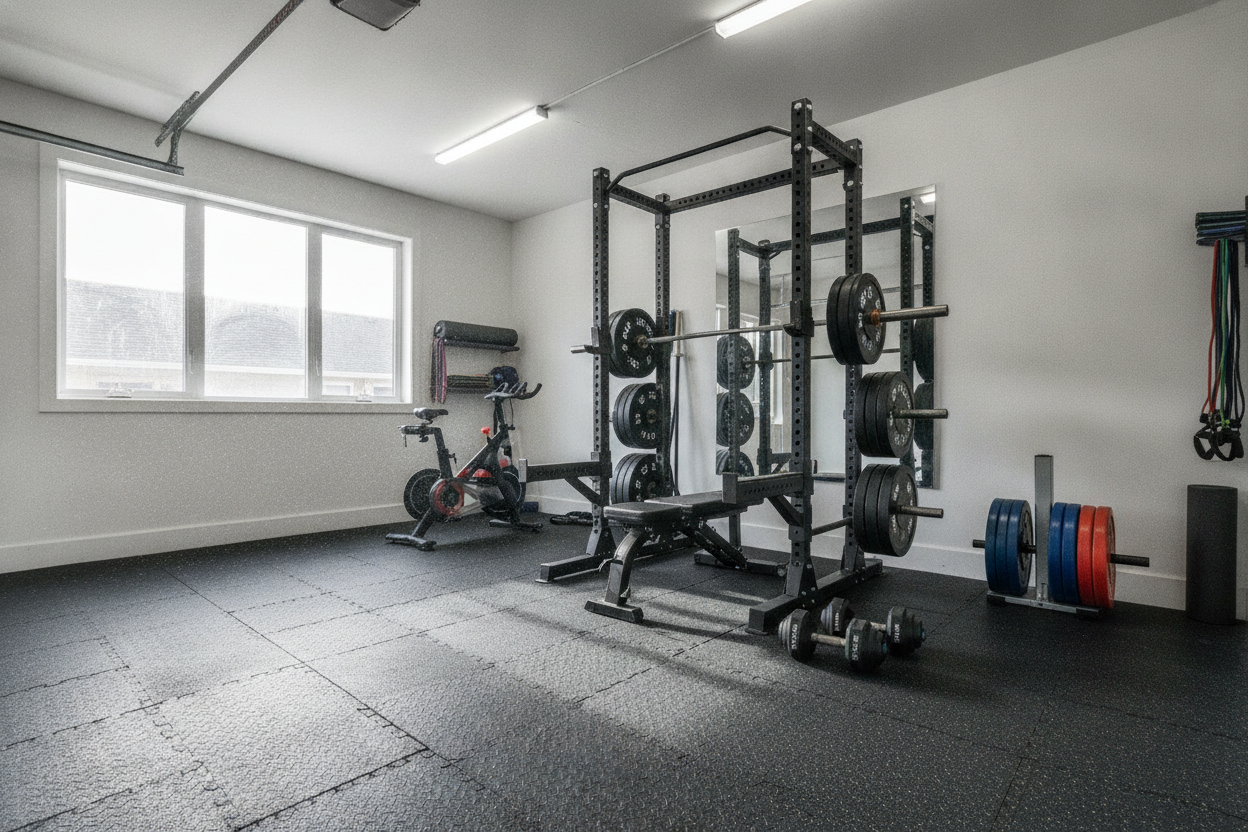
If you're constantly in a calorie deficit because you're afraid of losing your abs, your central nervous system (CNS) is going to pay the price. I've seen it a hundred times: a guy buys a beautiful 3x3 rack and a 20kg competition bar, then tries to fuel his sessions on 1,800 calories. Within three weeks, his sleep is ruined and his motivation is dead. You need to eat to support your output. This means prioritizing calorie-dense foods that keep your glycogen stores full and your joints lubricated.
Real strength nutrition is about longevity. It's about having enough fat in your diet to keep your hormones balanced and enough protein to ensure your tendons aren't being cannibalized for energy. If you're more worried about a minor fluctuation on the scale than the bar speed on your top set, your priorities are backward.
The Absurdity of the Modern Macro Obsession
We’ve reached a point where people spend more time on their tracking apps than they do on the platform. I used to be that guy, weighing out 150 grams of white rice like I was a chemist. It’s exhausting. That mental fatigue is real, and it bleeds into your training. By the time I got to the gym, I was already burnt out from trying to make my daily pie chart look perfect. If you're constantly reading a strength training nutrition 101 pdf just to figure out if you can have a slice of bread, you're overthinking it.
The fitness industry wants you to believe that if you miss your protein window by ten minutes or eat 5 grams too much fat, you've failed. It’s nonsense. For a home gym owner, the goal is consistency over months and years, not perfection over 24 hours. Most of those downloadable guides are just recycled bodybuilding templates that don't account for the sheer caloric demand of a heavy squat day. They overcomplicate the simple act of eating, making you feel like you need a degree in dietetics just to survive a linear progression program.
I stopped tracking everything and started focusing on 'performance markers.' Am I hitting my reps? Do I feel explosive? Am I waking up refreshed? If the answer is no, I eat more. Usually, it's that simple. We need to get back to the basics of strength nutrition: eat enough to grow, eat enough to move, and stop letting an app tell you how hungry you are.
Three Non-Negotiable Rules for Fueling Heavy Lifts
If you want to simplify things, follow these three rules. First, hit your protein floor. You don't need 2 grams per pound of body weight, but you do need a solid base. Aim for roughly 0.8 to 1 gram per pound. Don't stress if you're a little over or under one day. Just make sure there’s a high-quality protein source at every meal—beef, eggs, chicken, or Greek yogurt. It provides the amino acids your body needs to rebuild after you've spent an hour trying to crush your spine under a barbell.
Second, time your carbs around your work. I used to try low-carb diets because they were trendy. My workouts felt like moving through molasses. Now, I eat a massive bowl of oatmeal or cream of rice an hour before I hit the garage. Carbs are the high-octane fuel for your glycolytic system. If you're doing heavy sets of five, you need that glucose. Post-workout, hit the carbs again to kickstart recovery. This isn't 'cheating'; it's strategic fueling for strength nutrition.
Third, hydration is the most underrated performance enhancer. Most 'pre-workout' powders are just caffeine and cheap fillers. If you're even 2% dehydrated, your strength can drop by 10%. I drink a liter of water with a pinch of sea salt before I even touch the bar. It keeps the muscle pumps real and prevents those mid-set cramps that happen when you're grinding out a heavy set of deadlifts in a 90-degree garage.
Stop Buying Supplements and Upgrade Your Gear
I see guys spending $200 a month on BCAAs, fat burners, and 'test boosters' that do absolutely nothing. If you took that same money and invested it in strength training accessories, you’d actually see a return on your investment. A high-quality 10mm or 13mm lever belt will do more for your bracing and your 1RM than any tub of creatine-flavored fairy dust ever will.
Think about the ROI. A pair of stiff knee sleeves or some heavy-duty wrist wraps will last you years and provide tangible support for your joints. Supplements literally go down the toilet. I’m not saying all supplements are bad—protein powder and creatine have their place—but they are the 1% of the equation. The other 99% is your food, your sleep, and the tools you use to move the weight. If your belt is a cheap velcro strip from a big-box store, stop buying pre-workout and buy a real leather belt.
Does Your Equipment Match Your New Fuel Source?
When you finally start eating enough to support real growth, something funny happens: you get strong. Fast. That budget-friendly barbell you bought when you started might have a 500-lb capacity, but once you start loading 4 plates a side, you’ll notice it starts to whip and oscillate in ways that feel unsafe. Or maybe your squat stand starts to wobble when you re-rack a heavy triple.
As your strength nutrition fuels new PRs, you need to ensure your strength equipment is up to the task. Upgrading to a power rack with 3x3-inch 11-gauge steel uprights or a barbell with a higher tensile strength (200,000 PSI+) isn't just about vanity; it's about safety. If you're fueling like a beast, you can't keep lifting on toys. Your gear should be as resilient as the muscles you're building.
Personal Experience: The Bagel That Saved My Squat
A few years ago, I was stuck at a 495-lb deadlift. I was 'cutting' and felt like garbage. Every time the bar left the floor, my vision went blurry. One Saturday, I got fed up. I went to the local deli, grabbed two oversized bagels with thick cream cheese, and crushed them an hour before my session. I pulled 500 lbs for a double that day. It wasn't magic; it was just finally giving my body the glycogen it was screaming for. The lesson? You can't fire a cannon from a canoe, and you can't pull heavy weight on an empty tank.
FAQ
Do I need to track macros to get strong?
Not necessarily. Tracking can be a good tool to learn what's in your food, but for long-term strength, focusing on hitting protein minimums and eating enough total calories to support your training is usually sufficient.
What is the best pre-workout meal for strength?
Keep it simple: easily digestible carbs and some lean protein. A bagel with honey, oatmeal with a scoop of protein, or even a large banana and some Greek yogurt. Avoid high-fat meals right before lifting as they can make you feel sluggish.
Should I take BCAAs?
Save your money. If you're eating enough protein from whole food sources, you're already getting all the branched-chain amino acids you need. Spend that money on a better lifting belt or more plates instead.