Stop Doing 15 Reps: The Reality of Strength Training for Mass
I spent three years chasing the 'pump' in my garage, hitting sets of 15 until my lungs burned and my muscles felt like they were vibrating. I looked decent in the mirror for about twenty minutes post-workout, but the second the blood flow normalized, I realized I hadn't actually added any real tissue. I was just tired. If you want to stop looking like you just do cardio and start looking like you actually lift, you need to prioritize strength training for mass.
- Heavy mechanical tension builds denser muscle than high-rep fatigue.
- Compound lifts should always be the 'main course' of your workout.
- Strength is the foundation that allows you to use more weight during hypertrophy sets.
- Don't fear the low-rep range; sets of 3-5 are your best friend for growth.
The Big Lie About Hypertrophy vs. Power
The fitness industry loves to put things in neat little boxes. They tell you that 1-5 reps is for strength, 8-12 is for size, and 15+ is for endurance. It’s a clean narrative, but it’s mostly garbage. Your muscles don't have a calculator. They respond to stress and tension. When you move something truly heavy, you recruit the high-threshold motor units that have the most potential for growth.
By ignoring the lower rep ranges, you’re leaving gains on the table. Think about the thickest, most muscular guys you know. I bet they aren't just doing cable flys. They’re usually the ones who can walk up to a bar and move three plates without a second thought. Heavy weight builds a specific kind of 'dense' look that high-rep fluff work simply can't replicate.
Why Mechanical Tension is Your Best Friend
There are two main ways to grow: metabolic stress (the pump) and mechanical tension (the weight). While both matter, tension is the primary driver of actual muscle fiber growth. When I stopped chasing the burn and started focusing on the load, I finally built strength training muscle mass that actually stayed with me on my off days.
Putting heavy weight on the bar forces your body to adapt. It’s a survival mechanism. Your nervous system realizes the current hardware isn't enough to handle the software requirements, so it builds thicker, more resilient tissue. This isn't just about 'getting strong'; it's about forcing your body to become a bigger version of itself to survive the load.
The Problem with Just Chasing the Pump
Don't get me wrong, a pump feels great. But if you're only doing high-rep work, you're often hitting a wall of central nervous system (CNS) fatigue or lactic acid buildup before the muscle fibers are actually challenged. You end up 'cardio-lifting.' You’re out of breath and your muscles burn, but you haven't actually applied enough force to trigger significant growth.
How to Actually Program Training for Mass and Strength
The smartest way to handle training for mass and strength is a 'Powerbuilding' approach. You don't have to choose. You start your session with a heavy compound movement—squat, bench, deadlift, or overhead press. We're talking 3 to 5 sets in the 3-5 rep range. This is where you build the foundation and the thick tissue.
Once the heavy work is done, you move into your accessory work. This is where you can hit your 8-12 rep sets. The beauty of this is that because you've gotten stronger on the heavy lifts, your 'light' accessory weights are now heavier than they used to be. If your max bench goes from 225 to 315, your 'hypertrophy' sets of 185 are going to feel like a joke, allowing you to push 225 for reps instead. That is how you grow.
The Gear You Need to Make This Work
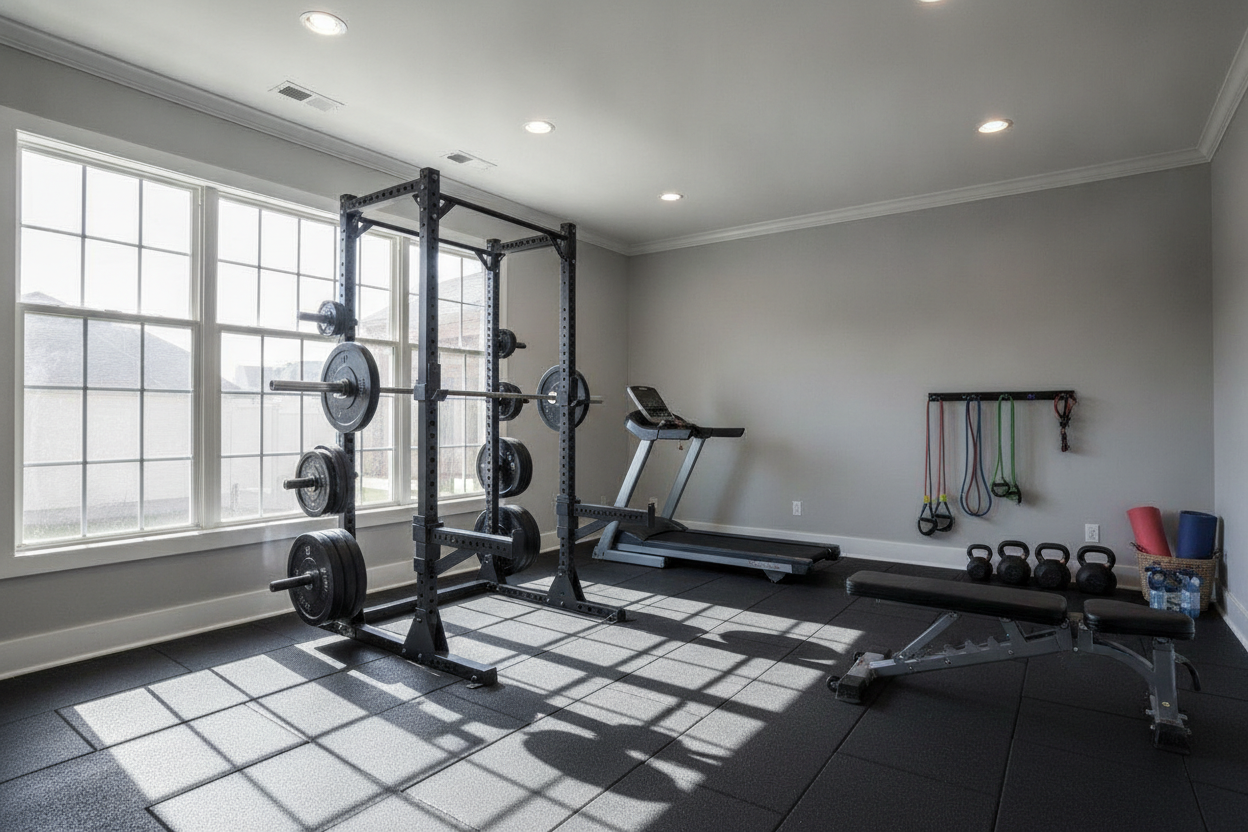
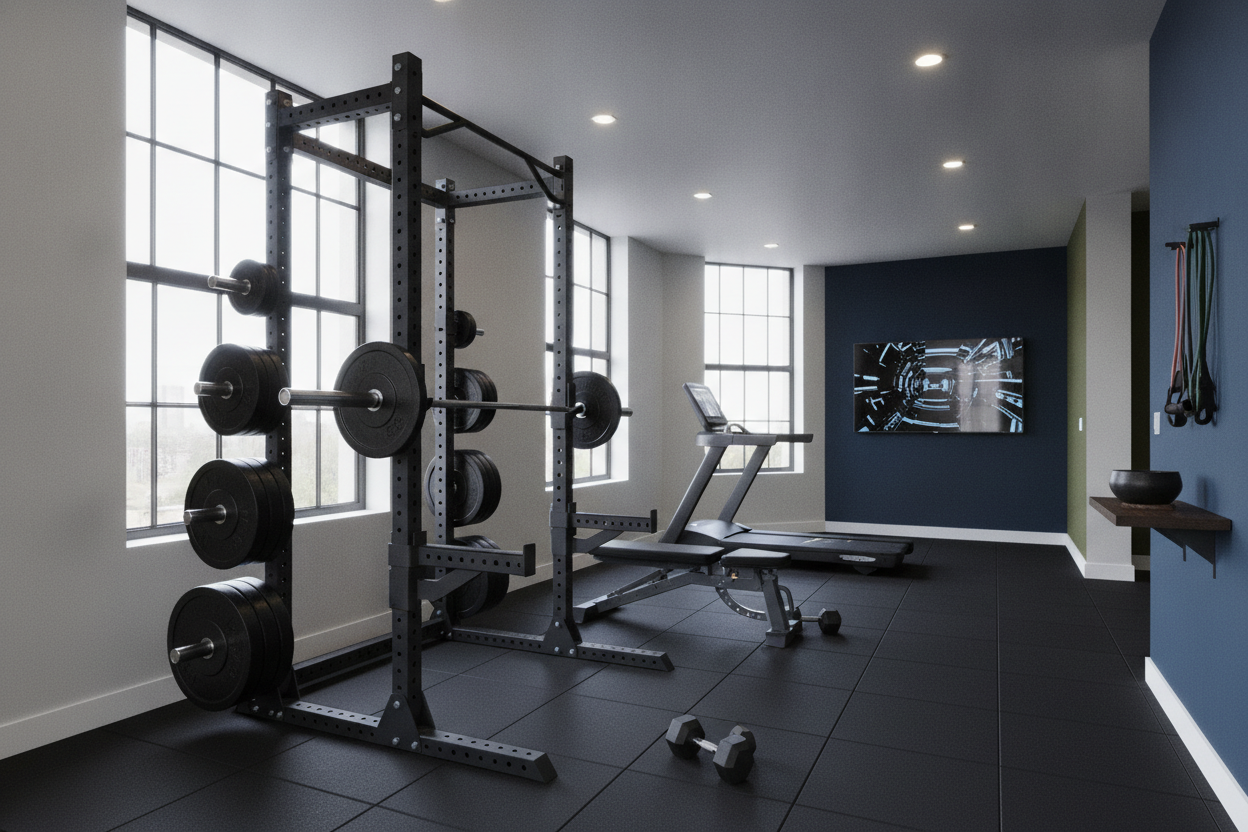
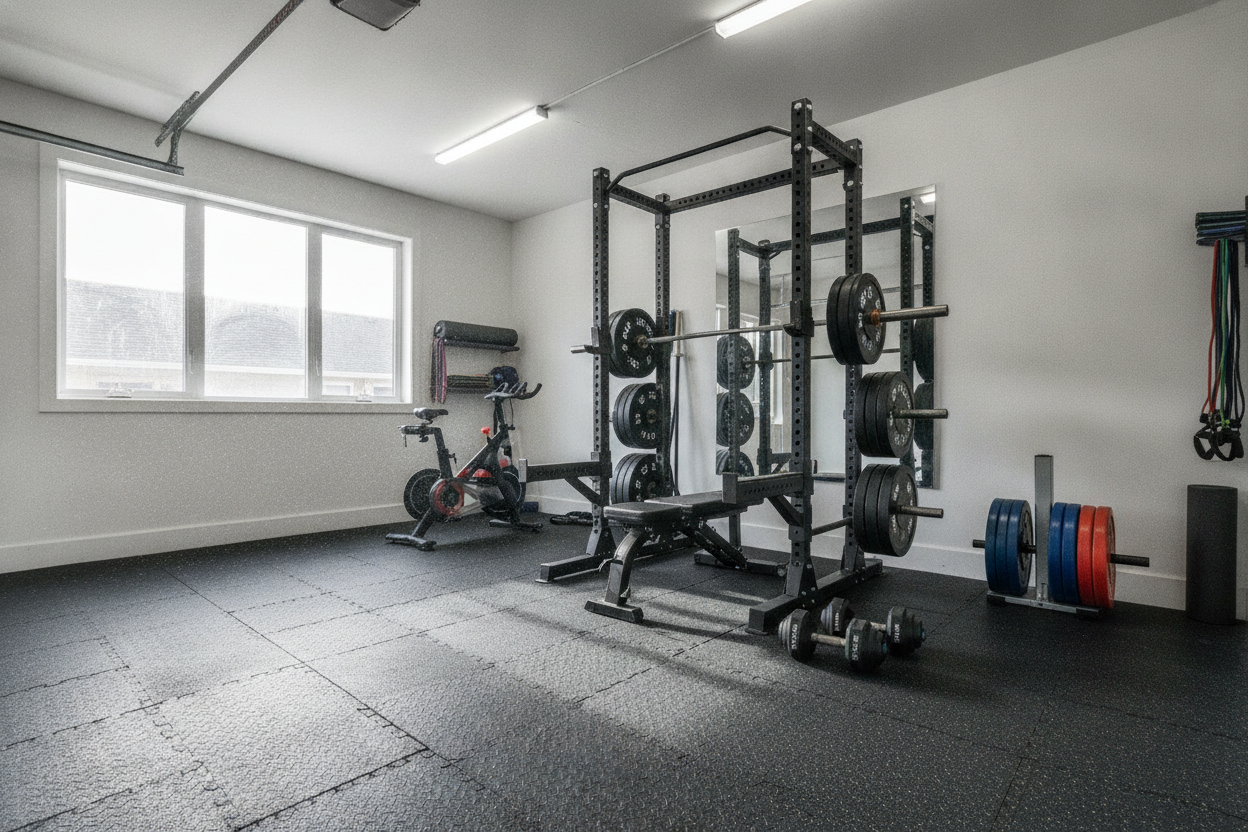
You can't do this with a flimsy Amazon rack that wobbles when you rack 135 pounds. To move serious weight safely in a garage, you need 11-gauge steel and a rack that’s bolted down or has a wide enough base to stay put. Investing in heavy-duty strength equipment isn't just about vanity; it's about not having a barbell collapse on your chest when you're grinding out a heavy triple.
When you're weight training equipment for your goals, look for 3x3 uprights and a high-quality barbell with decent knurling. If the bar is sliding in your hands because the knurling is smooth as a baby’s back, your grip will fail before your back or legs do. You need gear that matches your intensity.
A Zero-BS 3-Day Blueprint to Get Started
If you're tight on time but want results, run this split. It’s simple, it’s heavy, and it works. Just make sure you have the right strength training accessories like a solid leather belt or some chalk once the numbers start climbing.
- Day 1: The Push. Back Squats (5x5), Overhead Press (3x5), Dips (3x10), Tricep Extensions (3x12).
- Day 2: The Pull. Deadlifts (3x3), Weighted Pull-ups (3x5-8), Barbell Rows (4x10), Face Pulls (3x15).
- Day 3: The Foundation. Bench Press (5x5), Front Squats (3x8), Incline Dumbbell Press (3x10), Bicep Curls (3x12).
Personal Experience: The Noodle Rack Incident
When I first started my home gym, I bought a cheap, thin-walled rack from a big-box store. I thought, 'Steel is steel, right?' Wrong. The first time I tried to re-rack a heavy set of squats, the whole thing swayed about four inches to the left. It scared the life out of me. I ended up selling it for a loss and buying a real rack. Don't be like me. Buy the heavy stuff first so you can actually train without wondering if today is the day the rack gives up.
FAQ
Do I need to lift heavy every day?
No. Your CNS needs a break. Hit your heavy compounds at the start of the workout, then back off the intensity for your accessories. If you go 100% every single day, you'll burn out in a month.
Can I build mass with just 5 reps?
Absolutely. Some of the most massive human beings on earth (powerlifters and strongmen) rarely go above 5 reps on their main lifts. It builds 'functional' mass that is dense and powerful.
What if I don't have a spotter?
Get a rack with high-quality safety pins or flip-down safeties. Set them just below your lift's bottom range. I've 'failed' dozens of heavy bench presses alone in my garage, and the safeties saved my neck every single time.