Why I Ditched the 6-Day Split When Lifting Weights at 40
I remember waking up after a 'heavy' chest day and feeling like my shoulders were filled with crushed glass. It wasn't the good kind of muscle soreness; it was the dull, throbbing ache of a joint that had finally had enough. lifting weights at 40 isn't about being a hero in a local commercial gym; it's about being smart enough to stay in the game for the next three decades.
- Cut your weekly volume by at least 30% to prioritize recovery.
- Swap straight barbells for dumbbells or specialty bars to save your joints.
- Invest in high-quality safety equipment for solo garage sessions.
- Focus on intensity over the total number of sets.
The Wake-Up Call: Why Your Old Routine Hurts Now
At 22, I could survive on four hours of sleep and a diet of cheap protein shakes. Now, if I miss my sleep window, my central nervous system feels fried for three days. The physical reality of weight lifting in your 40s is that your neurological efficiency has peaked, but your recovery speed has slowed down. You can still move heavy weight, but you can't do it every single day without consequences.
High-volume 'pump' routines are a fast track to tendinitis. When you're weight training at 40, your tendons and ligaments aren't as elastic as they used to be. Doing five different variations of a bicep curl won't build more muscle—it'll just make it impossible to grip a barbell next week. You need to stimulate the muscle, not annihilate it.
Less Volume, More Intensity: The New Rules of Recovery
The biggest paradigm shift for strength training for 40 year olds is moving toward a 'quality over quantity' model. I used to think a workout didn't count unless I was in the gym for 90 minutes. Now, I'm in and out in 45. I do fewer exercises, but I make the sets I do perform incredibly demanding. If you're doing 20 sets per body part, you aren't training hard enough on the first five.
I've also started relying more on strength training accessories to keep the engine running. I don't care if I look like an old man wearing elbow sleeves and wrist wraps. That extra compression keeps the joints warm and stable, allowing me to push for a 5-rep max without feeling like my connective tissue is going to snap. Recovery starts the second you finish your last set, and if you've accumulated 'garbage volume,' you're just digging a hole you can't climb out of.
Ditching the Ego (and Maybe the Straight Barbell)
Forcing your shoulders into a fixed path with a straight barbell is a young man's game. My bench press numbers were the pride of my 20s, but they wrecked my rotator cuffs. Now, I prioritize dumbbells or neutral-grip bars. Barbell training after 40 doesn't have to mean using a standard 20kg bar for everything. If a movement hurts your joints, stop doing it. There is no 'mandatory' exercise.
I've also integrated more weight lifting machines into my accessory work. A good plate-loaded row or a cable setup allows you to isolate the muscle and reach failure without the stabilizer fatigue that usually leads to a 'pop' in the lower back. Machines aren't 'cheating' when you're 45; they're a tactical decision to keep your spine intact.
Setting Up a Joint-Friendly Garage Gym
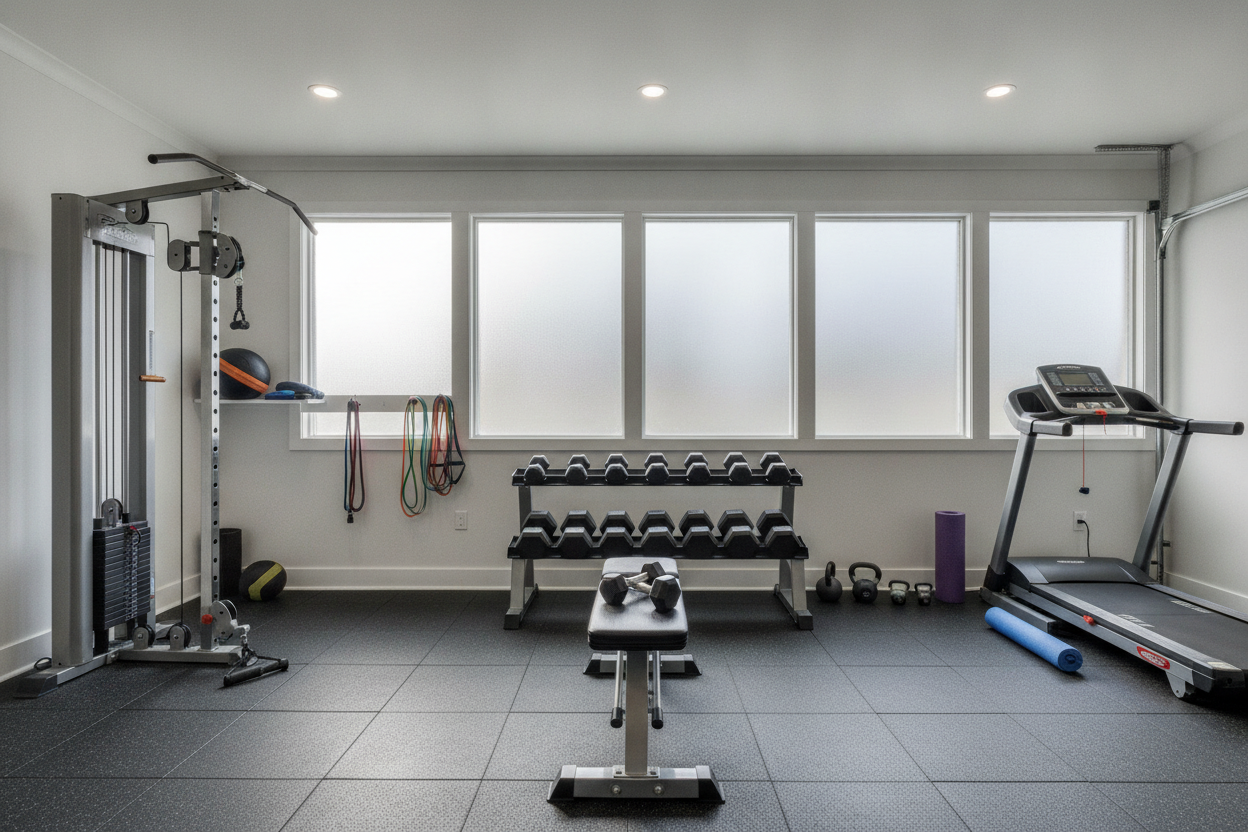
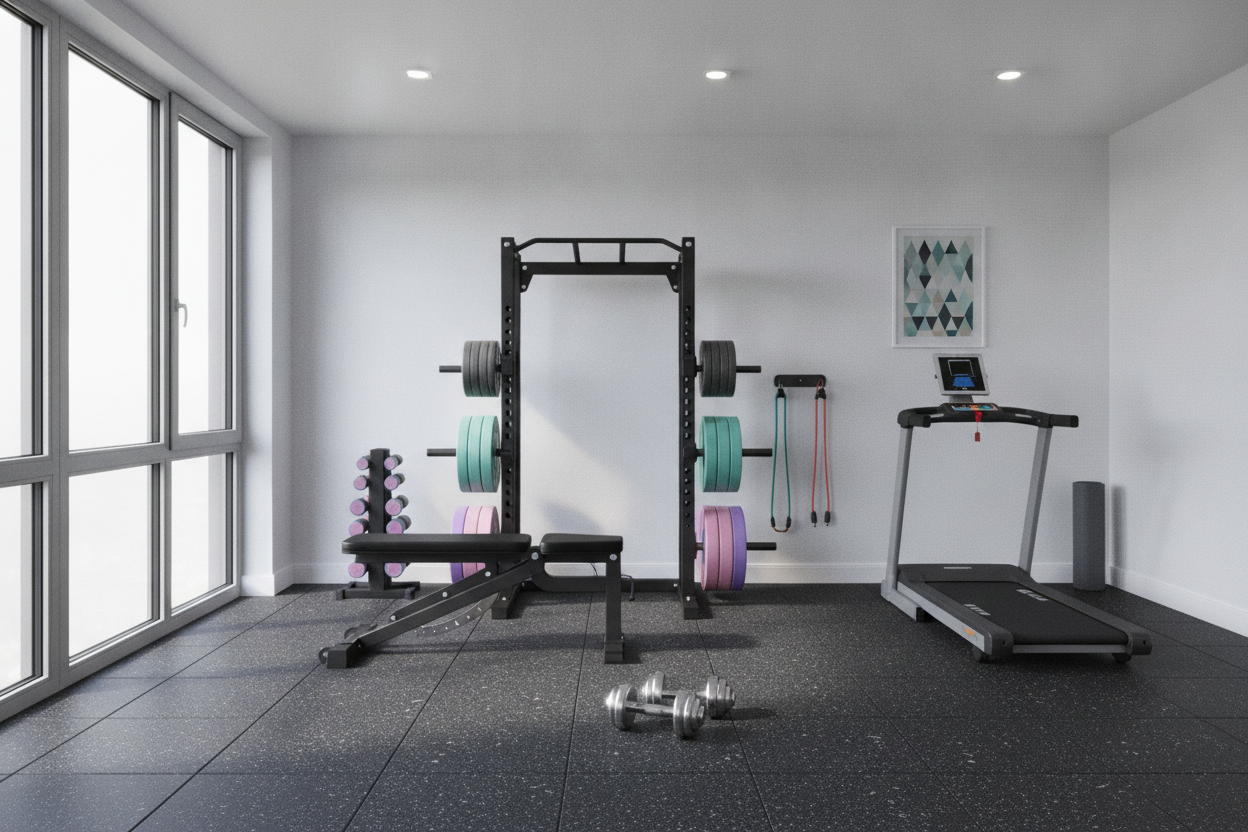
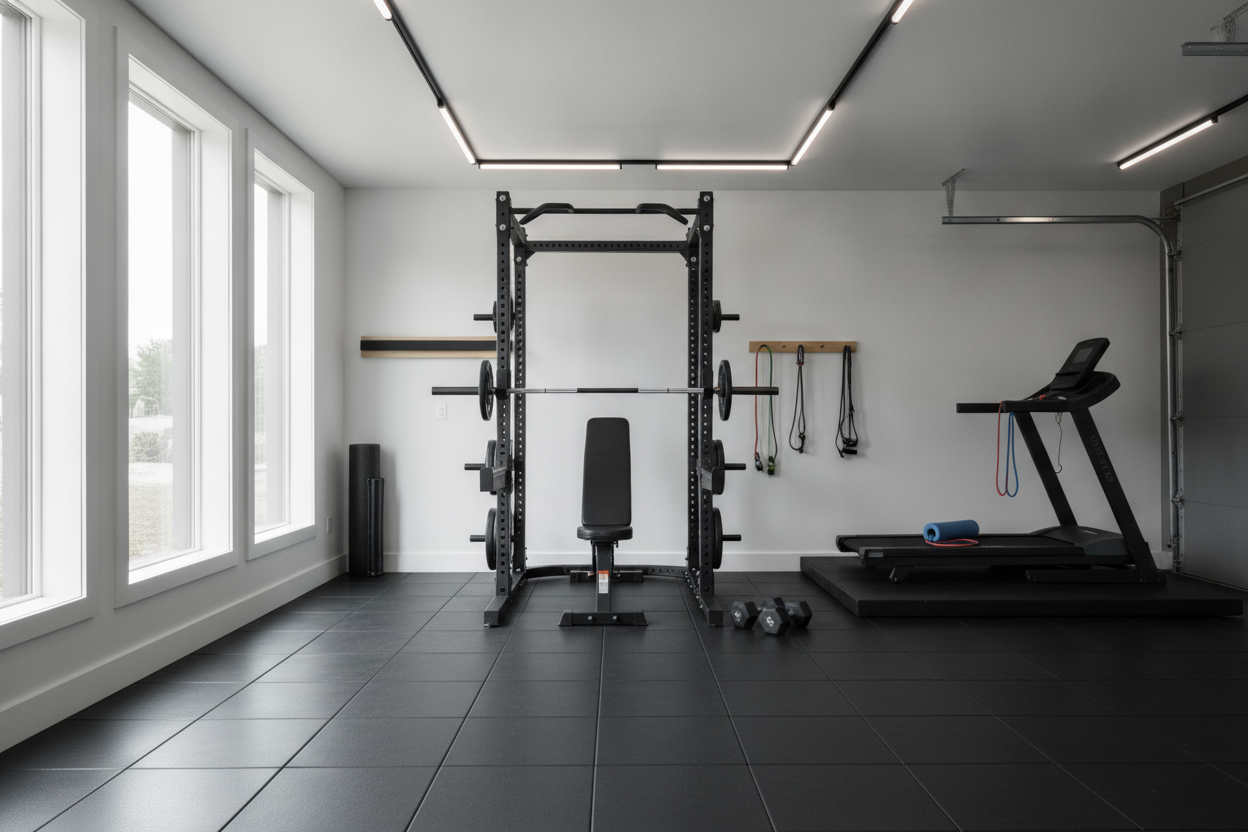
My garage gym is built for longevity, not Instagram likes. When you're lifting weights in your 40's, you're likely training alone in a garage or basement. You need equipment that has your back. Before you start buying random plates, spend some time choosing the best strength and weight training equipment for your specific needs. You want stability and safety over everything else.
I personally recommend the Gxmmat X6 Power Rack Weight Bench Barbell Package as a foundation. It’s a rock-solid setup that includes the safety pins you absolutely need if you’re going to push heavy weight without a spotter. I've had to dump a 315-lb squat onto those pins at 5:00 AM, and they didn't flinch. That peace of mind is worth more than any fancy specialized machine.
A 3-Day Strength Routine You Can Actually Recover From
An over 40 strength workout should focus on the big movers while leaving plenty of room for rest. I've found a 3-day full-body split or an Upper/Lower split works best. It gives you 48 to 72 hours of rest between sessions, which is where the actual growth happens. Weight training for over 40s is about consistency, and you can't be consistent if you're constantly nursing an injury.
Start every session with 10 minutes of active mobility. I used to skip this, and I paid for it with a torn labrum. Now, I don't touch a weight until my hips and shoulders are fully lubricated. Focus on heavy compound lifts first—squats, deadlifts, presses—and keep the total working sets to around 10-12 per session. It sounds low, but if the intensity is high, it's all you need.
Is it too late to start lifting weights at 40?
Absolutely not. In fact, it's the most important time to start. You’re fighting natural muscle loss (sarcopenia). Start light, focus on form, and don’t try to make up for 20 years of inactivity in two weeks.
How many days a week should a 40-year-old lift weights?
Three days is the sweet spot for most. It allows for maximum intensity during the session and maximum recovery between them. If you feel great, you can push to four, but five is usually pushing it for most guys with jobs and kids.
Should I do high reps or low reps?
Both. Use low reps (5-8) for your main compound lifts to build strength, and moderate reps (10-15) for your accessory movements to build muscle without overtaxing your joints with extreme weight.