Forget the Treadmill: How to Get Into Lifting as a Woman
I remember standing outside the weight room door for fifteen minutes, pretending to check my phone while I watched a group of guys hog the only squat rack in the gym. I was terrified of walking in there, picking up a barbell, and looking like I had no idea what I was doing. If you are trying to figure out how to get into lifting as a woman, you are likely feeling that same knot in your stomach. It is not because you are weak; it is because the fitness industry has spent decades telling us that the 'women’s section' is a row of ellipticals and 2-lb pink dumbbells.
Quick Takeaways
- Strength training is about movement patterns (squat, hinge, push, pull), not fancy machines.
- You do not need a commercial gym membership to build a high-level physique.
- Progressive overload—adding a little more weight or one more rep every week—is the only 'secret' that works.
- Muscle soreness in the first two weeks is normal; do not let it stop your momentum.
The Intimidation Factor Is Real (And Totally Normal)
The biggest hurdle to lifting isn't the weight of the bar; it's the weight of the expectations. We are conditioned to think that the weight room is a private club where everyone already knows the secret handshake. In reality, half the people in there are just as worried about their form as you are. The fitness industry thrives on making strength training look like rocket science so they can sell you complicated apps and 'toning' classes. You have to give yourself permission to be the person who doesn't know how to adjust the rack yet.
When I started, I thought I had to have a perfect 12-week plan before I even touched a plate. That is a lie. You just need to show up and be willing to look a little bit lost for a week. The intimidation fades the moment you realize that most people are too busy looking at themselves in the mirror to notice what you are doing. Start by claiming your space. Whether it is a corner of the gym or a corner of your garage, that 4x6 foot patch of floor is yours. Once you own the space, the weights get easier to move.
Choosing Your Battleground: Home Gym vs. Commercial Gym
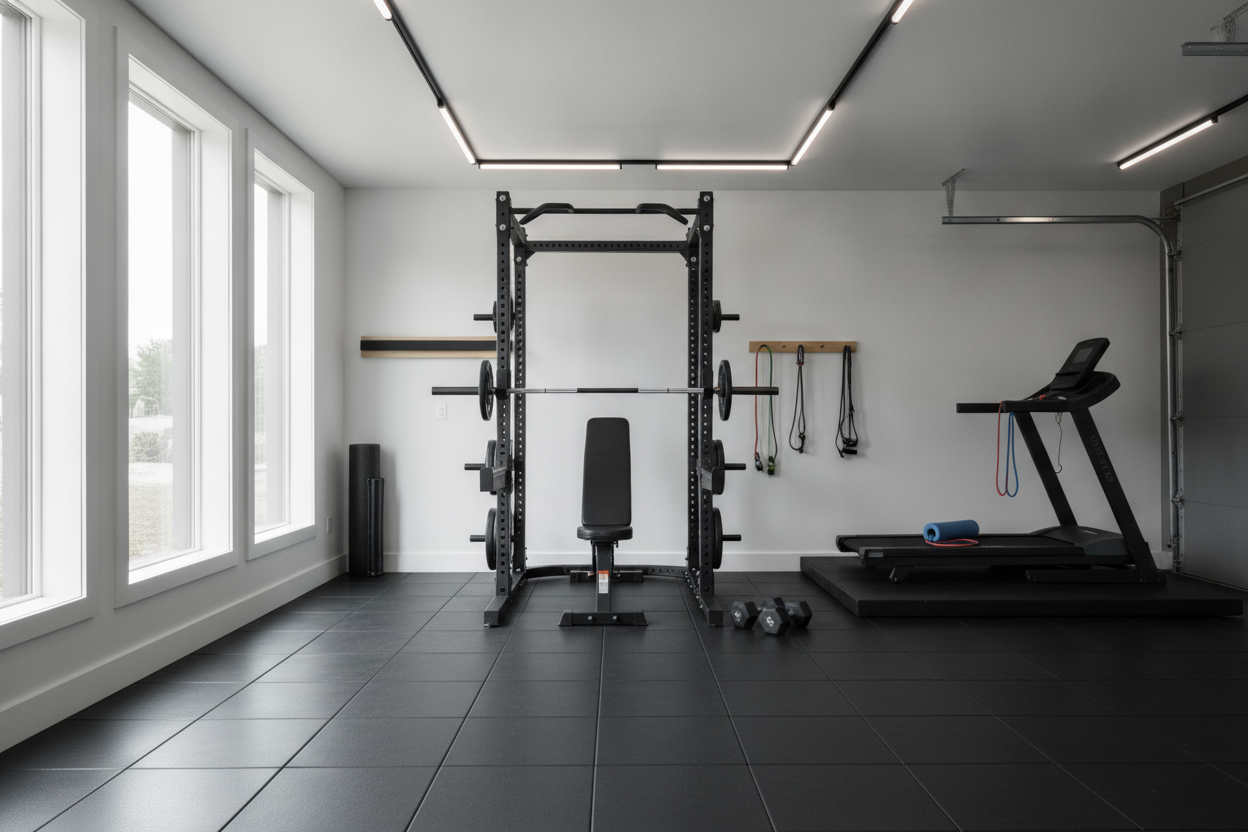
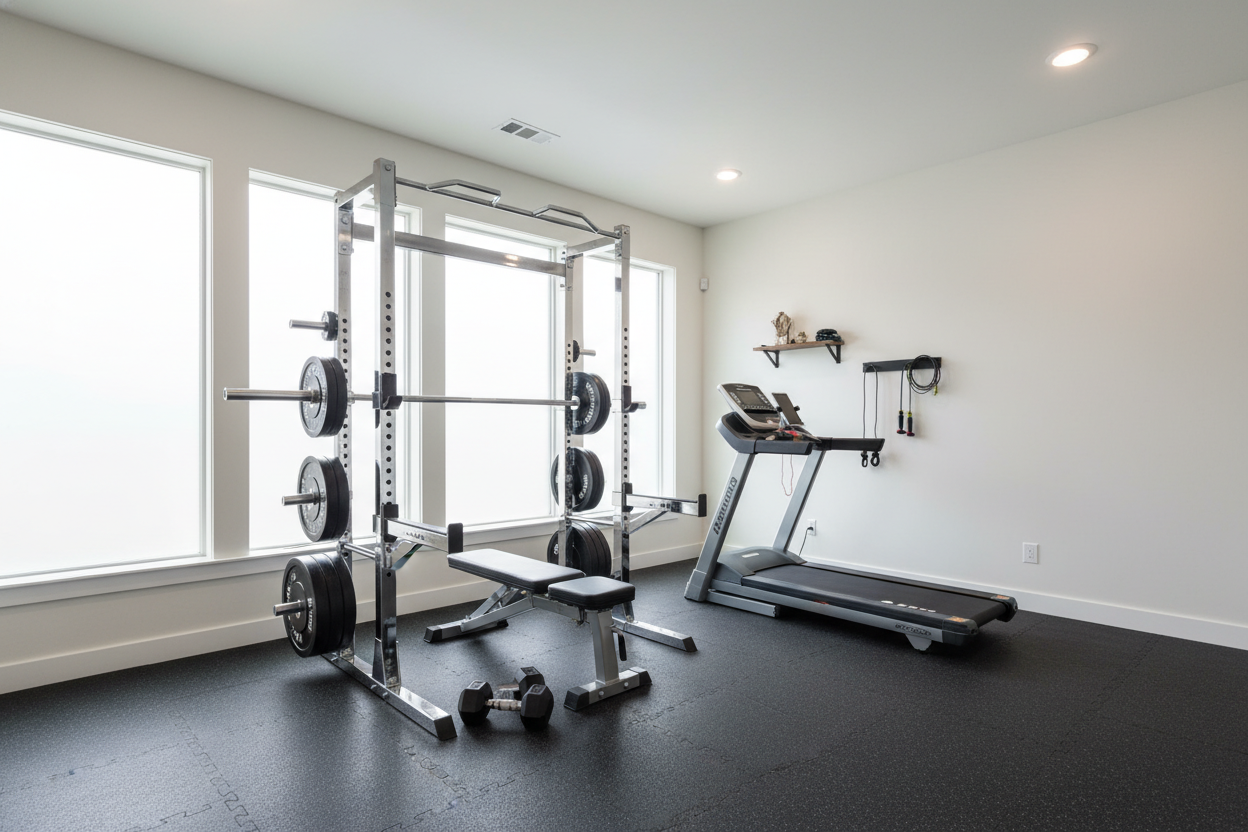
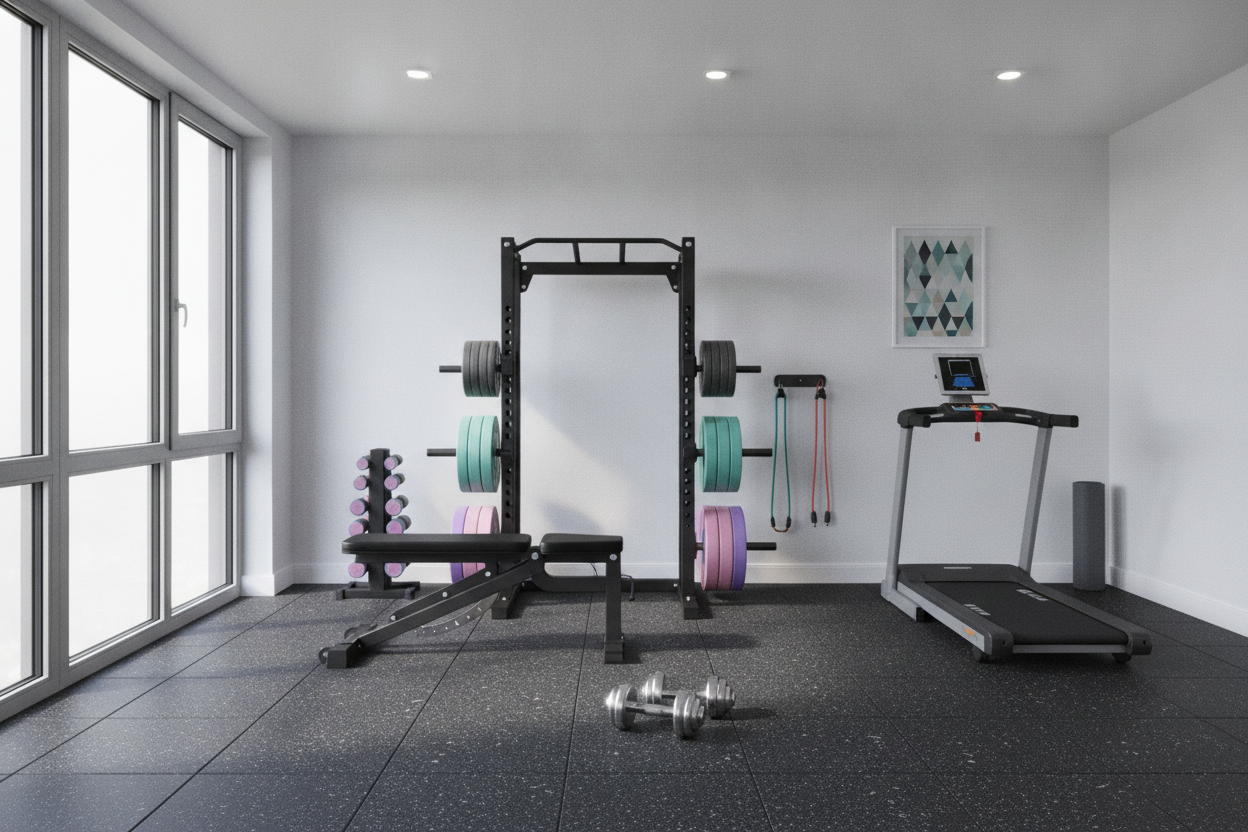
You do not need a 24-hour fitness center with three floors of equipment to see results. In fact, for many beginners, the commercial gym is the biggest barrier to entry. If the thought of walking past a row of staring strangers makes you want to skip your workout, then start at home. You can get an incredible workout in a spare bedroom or a garage. You don't need a $3,000 power rack to start; a solid Gxmmat Adjustable Weight Bench and a pair of dumbbells will get you through the first six months of any legitimate program.
The 'home gym' advantage is that you can fail in private. You can record your form on your phone without feeling self-conscious. You can grunt, sweat, and wear your oldest t-shirt. On the flip side, commercial gyms offer variety. They have the cable machines and the heavy-duty barbells that you might eventually want. But if you are just starting, do not let the lack of a gym membership be your excuse. I have seen more progress from women training in their basements with basic gear than from people with 'Gold' memberships who only ever use the stair climber.
The 4 Core Movements You Actually Need to Learn
If you scroll through social media, you’ll see influencers doing 'glute finishers' that involve three different resistance bands and a cable machine. Ignore them. If you want to get strong, you need to master the four basic human movement patterns: the Squat, the Hinge, the Push, and the Pull. These are the foundations of all strength equipment use. If you can do these four things well, you can walk into any gym in the world and hold your own.
The Squat is your sit-to-stand movement. The Hinge (think deadlifts or kettlebell swings) is how you pick things up off the floor using your hips, not your back. The Push is moving weight away from your body, like a bench press or overhead press. The Pull is bringing weight toward you, like a row or a chin-up. That is it. You do not need to balance on a BOSU ball or do one-legged squats while holding a kettlebell in one hand and a protein shake in the other. Stick to the basics. These movements use the most muscle mass, burn the most calories, and build the most functional strength. When you buy gear, look for things that support these four moves—not gadgets that only do one specific thing.
The Blueprint: How to Start Weight Lifting for Females
So, you are ready to move. When people ask how to start weight lifting for females, they usually want a specific routine. Here is the 'Dead Simple' starter: Three days a week, full-body. You will do one squat variation, one hinge variation, one push, and one pull. Do 3 sets of 8 to 10 reps for each. If the 10th rep feels easy, the weight is too light. If you can’t get to 8 reps with good form, it’s too heavy. This is the sweet spot for building muscle and getting comfortable with the movements.
The most important concept you need to understand is Progressive Overload. This just means doing a little more over time. If you squat 20 lbs this week, try 22.5 or 25 lbs next week. If you can't add weight, try to do one more rep than you did last time. I wasted years before learning how to build a weight lifting routine because I thought I had to 'confuse the muscles' by changing exercises every day. Muscles don't get confused; they get adapted. If you keep changing the exercises, you never get good enough at them to actually move heavy weight. Pick four or five movements and stick with them for at least six weeks.
Surviving the First Month Without Quitting
The first two weeks of lifting are the hardest. You are going to experience DOMS (Delayed Onset Muscle Soreness). It will feel like your legs have been replaced by lead pipes and sitting on the toilet will require a strategy. This is normal. It is not an injury; it is your body's 'WTF' response to a new stimulus. Keep moving. A light walk or a slow bodyweight squat session actually helps clear that soreness faster than sitting on the couch.
Also, do not trust the scale in the first month. When you start lifting, your muscles store more glycogen and water to repair themselves. You might see the scale go up 2 or 3 lbs in the first week. This is not fat. It is inflammation and hydration. Focus on how your clothes fit and how much weight is on the bar instead. This shift in mindset is how I finally stuck to a lifting weight program for a full year—I stopped obsessing over being 'smaller' and started obsessing over being 'stronger.' When you chase strength, the physique you want usually follows as a side effect.
Personal Experience: The 'Light Weight' Trap
For the first year I trained, I refused to pick up anything heavier than a 15-lb dumbbell. I was terrified of 'bulking up' and looking like a linebacker. I spent hours doing high-rep sets that felt like cardio. I saw zero change in my body. It wasn't until I finally gathered the courage to use a 45-lb barbell that my body actually started to change. I didn't get bulky; I got firm. I realized that my body was much more capable than the fitness magazines had led me to believe. My biggest mistake wasn't my form; it was my lack of ambition with the load.
Frequently Asked Questions
Will lifting weights make me look bulky?
No. Women do not have the natural testosterone levels to 'accidentally' look like a bodybuilder. That look takes years of specific dieting, incredibly heavy loads, and often chemical assistance. You will just look like a firmer, stronger version of yourself.
What should I wear for my first session?
Wear flat shoes (like Vans or Converse) rather than squishy running shoes for lifting. You want a stable base. Aside from that, wear whatever makes you feel comfortable moving—just make sure your leggings are 'squat-proof' before you head to the gym.
How do I know if my form is right?
Record yourself from the side. Compare it to reputable tutorial videos. If it feels 'pinchy' in your joints, stop and adjust. If it just feels 'heavy' in your muscles, you are probably doing it right.