Why Your 'Weight Training for Weight Loss Female' Routine Backfired
I remember sitting on my floor three years ago, surrounded by 3-lb neoprene dumbbells and a stack of fat-burning DVDs, wondering why my body looked exactly the same after six months of daily grinding. I was drenched in sweat every morning, but the mirror didn't care. The truth is, most weight training for weight loss female advice is watered-down cardio designed to sell subscriptions, not build a metabolism that actually works while you're sleeping.
- Sweat is a cooling mechanism, not a fat-loss indicator.
- Muscle mass is the primary driver of your resting metabolic rate.
- Progressive overload is the only way to actually change your body shape.
- Lifting heavy won't make you bulky; it makes you look 'toned.'
The Big Lie About Sweating and Fat Loss
We’ve been conditioned to think that if we aren't gasping for air and dripping sweat, the workout didn't count. That’s total nonsense. Sweating is just your body trying to keep from overheating; it has zero correlation with how much adipose tissue you’re oxidizing. When you focus solely on 'burning calories' during a session, you're playing a losing game. You might burn 300 calories on a treadmill, but then you're hungry and tired the rest of the day.
The real secret to female weight training for weight loss is increasing your Basal Metabolic Rate (BMR). Muscle is metabolically expensive. It takes energy just to exist. When you build muscle, you’re essentially upgrading the engine in your car. A V8 burns more gas idling than a V4 does. By prioritizing strength, you’re teaching your body to burn more fuel 24/7, even when you’re binging Netflix.
Stop obsessing over the scale. Muscle is denser than fat. You can stay the same weight but drop two dress sizes because your body composition has shifted. That 'toned' look everyone wants? That’s just muscle mass showing through a thinner layer of body fat. You can’t 'tone' what isn’t there.
Why Most Female 'Toning' Routines Are Just Cardio in Disguise
If your 'strength' routine involves doing 30 reps of an exercise with a weight you could throw across the room, you aren't lifting weights—you’re doing high-impact aerobics with props. These high-rep, zero-rest circuits are designed to keep your heart rate up, which is fine for cardiovascular health, but it does nothing to stimulate the muscle growth needed for real body recomposition.
To see actual change, you have to move away from the 'pink dumbbell' section. Whether you are using free weights or high-quality weight lifting machines, the resistance needs to be significant. If you aren't struggling to maintain form by the 10th or 12th rep, the weight is too light. You aren't 'firming' anything; you're just moving.
I see women in the gym doing endless 'glute kickbacks' with zero resistance. It’s a waste of time. Your muscles need a reason to change. If you don't provide a stimulus that challenges the tissue, your body will stay exactly as it is. Real resistance training for women weight loss requires you to actually resist something heavy.
The Mechanics of Real Female Body Recomposition
Body recomposition is the holy grail: losing fat and gaining muscle simultaneously. To trigger this, you need mechanical tension. This means the muscle fibers are actually being stretched and contracted under a load that forces them to adapt. Strength training for fat loss female success depends on this physiological stress. Without it, your body has no reason to keep its muscle mass while in a calorie deficit, and you end up 'skinny fat' instead of lean and strong.
Stop Fearing the Heavy Iron
The biggest hurdle I hear is, 'I don't want to get bulky.' Let me be clear: you won't. Women don't have the testosterone levels to accidentally wake up looking like a pro bodybuilder. Those women work for decades and use specific 'supplements' to get that way. For the rest of us, lifting heavy iron is what creates the curves and definition you’re actually looking for. It builds the shape that cardio strips away.
Progressive Overload is Non-Negotiable
If you lift the same 10-lb weights for the next three months, you will look exactly the same in three months. You must practice progressive overload. This doesn't just mean adding weight. It can mean doing more reps with the same weight, improving your range of motion, or slowing down the tempo. Track your lifts in a notebook or an app. If you aren't doing more than you did last week, you aren't training; you're just exercising.
Setting Up Your Space for Heavy Lifting at Home
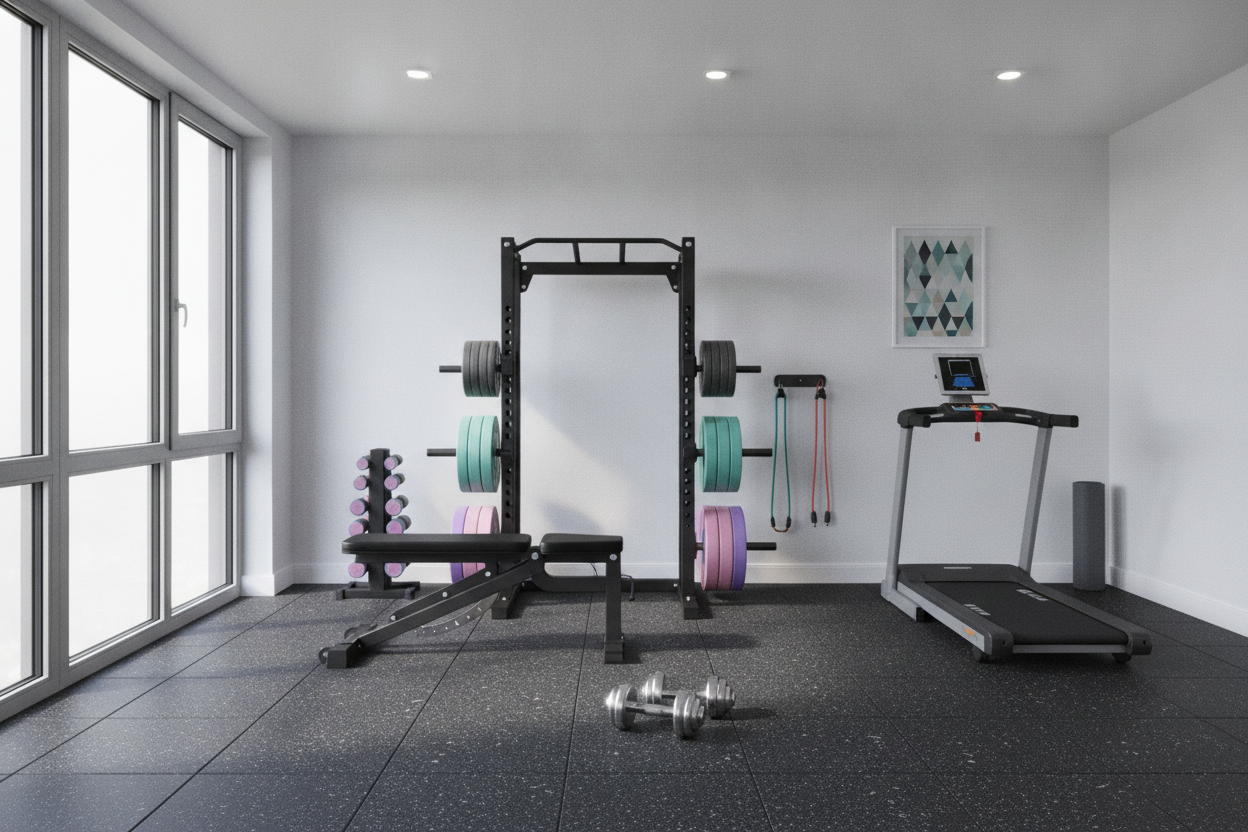
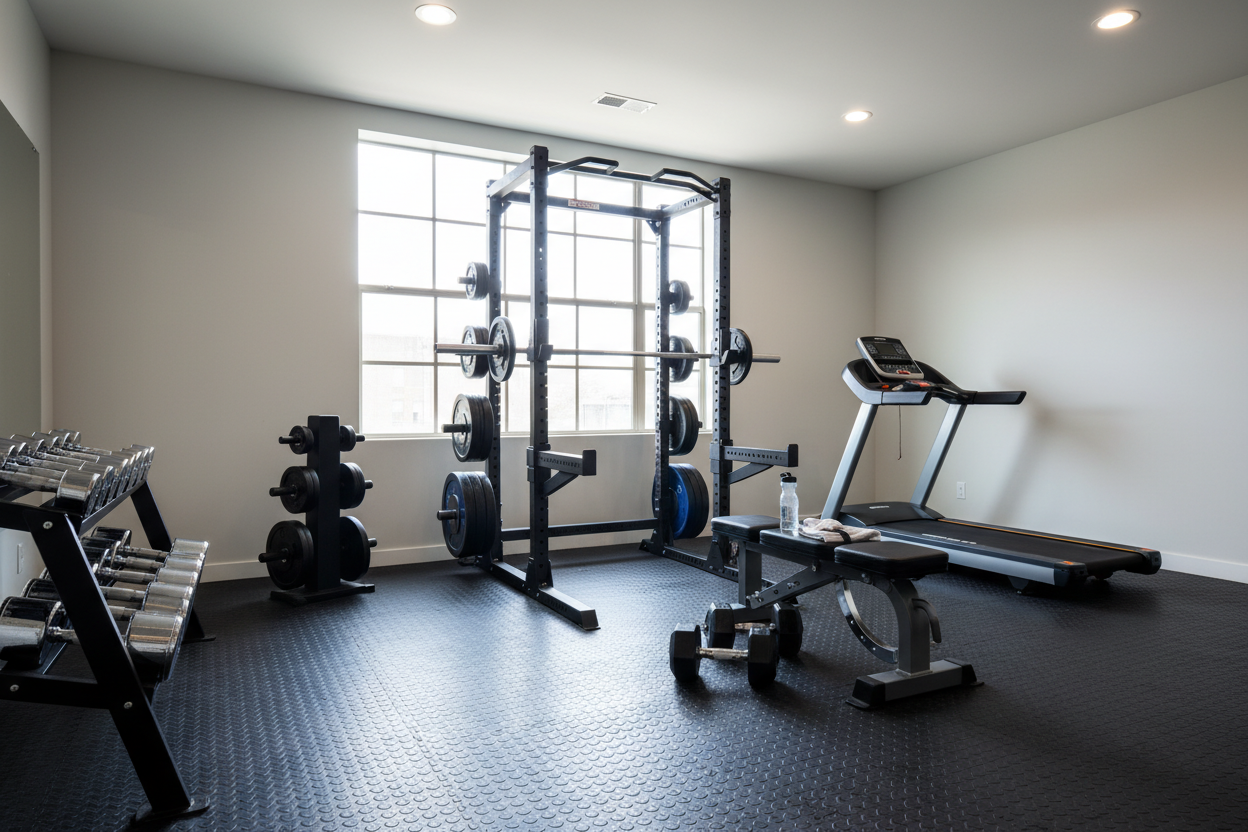
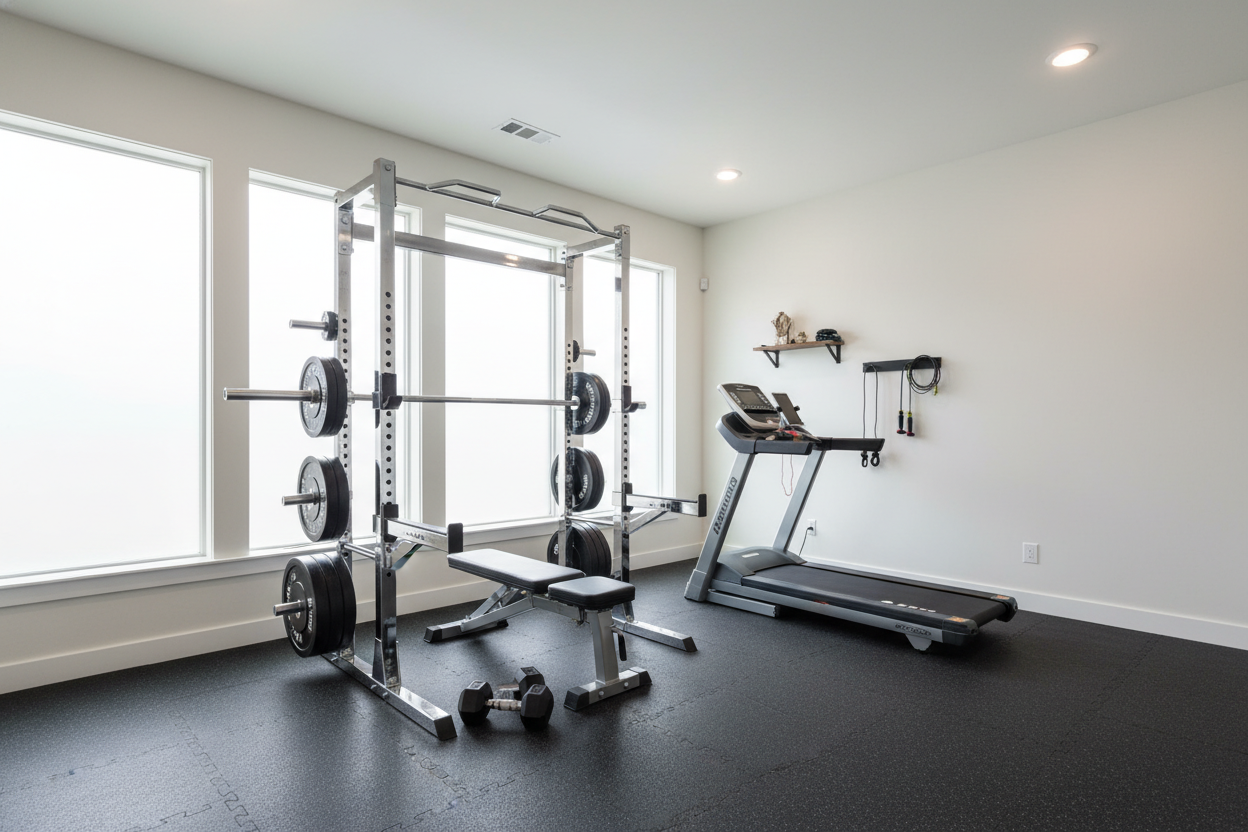
You don't need a 2,000-square-foot commercial gym to get results, but you do need more than a yoga mat. When choosing the best strength and weight training equipment for your goals, focus on the 'Big Three': a way to squat, a way to press, and a way to pull. Skip the trendy vibrating plates and thigh-masters.
A solid foundation starts with a bench. I personally like the Gxmmat Adjustable Weight Bench because it’s stable enough for heavy dumbbell presses but light enough to move out of the way. It doesn't wobble when you're doing step-ups, which is a huge safety factor when you start adding weight. Pair that with a set of adjustable dumbbells or a barbell, and you can do 95% of the exercises that actually matter.
Don't skimp on flooring, either. If you're afraid of breaking your tile, you won't commit to the lift. Get some decent stall mats. Once you feel like the equipment can handle the weight, you’ll stop holding back in your sets.
A 3-Day Blueprint to Start Lifting Today
Forget the 6-day-a-week 'influencer' splits. If you're doing strength training for weight loss women style, three full-body days are plenty. This allows for maximum recovery and ensures you're hitting every muscle group frequently enough to spark change. Focus on these movements:
- Squat Variation: Goblet squats or back squats (3 sets of 8-10).
- Hinge Variation: Romanian deadlifts or kettlebell swings (3 sets of 10-12).
- Push Variation: Overhead press or bench press (3 sets of 8-10).
- Pull Variation: Single-arm rows or lat pulldowns (3 sets of 10-12).
Rest 90 to 120 seconds between sets. This isn't a circuit. You want your muscles recovered enough to push heavy weight again, not to be so out of breath that your form breaks down. Quality of movement always beats quantity of sweat.
Personal Experience
I wasted my first two years of 'training' doing high-intensity interval training (HIIT) with 5-lb weights. I was exhausted, my joints hurt, and my body fat percentage didn't budge. I was terrified of the squat rack. When I finally ditched the 'burn' and started focusing on 'strength,' everything changed. I ate more, worked out less, and finally saw the muscle definition I'd been chasing. My biggest mistake was thinking that 'hard' meant 'effective.' Puking in a bucket isn't a prerequisite for fat loss.
FAQ
Do I need to do cardio too?
You don't have to, but it helps with heart health. Think of lifting as the tool to change your shape and cardio as a tool to help your heart. Do your lifting first so you have the most energy for the heavy stuff.
How long until I see results?
Strength gains happen fast—usually within 2-4 weeks. Visible body changes usually take 8-12 weeks of consistent lifting and decent nutrition. Be patient; you're building a new metabolic engine.
What if I don't know how to use a barbell?
Start with dumbbells. They are less intimidating and actually better for identifying muscle imbalances. Once you max out your dumbbells, move to the rack.