Why High-Rep Band Workouts Won't Give You Toned Legs
I have spent a decade in garage gyms, and if I see one more 30-day 'booty band challenge' promising toned legs, I am going to throw my weighted vest through a window. We have been sold a lie that if we just pulse our legs enough times with a piece of latex around our ankles, we will magically wake up with the physique of a track athlete. It does not work that way.
I remember my own early days of training. I spent hours on a cheap yoga mat doing fire hydrants and glute bridges until my legs felt like they were on fire. I was sweaty, I was tired, but my legs looked exactly the same after six months. It was only when I stopped chasing the 'burn' and started chasing the 'load' that things actually changed. If you want real results, you have to stop training like you are afraid of muscle.
Quick Takeaways
- Toning is just muscle tissue revealed by low body fat; you cannot 'tone' a muscle that is not there.
- High-rep band circuits are great for a warmup but terrible for building actual shape.
- Progressive overload with heavy compound movements is the only way to transform your lower body.
- Stability is key—you cannot lift heavy weights safely on a slippery or squishy floor.
The Dirty Secret About 'Toning' (That No One Wants to Hear)
Let's get the biology straight. The term 'toned' is a marketing word, not a physiological one. When you say you want toned legs, what you are actually saying is that you want to build enough muscle density to create shape, and then have low enough body fat to see that shape. You cannot 'firm up' fat, and you cannot 'elongate' a muscle beyond its genetic attachments.
The fitness industry loves to tell women that lifting heavy weights will make them 'bulky' and that high reps with light weights will make them 'lean.' This is absolute nonsense. Building muscle is incredibly difficult; it requires a caloric surplus and a massive hormonal environment that most people simply do not have. Lifting a 5-lb dumbbell for 50 reps does not create a lean look; it just builds muscular endurance. To get that defined, athletic look, you need to actually challenge the muscle fibers to grow.
Why Your 15-Minute Booty Band Circuits Are Failing
Those rubber bands have a place in my gym, but it is usually in the warmup bin. Bands provide 'accommodating resistance,' meaning they get harder as they stretch. This is fine for waking up your glutes, but it rarely provides the consistent tension needed for hypertrophy. Most people doing these circuits are just chasing a metabolic burn—that stinging feeling in the muscle—and confusing it with progress.
While doing bodyweight floor circuits on a large exercise mat for home gym is great for mobility and getting your heart rate up, these movements eventually hit a ceiling. Once your body adapts to your own weight, you have to add external load. If you are still doing the same 20-rep sets of leg lifts that you were doing three months ago, your legs have no reason to change. You need to force the adaptation.
The Only 3 Heavy Movements You Actually Need
You do not need a 12-machine circuit to get results. You need a few movements done with enough weight to make the last two reps of a set feel like a genuine struggle. My top three are Bulgarian split squats, Romanian deadlifts (RDLs), and walking lunges. These are the gold standard because they require balance, core engagement, and massive recruitment of the quads and hamstrings.
Bulgarian split squats are particularly brutal but effective. By elevating your back foot, you put almost all the load on the front leg. When you are grinding through an upper thigh workout at home, focusing on the quads during the eccentric (lowering) phase of a split squat is what builds that teardrop definition above the knee. Stop doing 50 air squats and start doing 8-12 reps with a pair of 25-lb dumbbells. I promise you will see the difference in weeks, not years.
You Can't Lift Heavy on a Slippery Floor
As you transition from bands to real weights, your environment matters. I see people trying to do heavy walking lunges on hardwood floors in socks, or on thick, squishy carpet. This is a recipe for a rolled ankle. To produce force, your brain needs to feel that your feet are planted on a stable surface. If the floor is shifting, your nervous system will actually 'downregulate' your strength to keep you from falling.
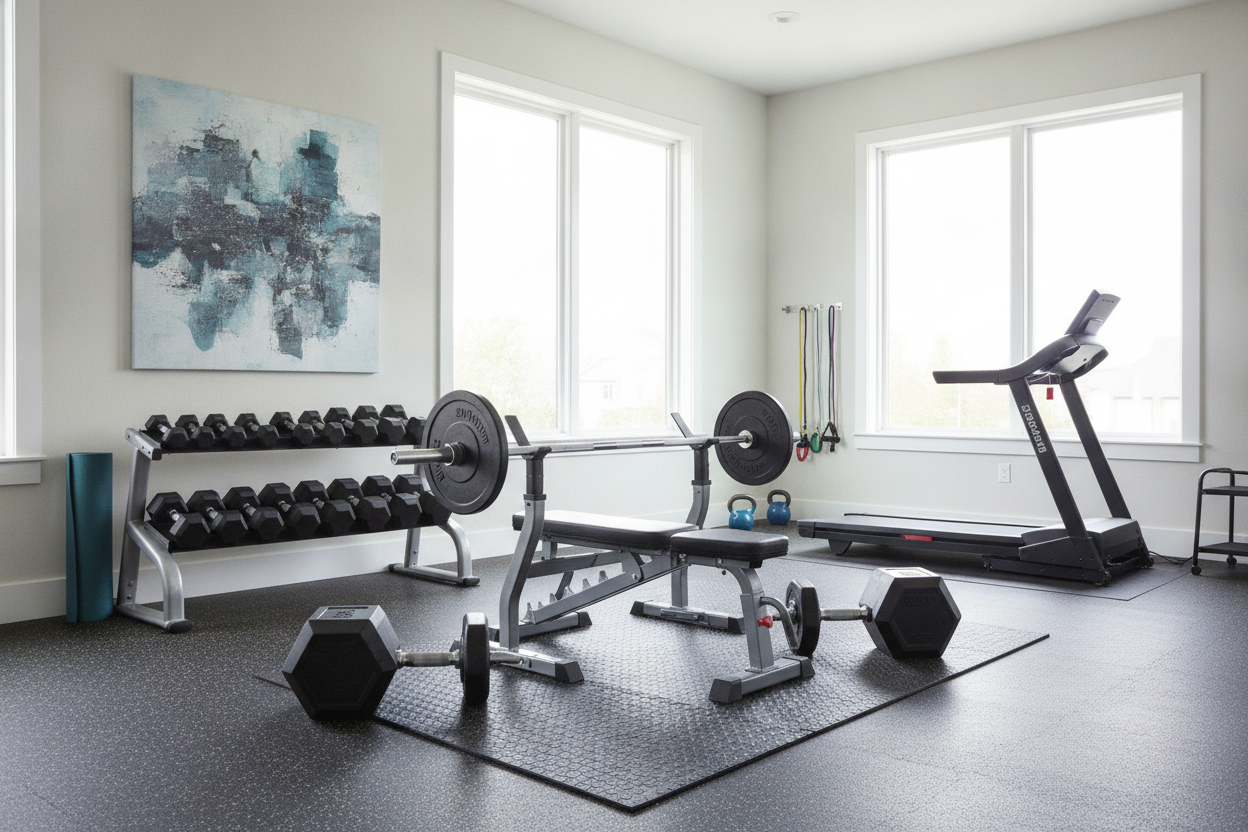
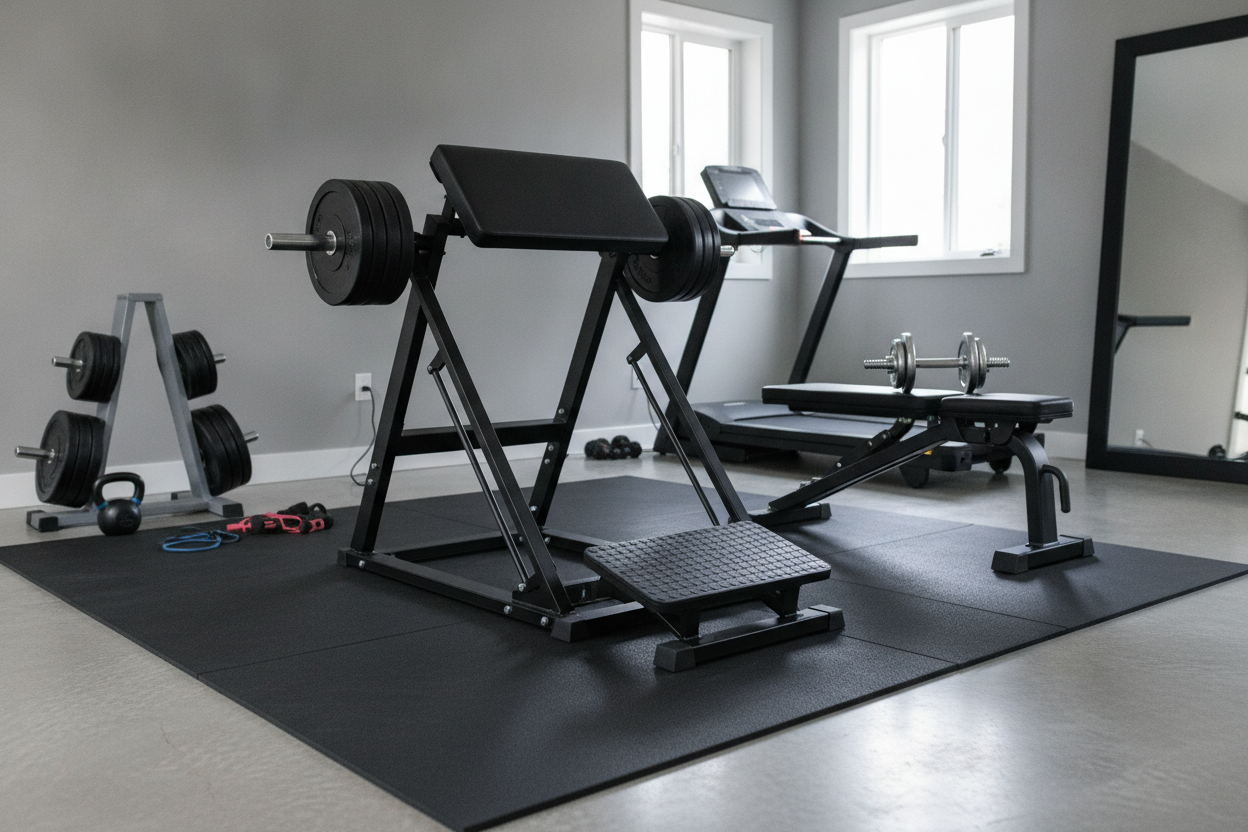
If you are serious about this, you need to upgrade to proper high-density gym flooring for home workout. A 6x8 ft mat that does not budge when you drive your heel into the ground is worth more than any fancy supplement. It allows you to focus entirely on the muscle contraction rather than trying not to slip. I personally use a 7mm thick rubberized mat; anything thinner feels like I am standing on the subfloor, and anything thicker feels like a marshmallow.
A Realistic Weekly Blueprint for Definition
Building a lower body you are proud of does not require daily sessions. In fact, training legs every day is a mistake. Muscle grows while you sleep and recover, not while you are in the gym. A 2-3 day a week split is plenty, provided those sessions are intense. You should be tracking your weights in a notebook or an app. If you lifted 20 lbs last week, try 22.5 or 25 lbs this week.
For those looking to incorporate the best toning exercises for legs into a structured plan, focus on a 'strength' day and a 'hypertrophy' day. One day, you go heavy for 5-8 reps. The next session, you go moderate for 12-15 reps. This hits different muscle fibers and keeps the training from getting stale. Don't chase the sweat; chase the numbers on the dumbbells.
My Honest Mistake: The Cardio Trap
I spent two years running 20 miles a week thinking it would give me 'runner's legs.' All it did was make me 'skinny-fat.' My legs were smaller, sure, but they had zero shape and my knees constantly ached. The moment I cut my cardio in half and replaced it with heavy RDLs and goblet squats, the definition I had been chasing finally appeared. I had to get over the fear that my jeans would get too tight. They did get tighter in the thighs, but they fit better in the waist, and the overall look was exactly what I wanted.
FAQ
Will lifting heavy weights make my legs look too big?
Probably not. Unless you are eating a massive caloric surplus and training like a professional bodybuilder, you do not have the physiological setup to 'accidentally' get huge. You will likely just look tighter and more defined.
How long does it take to see leg definition?
If your nutrition is on point and you are lifting heavy, you will start to feel the 'firmness' within 4 weeks. Visible 'tone' usually takes 8-12 weeks of consistent progressive overload.
Can I get toned legs without a squat rack?
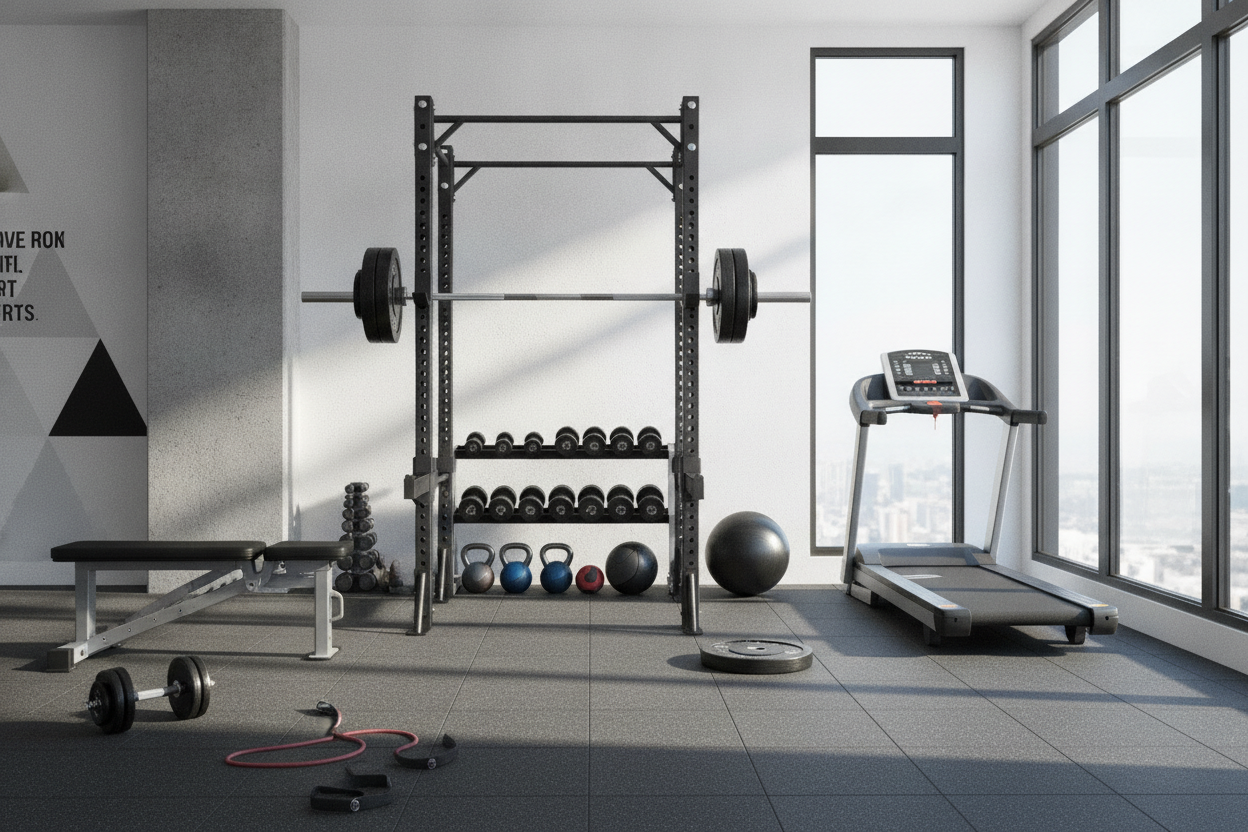
Absolutely. Dumbbells, kettlebells, or even a heavy sandbag are more than enough for split squats and lunges. You just need enough weight to make the reps challenging.