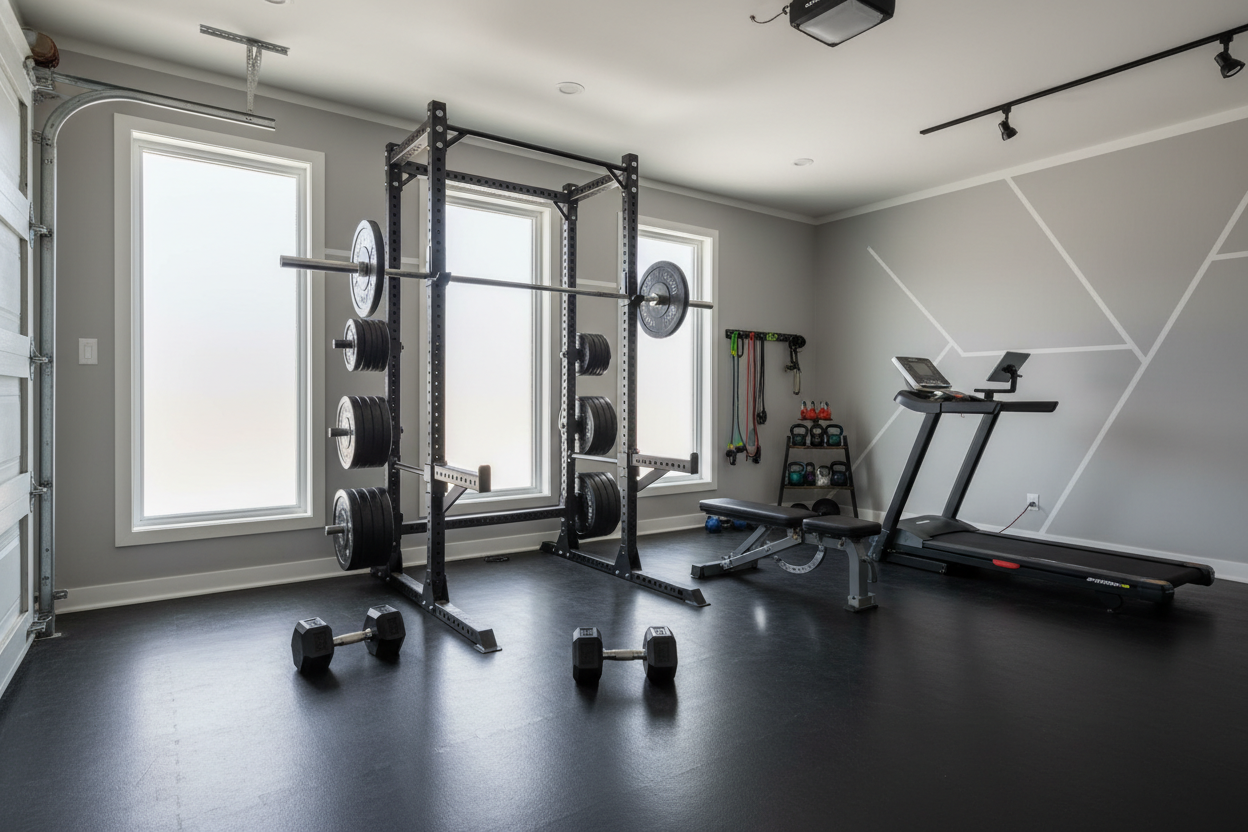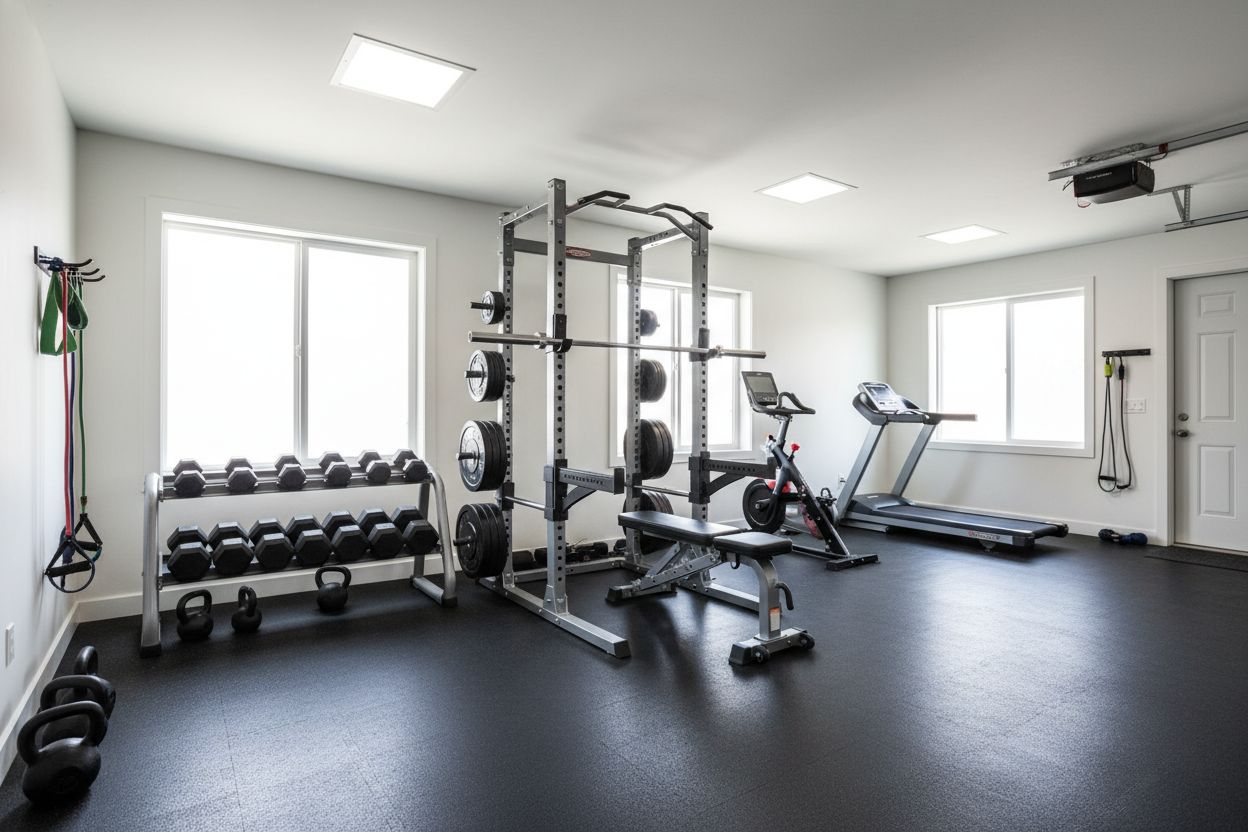
Why High Intensity Bodybuilding Beats High Volume in a Garage
I remember standing in my 200-square-foot garage at 10 PM, staring at a stack of iron and wondering why my physique looked exactly the same as it did six months ago. I was following the standard pro-style split: five days a week, 20 sets per body part, chasing a pump until my arms felt like lead. I was putting in the hours, but the mirror wasn't reflecting the effort.
The truth is, most of us are just doing junk volume. We're tired, but we aren't actually stimulating growth. Switching to high intensity bodybuilding changed that for me. It turned my workouts from a two-hour endurance test into a thirty-minute battle with the bar that finally forced my scale to move.
Quick Takeaways
- HIT focuses on one or two sets taken to absolute muscular failure rather than multiple sub-maximal sets.
- You'll spend significantly less time in the gym—usually 30-45 minutes per session.
- Recovery is non-negotiable; because the intensity is so high, you need more rest days between sessions.
- Safety gear like spotter arms and straps are mandatory when training to failure alone in a garage.
The Day I Realized More Volume Wasn't More Muscle
I used to think that if three sets were good, six sets must be better. I’d spend two hours in the garage, hitting 4x12 on bench, then 4x12 on incline, then flies, then dips. By the end, I was sweating and pumped, but I wasn't getting stronger. I was just getting better at being tired. I realized I Tried Training Bodybuilding Like a Pro (And I Shrank) because my body simply couldn't recover from the sheer amount of work I was throwing at it.
The problem with high volume in a home gym is that life gets in the way. When you have a job and a house to maintain, spending ten hours a week lifting isn't sustainable. Most of those sets are just filler anyway. Once I cut the fluff and focused on making one single set count, my strength finally started to climb again.
Clearing the Confusion: HIT vs. HIIT
Before we go further, let's get the terminology straight. High intensity training theory (HIT) is not the same as HIIT. If you're doing burpees and mountain climbers to get your heart rate up, that's hiit for bodybuilding. That is great for your heart, but it is not the primary driver for a thick back or 17-inch arms.
HIT training bodybuilding is the philosophy popularized by guys like Mike Mentzer and Dorian Yates. The theory is simple: muscle growth is triggered by high-intensity stress. Once you've triggered that response with a set taken to failure, more sets don't help—they just eat into your recovery. We are talking about heavy, slow, controlled movements that end only when the weight literally won't move another inch.
The Brutal Reality of Taking One Set to True Failure
Most people think they’ve hit failure when the muscle starts to burn. In high intensity bodybuilding, the burn is just the beginning. True failure is when you are pushing with everything you have, your face is turning purple, and the bar is stationary. It’s a dark place to be, especially when you’re alone in a garage.
This is where things get tricky for the home lifter. Taking a set of squats to absolute failure with a barbell is terrifying. It’s one reason Why the Best Training for Bodybuilding Actually Requires Machines—it’s much safer to fail on a leg press than under a 315-pound bar. If you’re sticking to free weights, you have to be disciplined about your form, or you are going to snap something.
How to Build a HIT Routine With Basic Garage Gear
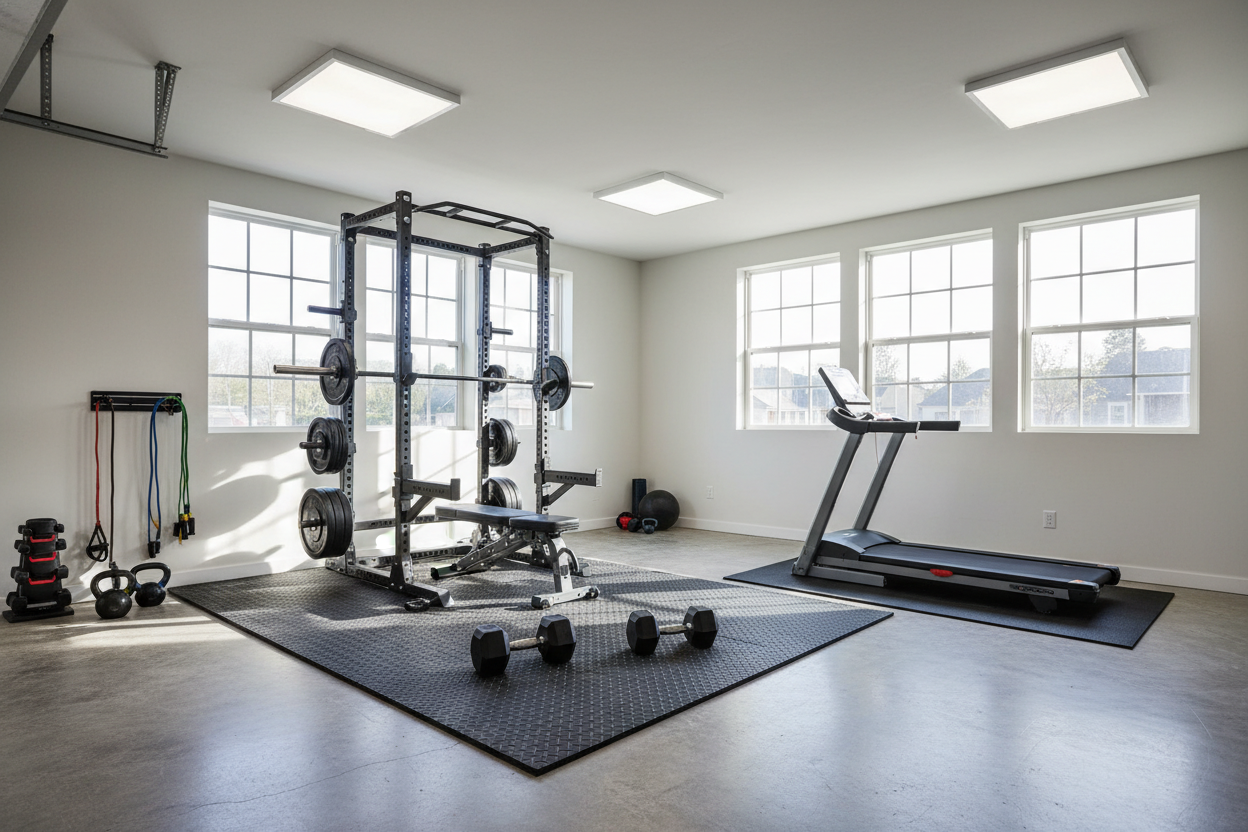
You don't need a commercial gym's worth of machines to run a hit program bodybuilding style. A solid power rack, a barbell, and some adjustable dumbbells are enough. The key is slowing down the tempo. Try a 3-second eccentric (lowering) phase. It removes momentum and forces the muscle to do all the work.
Since you're training to failure alone, you need the right tools. I don't lift without heavy-duty spotter arms and a good pair of straps. Check out some Strength Training Accessories like versa-gripps or figure-8 straps. They ensure your grip doesn't give out before your back does during a heavy set of rows. If your grip is the limiting factor, you aren't actually training the target muscle to failure.
Surviving the Aftermath (Why You Need More Rest Days)
After a true hit high intensity training session, you shouldn't feel like going for a run. You should feel like you need a nap. This type of training hammers your central nervous system. I’ve had leg days where I finished my final set of Bulgarian split squats and literally had to lay on the floor for ten minutes before I could even think about unloading the bar.
If you're doing it right, you will want a comfortable 6X8Ft Exercise Mat Yoga Mat Gym Flooring For Home Workout—not just for the stretching, but as a landing pad for when your legs turn to jelly. Don't be afraid to take two or even three days off between sessions. Growth happens when you are resting, not when you are grinding in the garage.
FAQ
Can I do HIT every day?
Absolutely not. If you can train HIT every day, you aren't actually training with true intensity. Your nervous system needs time to recover from the sheer output of training to failure.
How many sets per body part should I do?
Usually, 1 to 2 work sets to absolute failure is plenty. This is after 1-2 warm-up sets that are never taken to failure.
Is HIT safe for beginners?
I wouldn't recommend it. You need to master form first. Training to failure with bad form is a fast track to the physical therapist's office.