I Broke My Plateau With These Overhead Press Accessory Exercises
I remember staring at a 135-pound barbell for three straight months. It wouldn't budge. I was doing all the 'right' things—more volume, more frequency—but my strict press was stuck in a frustrating purgatory. It felt like my shoulders were doing the work, but the bar just died right at eye level every single time.
Most people think if they can't get the bar past their forehead, they just need bigger delts. I’m here to tell you that’s usually a load of crap. After years of testing and failing, I realized that a stalled press is almost always a symptom of weak triceps, a soft core, or an upper back that has the structural integrity of a wet noodle. To fix it, you need the right overhead press accessory exercises to plug those leaks.
Quick Takeaways
- Lockout issues are usually a triceps strength problem, not a shoulder problem.
- A stable upper back provides the 'shelf' needed to drive weight vertically.
- The Z-Press is the ultimate tool for fixing a 'soft' core and eliminating lean-back.
- Stop chasing 'the pump' and start chasing heavy compound assistance movements.
Why Your Strict Press is Actually Stuck (Hint: It's Not Your Delts)
If you fail at the bottom of the lift, sure, maybe your anterior delts need work. But most lifters fail at the midpoint. This is where the mechanics shift from the shoulders to the triceps and the upper back. If your lats aren't flared and your scaps aren't pinned, you're trying to fire a cannon from a canoe. You lose all your tension, the bar drifts forward, and the lift is dead.
Choosing ohp accessory exercises isn't about finding the fanciest machine in the gym. It's about identifying the specific weak point in your kinetic chain. Are your elbows flaring too early? Are you leaning back so far it looks like a standing bench press? These are the issues that shoulder press accessory exercises are designed to kill. You need to build a base that is as rigid as the rack you're pulling from.
The Heavy Triceps Builders You're Probably Skipping
The lockout is the glory phase of the press, and it belongs to your triceps. If you're shaky at the top, quit wasting time on those cable pushdowns with the plastic handles. You need heavy, compound movements. I’m talking about the close-grip bench press and weighted dips. These aren't just ohp assistance exercises; they are foundational strength builders.
I’ve found that building massive lockout power for the press translates perfectly to other lifts, especially when you're looking for strength shoulder exercises that carry over to the bench. I personally swear by the floor press. By removing leg drive and limiting the range of motion, you force the triceps to move the load from a dead stop. It’s brutal, it’s honest, and it’s the fastest way to ensure you never miss a lockout again.
Building the Launchpad: Upper Back and Scapular Stability
You cannot press heavy weight if your back is weak. Period. Your lats and rear delts create the platform that your shoulders sit on. When I started prioritizing heavy barbell rows and face pulls, my overhead stability skyrocketed. These are the best shoulder accessory exercises because they keep your torso upright and your path straight.
Sometimes you need to focus on non overhead shoulder exercises to build the rear delt volume required for a stable joint. I’m a huge fan of chest-supported rows. They take the lower back out of the equation so you can purely hammer the upper back. Think of your back as the foundation of a building; if it's shaky, the whole structure—your press—is going to come tumbling down under heavy loads.
Core Bracing and Weak-Point Isolation
The Z-Press is the most humbling movement in the gym. Sit on the floor with your legs straight out and try to press a barbell. There is no leg drive, no leaning back, and no hiding. It is one of the most effective military press accessory exercises because it forces your core to stay engaged the entire time. If you lose your brace, you'll literally tip over.
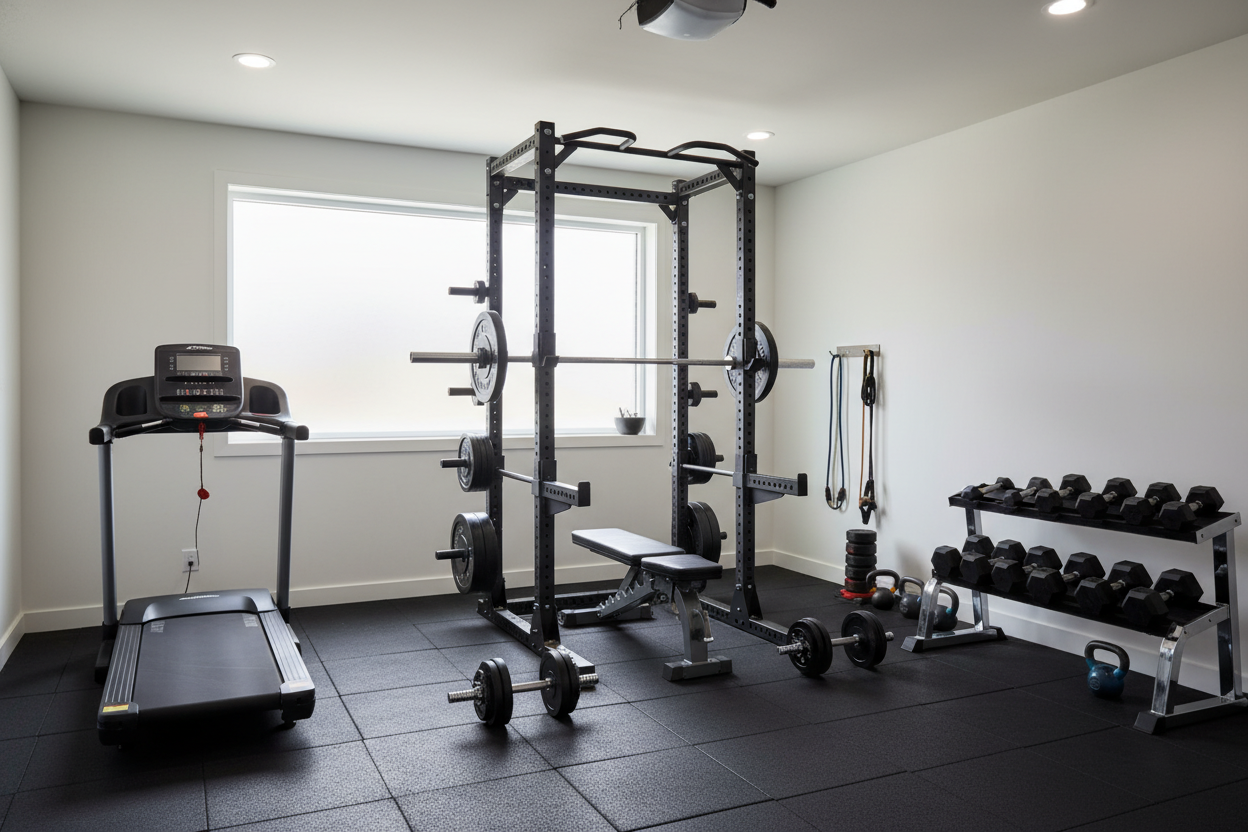
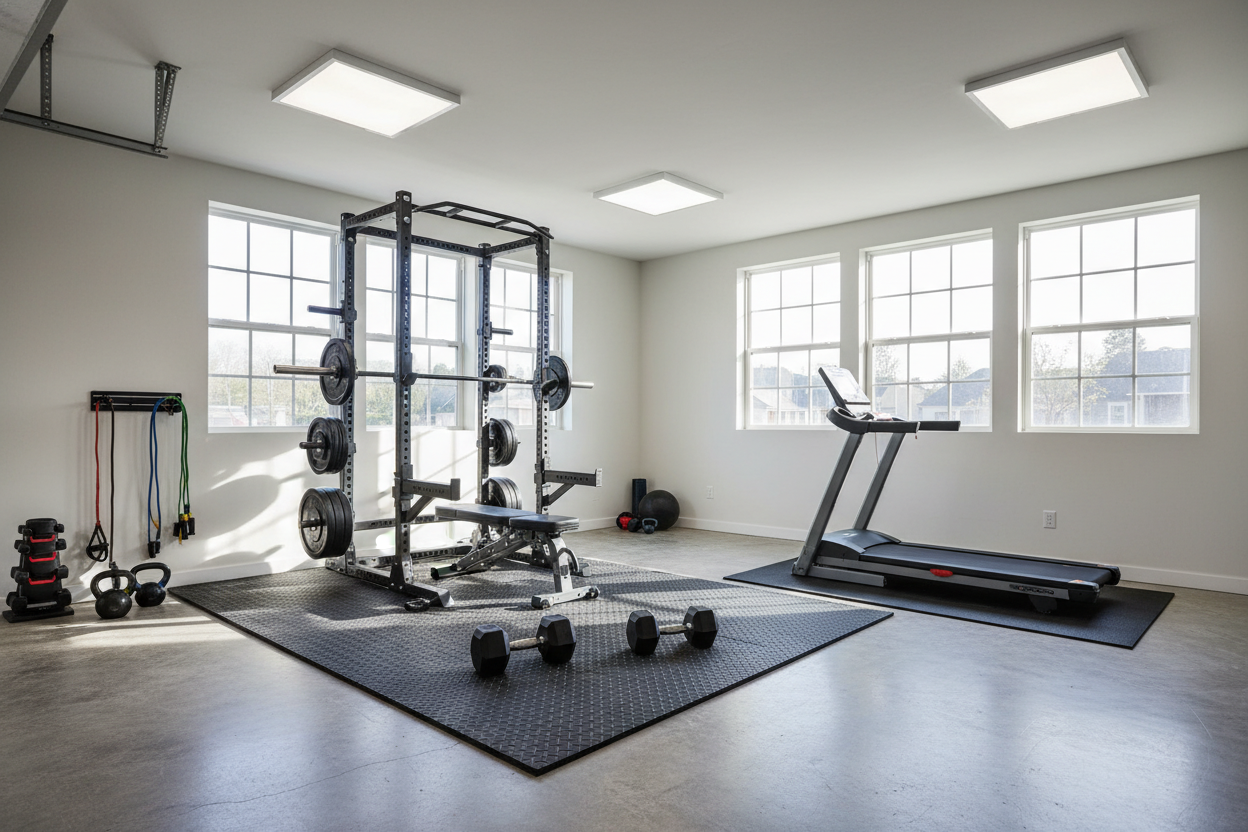
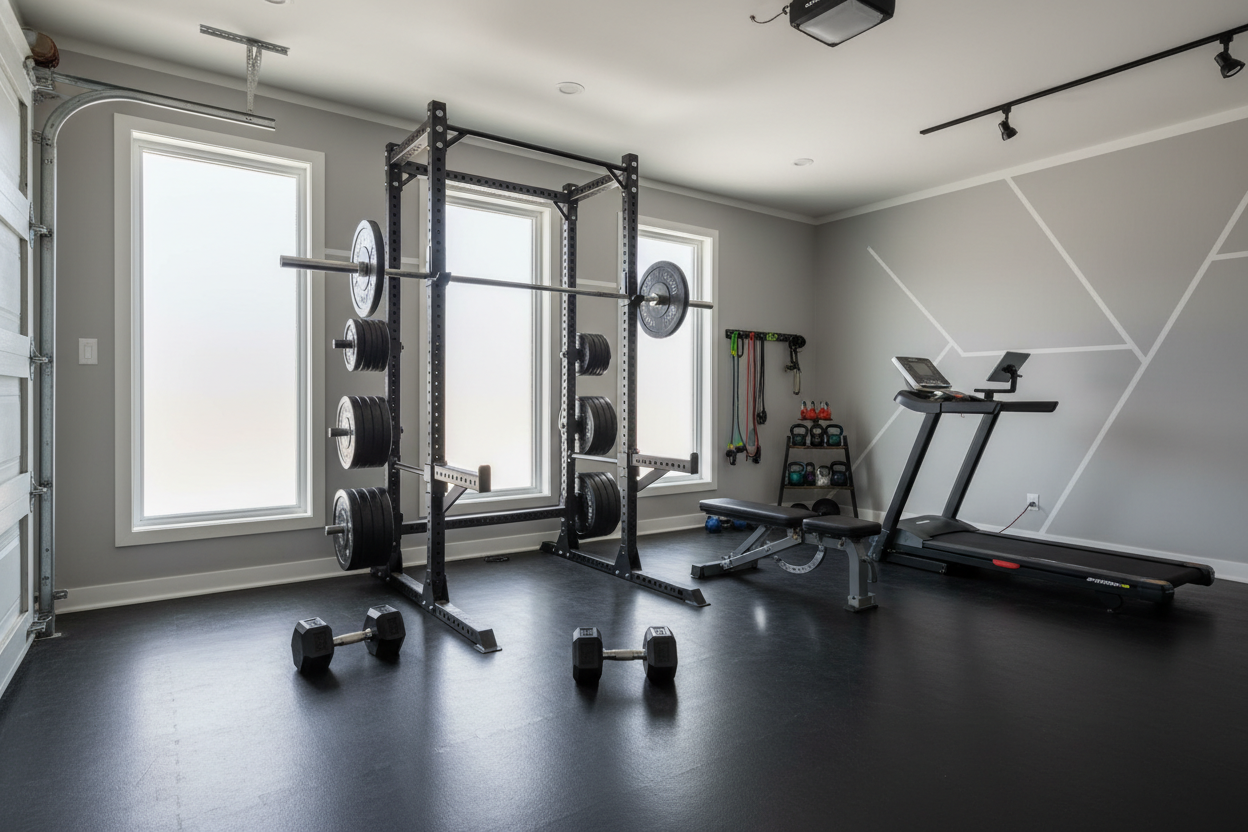
If you're training in a home gym with low ceilings, you've probably tried tall-kneeling presses. Pro tip: grab a thick exercise mat to protect your knees. This variation is excellent for shoulder accessory work because it forces a neutral pelvis. You can't cheat by arching your back, which makes every pound on the bar feel twice as heavy. It’s an 'ego-check' lift that pays dividends when you go back to standing.
How to Program Your OHP Assistance Work
Don't just tack these onto the end of a workout when you're already toasted. Treat your overhead press assistance with the same intensity as your main lift. I like to program one heavy builder (like dips) in the 6-8 rep range, followed by a stability movement (like face pulls) for 12-15 reps. This gives you both the mechanical tension and the volume needed for growth.
If you're really struggling to progress, check out some strength training accessories like fractional plates. Sometimes a 5-lb jump is too much for the overhead press, but adding 1.25 lbs a side is just enough to keep the needle moving. Consistency in your shoulder assistance exercises is what eventually turns a plateau into a PR.
Personal Experience: The Triceps Revelation
I spent an entire year thinking my shoulders were 'small' because my press wouldn't go up. I did hundreds of lateral raises and front raises. My delts looked better, but my 1RM was stuck at 155 lbs. It wasn't until I started doing heavy weighted dips—three sets of five with two plates hanging from my waist—that the bar finally moved. I realized my triceps were the weak link the whole time. Don't make my mistake; build the arms and the back if you want the shoulders to follow.
FAQ
What is the single best accessory for OHP?
If I had to pick one, it's the Z-Press. It fixes your bracing and your vertical bar path simultaneously. If you can Z-Press 70% of your standing OHP, you're in a good spot.
How many times a week should I do shoulder accessories?
Twice a week is the sweet spot. One day focused on heavy triceps carryover, and another day focused on upper back stability and rear delt volume.
Do I need a belt for accessory movements?
For the Z-press or kneeling press, try to go beltless. The goal is to build internal core stability. For heavy dips or close-grip bench, use the belt if it helps you stay tight.