Why Frantic HIIT Circuits Aren't the Best At Home Strength Training
I remember the day I canceled my $150-a-month gym membership. I thought I could just do burpees and air squats in my garage and keep my gains. Three weeks later, I was skinnier, weaker, and bored to tears. I realized that the best at home strength training isn't about how much you sweat or how fast your heart beats—it is about how much tension you can put through your muscles.
Most people treat home workouts like a frantic race against a stopwatch. They scroll through Instagram, find a 'fat-burning' circuit, and spend forty minutes gasping for air on their living room floor. If your goal is to get better at being tired, keep doing that. But if you want to actually change your physique and get strong, you need to stop training like a cardio junkie.
Quick Takeaways
- Muscle is built through mechanical tension and progressive overload, not just metabolic stress.
- Stop using 'sweat' as your primary metric for a successful workout.
- Rest periods are your friend; if you are not resting 2-3 minutes between heavy sets, you are doing cardio.
- A stable, protective floor is the most underrated piece of equipment you can buy.
The 'Sweat Equals Progress' Trap
We have been conditioned to believe that if we aren't dripping sweat and seeing stars, the workout didn't count. This is the biggest hurdle for anyone starting best home strength training. When you are at a commercial gym, the heavy iron forces you to respect the weight. At home, without a 500-lb rack staring you down, it is easy to default to 'moving fast' to feel like you are working hard.
High-intensity intervals have their place, but they are terrible for building raw strength. When you are breathless, your nervous system can't recruit the high-threshold motor units required for muscle growth. You end up doing a lot of 'junk volume'—moving just for the sake of moving—without actually challenging your structural limits. Real strength training feels different; it is focused, deliberate, and often involves a lot of sitting around between sets.
What the Best Home Strength Training Actually Looks Like
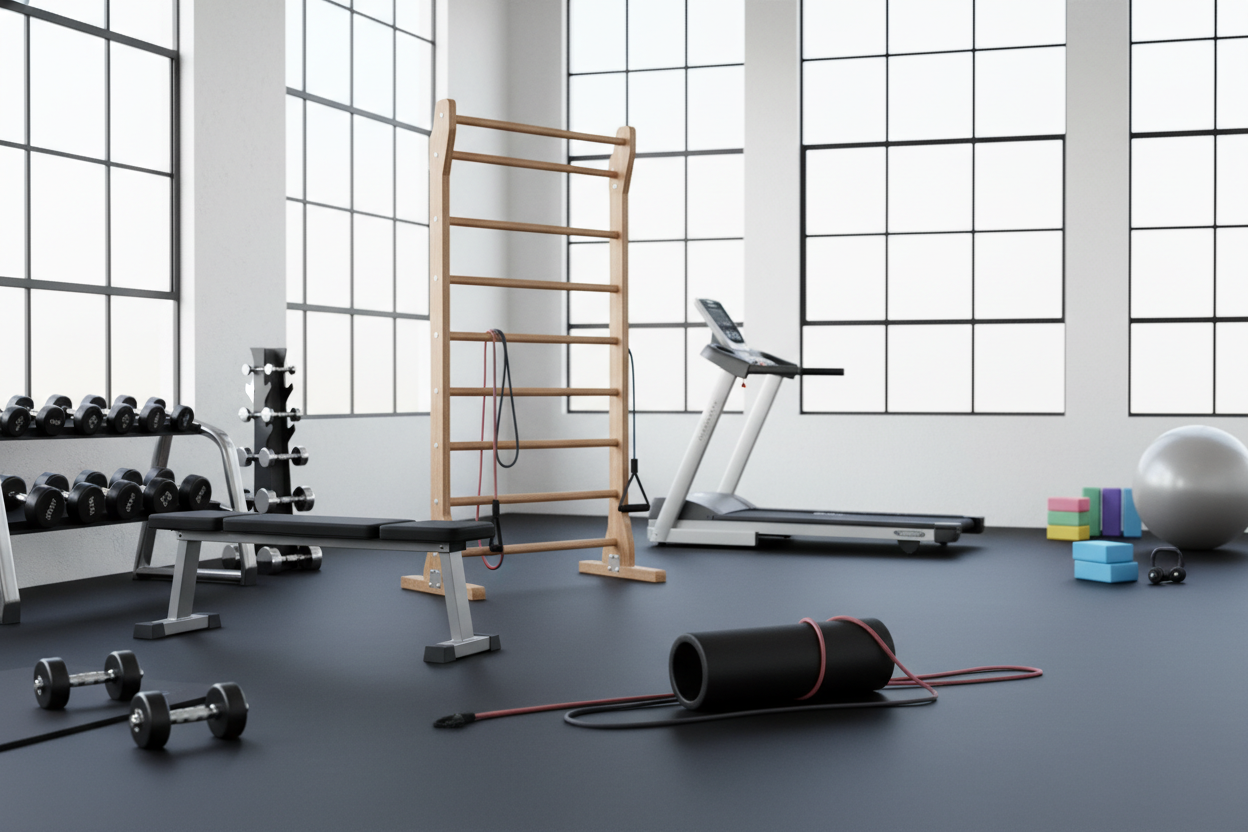
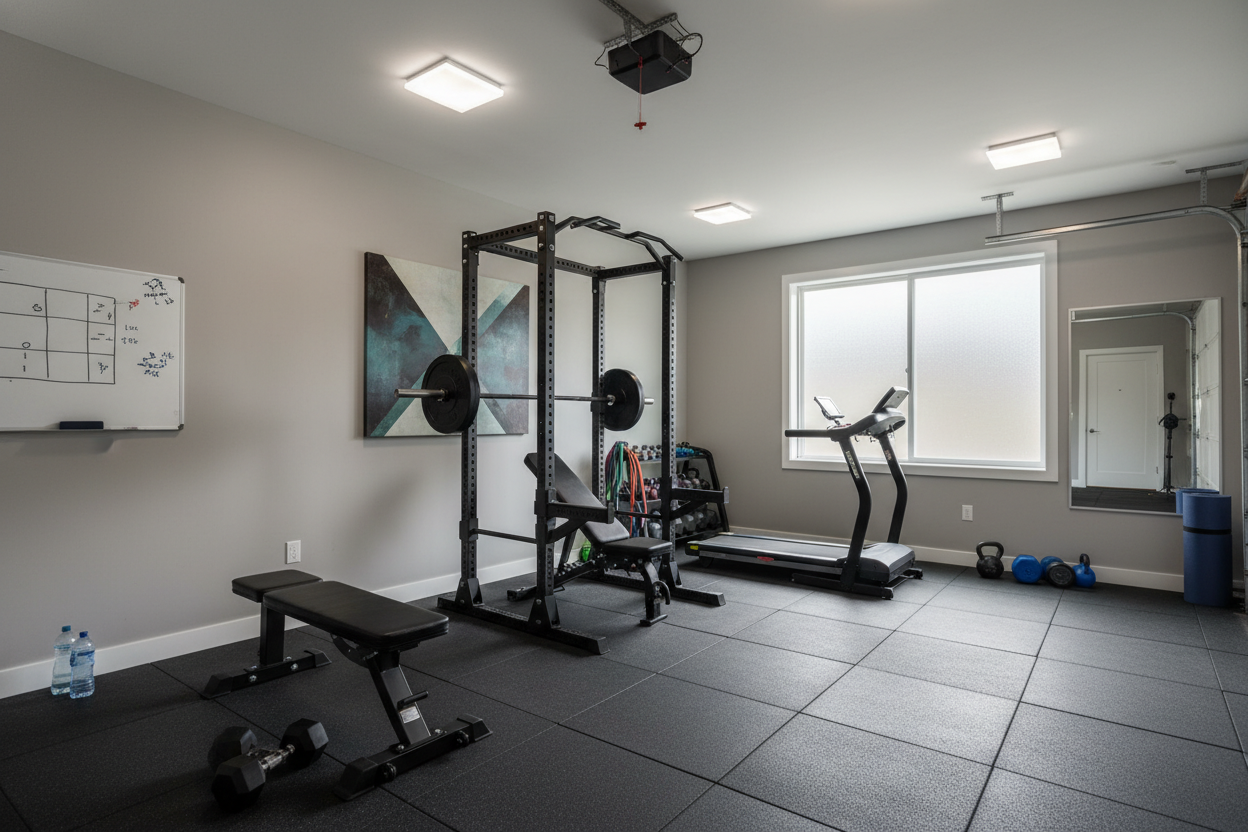
Real strength training at home requires three things: tension, progression, and patience. You don't need a 2,000-square-foot facility, but you do need to treat your living room like one. This means ditching the 30-second rest intervals. If you are lifting a weight that is actually heavy for you, your body needs time to recover ATP so you can hit that same weight again in the next set.
The best home strength training programs focus on big, compound movements. Think goblet squats, overhead presses, and floor presses. Instead of doing 50 reps of a light weight, find a way to make 8 reps feel impossible. Slow down the eccentric (the lowering phase), pause at the bottom, and focus on the squeeze. If you aren't tracking your numbers in a notebook or an app, you aren't training; you're just exercising.
Protecting Your Foundation Before You Lift Heavy
You cannot lift heavy if you are worried about your environment. I have seen guys try to pull heavy deadlifts on bare hardwood, only to spend the rest of the afternoon Googling floor repair costs. Beyond the damage, there is the stability factor. Squatting on a plush carpet or a slippery tile floor is a recipe for a blown-out knee or a dropped weight.
I finally got serious when I cleared out a dedicated space and laid down a high-density 6x8ft exercise mat. It provides the grip you need for heavy lunges and the shock absorption required to protect your subfloor from a 50-lb dumbbell. Having a defined 'lifting zone' also helps mentally; when you step onto that mat, the phone goes away and the work starts. It turns a living room into a legitimate training environment.
How to Program Sets Without Relying on a Timer
Ditch the AMRAP (As Many Reps As Possible) mentality. It encourages sloppy form and injury. Instead, pick a rep range—say, 6 to 10 reps—and stay there. Once you can hit 10 reps with perfect form for all your sets, it is time to make the movement harder. This is called progressive overload, and it is the only way to get stronger over the long haul.
If you only have a limited set of weights, you have to get creative to keep progressing. You can use strength training accessories like resistance bands to add tension at the top of a movement, or fat grips to turn a standard dumbbell into a grip-strength challenge. A 5x5 or 4x8 structure is a classic for a reason: it works. Focus on the quality of the contraction, not the number on the kitchen timer.
Beating the Couch: How to Keep Showing Up
The hardest part of home training isn't the lifting; it's the ten feet between your couch and your weights. When nobody is watching and your bed is in the next room, intensity tends to drift. You start checking your emails between sets, and suddenly a 45-minute workout takes two hours. You have to create a ritual that signals 'gym time.'
Put on your lifting shoes, turn on a specific playlist, and leave the phone in the other room. I struggled with this for months until I finally stuck to a strength training routine at home by treating my garage sessions with the same respect as an appointment. If you treat your home gym like a playground, you'll get playground results. Treat it like a laboratory for strength, and you'll actually see the scale move.
Personal Experience: The Tile Floor Incident
Early in my home gym journey, I tried to save money by using those cheap, interlocking foam puzzle mats from a big-box store. I was doing a set of heavy Bulgarian split squats when the mats slid apart on the slick tile underneath. I went down hard, the dumbbell dented my floor, and I spent a week limping. It taught me that stability is non-negotiable. Now, I won't lift on anything that isn't heavy-duty and non-slip. Spend the money on the floor before you spend it on the fancy adjustable dumbbells.
FAQ
Do I need a power rack to get strong at home?
No, but it helps. You can get incredibly strong with just a heavy set of dumbbells or kettlebells. The key is choosing movements that challenge you in the 5-12 rep range. If you can do 20+ reps easily, the weight is too light for building maximum strength.
How long should I rest between sets?
For strength, aim for 2 to 3 minutes. This feels like an eternity when you are used to HIIT classes, but your central nervous system needs that time to recover so you can produce maximum force on the next set.
Can I build muscle with just bodyweight?
Yes, but you have to manipulate leverage. Moving from a standard push-up to a feet-elevated or one-arm push-up increases the 'weight' your muscles have to move. Eventually, however, adding external load is the most efficient path to growth.