Why Follow-Along Videos Ruin Weight Lifting Programs for Women
I spent years following high-energy trainers on my laptop, frantically swinging 10-pound dumbbells while trying to keep up with a 20-minute timer. I was drenched in sweat and my heart rate was through the roof, but my body never actually changed. I was stuck in the 'toning' trap, a cycle of endless movement that felt like hard work but yielded zero strength. Most weight lifting programs for women marketed today are just cardio sessions with pink weights, and that is exactly why you are not seeing the results you want.
Quick Takeaways
- Follow-along videos prioritize 'burning' over building, which kills muscle growth.
- True strength training requires 2-3 minutes of rest between sets to move heavy loads.
- Repeating the same 'boring' lifts every week is the only way to track real progress.
- Investing in a solid rack and bench is the first step to a serious home gym.
Why Your Screen Is Sabotaging Your Gains
The fundamental flaw with follow-along fitness classes is the pace. These videos are designed to keep you engaged and breathless so you feel like you got a 'good workout.' But if you are rushing to keep up with an instructor, you cannot lift heavy. Period. A legitimate weight lifting for women program should focus on mechanical tension, not how much you can sweat in thirty minutes.
When you are constantly moving, your cardiovascular system becomes the bottleneck. Your lungs give out before your glutes or back even get close to failure. To actually stimulate muscle growth, you need to put the remote down. You need the freedom to take a full two minutes of rest after a heavy set of squats without a screen-based coach yelling at you to start the next round of mountain climbers.
Exercising vs. Training: The Mental Shift You Need to Make
There is a massive difference between exercising and training. Exercising is about burning calories in the moment. Training is about following a structured progression to reach a specific physical goal. Most weight programs for women are just randomized exercise circuits. If every workout is a 'surprise' or 'muscle confusion,' you can never measure if you are getting stronger.
A real women's weight training program requires you to do the same five or six movements for weeks at a time. It sounds dull, but that is where the magic happens. You should stop overthinking weight lifting training programs for beginners and realize that simplicity is your best friend. If you benched 65 pounds last week and 70 pounds this week, you are winning. You do not need a new 'flow' every Tuesday.
What Actually Makes a Women's Weightlifting Program Work
The secret sauce is progressive overload. This means doing more over time—more weight, more reps, or better form. This is impossible to track when you are following a woman weight lifting program that changes the exercises every single session. You need a logbook, a pen, and a heavy set of iron.
You also need to embrace the rest. If you are lifting heavy enough to change your physique, you will need 120 to 180 seconds between sets. That silence is where your ATP restores and your central nervous system recovers. In the world of women's weightlifting program design, 'boring' is a sign that the program actually works. If it feels like a grind, you are doing it right.
Upgrading Your Living Room to a Real Lifting Space
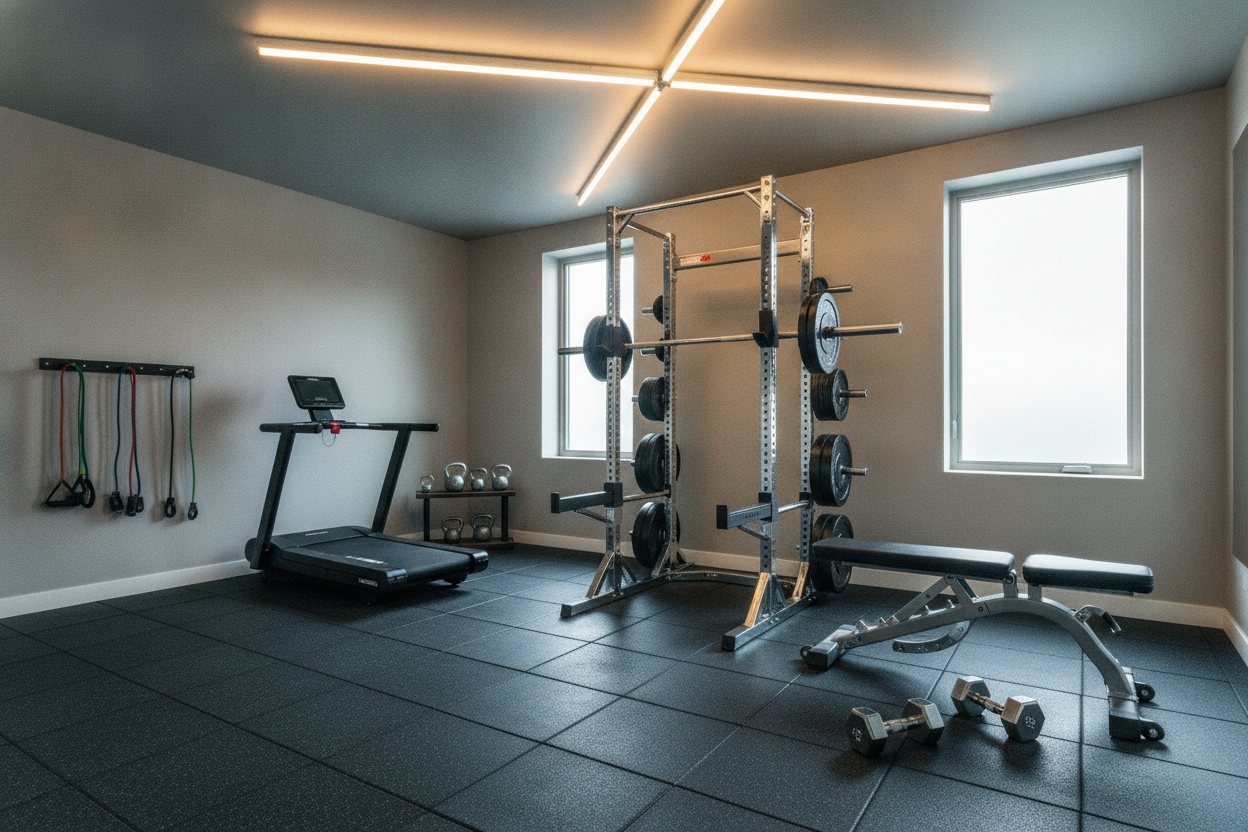
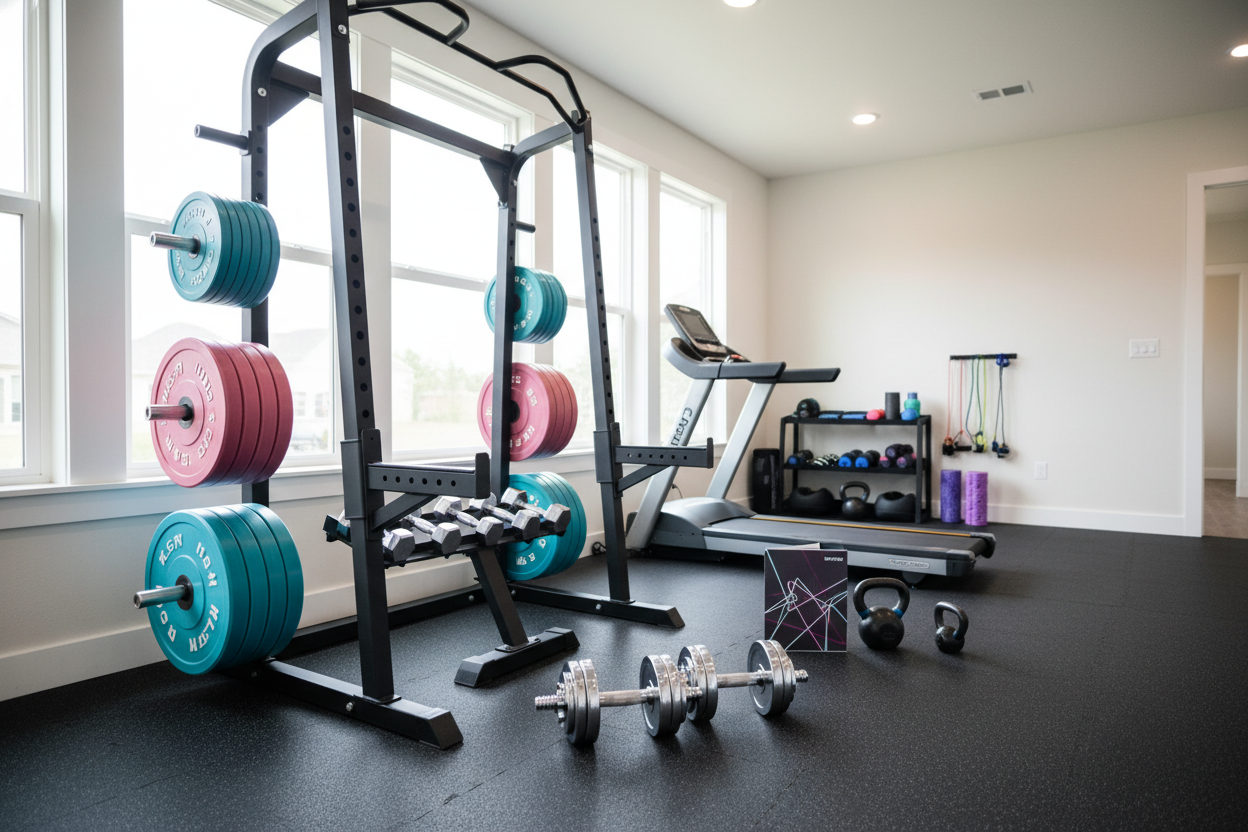
You cannot build a powerhouse physique on a yoga mat. Once you move past the beginner stage, you need equipment that can handle real weight. The first thing I tell anyone is to ditch the floor presses and get a real surface. The Gxmmat Adjustable Weight Bench is the foundational first upgrade; it allows for a full range of motion on presses and a stable base for step-ups.
If you are ready to commit, you need a way to squat and press safely. For those with the space, the Gxmmat X6 Power Rack Weight Bench Package is the gold standard for home setups. It gives you the safety of spotter arms so you can actually push to failure without a human spotter. While some people look for commercial weight lifting machines, a sturdy rack and bench provide identical benefits in a much smaller footprint, allowing you to perform every major compound lift that drives body composition changes.
How to Pace Yourself When There's No Instructor Shouting at You
Transitioning to a self-guided women's weight lifting plan can feel intimidating at first. The silence of a garage gym is a far cry from the pulsing beat of a studio class. But that silence is where you learn to listen to your body and focus on your bracing and technique. Use a simple app or a physical notebook to track every single set. If it isn't written down, it didn't happen.
I struggled with the transition too. I missed the 'energy' of a coach until I realized that my energy was better spent on a 150-pound deadlift than on high-fiving a screen. Looking back at how I finally stuck to a lifting weight program for a full year, the key was realizing that my progress was my own responsibility. You don't need a cheerleader; you need a plan and the discipline to execute it when the house is quiet.
Personal Experience: The 5-Pound Mistake
Early on, I bought a set of 'pretty' neoprene dumbbells that maxed out at 8 pounds. I thought they would last me forever. Within three weeks, I was lunging them for 30 reps and getting nowhere. I wasted money because I was afraid of looking 'too serious.' The biggest mistake you can make is buying gear you'll outgrow in a month. Buy the rack. Buy the heavy plates. Your future self will thank you for not making her buy everything twice.
FAQ
Do I need a lot of space for a home weight lifting program?
Not necessarily. A high-quality adjustable bench and a set of expandable dumbbells can fit in a 4x6 foot area. However, if you want to use a barbell, you'll need at least an 8-foot wide path to clear the plates.
Will lifting heavy weights make me 'bulk up'?
No. Most women lack the testosterone levels to build massive 'bodybuilder' muscle without extreme intentionality and years of specific training. Heavy lifting usually results in a denser, leaner, and more 'toned' appearance.
How many days a week should I lift?
For most women, 3 to 4 days of full-body or upper/lower split training is the sweet spot. This allows for maximum intensity during the session and 48 hours of recovery between hitting the same muscle groups again.