Fast-Twitch Muscle Loss: Older Adults Strength Training Done Right
I recently watched a neighbor in his 70s dutifully carrying two-pound pink dumbbells while walking the neighborhood. He’s consistent, I’ll give him that. But biologically speaking, those plastic-coated toys aren't doing a lick of good for his longevity. When we talk about older adults strength training, we have to stop treating seniors like they’re made of glass. The reality is that aging is a process of losing speed and power, and you can’t fix a power problem with low-intensity cardio.
Most people think getting older just means getting a little weaker. It’s actually more specific: you’re losing your Type II, fast-twitch muscle fibers at an alarming rate. These are the fibers that allow you to react, jump, and—most importantly—catch yourself if you slip on a wet sidewalk. If you don't use them, you lose them, and walking around the block won't bring them back.
Quick Takeaways
- Type II muscle fibers (fast-twitch) decline much faster than endurance fibers as we age.
- Low-intensity exercise fails to recruit the high-threshold motor units needed to stop muscle wasting.
- Lifting heavier loads with lower volume is safer and more effective for joint health than high-rep 'toning' routines.
- Progressive overload is the only way to trigger the central nervous system to maintain bone density and muscle mass.
The Silent Thief: Losing Your Fast-Twitch Muscle Fibers
Sarcopenia is the medical term for age-related muscle loss, but the 'silent thief' here is the specific degradation of Type II fibers. Your body is a master of efficiency. If it decides you no longer need to move heavy objects or move quickly, it stops maintaining the expensive machinery required to do so. This is why strength training in older adults is so vital; it’s a 'use it or lose it' biological mandate.
By the time you hit 70, you may have lost up to 50% of your fast-twitch motor units if you've stayed sedentary. This isn't just about vanity or having nice triceps for the beach. These fibers are your insurance policy against falls and fractures. When you trip, your brain sends a lightning-fast signal to your legs to stabilize. If those fast-twitch fibers are gone, your legs simply can't move fast enough to prevent the impact. Heavy lifting is the only way to keep those neural pathways open.
Why Taking It Easy Is the Riskiest Move You Can Make
The standard advice for seniors is often 'stay active,' which usually translates to mall walking or water aerobics. While better than the couch, these activities are biologically insufficient for maintaining strength. To trigger an adaptation, you have to create enough tension to force the central nervous system to recruit dormant motor units. If the weight is too light, your body just uses the slow-twitch fibers it already has and ignores the rest.
This is why high-rep, low-weight routines are a trap. They create a lot of metabolic 'burn' and sweat, which makes you feel like you worked hard, but they don't provide the mechanical tension necessary to build bone density or preserve fast-twitch muscle. You need to move weights that actually challenge your structural integrity. It sounds scary, but the biological failure to adapt is much scarier than a 45-pound barbell.
Ditch the Toy Weights: Gear That Actually Forces Adaptation
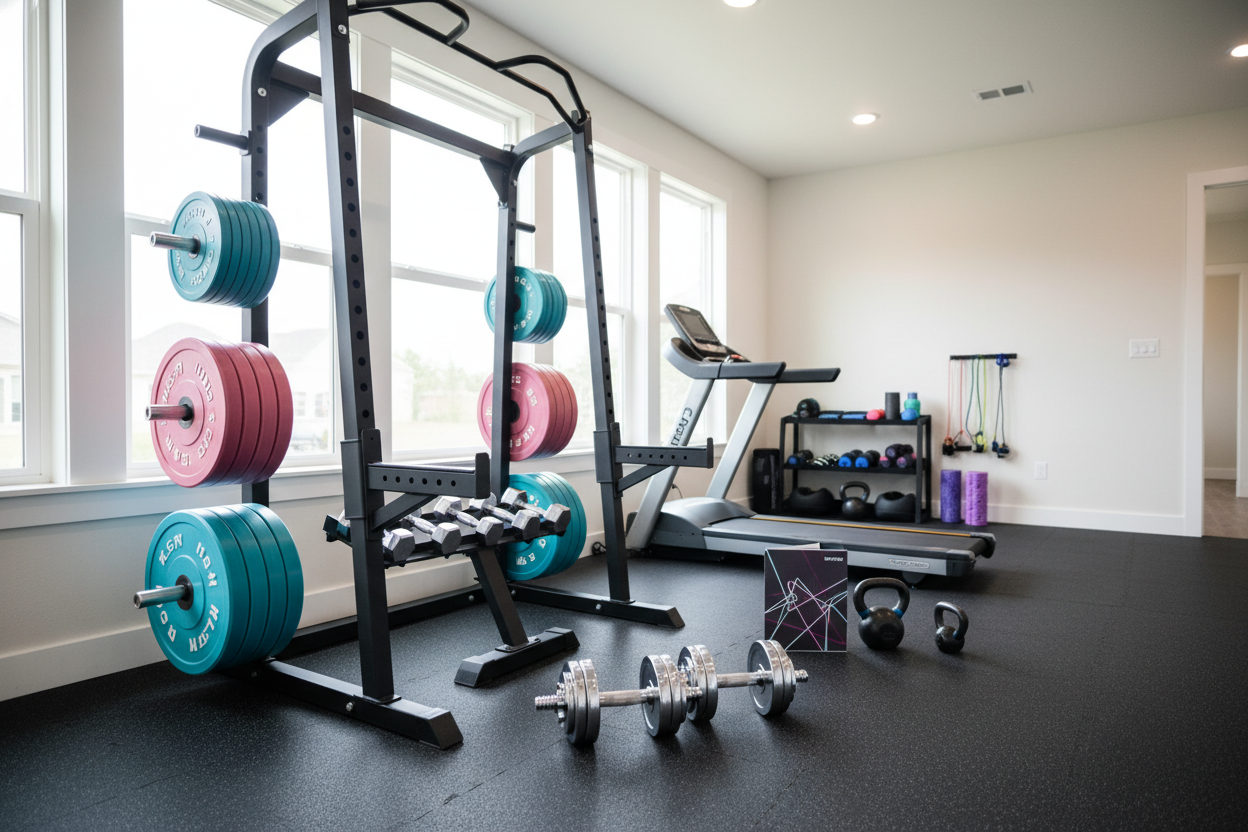
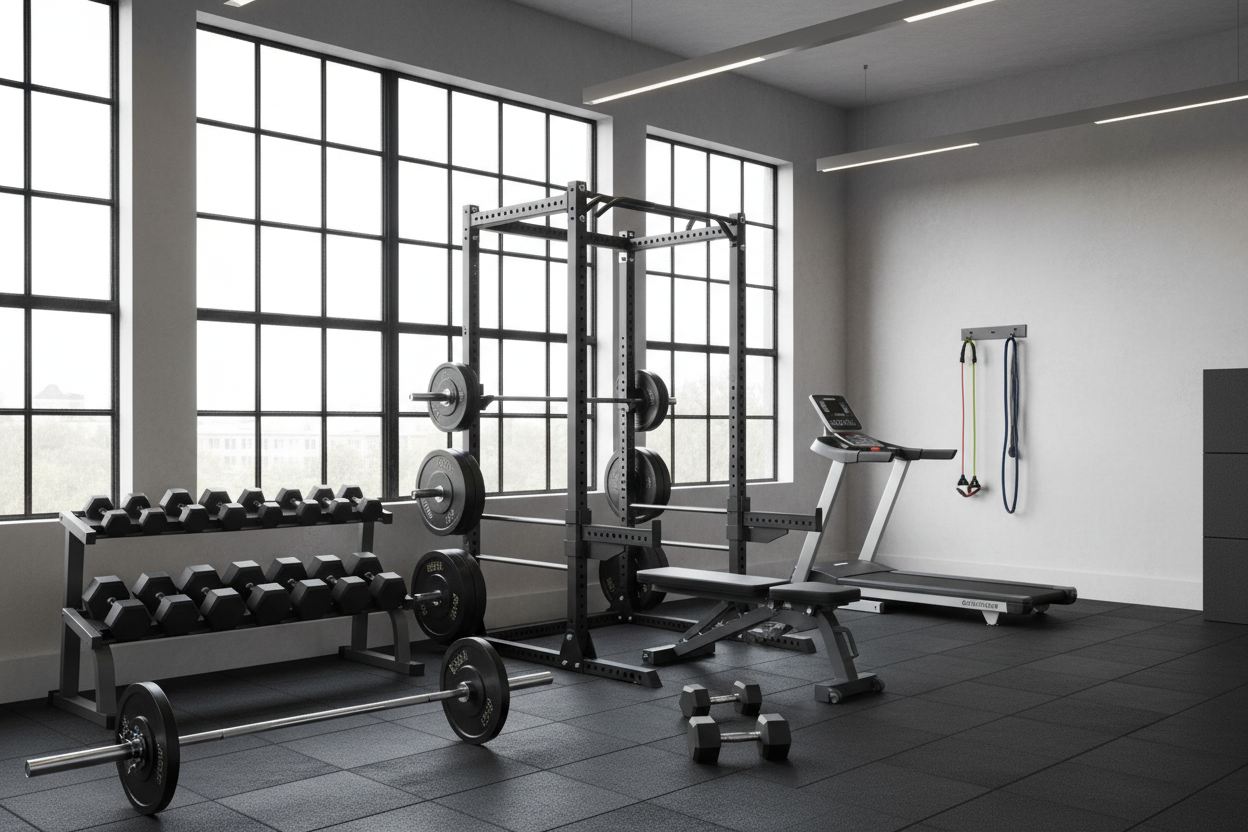
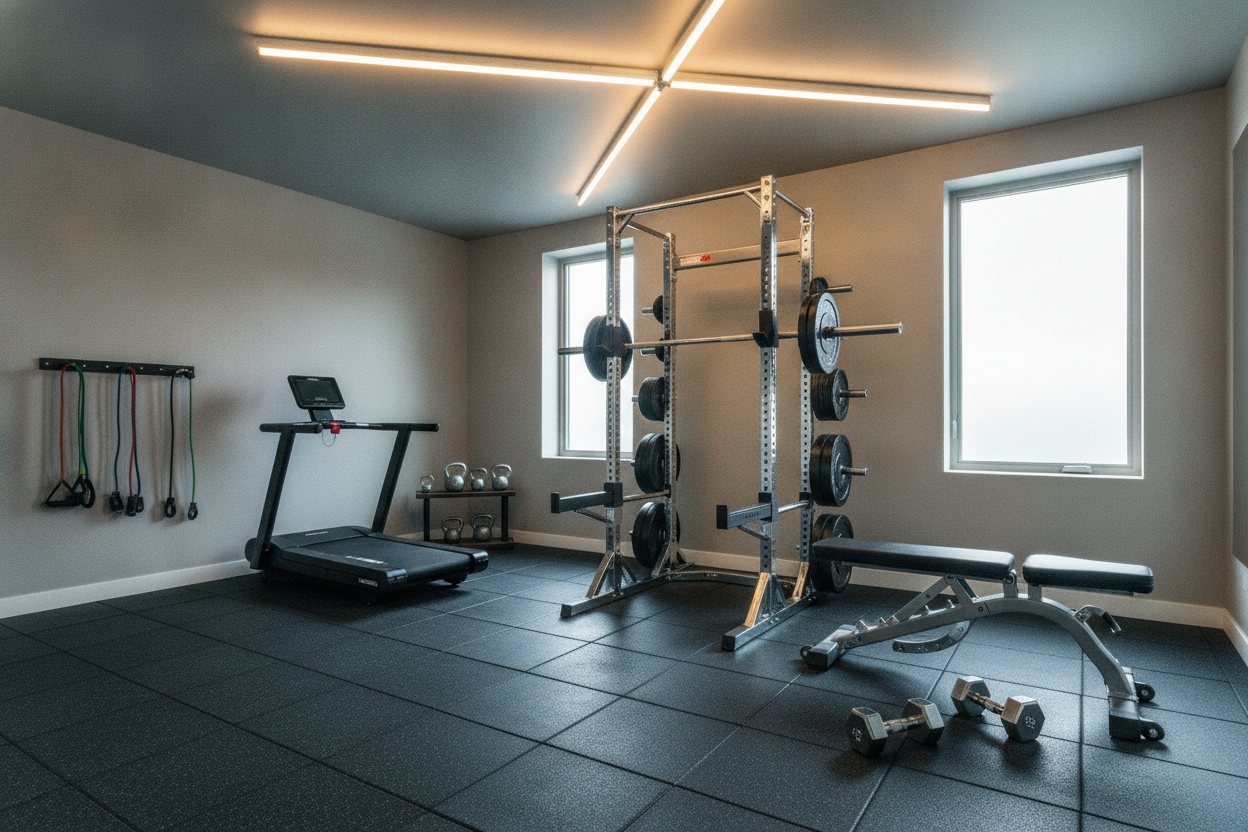
You don't need a commercial-grade power rack, but you do need tools that allow for meaningful loading. A pair of 10-pound dumbbells is a starting point, not a destination. I always recommend moving toward actual Strength Equipment that allows for incremental progress. If you can't add five pounds to the movement next month, you aren't training—you're just exercising.
For a home setup, I’m a huge fan of adjustable dumbbells or a single, heavy kettlebell. The goal is to have enough resistance to make a set of five to eight reps feel difficult. If you can do 20 reps easily, the weight is too light to save your fast-twitch fibers. Look for gear that fits in a 6x8 foot space but has the durability to handle being dropped or set down heavily. Cast iron doesn't care how old you are; it provides the same gravity-based resistance regardless.
Programming Heavy Without Wrecking Weak Joints
The biggest myth in fitness is that heavy weights wreck joints. In reality, weak muscles wreck joints because they can't stabilize the skeleton. However, you do have to be smart. Instead of the high-volume 'pump' work you see in bodybuilding magazines, older lifters should focus on quality over quantity. Think three sets of five reps rather than three sets of fifteen.
You should also stop isolating small muscles. Ditch the Bro Split in Your Strength Training Program for Muscle Growth and move toward full-body sessions. Squats (even to a chair), hinges, and presses involve multiple joints and more muscle mass, which creates a larger hormonal and neurological response. You want to train the body as a single unit, just like it moves in the real world. Rest at least 48 hours between sessions; your muscles might recover fast, but your tendons and nervous system need the extra time.
The Small Add-Ons That Keep the Routine Safe at Home
Sometimes the spirit is willing but the grip is weak. I’ve seen many older lifters stop progressing because their hands hurt or their grip slips, even though their legs could handle more weight. This is where Strength Training Accessories become essential. Lifting straps or versa-grips can take the load off your finger joints and put it directly onto the larger muscles you're trying to target.
Don't be too proud to use gear. If a pair of knee sleeves keeps your joints warm and confident, wear them. If a weight belt helps you maintain intra-abdominal pressure during a deadlift, use it. These aren't 'crutches'—they are tools that allow you to bypass minor physical limitations so you can continue to provide the heavy stimulus your Type II fibers crave. Safety isn't about avoiding weight; it's about using the right tools to handle it correctly.
My Personal Experience with Aging Trainees
I started training my father when he was 68. At first, I was the 'cautious' coach. I had him doing bird-dogs and bodyweight squats. After a month, he looked at me and said, 'This is boring, and I don't feel any stronger.' I realized I was falling for the same ageist traps I usually rail against. We put a bar on his back and started a basic linear progression. Within six months, he was squatting 135 pounds. His chronic lower back pain vanished, and his gait became noticeably more aggressive. My mistake was thinking he was fragile; his body was just waiting for a reason to be strong again.
Frequently Asked Questions
Will lifting heavy weights cause a stroke or heart attack?
If you have untreated high blood pressure, consult a doctor first. However, for most, the temporary spike in blood pressure during a lift is far less dangerous than the long-term cardiovascular risks of being weak and sedentary. Just remember to breathe—never hold your breath (the Valsalva maneuver) excessively if you have BP concerns.
What if I have arthritis in my hands?
Arthritis is actually a reason to lift, not a reason to quit. Use straps to help you hold the weights, or use 'fat grips' to make the diameter larger and more comfortable for your hands. Movement promotes synovial fluid flow, which lubricates the joints.
Do I need to go to a commercial gym?
No. You can do 90% of what you need with a flat bench and a set of adjustable dumbbells in your garage. The key is having enough weight to actually challenge yourself, which usually means having at least 50-lb options per hand as you progress.