Why The Best Deltoid Exercises for Size Look Like Back Day
I remember staring at my shoulders in my garage gym mirror three years ago, wondering why they looked like flat pancakes from the side. I had the front delts from benching and the side delts from endless lateral raises, but the back was empty. I was doing those 10-lb reverse flyes every 'expert' recommends, feeling a slight burn but seeing absolutely zero growth. If you want the best deltoid exercises for size, you have to stop thinking of the rear head as a tiny accessory and start treating it like a powerhouse muscle.
Quick Takeaways
- Isolation moves with light weights rarely provide enough stimulus for rear delt growth.
- Compound rowing movements allow for the progressive overload needed for 3D shoulders.
- Mechanical tension is the primary driver of hypertrophy, not just the 'burn' from high reps.
- Stability and floor traction are essential when transitioning to heavy pulling movements.
Stop Treating Your Rear Delts Like Glass
Most lifters treat their posterior delts like delicate surgical instruments. They pick up the lightest dumbbells in the rack and perform 20 reps of flapping their arms like a bird. It feels like it is working because of the lactic acid buildup, but you are not moving enough weight to force the muscle to actually adapt and grow. You need to learn how to workout back shoulder muscles by moving substantial iron.
The rear delt is a surprisingly strong muscle when given the chance. If you can perform 15 reps without your form even flickering, the weight is too light. To see real change, you have to apply the same intensity to your rear shoulders that you do to your chest or quads. Stop being afraid to grab the heavy dumbbells or load an extra plate on the bar.
The Best Exercise for Back Shoulder Muscles Isn't a Fly
The best exercise for back shoulder muscles is actually a wide-grip row. When you pull with your elbows flared out at about 45 to 70 degrees, you are putting the posterior deltoid in its strongest line of pull. Unlike a reverse fly where the lever arm is long and weak, a row allows you to move significantly more weight. Moving from 15-lb flyes to 135-lb rows is a massive jump in mechanical tension.
This shift in load is How To Build 3D Delts With The Best Back Of Shoulder Exercises that actually last. You aren't just chasing a temporary pump; you are building structural density. By using compound pulling movements, you involve the traps and rhomboids as well, creating a thick upper back that makes your shoulders look even wider from every angle.
Building Your Heavy Shoulder Back Side Workout
If you want to build a serious shoulder back side workout, keep it simple and heavy. Start with the Wide-Grip Barbell Row. Grip the bar well outside your usual bench press width and pull toward your lower chest, keeping your elbows out. This puts the stress right on the rear delts and upper back.
Follow that up with Heavy Face Pulls using a rope attachment. Don't just pull to your nose; pull through your head and think about ripping the rope apart at the end of the movement. Finally, finish with chest-supported dumbbell rows where your elbows flare wide. This three-movement framework hits the delts from multiple angles while allowing for the heavy loading that isolation moves just can't match.
Why Heavy Pulls Demand a Solid Foundation
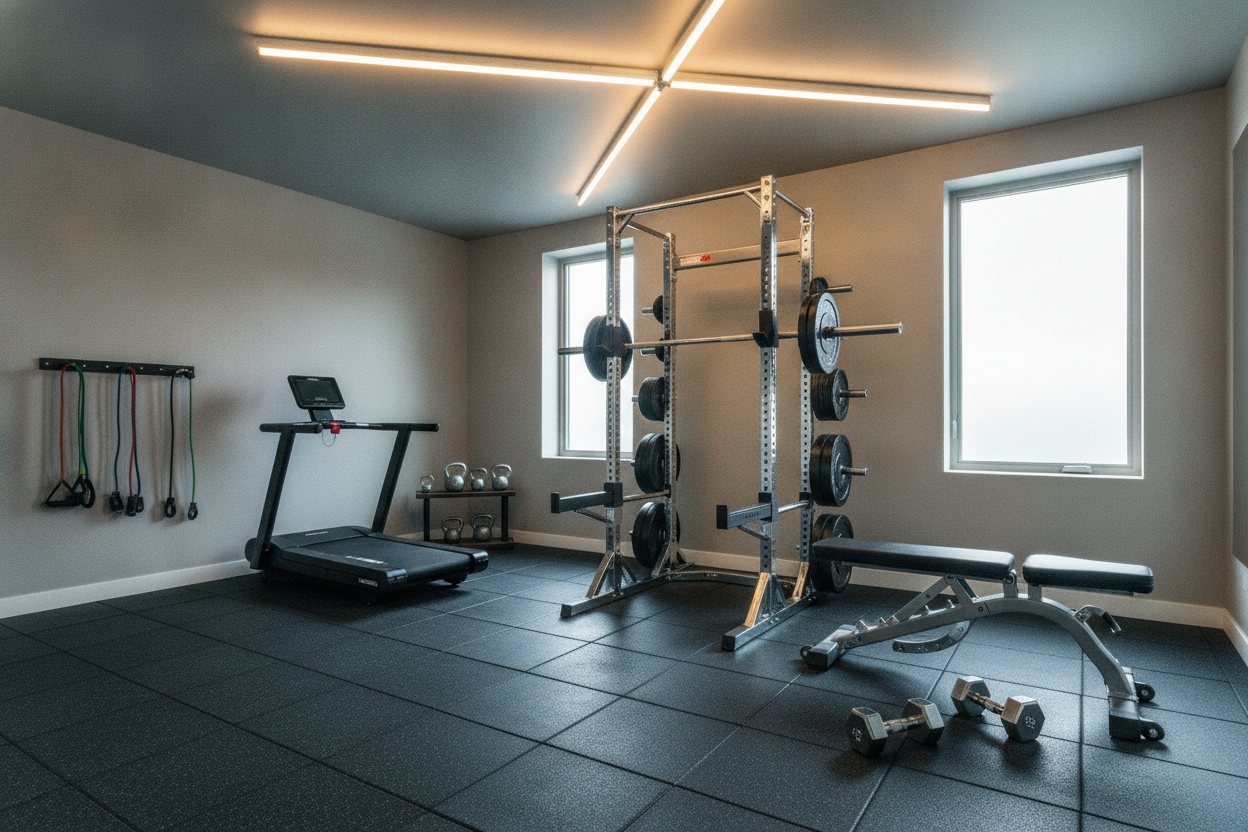
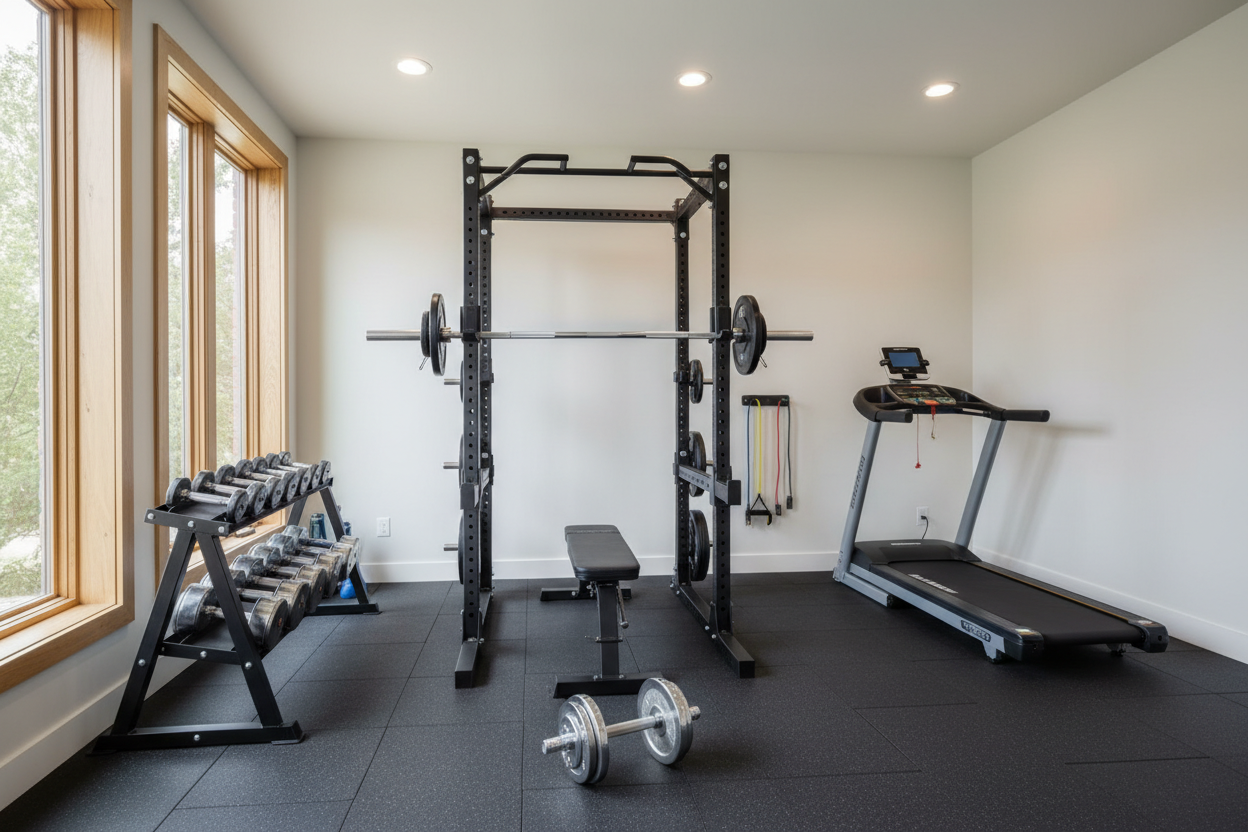
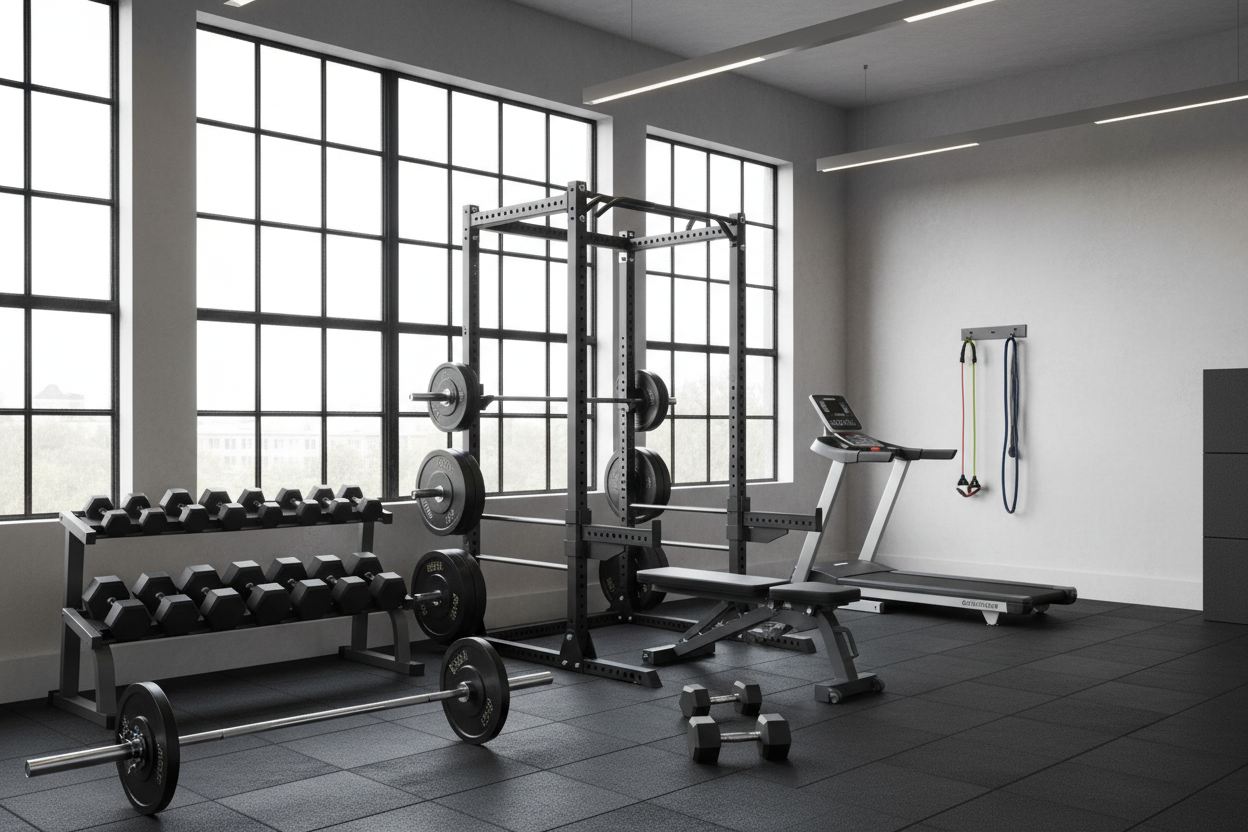
When you start rowing heavy weight in a bent-over position, your feet become your most important piece of equipment. If you are training on slick concrete or a cheap, thin mat that bunches up under your sneakers, your brain will subconsciously limit your power output to keep you from slipping. I have seen guys fail a set not because their muscles gave out, but because their footing felt 'mushy.'
Investing in a Large Exercise Mat For Home Gym provides the high-traction surface you need to plant your feet and pull with maximum intent. When you aren't worried about your feet sliding out from under you, you can focus entirely on driving your elbows back and crushing your rear delts. Stability equals strength.
Programming the Lifts Without Overtraining
You cannot simply add five heavy rowing movements to every session and expect to recover. I usually slot these 'back-delt' movements into my dedicated pull days. If you are running a traditional split, hit them on back day rather than shoulder day. This ensures your rear delts are getting hit when your lats and traps are already warm and ready for heavy loads.
For those looking for a specific aesthetic balance, this approach can even help Build The Hourglass Look Shoulder And Back Workout For Females At Gym by widening the upper frame. A wider upper back and fuller rear delts make the waist appear smaller by comparison. It is all about creating that visual taper through heavy, smart training.
My Personal Experience
I spent years stuck on 15-lb dumbbells for rear flyes. My shoulders looked like two-dimensional pancakes. It wasn't until I started doing 'Kroc Rows' with a rear-delt emphasis—using 100-lb dumbbells and a bit of body English—that my shoulders finally popped. My mistake was being too 'pure' with my form and using weights that didn't challenge my nervous system. Once I started rowing heavy, the size followed.
FAQ
Can I do these heavy rows every day?
No. These are heavy compound movements that tax your central nervous system. Treat them like a bench press or squat—hit them 2-3 times a week max with plenty of recovery time.
Will heavy rows make my back too wide?
There is no such thing as 'too wide' if you want 3D shoulders. A thick upper back provides the foundation that makes your delts stand out.
What if my grip fails before my shoulders?
Use lifting straps. We are training the posterior deltoids here, not doing a grip strength competition. Don't let a weak grip limit your shoulder growth.