Why Every Strength Training Video for Women Over 50 Feels Like Aerobics
I spent forty minutes yesterday scrolling through fitness channels, and I’ve got to be honest: the industry thinks women over 50 are made of glass. I was looking for a legitimate strength training video for women over 50 to recommend to a friend, but all I found were people in pastel spandex doing jazz hands with one-pound pink dumbbells.
If you’re sweating because you’re moving fast, that’s cardio. If you’re sweating because the weight feels like it’s going to pin you to the floor if you don’t focus, that’s strength. Most of what’s labeled as lifting for midlife women is just aerobics in disguise. I’ve tested enough gear and coached enough people to know that 'toning' is a myth—you either build muscle or you don't.
- If there’s no rest between sets, it’s cardio, not strength training.
- Complex 'combo moves' (like squatting while curling) limit how much weight you can actually move.
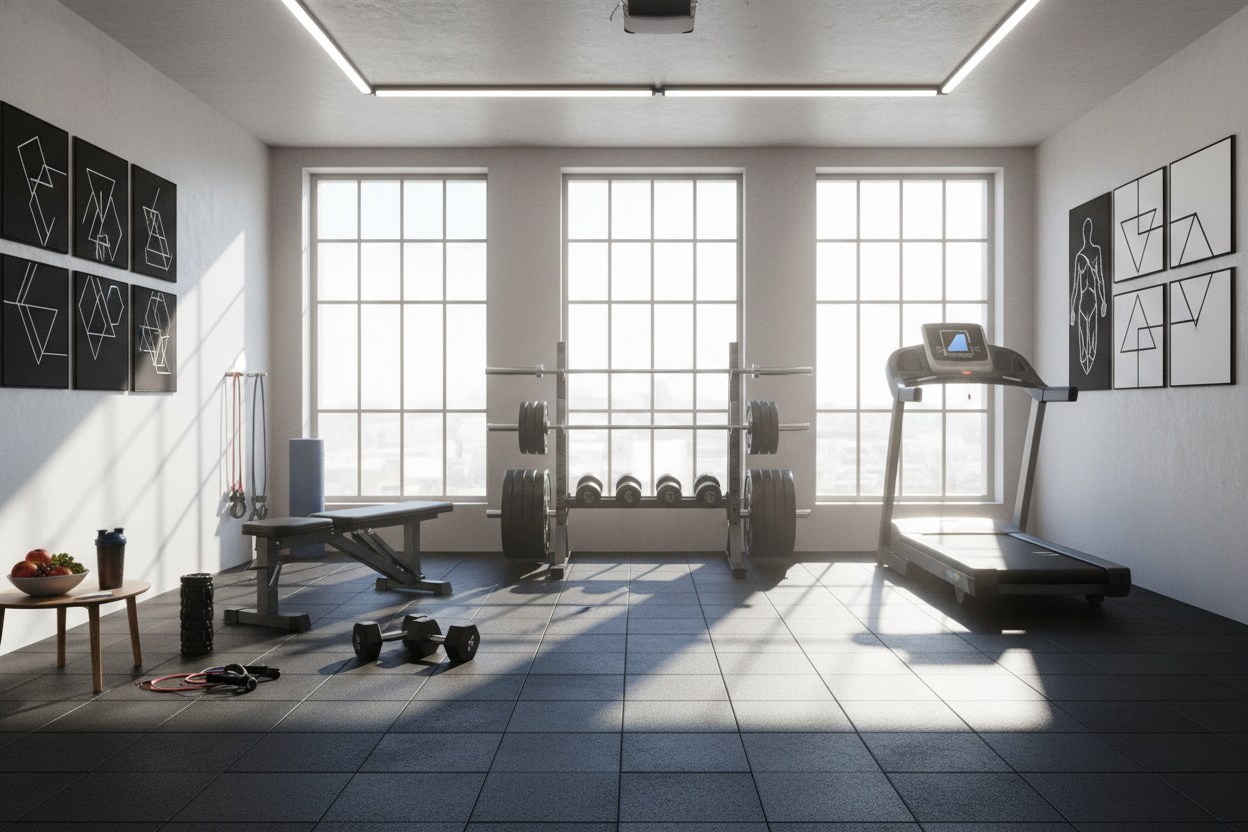
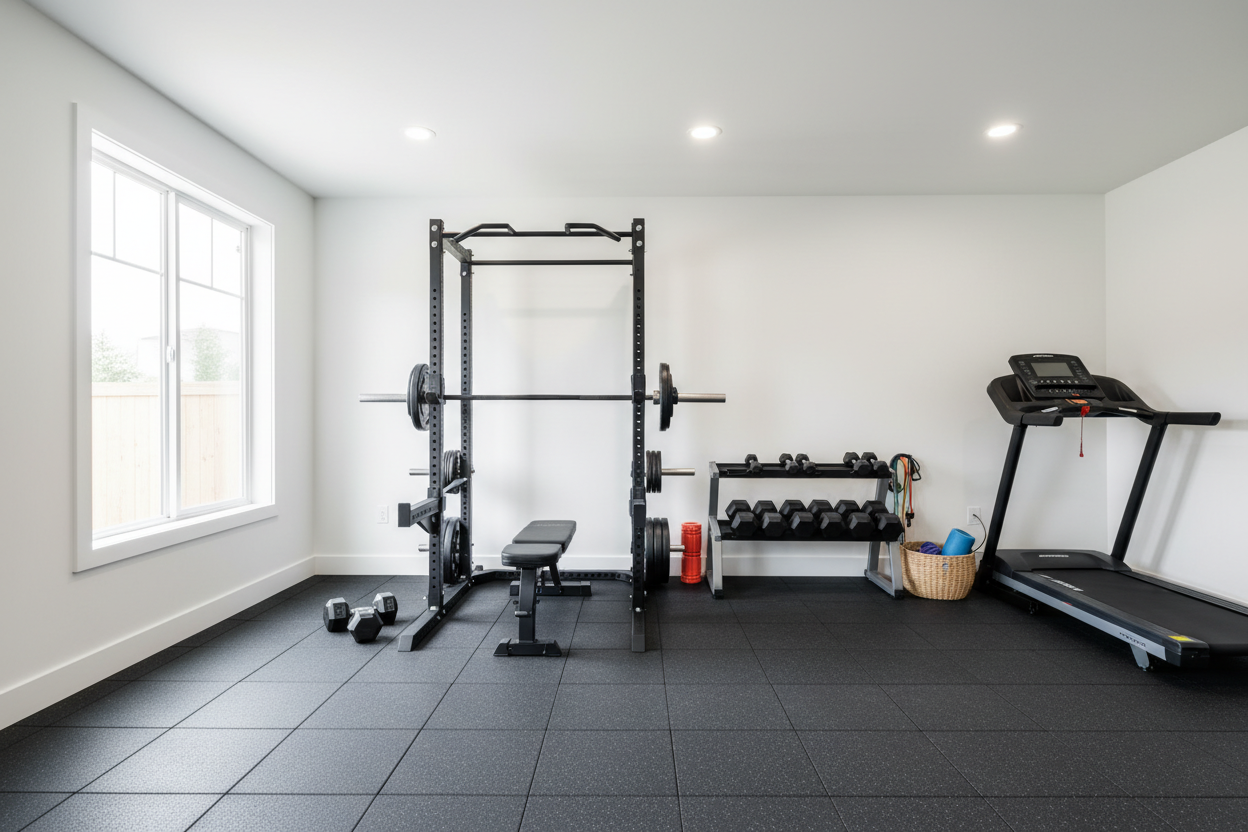
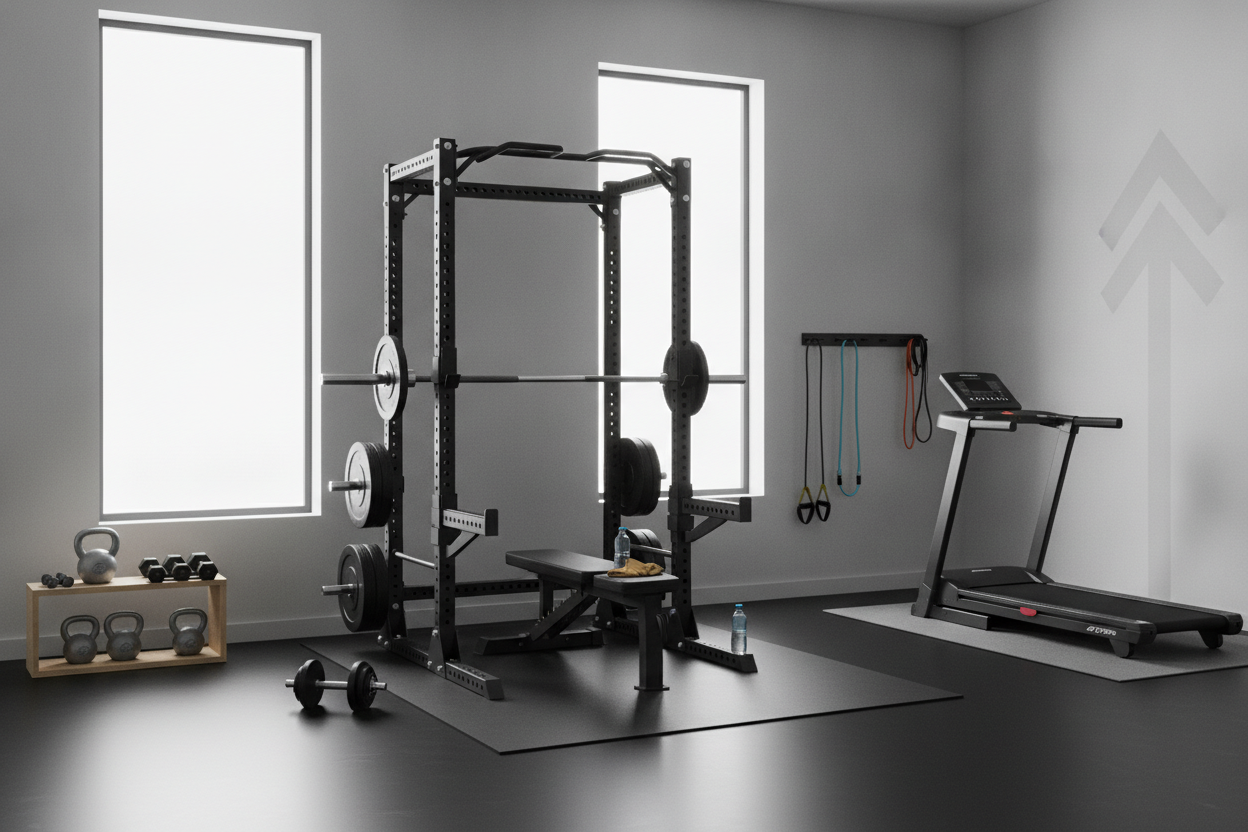
- You need a sturdy bench and real weights, not just bands and floor mats.
- Progressive overload is the only way to maintain bone density.
The Dirty Secret of Online Workouts for Midlife Women
When you search for 'youtube strength training for women over 50', the algorithm serves up 'low impact' and 'toning' routines. These videos are designed to keep your heart rate up so you feel like you did something. But 'feeling' worked and actually getting stronger are two different things.
Real strength requires intensity and tension. If you can do 30 reps of a move without your form breaking down or your muscles shaking, you aren't building muscle; you're just practicing being tired. Most 'strength training for women over 50 youtube' creators are too afraid to tell you to pick up something heavy, fearing it’ll scare off viewers.
Three Red Flags in Your Favorite Follow-Along Routine
First, look at the rest periods. If the instructor moves from a lunge to a press with zero break, they’re training your lungs, not your glutes. True strength training needs 60 to 90 seconds of rest so your ATP stores can recover for the next heavy set. If you aren't resting, you aren't lifting heavy enough.
Second, watch out for the 'squat-curl-press' nonsense. Your legs can handle fifty pounds, but your shoulders might only handle ten. By combining them, you're short-changing your biggest muscle groups. We need to stop handing seniors 2lb weights and start letting them focus on one movement at a time with a load that actually challenges the target muscle.
Third, if the instructor is smiling through the entire set while talking in full sentences, the weight is too light. Strength training should look like work. It should require a deep breath, a braced core, and a bit of a grit-your-teeth face on that last rep. If it looks like a dance class, it is a dance class.
How to Find Videos That Actually Teach Progressive Overload
When vetting 'weight training routines over 50 female youtube' content, look for instructors who talk about 'RPE' (Rate of Perceived Exertion) or 'reps in reserve.' They should be teaching you how to feel for the limit of your capability, not just counting to twelve and stopping regardless of how easy it felt.
The best creators focus on the 'Big Four': some version of a squat, a hinge (like a deadlift), a push, and a pull. You'll notice that effective strength training for women over 50 doesn't use machines or overly complicated setups; it uses gravity and iron. Look for coaches who prioritize form cues like 'pack your shoulders' or 'drive through the mid-foot.'
The Bare-Bones Gear You Need to Follow Along Properly
You don’t need a $3,000 functional trainer, but you do need a solid foundation. A floor mat is fine for yoga, but for real lifting, you need a Gxmmat Adjustable Weight Bench. It gives you the stability to do seated overhead presses and chest presses without wobbling or hurting your back. I've used cheap benches that creak under 150 lbs—don't risk it.
Beyond a bench, grab some basic strength training accessories like a set of fractional plates or a pair of lifting straps. I’ve seen too many women stop a set because their hands hurt, even though their legs had five more reps in them. Don't let your grip strength be the bottleneck for your leg development.
Don't buy the 'beauty' dumbbells covered in neoprene. Get a pair of adjustable dumbbells or a solid set of hex bells. You might start at 10 pounds, but if you're doing it right, you'll outgrow those in three months. If your gear doesn't allow you to increase the weight, your progress will stall.
What to Do When the Video Ends (Because YouTube Can't Add Weight for You)
The biggest flaw in 'strength training for women over 50 youtube' culture is the 'replay' button. If you do the exact same 20-minute video with the exact same 8-pound weights for six months, you aren't training—you're maintaining. Muscle growth requires a 'stimulus'—something the body isn't used to.
You have to be your own coach. If the video says do 10 reps and you could have done 15, it’s time to grab a heavier bell. This is called auto-regulation. YouTube provides the choreography, but you provide the resistance. If you aren't slightly intimidated by your weights once a week, you aren't growing.
Personal Experience: The Day I Realized 'Senior' Workouts Were a Trap
A few years ago, I helped my mother-in-law find a routine. We started with the top-rated 'over 50' videos. After two weeks, she told me her knees hurt more than before, but she didn't feel any stronger. We looked at the video: it was 30 minutes of high-speed air squats and 'arm circles.' We ditched the videos, bought a barbell, and taught her to deadlift. Her knee pain vanished because her hamstrings finally showed up to the party. The 'safe' workout was actually the one causing the most wear and tear.
FAQ
Can I build muscle after 50 with just videos?
Yes, but only if you ignore the instructor's weight choices. Use the video for the timing and the movement, but pick up weights that actually make the last two reps difficult. If they use 3 lbs and you can handle 15, use the 15.
How many times a week should I lift?
Three days is the sweet spot. It gives your central nervous system enough time to recover. Lifting every day is a recipe for joint inflammation, not muscle growth, especially as recovery slows down in your 50s.
Is it safe to lift heavy at my age?
It's safer than being weak. Sarcopenia (muscle loss) is the real danger to your independence. As long as your form is locked in and you aren't ego-lifting, heavy resistance is the best medicine for aging joints and bone density.