I Hate How We Teach Strength Training for Overweight Beginners
I remember watching a guy at my local commercial gym—easily 300 pounds—getting barked at by a trainer to do burpees. His knees were screaming, his face was purple, and I knew he’d be gone in a week. It’s the same old story: we tell heavier folks to 'burn calories' first, while the iron is reserved for the lean guys. That’s backwards. strength training for overweight beginners is the most effective way to change your body composition while actually protecting your skeleton from the impact of gravity.
- Strength training builds a metabolic engine that burns calories even when you’re sitting on the couch.
- Standard barbell movements often need modifications to account for belly interference and joint stress.
- Stability is your best friend; use benches and machines to stay safe while lifting heavy.
- Consistency beats intensity every single time in the first 90 days.
The Treadmill Trap (And Why You Need Iron Instead)
Most people think that if you’re carrying extra weight, you should live on the treadmill until the scale drops. That is a recipe for shin splints and boredom. Cardio is great for your heart, but weight lifting for overweight beginners is what actually changes the game. When you carry more mass, you already have a built-in advantage: you’re basically wearing a weighted vest 24/7. Your muscles are primed to move heavy loads.
By focusing on strength, you’re building muscle tissue that demands energy. This turns your body into a furnace. Plus, lifting builds bone density and strengthens the connective tissues around your knees and hips. If you just do cardio, you’re pounding your joints without building the muscular 'armor' needed to support them. I’ve seen more people wash out of fitness because of treadmill-induced knee pain than I have from lifting a heavy dumbbell.
Why Standard Starter Programs Break Heavy Lifters
Most 'beginner' programs like Starting Strength or Stronglifts 5x5 assume you have the mobility of a high school athlete. They throw you into low-bar back squats and conventional deadlifts on day one. For a heavier lifter, your center of gravity is different. Your gut might physically prevent you from reaching a full range of motion without your lower back rounding like a bridge. Pushing through that isn't 'tough'—it's how you herniate a disc.
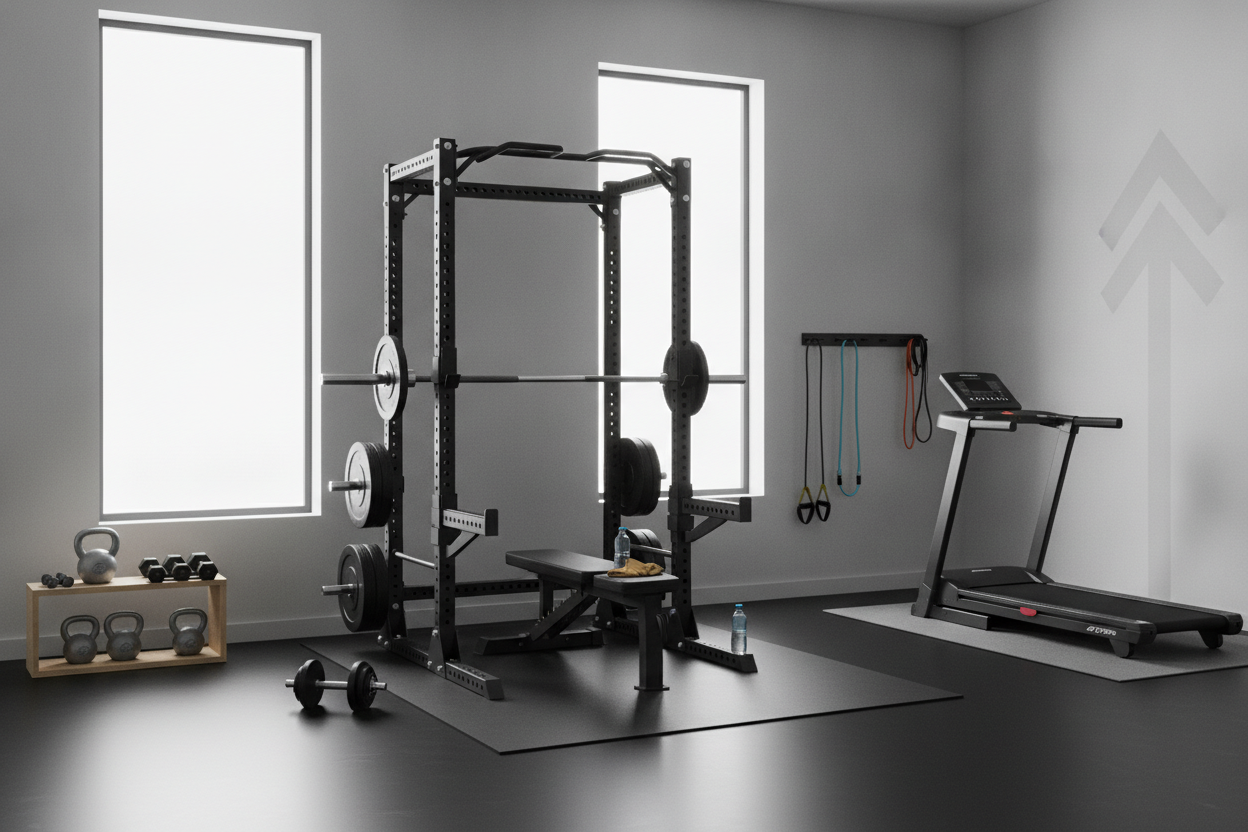
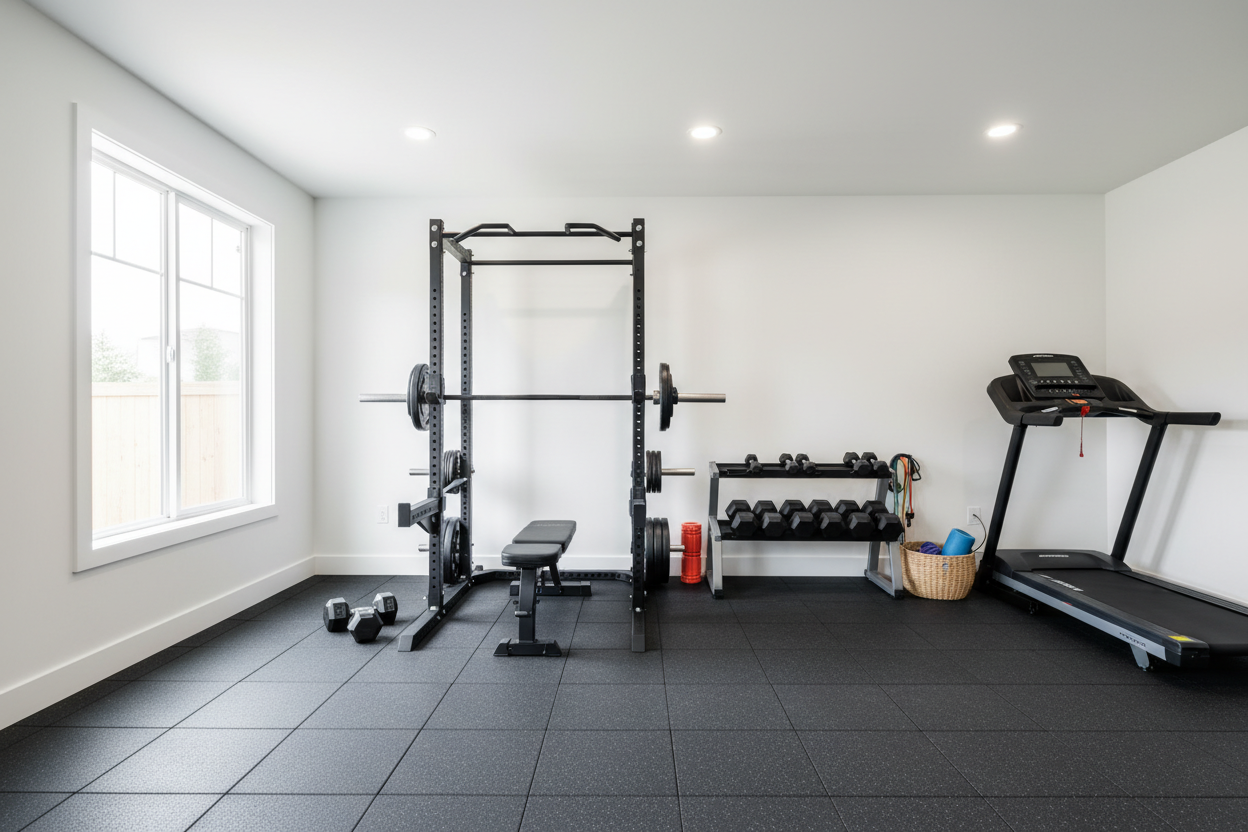
Picking the best strength and weight training equipment isn't about buying the flashiest rack; it's about finding gear that supports your current frame. If you're 350 pounds, a cheap $100 bench from a big-box store is going to feel like a wet noodle. You need stability to build confidence. When you don't feel like the equipment is going to collapse, you can actually focus on the muscle contraction rather than just trying not to fall over.
The Elephant in the Room: Belly Interference
Let's be real: a big midsection changes the physics of lifting. In a standard row or a deep squat, your stomach is going to hit your thighs or the bar before you’ve reached the optimal range of motion. This isn't a failure of will; it's a physical obstruction. Instead of forcing a movement that doesn't fit, we change the angle. Widening your stance or using an incline allows you to work the muscle without fighting your own anatomy. I spent years trying to squat 'butt-to-grass' before realizing my hip structure and belly meant a parallel box squat was actually much more effective for my quads.
Modifying Movements for Zero Pain and Maximum Gains
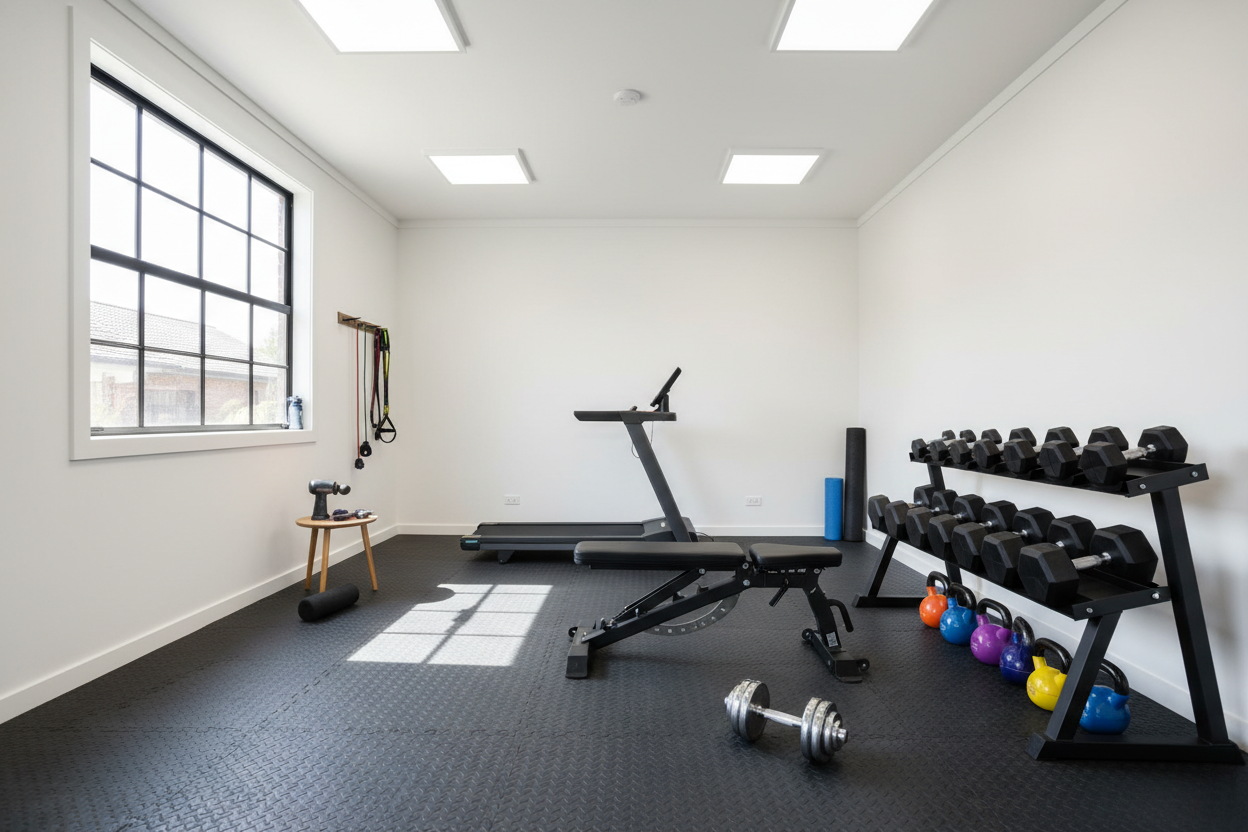
The goal is to load the muscle, not the joint. Instead of a standard flat bench press where you might feel unstable, using a Gxmmat adjustable weight bench allows you to set a slight incline. This small shift often takes the pressure off the rotator cuff and gives your chest a better line of pull. It also makes it much easier to get on and off the equipment.
For lower body, skip the high-impact stuff. Box squats are your best friend. Sitting back onto a sturdy box or bench ensures you don't over-travel with your knees and gives you a physical 'floor' so you don't get stuck at the bottom. I also highly recommend utilizing weight lifting machines during your first few months. Purists will tell you that free weights are superior because of 'stabilizer muscles,' but if you're a beginner, machines allow you to push to failure safely. A leg press or a chest press machine lets you move serious weight without the risk of dropping a bar on your neck.
A 3-Day Starter Routine That Won't Wreck Your Knees
This routine focuses on weight training for overweight beginners by prioritizing stability and compound movements. Perform this three times a week with at least one rest day between sessions.
- Box Squats: 3 sets of 8-10 reps. Use a bench or a sturdy chair. Sit down completely, then stand back up.
- Incline Dumbbell Press: 3 sets of 10 reps. Use a 15-30 degree incline to save your shoulders.
- Seated Cable Rows or Machine Rows: 3 sets of 12 reps. Focus on squeezing your shoulder blades.
- Step-ups (Low Box): 2 sets of 10 reps per leg. Use a box no higher than 6 inches to start.
- Lat Pulldowns: 3 sets of 10 reps. A great alternative to pull-ups which are notoriously hard for beginners.
Keep the rest periods around 90 seconds. You want your heart rate up, but you shouldn't be gasping for air. The goal is to finish the workout feeling like you could have done one more set, not like you need a nap in the locker room.
Give Yourself Permission to Start Simple
The biggest mistake I see is people trying to do too much, too fast. You don't need a 6-day split or a professional athlete's diet. You need to show up. Stop overthinking weight lifting training programs and just pick three days a week to move some metal. If a movement hurts, stop doing it and find a variation that doesn't. Your joints will thank you, and your progress will be much more consistent when you aren't sidelined by injury every three weeks.
FAQ
Is lifting weights better than cardio for weight loss?
Yes, in the long run. Muscle tissue is metabolically expensive, meaning your body burns more calories just to maintain it. While cardio burns more in the moment, lifting changes your baseline metabolism.
Will I get 'bulky' if I start lifting heavy?
Unless you are eating a massive caloric surplus and taking performance enhancers, no. For most beginners, 'bulking' just looks like getting firmer and more capable.
What if I can't do a single push-up or pull-up?
Most people can't when they start. Use machines like the chest press or lat pulldown to build the base strength. Gravity is a lot to fight when you're starting out; use the tools available to make it a fair fight.