Why 'Beginner' Strength Training for Over 50 Usually Ends in Injury
I remember the morning I turned 50. I walked into my garage gym, looked at my 45-pound Ohio Bar, and my lower back literally twinged just from the sight of it. For years, I’d been following the standard internet advice: just keep adding five pounds to the bar every session. But when you are starting strength training for over 50, that 'linear progression' logic becomes a fast track to a physical therapist's office.
The fitness industry loves to treat 50-year-olds like they’re either fragile porcelain dolls or 20-year-old athletes with better health insurance. Neither is true. You can still get strong as hell, but the path has changed. You can't just 'grind' through a bad shoulder day anymore. You need a strategy that prioritizes joint longevity over ego-lifting.
Quick Takeaways
- Standard 5x5 programs often lack the recovery time needed for older tendons.
- Static barbells lock your joints into fixed planes; dumbbells offer much-needed 'wiggle room.'
- Mobility work is no longer a suggestion—it is the price of admission.
- Progressive overload is still the goal, but 'heavy' is relative to your form, not the guy next to you.
The 5x5 Trap: Why Popular Beginner Routines Wreck Older Joints
Most popular internet programs assume you have the recovery capacity of a college freshman. When you're weightlifting for over 50, your central nervous system and your connective tissues don't bounce back in 48 hours. Programs like Starting Strength or StrongLifts 5x5 have you squatting heavy three times a week. For a 50-year-old, that’s often a recipe for chronic knee inflammation and lower back fatigue.
The issue isn't the weight itself; it's the frequency and the rigid adherence to adding weight every single time. Weight lifting over 50 requires a more nuanced approach. I’ve seen more guys 'retire' from the gym because they tried to keep up with a 25-year-old’s spreadsheet than for any other reason. You need more rest days and more variation in your rep ranges to keep the joints happy.
Mobility First: You Can't Skip the Warm-Up Anymore
In my 30s, my warm-up was walking from my truck to the squat rack. Those days are gone. Weight training over 50 demands a dedicated tissue-prep routine. If you try to squat or press with 'cold' joints, you're asking for a tear. I spend at least five to seven minutes on dynamic movements—think bird-dogs, cat-camels, and shoulder pass-throughs.
I tell everyone that a few basic strength training accessories, specifically light resistance bands, are mandatory. Doing 20 banded face-pulls and some 'pull-aparts' before you touch a weight will save your rotator cuffs. It’s about getting synovial fluid into the joints. If you feel 'crunchy,' don't load the bar yet.
Why I Tell Older Clients to Ditch the Straight Barbell
The straight barbell is a magnificent tool, but it’s also unforgiving. It locks your wrists, elbows, and shoulders into a fixed position. If your mobility is even slightly off, your joints take the hit. When strength training for over 50s, I almost always transition people to dumbbells or kettlebells for their primary lifts. This allows your wrists to rotate naturally, which takes the shearing force off your elbows.
Unilateral movements (one side at a time) are also vital for resistance training over 50. They expose the imbalances we’ve spent decades building up. When choosing the best strength and weight training equipment for your goals, look for gear that allows for a natural range of motion. A trap bar (or hex bar) is a much better choice for deadlifting than a traditional barbell because it puts the weight in line with your center of gravity, sparing your spine.
The Magic of the Supported Dumbbell Press
Flat barbell benching is the number one shoulder-killer for the 50 plus training crowd. I’ve moved almost all my older athletes to a slight incline dumbbell press. By setting a bench to a 15 or 30-degree angle, you open up the shoulder joint and engage the chest without grinding the acromion process into your rotator cuff.
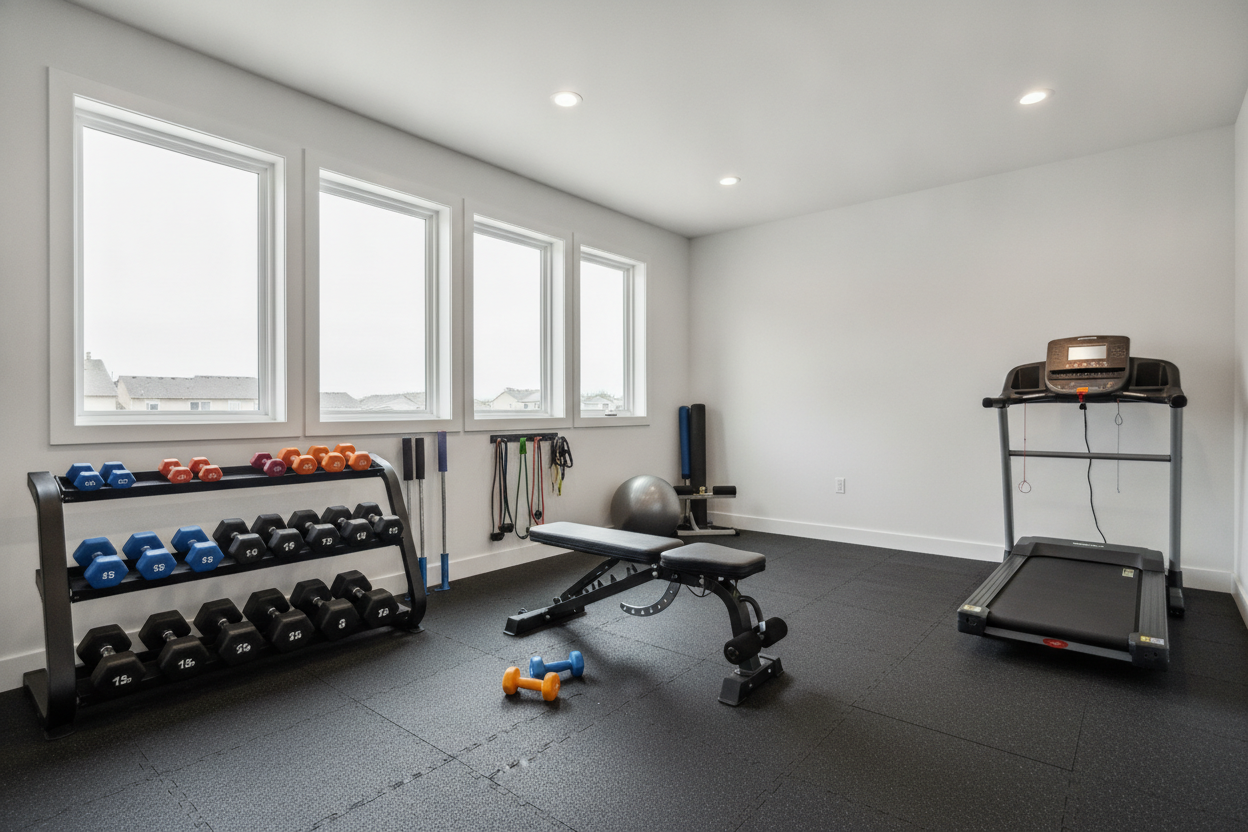
I personally use the Gxmmat Adjustable Weight Bench for this because the gap between the seat and back pad is minimal, providing solid lumbar support. Being able to micro-adjust the angle is huge. If 30 degrees hurts, drop it to 15. That flexibility is what keeps you in the game for the long haul while lifting at 50.
Please Stop Reaching for the Two-Pound Weights
While I'm all for safety, there is a dangerous trend of 'senior-fying' workouts to the point of uselessness. Strength training for 50 year olds still needs to be hard. If you’re lifting pink plastic dumbbells for 30 reps, you aren't building muscle or bone density. You’re just doing expensive cardio. You need enough resistance to challenge your muscles within the 8-12 rep range.
I wrote a piece on Strength Training for Women Over 60 that applies here too. Whether you're 50 or 70, the biology of muscle growth requires tension. You don't need to max out your 1-rep squat, but you do need to struggle on that last rep of a set. Weight lifting 50 plus is about finding the 'sweet spot'—heavy enough to spark change, but light enough to keep your form perfect.
Personal Experience: The Day I Swallowed My Pride
Three years ago, I insisted on hitting a heavy triple on the overhead press. I felt a 'pop' in my left shoulder. It wasn't a major tear, but it kept me from benching or pressing for four months. That was my wake-up call. I realized that training after 50 isn't about the numbers on the plates anymore; it's about the quality of the movement. I swapped the heavy overhead barbell press for seated dumbbell presses and haven't had a shoulder issue since. My shoulders actually look better now because I can train them consistently without pain.
Frequently Asked Questions
How many days a week should I do weight training in your 50s?
Three days a week is the 'goldilocks' zone. It gives you 48 hours of recovery between sessions. As you get more conditioned, you can move to four days using an upper/lower split, but don't rush it. Recovery is where the muscle actually grows.
Is strength training at 50 enough to reverse bone loss?
Yes, but it has to be weight-bearing. This is why strength training for people over 50 is so critical. Walking is great for your heart, but you need the mechanical load of lifting weights to signal your body to increase bone mineral density.
Can I start an over 50 weight training program if I've never lifted before?
Absolutely. In fact, 'novice gains' happen at any age. You’ll likely see rapid strength increases in the first six months. Just start with how to start weight training at 50 basics: learn the hinge, the squat, the push, and the pull using your body weight or light dumbbells first.