Are 15-Minute Workouts for Elderly Folks Actually Worth the Effort?
I once watched my 72-year-old neighbor try to follow a grueling 60-minute 'bootcamp' video she found on YouTube. By the 40-minute mark, she wasn't just tired; she looked physically defeated, her form was collapsing, and she spent the next three days on the couch with a heating pad. This 'no pain, no gain' mentality is a trap that keeps people from starting workouts for elderly folks in the first place.
The reality is that most hour-long gym sessions are designed for 20-year-olds with infinite recovery capacity. For the rest of us, especially those managing joint stiffness or shifting hormones, that much volume is just a recipe for injury. You don't need a marathon session to get results; you need a focused sprint that respects your recovery.
- Recovery First: Short sessions prevent the 'wipeout' effect that leads to skipped workouts.
- Frequency Wins: Doing 15 minutes daily is better for bone density than 90 minutes once a week.
- Functional Focus: Prioritize movements that help you get out of a chair or carry groceries.
- Minimal Gear: A single kettlebell or a pair of dumbbells is often all you need.
The Exhaustion Trap: Why Long Gym Sessions Backfire
The traditional 60-minute workout model usually fails older adults because it ignores the reality of systemic fatigue. When you push past the 30-minute mark, your central nervous system starts to redline. For a senior, this doesn't just mean being 'tired'—it means a higher risk of trips and falls for the rest of the day because your stabilizer muscles are fried.
I’ve seen too many people give up because they think they 'can't hack it' anymore. Stop blaming your biology. If you’re feeling crushed for days after a workout, your programming is the problem, not your birth certificate. It is time to look into better exercises for seniors over 60 that prioritize quality over sheer duration. Consistency is built on feeling better after a workout, not worse.
The 'Micro-Dosing' Method for Aging Lifters
In the strength world, we call these 'exercise snacks.' Instead of one giant meal that leaves you bloated, you take small, frequent bites of activity. This is the sweet spot for exercises for seniors over 70. By capping the session at 15 minutes, you can maintain a higher intensity—meaning you actually challenge your muscles—without reaching that point of total exhaustion.
This frequency keeps the 'greasing the groove' effect alive. Your brain gets better at signaling your muscles to fire when you do it daily. For exercises for seniors over 75, this neurological adaptation is actually more important than building massive biceps. It’s about keeping the connection between your mind and your feet sharp.
The Most Important Exercises for Seniors to Do Daily
If you only have 15 minutes, you can't waste time on bicep curls or calf raises. You need the big movers. The goblet squat is the undisputed king here. Holding a small weight at chest level acts as a counterbalance, allowing you to sit back into your hips safely. It’s one of the best leg exercises for seniors because it mimics the exact motion of getting off a low sofa.
Next are loaded carries. Pick up a moderately heavy weight in one hand and walk. This builds core stability and grip strength simultaneously. These are the essential exercises for seniors because they translate directly to real-world independence. If you can squat and carry, you can live alone safely. That is the goal.
Setting Up Your 15-Minute Home Gauntlet
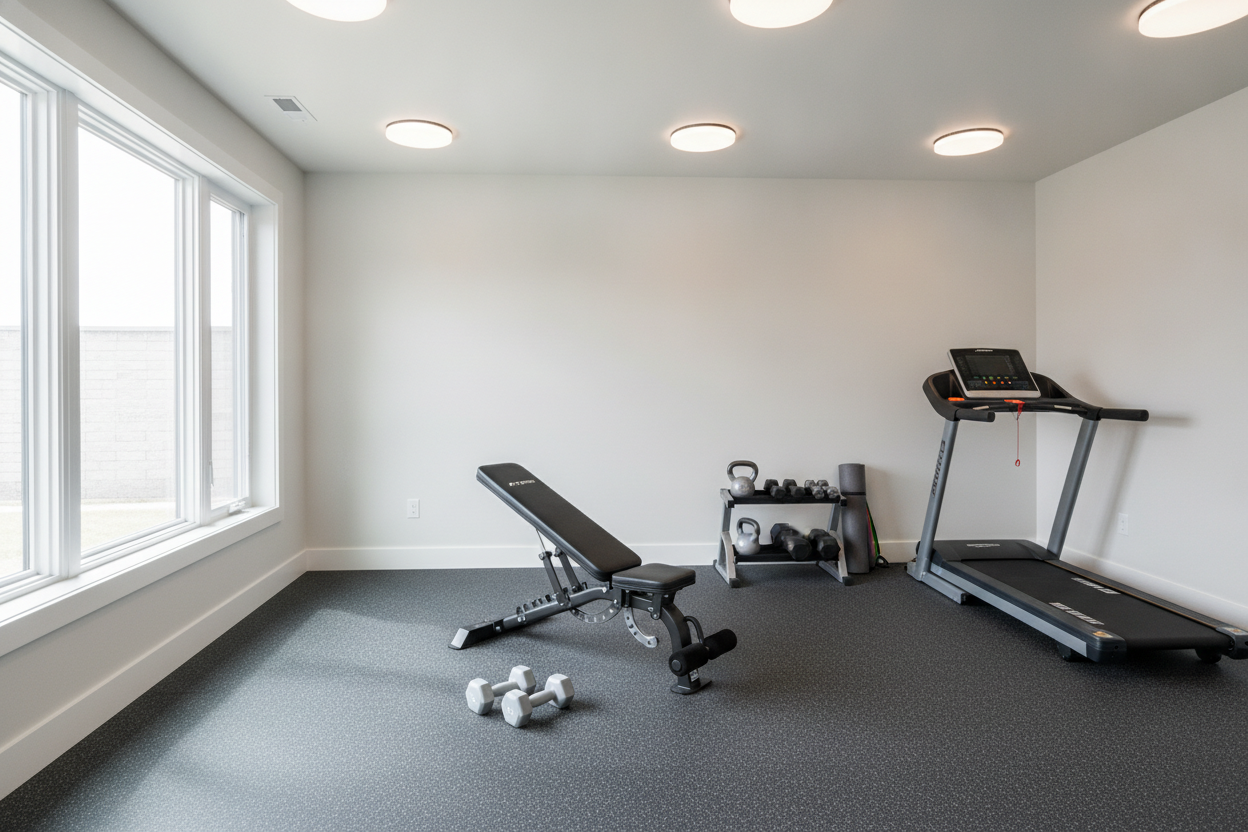
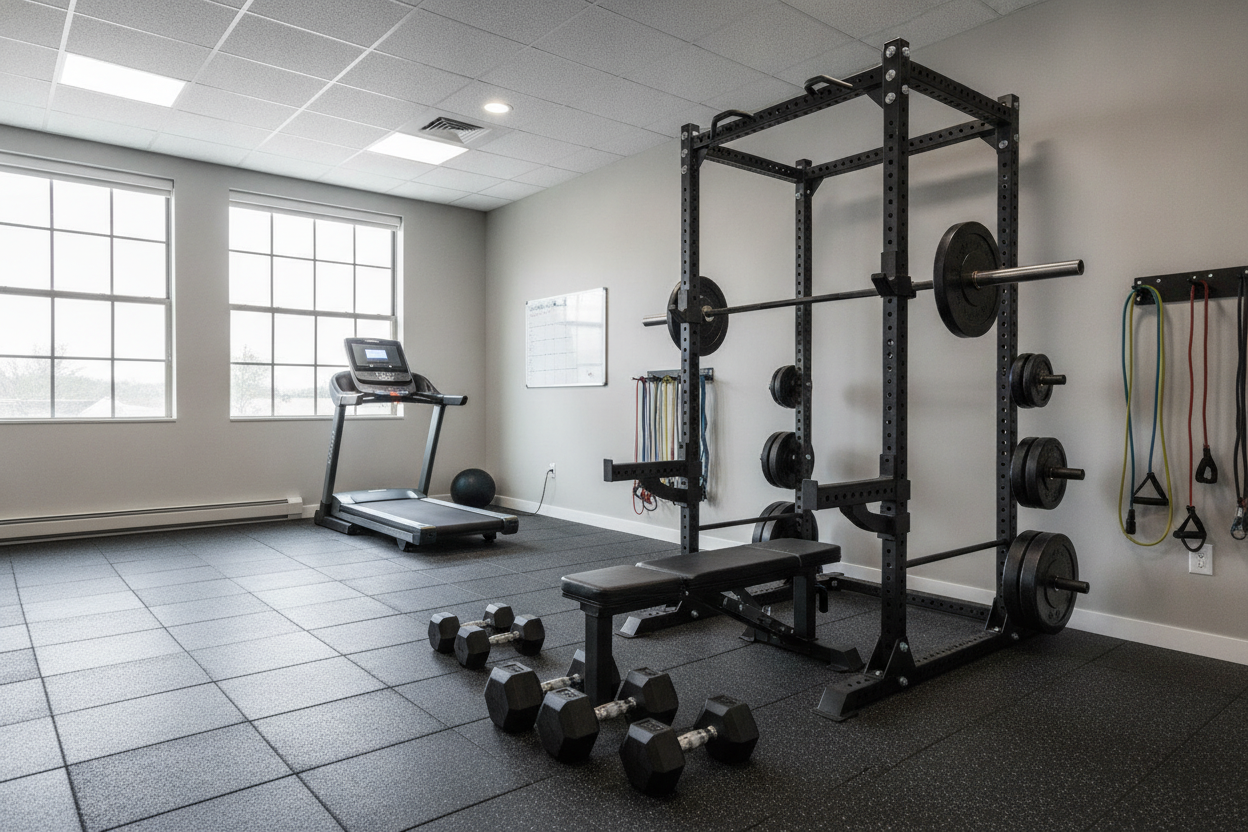
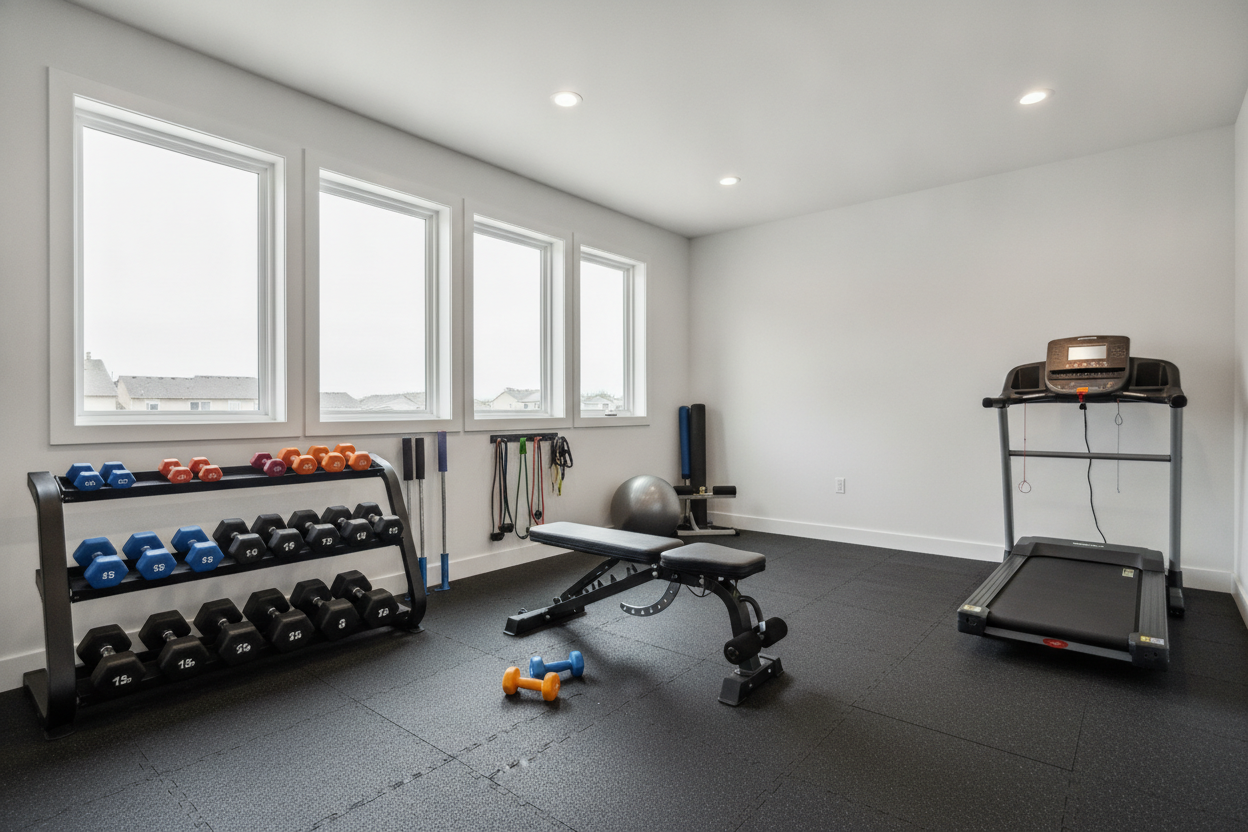
You don't need a 5-figure garage gym with a power rack and a 300-lb barbell set. In fact, for most movement exercises for seniors, a crowded gym is more of a hazard than a help. You need a clear 6x6 foot space and a floor that won't let you slip. I always recommend starting with a high-quality large exercise mat for home gym use to protect your joints during floor work.
If you have the space, a 6x8ft exercise mat is the gold standard. It’s large enough that you won't step off the edge during lateral lunges, and it provides enough cushion so an exercise for senior woman routines—like bird-dogs or glute bridges—don't hurt the knees. Pair that with two sets of dumbbells (maybe a 5-lb and a 10-lb set) and you have a world-class training facility in your living room.
Putting It All Together: Your New Daily Routine
To make this work, you need a rotation. Don't do the same thing every day or you’ll get bored and develop overuse issues. A good exercises for the elderly routine should look like a simple 3-day rotation: Day A is Squats and Pushing (like wall push-ups); Day B is Hinges (like deadlifts with a kettlebell) and Pulling (rows); Day C is Carries and Balance work.
Keep the sets short. Three sets of 8-10 reps for each movement. If you move with purpose, you’ll be done in 12 minutes, leaving 3 minutes for a quick cool-down stretch. This ensures these daily exercises for seniors remain a habit rather than a chore. You should finish feeling like you could have done more—that’s the secret to coming back tomorrow.
My Experience: The 'Cheap Mat' Mistake
Years ago, I tried to save fifty bucks by buying a thin, foam yoga mat for a client's home setup. Big mistake. During a simple set of lunges, the mat bunched up under her foot, causing a stumble. Thankfully, she was fine, but it taught me that equipment for senior women needs to be stable and heavy-duty. Don't skimp on the foundation. A heavy, non-slip mat is a safety feature, not a luxury.
FAQ
Is 15 minutes really enough to build strength?
Absolutely. If you pick heavy enough weights where the last two reps are challenging, 15 minutes is plenty to trigger muscle growth and bone density improvements. Volume is for bodybuilders; intensity and frequency are for longevity.
What if I have bad knees?
Focus on 'box squats' where you sit back onto a chair or bench. This limits the range of motion to a safe level while still strengthening the quads and glutes. Always wear supportive shoes even when training at home.
Can I do this every single day?
Yes, provided you rotate the movements. If your muscles feel excessively sore, take a 'mobility day' where you just do light stretching on your mat. Listen to your body, but try to move something every day.