Why a Real Glute Workout Transformation Takes 6 Months
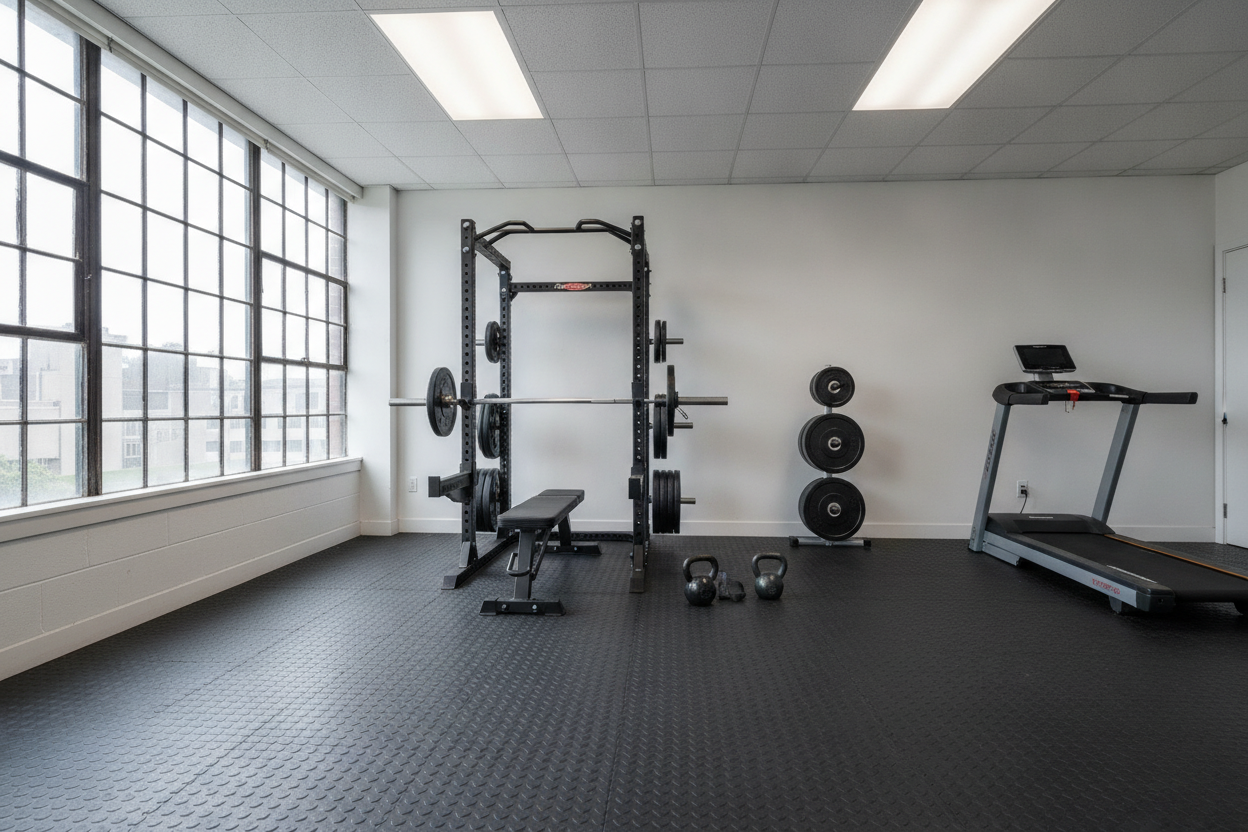
I remember scrolling through my feed at 2 AM, looking at a '30-day peach' program while sitting in my garage gym surrounded by a thousand pounds of iron. It’s a seductive lie. We want the shortcut, but biology doesn't care about your vacation deadline or your high school reunion. If you are chasing a glute workout transformation, you have to stop looking at the calendar in weeks and start looking at it in seasons.
- 30-day results are almost entirely inflammation and blood flow, not new muscle.
- The first four weeks are about your brain learning to 'find' the muscle.
- Real tissue growth requires a caloric surplus—you cannot build something from nothing.
- Progression is measured in pounds on the bar, not sweat on the floor.
Why Your 30-Day Challenge Only Gave You a Temporary Pump
That tight, 'swollen' feeling you get after a high-rep circuit of air squats and banded side-steps isn't muscle growth. It's sarcoplasmic hypertrophy, or more accurately, transient hypertrophy. It’s just fluid, metabolic waste, and blood rushing to the area. It looks great in a post-workout selfie, but it’s gone by the time you wake up the next morning.
Actual myofibrillar hypertrophy—the thickening of the muscle fibers themselves—is a slow, expensive process for your body. It takes significant mechanical tension to force the body to build new structural proteins. If you aren't lifting heavy enough to struggle by the end of your set, you aren't building muscle; you're just doing cardio with a side of frustration.
The Actual Timeline for Growing Lower Body Muscle
Building a physique is more like construction than painting. You have to lay a foundation, frame the house, and then worry about the finishing touches. Most people quit during the framing because they don't see the 'curtains' yet.
Phase 1: Waking Up the Muscle (Weeks 1-4)
In the first month, your gains are almost entirely neurological. Your brain is figuring out how to recruit dormant motor units. It’s common to feel 'clumsy' during hip thrusts or lunges. I spent the first month of my own rebuild just focusing on the mind-muscle connection, often doing floor-based activation drills on thick gym flooring to ensure I wasn't just compensating with my lower back.
Phase 2: The Heavy Dumbbell Grind (Weeks 5-12)
Once your brain knows how to fire the glutes, you have to give them a reason to grow. This is where the 'pump' becomes secondary to the 'load.' You need a structured dumbbell glute workout for real growth that emphasizes progressive overload. If you're still using the 15-lb dumbbells you used in week one, you’re wasting your time. You should be reaching for the 30s, 40s, and 50s by the end of this phase.
Phase 3: Real Tissue Growth (Months 3-6)
This is the unglamorous part. The 'newbie' strength gains have leveled off, and now it's a slow crawl. But this is where the visual change happens. The muscle fibers are finally thick enough to change the shape of your silhouette. The biggest mistake here is 'program hopping' because you're bored. Don't. Stick to the same five or six movements and keep adding weight.
The Unsexy Math of Eating for a Bigger Posterior
You cannot build a bigger gluteal shelf on a 1,200-calorie 'detox' diet. It is physically impossible. Muscle is metabolically expensive tissue. To build it, you need a slight caloric surplus—roughly 200 to 300 calories above maintenance—and a dedicated focus on protein.
I’ve seen too many people crush themselves in the gym only to see zero growth because they were terrified of the scale going up. If you want to grow, you have to eat. Aim for at least 0.8 grams of protein per pound of body weight. If you're not hitting that, your 6-month transformation will take 6 years.
How to Track Progress Without Staring at the Mirror
The mirror is a terrible judge of progress. It’s affected by lighting, salt intake, and your own mood. Instead, track your performance metrics. If your Romanian Deadlift went from 65 lbs to 135 lbs, your glutes grew. There is no other way to move that weight.
Use a logbook or a template from a full workout hub to keep yourself honest. When you can see the numbers going up every week, the visual changes become an inevitable byproduct rather than a desperate hope. Focus on the work, and the aesthetics will follow.
Personal Experience: My Biggest Mistake
Early on, I thought more was better. I was doing six different types of kickbacks and three different 'glute bridges' every session. I was exhausted but my lifts weren't moving. I finally cut the fluff, stuck to heavy hinges and squats, and focused on recovery. My glutes grew more in three months of 'less' than they did in a year of 'more.'
FAQ
Can I do this with just resistance bands?
Bands are great for warm-ups and 'burnouts,' but they rarely provide enough mechanical tension for significant growth. You need some form of heavy resistance—dumbbells, barbells, or heavy kettlebells.
How many times a week should I train glutes?
Two to three times a week is the sweet spot. Any more and you're likely not recovering well enough to actually build the tissue you're breaking down.
What if I don't want my legs to get 'bulky'?
Muscle doesn't happen by accident. You won't wake up one day with huge quads by mistake. If you reach a level of muscularity you're happy with, you can simply switch to a maintenance volume.