How to Tell if a Fitness Equipment Website is Selling Dropshipped Junk
I have spent way too many late nights scrolling through a random fitness equipment website, trying to figure out if a $400 power rack is a steal or a safety hazard. We have all been there. You see an ad for adjustable dumbbells that look exactly like a premium brand but cost half as much, and your credit card starts burning a hole in your pocket.
The reality is that most of these 'deals' are just rebranded, low-tier factory gear. If the steel is thin and the knurling looks like it was pressed into butter, you are not saving money; you are buying a headache that will end up on Facebook Marketplace in six months.
- Check the Steel: If it does not say 11-gauge or at least 14-gauge, it is probably a soda can.
- Shipping Times: Anything over 14 days usually means it is coming on a slow boat from a factory overseas.
- Physical Address: If they do not have a warehouse or HQ listed, they are likely working from a laptop in a coffee shop.
- Image Quality: Real brands take real photos; dropshippers use bad Photoshop and AI renders.
Why That Flashy Instagram Fitness Gear Looks So Familiar
Ever notice how five different gym equipment websites all seem to sell the exact same 'Space-Saving Bench'? That is because they are all ordering from the same catalog. This is called white-labeling. A factory produces a generic bench with 2-inch padding and 1.5-inch steel tubing, and ten different companies slap their own logo on it.
The problem is the markup. One site might sell it for $150, while another claims it is 'pro-grade' and asks for $350. You are paying for their marketing budget, not better welds. When you browse these fitness gear websites, look for unique design features. If it looks generic, it probably is.
3 Massive Red Flags on Any Gym Equipment Site
First, look at the shipping policy. If a gym equipment site says 'Allow 3-5 weeks for delivery,' they do not actually have the product. They are waiting for your order to trigger a shipment from a third-party factory. If you are training for a meet, you do not have a month to wait for a barbell that might arrive bent.
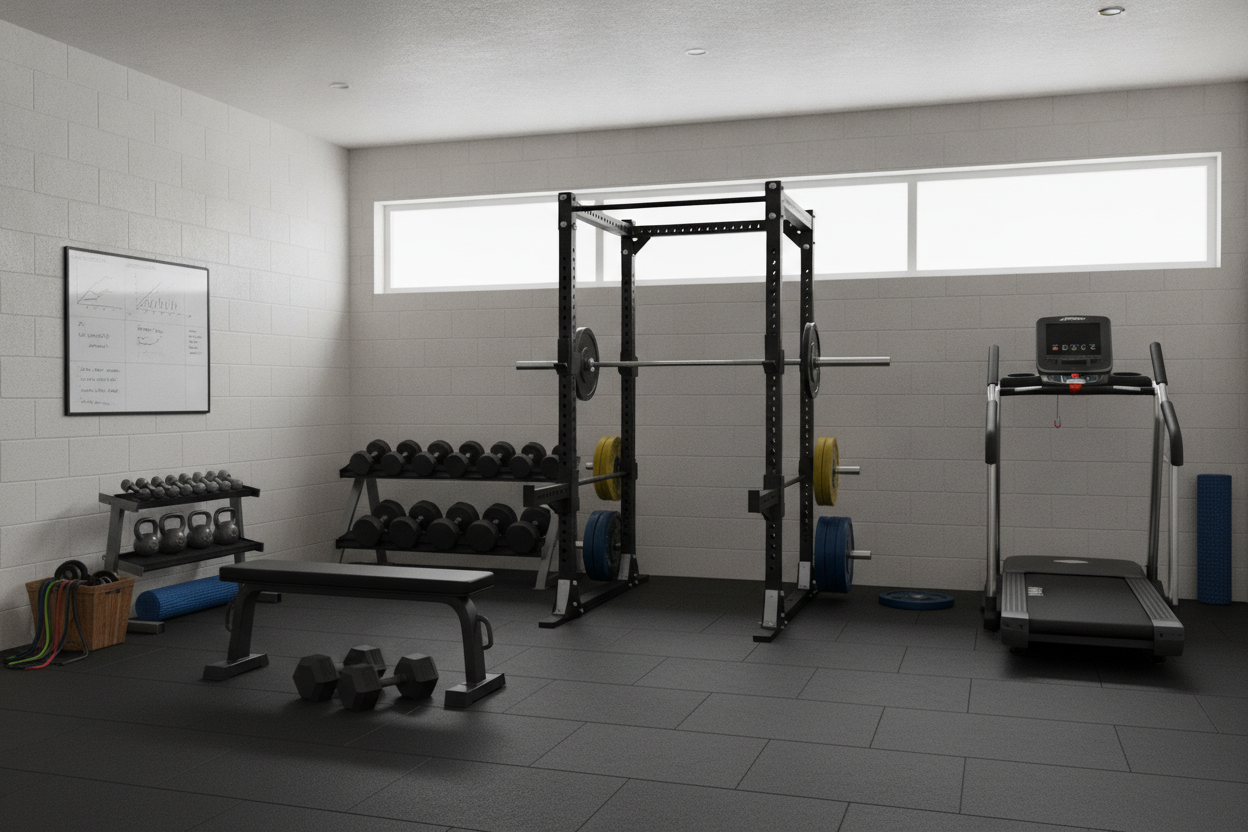
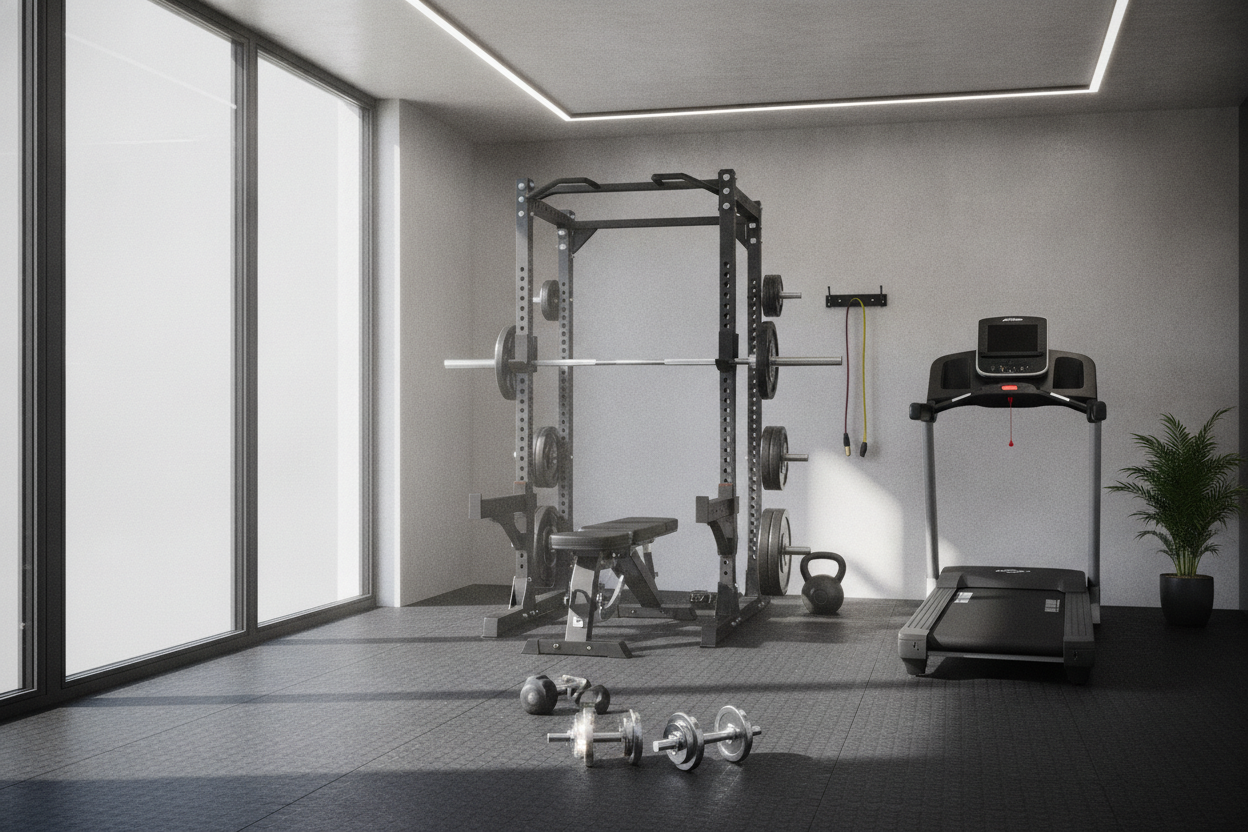
Second, check the images. If the barbell knurling looks like a cartoon or the weight plates have a weird, plastic-like sheen that defies physics, you are looking at an AI-generated render. If they cannot afford a photographer to shoot the actual product, they definitely did not invest in quality control.
Third, look for a lack of a physical footprint. A legitimate company will have a headquarters, a showroom, or at least a warehouse address. If the 'Contact Us' page is just a generic form with no phone number or address, run the other way. You will never get your money back if that rack arrives with missing bolts.
How to Vet These Websites Like a Heavy Lifter
Before I buy anything heavier than a jump rope, I go into detective mode. I look for real-world testing. I want to see a video of someone actually dropping 405 lbs on those safety spotters to see if they buckle. If you want to avoid the fly-by-night operations, you need to consult a home gym equipment review guide where the gear has actually been put through the wringer.
You also need to know who is actually manufacturing their own steel versus who is just a middleman. My guide to gym equipment brands breaks down which names have a reputation for standing behind their welds. Don't trust a brand just because a 'fitness influencer' with a ring light says it is great. Trust the people who have been building garage gyms for a decade.
The Boring Fine Print That Will Save Your Wallet
The price you see on the screen is rarely the price you pay. Dropshippers love to hide massive shipping fees until the very last step of checkout. I have seen a $200 bench suddenly cost $450 once 'freight' was added. If you want a real bargain, look for transparent home gym equipment deals from retailers that offer flat-rate or free shipping on heavy items.
Also, check the return policy. If you have to pay return shipping on a 300-lb crate because the holes weren't lined up correctly, you are out hundreds of dollars. Finally, remember that heavy iron is a permanent addition to your home. Before that pallet arrives, make sure you have laid down some large protective gym flooring. Your foundation—and your spouse—will thank you when you aren't cracking the concrete with every deadlift set.
My Personal Lesson in Cheap Steel
A few years ago, I bought a 'pro' adjustable bench from a site that looked legit. It had 'over 500 five-star reviews' (all of which, I later realized, were written by the same person). The first time I tried to hit a heavy incline press, the adjustment pin sheared off. I ended up on the floor with 90-lb dumbbells in my lap. I learned the hard way: if the price seems too good to be true, your safety is usually the hidden cost.
FAQ
Is all equipment from China bad?
Not at all. Many top-tier brands manufacture in China. The difference is quality control. Reputable brands have their own staff on-site to check welds and steel specs, whereas dropshippers just buy whatever is cheapest off the line.
How can I tell if reviews are fake?
Look for 'Verified Purchase' tags, but even then, be skeptical. If every review is 5 stars and posted within the same two-week window, or if they all sound like they were written by a robot, they are fake. Real reviews mention specific pros and cons.
What is the minimum steel gauge I should look for?
For a power rack, 11-gauge is the gold standard for home gyms. 14-gauge is acceptable for lighter use, but anything thinner (like 16 or 18-gauge) belongs in a laundry room, not a gym.