Will a Hip Dip Machine Actually Fix Your Glutes, or Just Waste Space?
I have spent the last decade and a half in garages, basements, and commercial warehouses, testing every piece of iron that promises a transformation. I have seen the ads you are seeing: a sleek hip dip machine promising to 'fill in' the gaps on your outer thighs in six weeks. It is tempting, especially when you are scrolling through social media at midnight, wondering why your glutes do not look like a filtered influencer's.
Quick Takeaways
- Hip dips are primarily caused by your skeletal structure and pelvis height.
- The 'hip dip machine' is almost always just a rebranded seated abduction unit.
- Hypertrophy in the gluteus medius can improve your silhouette, but it won't change your bone shape.
- Dedicated machines for this movement take up massive floor space for very limited utility.
Let's Talk Anatomy: You Can't Exercise Away Bone Structure
Here is the hard truth that fitness influencers hate to admit: hip dips are not a 'flaw' or a sign of being out of shape. They are a result of the distance between your ilium and your greater trochanter. If you have a high pelvis and a wide gap where the femur connects, you have a dip. No amount of resistance training can move your bones.
When you use a gym machine for hip dips, you are targeting muscles, not the skeletal void. While building muscle is great, it is physically impossible to 'fill' a gap where no muscle belly exists. You can thicken the gluteus medius, but the dip itself is a permanent feature of your anatomy.
Related Reading: Is A Hip Dips Machine Actually Effective The Honest Truth
The Marketing Myth: What Is a Hip Dip Machine, Exactly?
In the equipment industry, we call this 'rebranding for the trend.' A hip abduction machine for hip dips is exactly the same piece of gear that has been sitting in the corner of Gold's Gym since the 1980s. Brands just realized that if they marketed it to people insecure about their hip shape, they could sell more units than if they just called it a 'seated abductor.'
These machines work by forcing you to push your knees outward against resistance. This isolates the gluteus medius and minimus. These are essential for stabilizing your pelvis when you walk or run. You should Stop Avoiding the Weird Hip Machine Gym Bros Ignore because hip health is vital for heavy squatting, not because it will magically redesign your silhouette.
Does Any Gym Machine for Hip Dips Actually Work?
If your goal is to grow the muscles on the side of your hip to create a more rounded look, then yes, the movement works. Hypertrophy—building muscle size—is the only way to alter the aesthetic curve of your lower body. By hitting the glute medius hard, you can create a 'shelf' look that makes the dip appear less prominent.
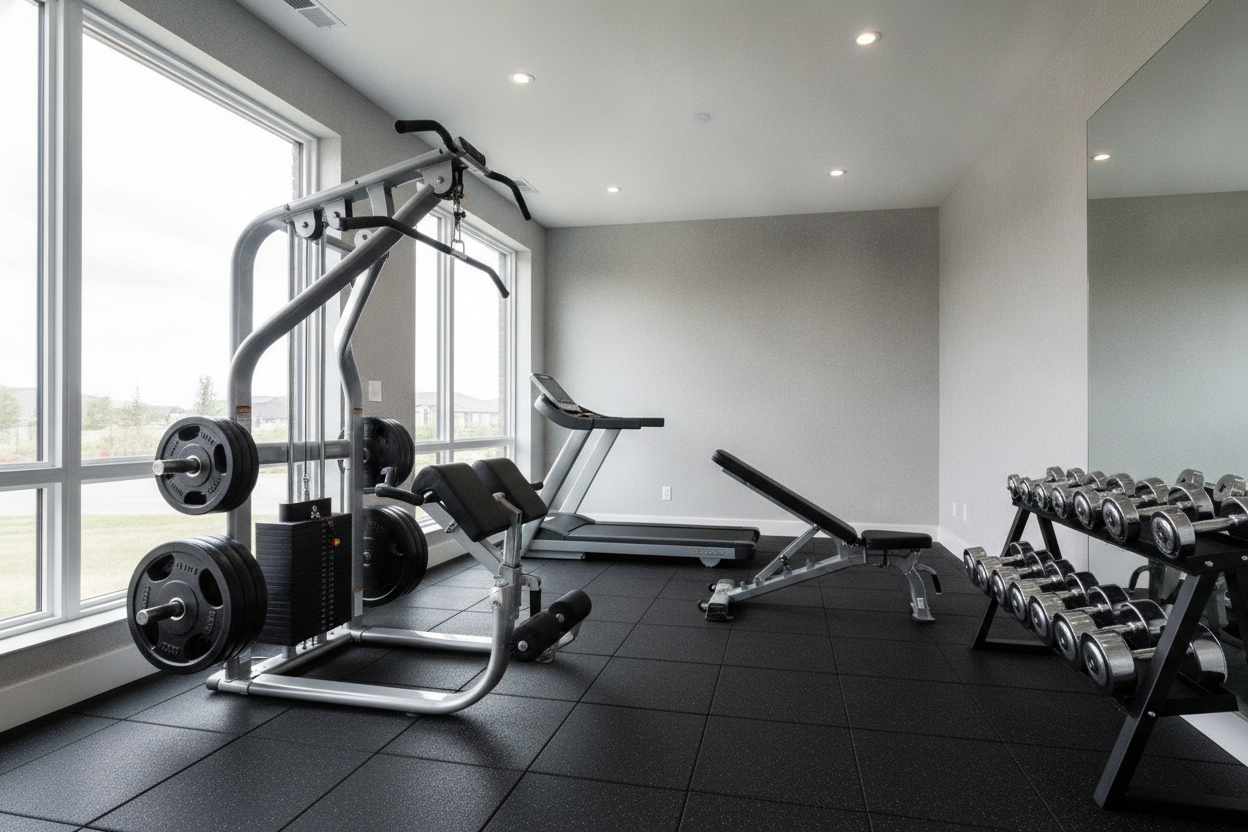
However, you have to be realistic about the biomechanics. A dedicated Leg Machine that allows for heavy, progressive overload is your best bet. If the machine feels flimsy or the weight stack is too light, you aren't going to see the growth you're after. You need enough resistance to actually trigger a muscle-building response, not just a light 'burn.'
Are Dedicated Machines for Hip Dips Worth the Floor Space?
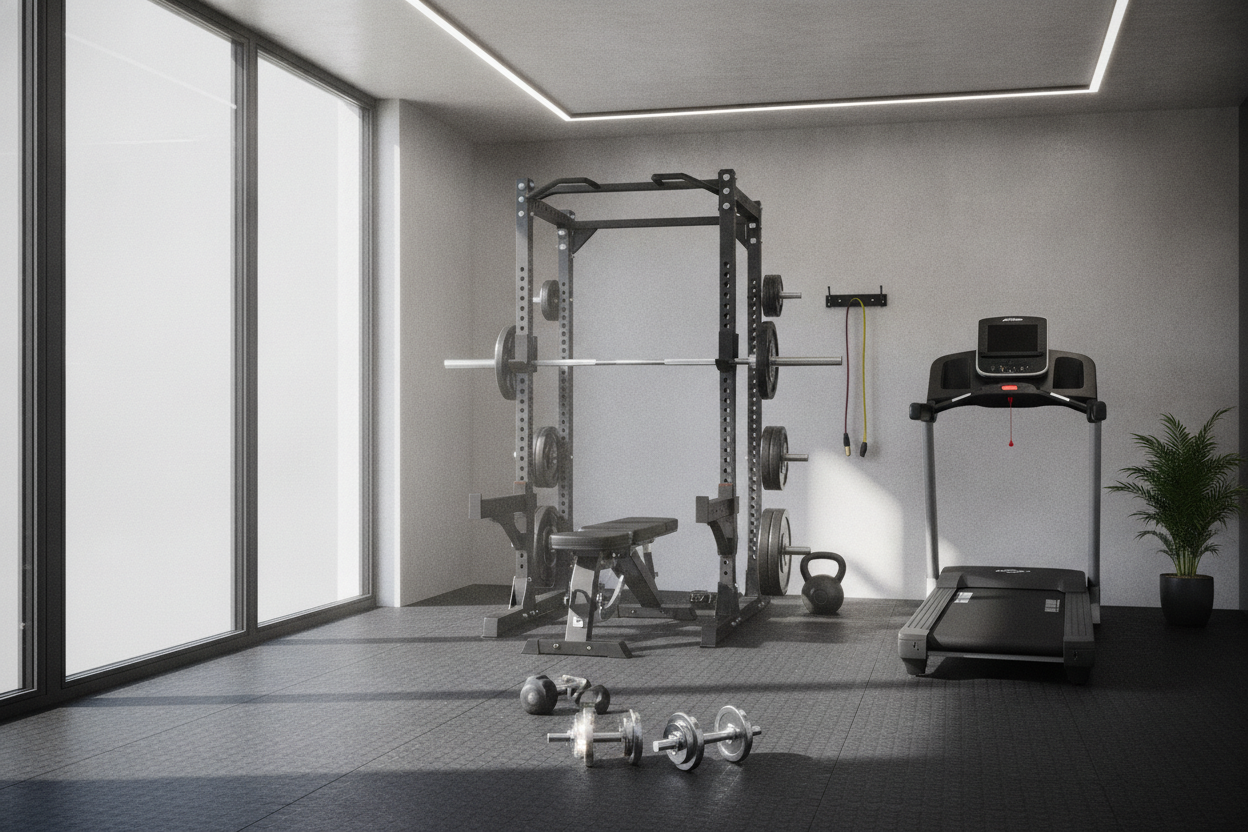
This is where I get grumpy. A commercial-grade abduction machine typically has a footprint of about 5 feet by 4 feet. In a home gym, that is a massive amount of space for a single-joint exercise. Unless you are training for a bikini competition or have a 2,000-square-foot facility, I cannot justify the real estate.
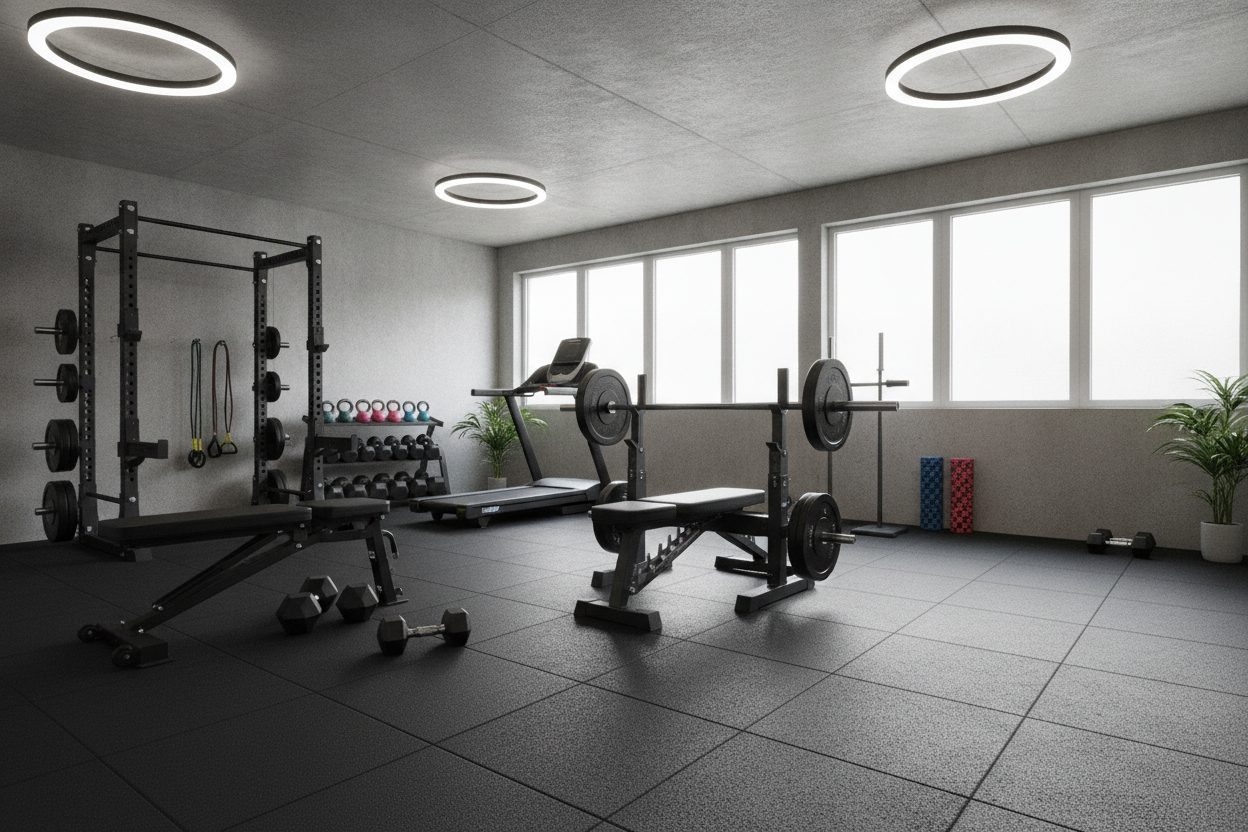
Most of these machines are 'one-trick ponies.' You sit, you push, you're done. For the price of one specialized unit, you could buy a high-end power rack or a functional trainer that allows for hundreds of movements. In my shop, if a piece of gear doesn't serve at least three different purposes, it usually gets the boot.
Building a DIY Hip Dips Workout Gym Machine Setup at Home
You do not need machines for hip dips to get the work done. In fact, I prefer cable variations. Using a cable tower with an ankle cuff allows for a greater range of motion and constant tension that you just don't get on a seated machine. It's more 'functional' and takes up a fraction of the space.
If you're on a budget, heavy-duty resistance bands and side-lying leg raises are incredibly effective. Just make sure you have proper padding. I suggest using a 6X4Ft Yoga Mat Exercise Mat Gym Flooring For Home Workout so you aren't bruising your hip bone against the concrete while you're grinding out reps. Consistency and load progression matter more than the fancy label on the equipment.
My Personal Take
I once bought a specialized lateral hip machine because my wife wanted it for her training. It was a 250-pound beast of steel that sat in the corner of our garage for two years. Eventually, she realized she got a better pump from cable kick-backs and banded walks. I ended up selling it on Craigslist for half what I paid just to get my floor space back. Lesson learned: don't buy a machine for an insecurity; buy it for a movement pattern.
FAQ
Can I completely remove hip dips with a machine?
No. Hip dips are a result of your bone structure. You can build the muscle around them, but the 'gap' between your hip and thigh bone will always exist to some degree.
What is the best exercise for the glute medius?
Seated abductions, cable hip abductions, and weighted side-lying leg raises are the top tier for isolating that specific muscle group.
Is a commercial machine better than resistance bands?
A machine allows for easier tracking of weight and 'progressive overload,' but bands are much more affordable and space-efficient for 90% of home trainees.