Why a 5 Minute Shoulder Workout Beats 45 Minutes of Junk Volume
I remember spending nearly an hour on 'shoulder day' back in my early twenties. I’d grind through four sets of heavy overhead press, then move to three different variations of lateral raises, followed by face pulls until my eyes bled. My shoulders didn’t grow much; they just felt perpetually inflamed. If you are chasing real hypertrophy without the joint fatigue, a 5 minute shoulder workout is often more effective than 45 minutes of fluff.
Quick Takeaways
- Intensity and density trump total duration for the deltoids.
- Eliminating rest periods creates the metabolic stress necessary for growth.
- Dumbbells allow for faster transitions than cables or machines.
- A dedicated non-slip space is essential for safety when training to failure.
The Problem With Your 45-Minute Delt Day
Most lifters treat their shoulders like they are training for a marathon of boredom. You see it every day: someone grabs a pair of 20-pounders, does twelve reps, then spends three minutes scrolling through their phone. By the time they start the next set, the heart rate has dropped, the blood has left the muscle, and they are essentially starting from zero. This is the definition of junk volume.
The deltoids are a relatively small muscle group. They are built primarily of slow-twitch fibers that respond incredibly well to high-density training and constant tension. When you stretch a shoulder workout to 45 minutes, you are usually just accumulating systemic fatigue without actually challenging the muscle fibers. You don't need twelve sets of front raises. You need five minutes of absolute hell that forces the muscle to adapt or die. Short, high-intensity bursts create a massive 'pump'—which is actually just localized hypoxia and metabolic waste accumulation—triggering the hormonal response needed for growth.
The Mechanics of a Lethal 5 Minute Shoulder Workout
To make five minutes count, you have to kill the rest period. In a standard workout, you might spend 80% of your time sitting on a bench. In this protocol, you are working for 300 seconds straight. We utilize mechanical drop sets, which means starting with the movement where you are weakest and transitioning to movements where you have a mechanical advantage as you fatigue. This methodology is a staple in the routines we organize in our Workout Hub for busy lifters who can't afford to waste an hour on fluff.
The goal is constant tension. Do not lock out at the top of a press; do not let the dumbbells touch your thighs at the bottom of a raise. You want to keep the muscle under load for the entire duration. This isn't about moving the heaviest weight possible; it's about making a moderate weight feel like a ton of lead by the three-minute mark. If you aren't questioning your life choices by the final 60 seconds, you didn't go hard enough.
Ditch the Machines, Grab the Dumbbells
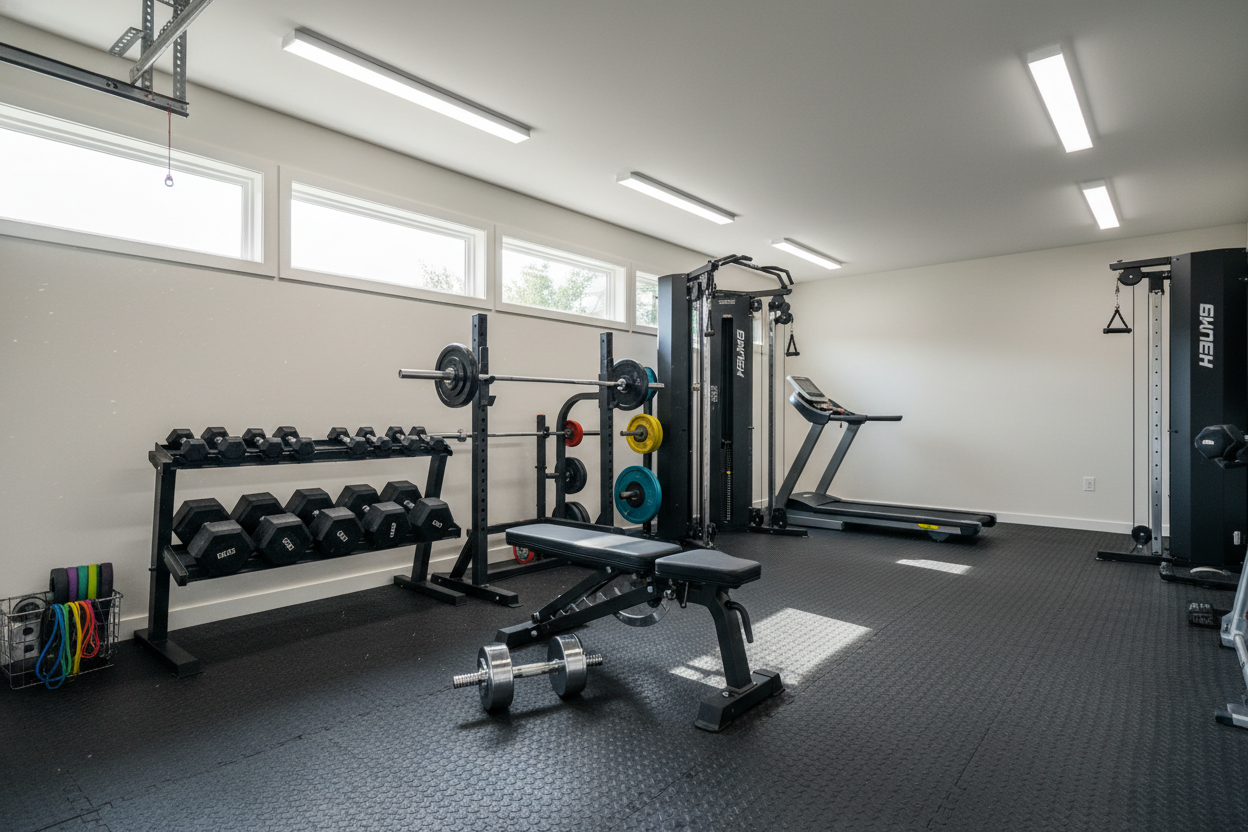
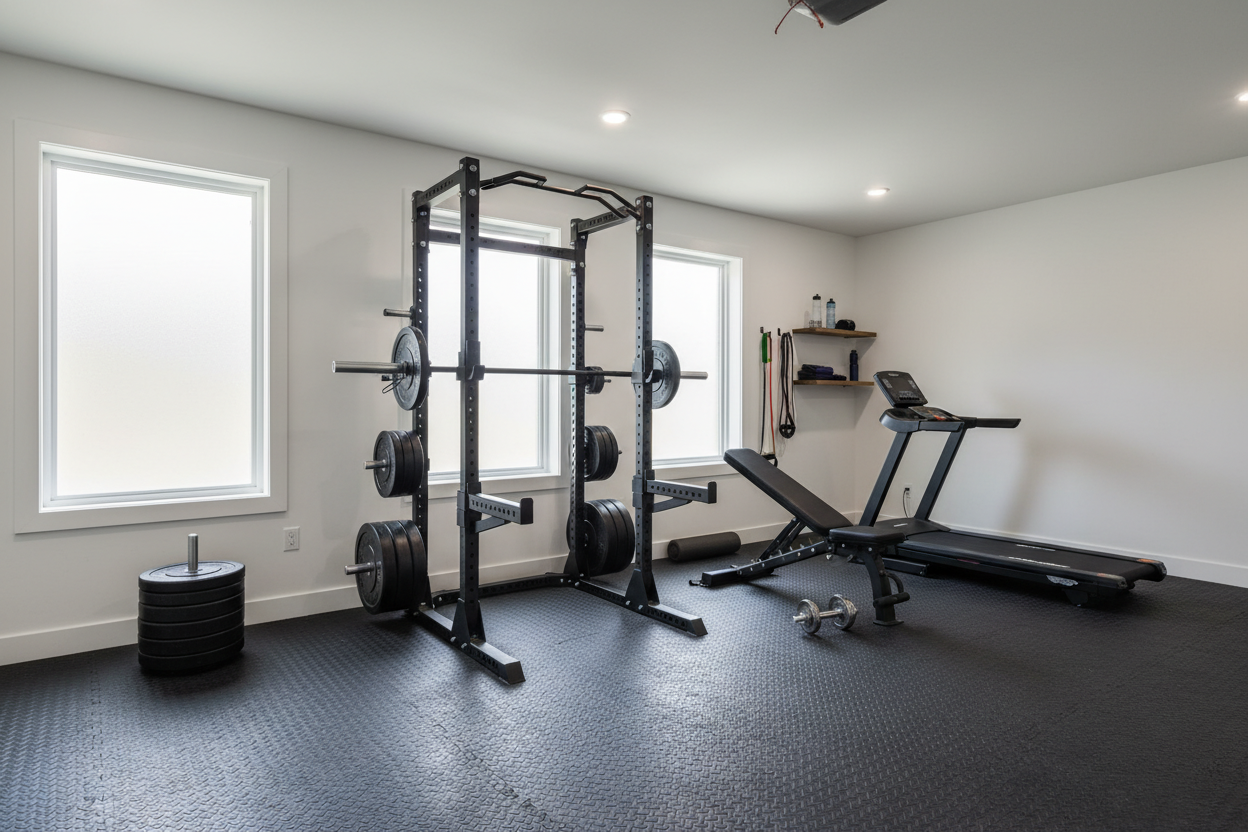
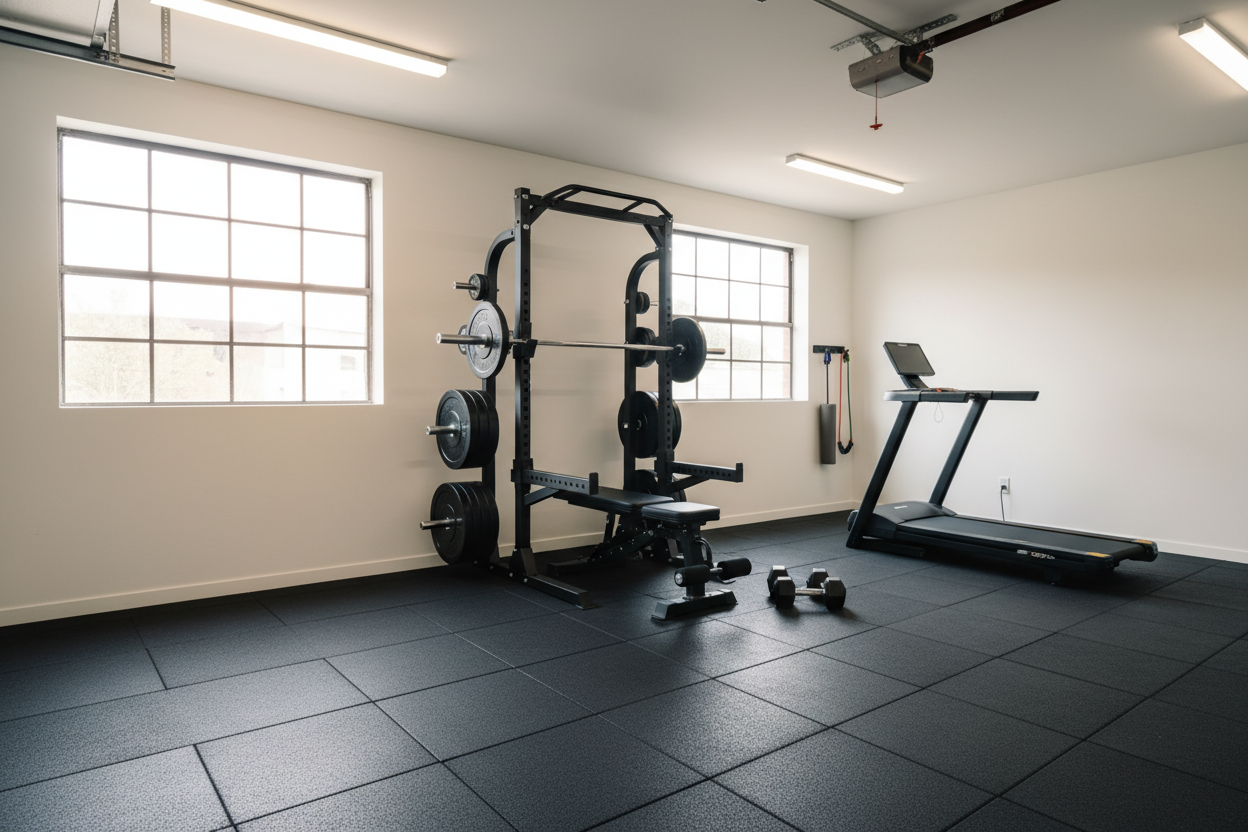
I love a good plate-loaded lateral raise machine as much as the next guy, but they have no place in a five-minute blitz. You don't have time to adjust pins, swap handles, or wait for the guy in the stringer tank top to finish his set. You need a pair of dumbbells—ideally something in the 10 to 20-pound range depending on your strength—and enough space to move. I recommend having a dedicated, non-slip space like the 6X8Ft Exercise Mat Yoga Mat Gym Flooring For Home Workout so you can safely drop dumbbells when reaching absolute failure without cracking your foundation or waking the neighbors.
Dumbbells allow for an immediate transition between exercises. You can go from a strict lateral raise to a partial lateral raise to an overhead press in the time it takes to take one breath. That speed is what makes the five-minute block effective. If you're fumbling with cable carabiners, the intensity drops, and the workout fails.
Two Brutal 5-Minute Protocols to Try Today
The first option is the 'Heavy EMOM' (Every Minute on the Minute) Push Press. Pick a weight you can strictly press for about 12 reps. Set a timer for five minutes. At the start of every minute, perform 8 to 10 reps of push presses, using your legs to drive the weight up and controlling the eccentric on the way down. The first two minutes will feel easy. By minute four, the 10-second rest period between sets will feel like a cruel joke. This builds explosive power and thick, dense delts.
The second option is the 'Giant Set Finisher.' This is my personal favorite for pure hypertrophy. You perform 60 seconds of each movement with zero rest: 1. Strict Lateral Raises, 2. Front Raises, 3. Rear Delt Flies, 4. Dumbbell Upright Rows, and 5. Arnold Presses. If you find yourself needing a different variation of this circuit, you can Build Boulder Shoulders With This Intense 5 Minute Workout which utilizes a slightly more press-heavy approach. Both will leave your shoulders feeling like they’re about to pop through your shirt.
Where Does This Fit Into Your Current Split?
Don't try to run this every single day. Even though it's only five minutes, the localized fatigue is significant. I find this works best as a finisher on a heavy chest or bench day. Your front delts are already warmed up from the pressing, so you can jump straight into the isolation work. Alternatively, use it as a standalone 'pump' session on an active recovery day when you want to get some blood flow without the CNS tax of a full gym session.
The key is to avoid overtraining the rotator cuff. If you're doing heavy overhead work three times a week, adding this finisher on top might be overkill. Listen to your joints. If you feel a sharp pinch, drop the weight or adjust the angle. The goal is muscle failure, not joint failure.
Personal Experience: My Dumbbell Disaster
I once tried to perform the Giant Set protocol with 35-pound dumbbells because I was feeling particularly 'alpha' that morning. I’ve been lifting for fifteen years; I thought I could handle it. By the two-minute mark (the front raises), my form was so atrocious I looked like I was trying to fly away. I ended up straining my levator scapulae and couldn't turn my head for a week. The lesson? Leave your ego at the door. For high-density shoulder work, 15s or 20s are usually plenty. It’s about the burn, not the number on the side of the bell.
FAQ
Can I use kettlebells instead of dumbbells?
You can, but the weight distribution of a kettlebell makes lateral raises feel awkward for some. If you’re comfortable with them, go for it, but dumbbells are the gold standard here for balance.
Is 5 minutes really enough for growth?
If you are training to true muscular failure and maintaining constant tension, yes. Most people grow from the last two or three 'effective' reps of a set. In this workout, almost every rep in the final three minutes is an effective rep.
What if I can't finish the full 5 minutes?
Drop the weight or perform partial reps. The goal is to keep moving for the entire duration. If you have to put the weights down, take three deep breaths and get right back into it.