I Swapped Heavy Presses for the Jeff Nippard Shoulder Workout
My shoulders used to feel like a bag of gravel every Monday morning. I was that guy in my garage gym, grinding out heavy overhead presses with a stiff 45-lb barbell, convinced that if I just added another five pounds, my delts would finally pop. Instead, my AC joints started screaming, and my progress stalled harder than a rusty squat rack in a humid basement.
I finally decided to put the ego aside and try the jeff nippard shoulder workout. After years of following the 'heavy weight at all costs' mantra, switching to a protocol based on spreadsheets and biomechanics felt like heresy. But eight weeks later, the results—and the lack of Ibuprofen in my system—were hard to argue with.
Quick Takeaways
- Stability is more important than the amount of weight on the bar for hypertrophy.
- The seated dumbbell press often beats the standing barbell press for pure delt growth.
- Cable lateral raises provide the constant tension that dumbbells lack.
- 'Optimal' lifting fixed my chronic joint pain while actually increasing my shoulder width.
Why I Finally Listened to the 'Science-Based' Lifting Crowd
I’ve always been a bit skeptical of the 'science-based' lifters who spend more time looking at EMG charts than actually moving iron. My philosophy was simple: if it’s heavy and you move it, you grow. But after hitting a wall that no amount of pre-workout could fix, I realized my shoulders were just becoming more inflamed, not wider. I was dealing with a nagging ache that made even bench pressing a chore.
I remembered seeing a Jeff Cavaliere shoulder pain warning that resonated with my situation. I was overusing my front delts and wrecking my joints with poor mechanics. That’s when I stumbled upon the jeff nippard shoulder day methodology. Nippard doesn't just tell you to lift; he explains the 'why' behind the physics of the movement. His approach to jeff nippard shoulders isn't about being a gym warrior; it's about being a mechanic for your own body.
The transition wasn't easy for my pride. I had to drop the weight on almost every lift. I went from ego-pressing 185 lbs overhead to sitting down and focusing on 60-lb dumbbells with a controlled tempo. It felt 'soft' at first, but the pump I got in my side delts was something I hadn't felt in years. I realized I hadn't been training my shoulders; I had just been moving weight using my traps and lower back.
Breaking Down His Famous Shoulder Exercises Tier List
If you haven't seen the jeff nippard shoulder tier list, it’s a polarizing piece of content. He takes gym staples and ranks them from S-Tier (the best) to 'Trash.' Seeing the behind-the-neck press or the upright row get dragged through the mud might hurt your feelings if you grew up on 90s bodybuilding mags, but his logic is sound. He prioritizes movements that offer a high stimulus-to-fatigue ratio and respect the natural path of the shoulder joint.
The jeff nippard shoulder exercises are ranked based on things like the resistance curve and stretch-mediated hypertrophy. For example, he ranks the standard dumbbell lateral raise lower than the cable version. Why? Because with a dumbbell, there is zero tension at the bottom of the movement. Your delt is basically resting. With a cable, the muscle is under load the entire time. When you start looking at your shoulder exercises ranked this way, you realize how much 'junk volume' you’ve been doing.
He also highlights the importance of the long-length partial and the 'stretch' position. Most people stop the movement right where it gets hard. Nippard’s shoulder exercises tier list emphasizes movements that challenge the muscle when it's fully elongated. This isn't just about getting a better workout; it's about maximizing the actual muscle fibers you're recruiting. I stopped doing front raises entirely because, as Jeff points out, your front delts are already getting hammered by every pressing movement you do.
The Overhead Press Debate: Barbell vs. Dumbbell
The jeff nippard overhead press philosophy was the hardest pill for me to swallow. I love the standing barbell press. It feels powerful. But Nippard argues that for pure muscle growth, the seated jeff nippard shoulder press is superior. The reason? Stability. When you stand, your core, glutes, and even your feet are working to keep you from falling over. This limits the amount of 'neural drive' going strictly to your shoulders.
By sitting down, preferably with a bench angled at about 75 to 80 degrees, you create a stable platform. This allows you to drive the weight up without your lower back arching like a bridge. I noticed that when I switched to the seated jeff nippard shoulder press, I could actually feel the muscle fibers in my anterior and medial delts firing. I wasn't just surviving the set; I was owning it. The 300-lb capacity on my home gym bench was more than enough, but the stability it provided made the 60-lb dumbbells feel twice as heavy in the right way.
Fixing the Lateral Raise (Once and For All)
We’ve all seen the guy in the gym swinging 50-lb dumbbells like he’s trying to take flight. That’s the opposite of the best shoulder exercises jeff nippard recommends. To build those 'boulder shoulders,' you need to isolate the medial delt, and that requires finesse, not momentum. I started incorporating the cable lateral raise, keeping the pulley at wrist height to maximize the tension where the muscle is most stretched.
When you compare this to traditional gym workout shoulder exercises, the difference is night and day. I also added chest-supported lateral raises using my adjustable bench. By leaning my chest against the pad, I eliminated the 'hip hinge' cheat that everyone uses. My side delts were on fire after just two sets. It turns out, you don't need heavy weight to grow; you just need to stop lying to yourself about your form.
Running the Actual Routine in a Garage Gym Setup
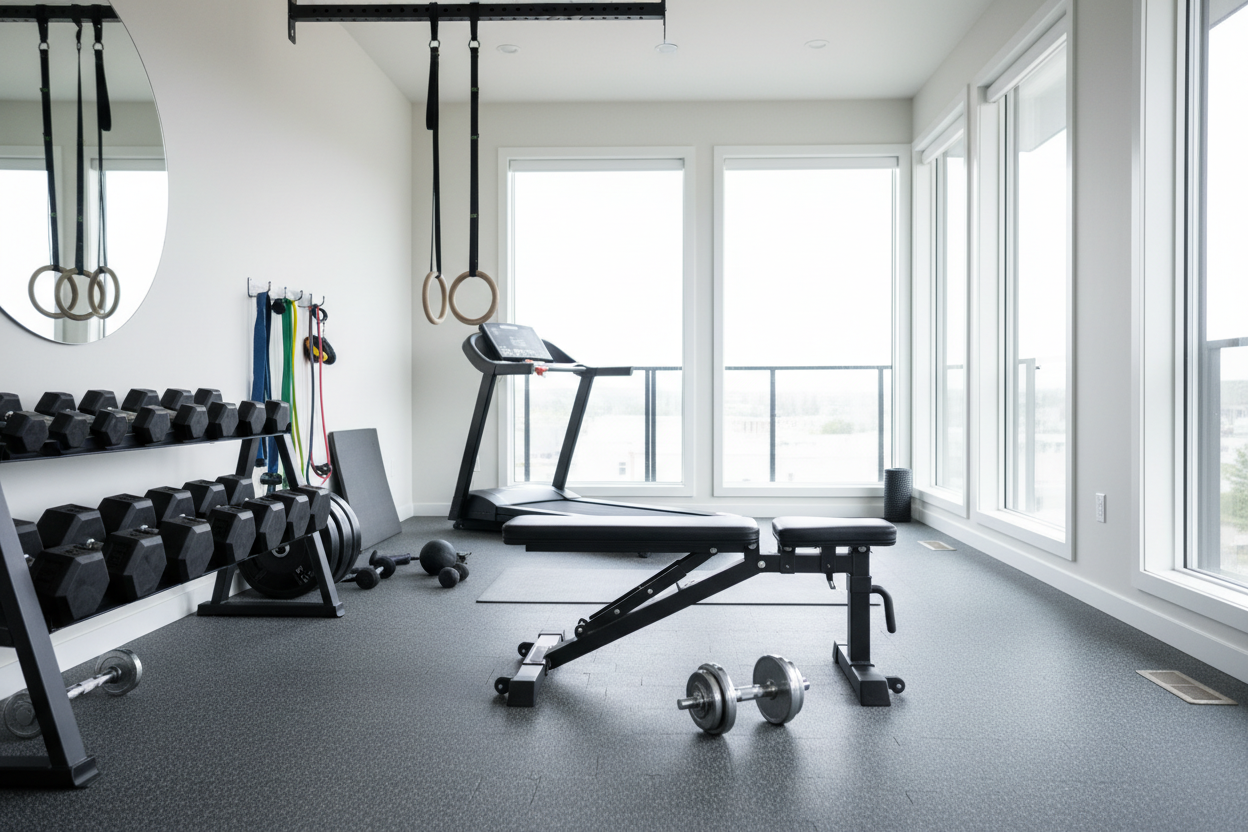
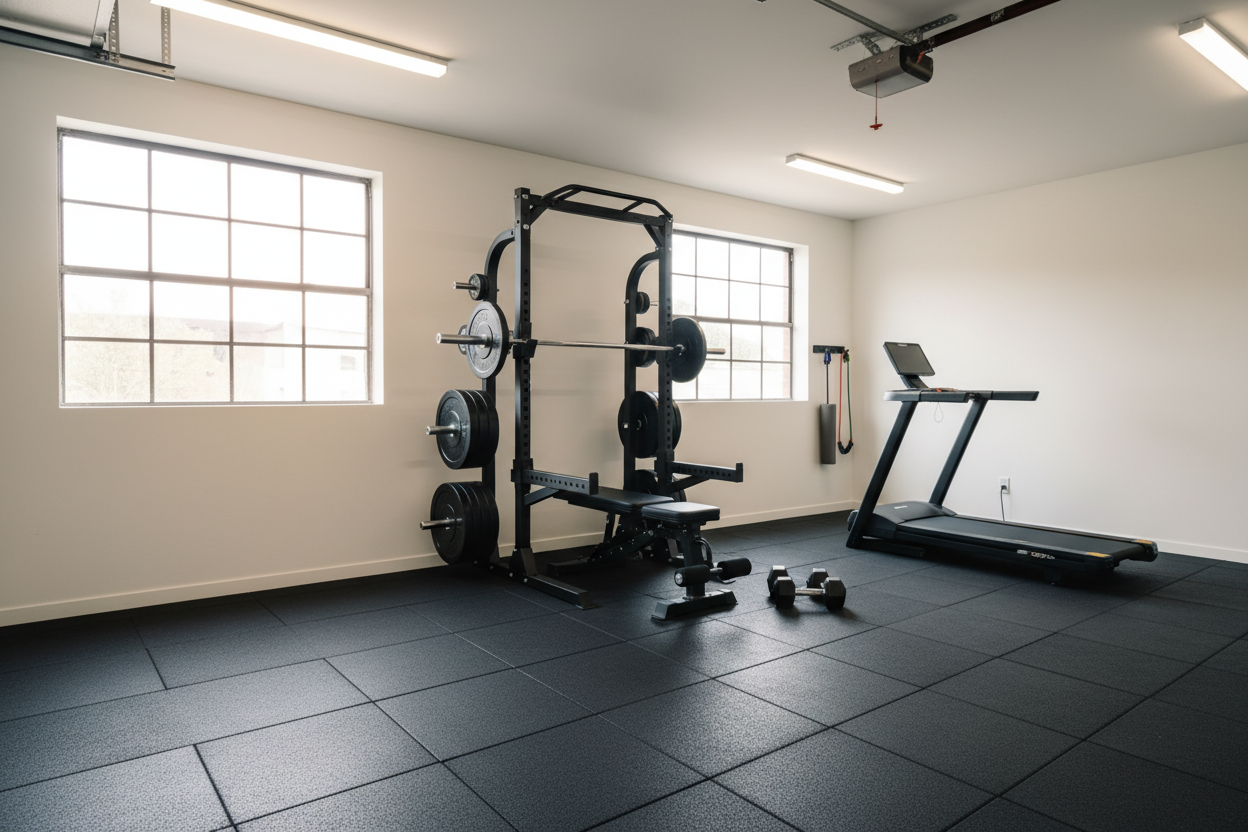
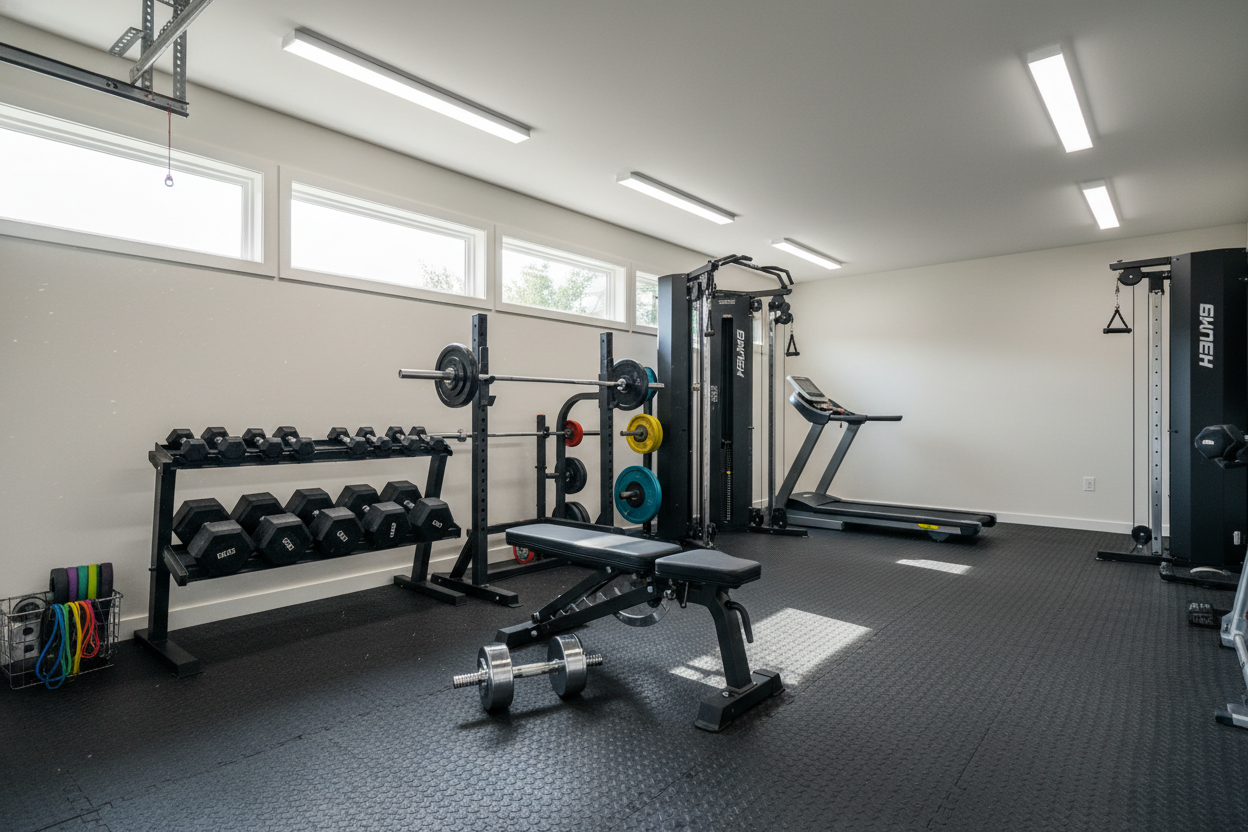
You don't need a commercial facility to run a shoulder workout jeff nippard style. I did this entire eight-week block in a 10x12 foot space. The key is having a solid set of adjustable dumbbells and a cable pulley system. If you don't have a full functional trainer, a simple wall-mounted single pulley works wonders. I used a DIY loading pin and some climbing rope for a while, but eventually upgraded to a dedicated plate-loaded pulley to keep the resistance smooth.
For the 'S-Tier' movements like the cable rear delt fly, I used long straps instead of handles to get a better range of motion. If you’re struggling to adapt these science-based movements to your home setup, I highly recommend checking out a workout hub for equipment hacks. You can replicate almost any cable movement with high-quality resistance bands if you anchor them correctly. The goal is to maintain that constant tension Nippard raves about, regardless of the tools you have on hand.
The Verdict: Does 'Optimal' Actually Build Boulder Shoulders?
After eight weeks of prioritizing jeff nippard shoulders techniques, the results were clear. My shoulders didn't just look bigger; they looked 'rounder.' The focus on the medial and rear delts filled out the frame in a way that heavy pressing never did. But the biggest win? My joints felt incredible. By moving the weight through proper biomechanical paths, I stopped grinding my bones together.
My honest take: the shoulder exercises ranked approach is a legit way to train, especially as you get older or more experienced. My one mistake was trying to keep my old 'heavy' weights while switching to the new form. I almost pulled a trap because I wouldn't let go of the numbers. Once I humbled myself and focused on the stretch and the squeeze, the growth followed. If you're tired of the same old plateau and the same old aches, this analytical approach is worth every second of the extra planning.
FAQ
Can I do the Jeff Nippard shoulder workout with only dumbbells?
Yes, but you'll need to be creative. Use 'long-length partials' and slow tempos to make up for the lack of constant cable tension. You can also use resistance bands in combination with dumbbells to mimic a cable resistance curve.
Is the barbell overhead press a waste of time?
Not at all. It's a great strength builder. However, if your goal is 100% muscle growth and joint longevity, Nippard argues that seated dumbbell or machine presses are more efficient because they are more stable.
How many times a week should I train shoulders?
Following the Nippard philosophy, 2-3 times a week is ideal, provided you are managing your recovery. Because shoulders are involved in all your chest and back days, you have to be careful not to overtrain the front delts.