The Best Workout Program for Building Muscle Ignores Your Spreadsheet
I spent last Tuesday staring at my power rack like it was an executioner's block. My spreadsheet told me I needed to pull a heavy triple at 90%, but my three-year-old had kept me up since 2 AM and my boss had spent the afternoon being a total nightmare. If I had followed that rigid plan, I probably would have snapped my spine like a dry twig. Finding the best workout program for building muscle isn't about finding the most complex spreadsheet; it's about finding one that knows when you're beat.
Quick Takeaways
- Your body doesn't distinguish between 'work stress' and 'lifting stress.'
- Auto-regulation allows you to adjust volume on the fly based on daily readiness.
- The speed of your warm-up sets is the best diagnostic tool you own.
- Focus on monthly volume trends rather than daily PRs.
The Life-Stress Trap: Why Rigid Routines Break You
Most lifters treat their bodies like a bank account with separate piles of cash for different expenses. You think you have a 'gym energy' pile and a 'life stress' pile. Science calls this Allostatic Load, and it proves that your central nervous system (CNS) only has one bucket. When you pour in a 10-hour workday, a fight with your spouse, and five cups of coffee, that bucket is already splashing over the rim before you even touch a barbell.
Forcing a heavy 5x5 session when your CNS is fried doesn't trigger hypertrophy; it triggers a cortisol spike that eats your gains. Even the most scientifically backed templates found in a library of workout routines need to be adjusted for daily stress. If you ignore the signs of burnout to satisfy a cell in Excel, you aren't training hard—you're training dumb.
What Auto-Regulation Actually Looks Like for Hypertrophy
Auto-regulation sounds like some high-level Olympic track coach jargon, but it's just a fancy way of saying 'listen to your body without being a quitter.' In the best workout programs for muscle gain, you use a sliding scale, often called RPE (Rate of Perceived Exertion). Instead of the program telling you to lift 315 lbs, it tells you to lift a weight that feels like an '8 out of 10' effort for six reps.
On a great day, that might be 330 lbs. On a day where you've had four hours of sleep, it might be 275 lbs. Both sessions provide the exact same stimulus for muscle growth because they hit the same level of relative intensity. You're working the muscle to the edge of its current capacity, rather than chasing a number that your nervous system can't handle today.
The Empty Bar Velocity Test
You don't need a $500 laser sensor to measure bar speed. I start every session by standing barefoot on my gym flooring for home workout to get a real sense of my stability and ground feedback. I grab the empty 45-lb bar and perform five explosive overhead presses or squats. If that bar feels like it's made of lead or my movement feels 'clunky,' I know my CNS is lagging.
If the bar flies up with zero hesitation, it's a green-light day. If it feels slow, I immediately cap my top sets and focus on higher-rep accessory work where the injury risk is lower. This simple diagnostic prevents those 'freak' injuries that happen when your brain and muscles aren't communicating at 100%.
Building a Flexible Framework (Not a Prison)
The best muscle building training program is built on a 'Tier' system. Tier 1 consists of your two big, non-negotiable compound movements. These are the foundation. Whether your training programs for muscle gain rely on a stiff power bar or a pair of heavy adjustable dumbbells, you do these first. If you're feeling trashed, you do the minimum required sets and go home.
Tier 2 is your optional accessory work. These are the curls, lateral raises, and face pulls. On days when you're feeling like a god, you hammer these for 4-5 sets. On days when you're barely surviving, you skip them entirely. This flexibility ensures you never miss the 'big' stimulus but also don't dig a recovery hole you can't climb out of.
Dialing In the Best Muscle Building Training Program at Home
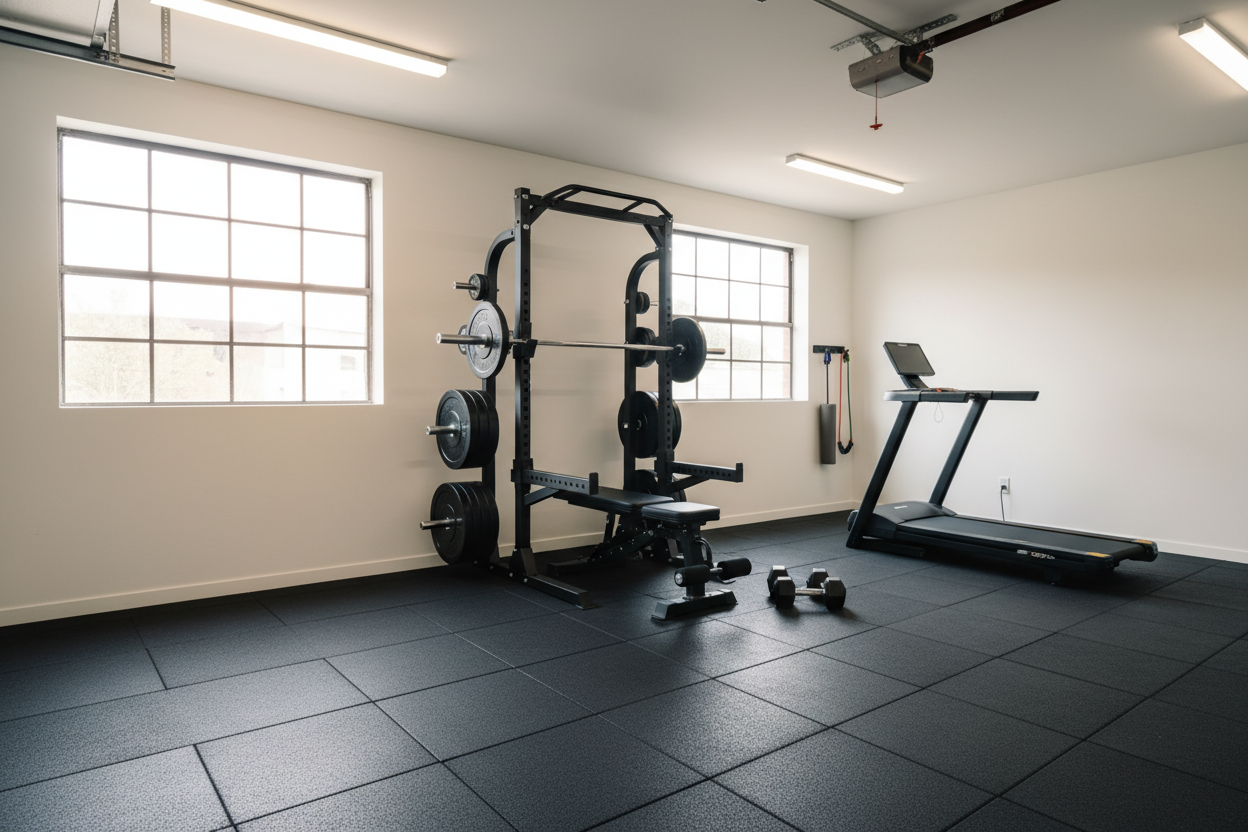
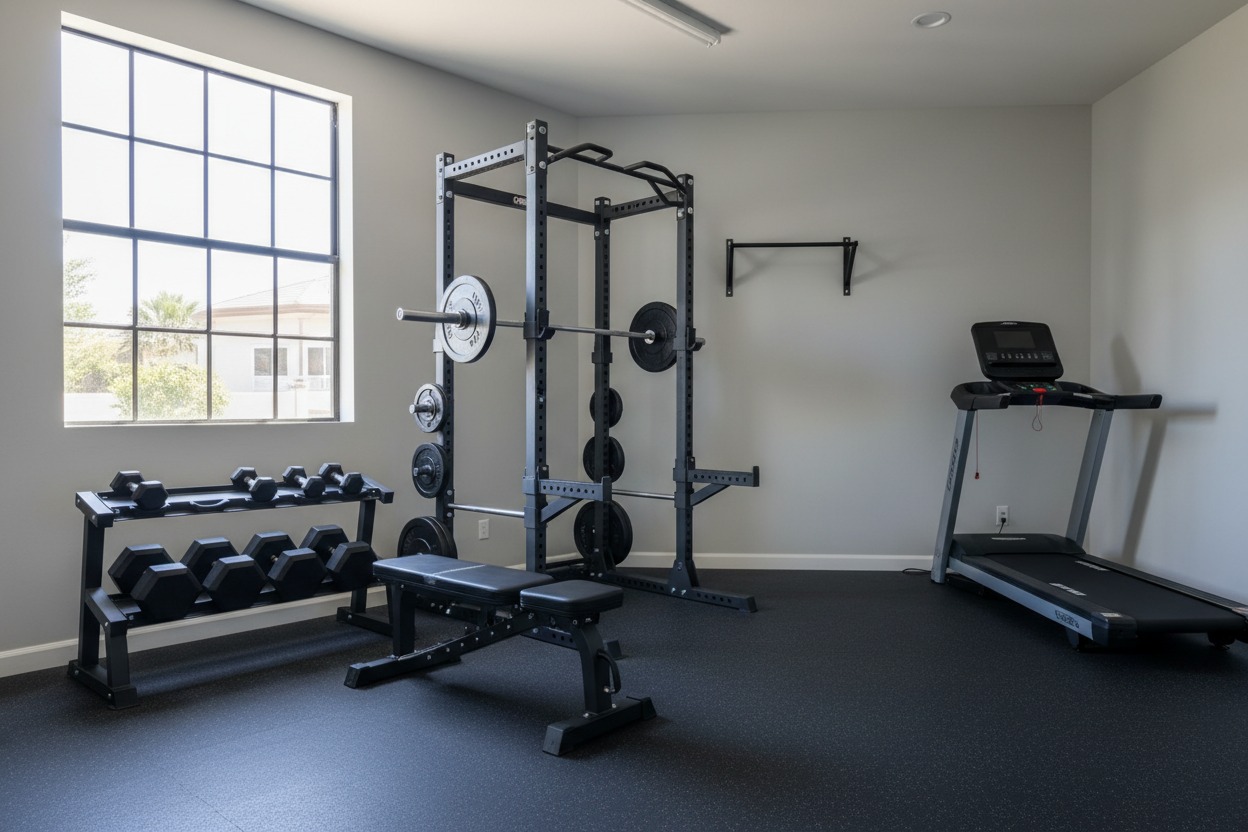
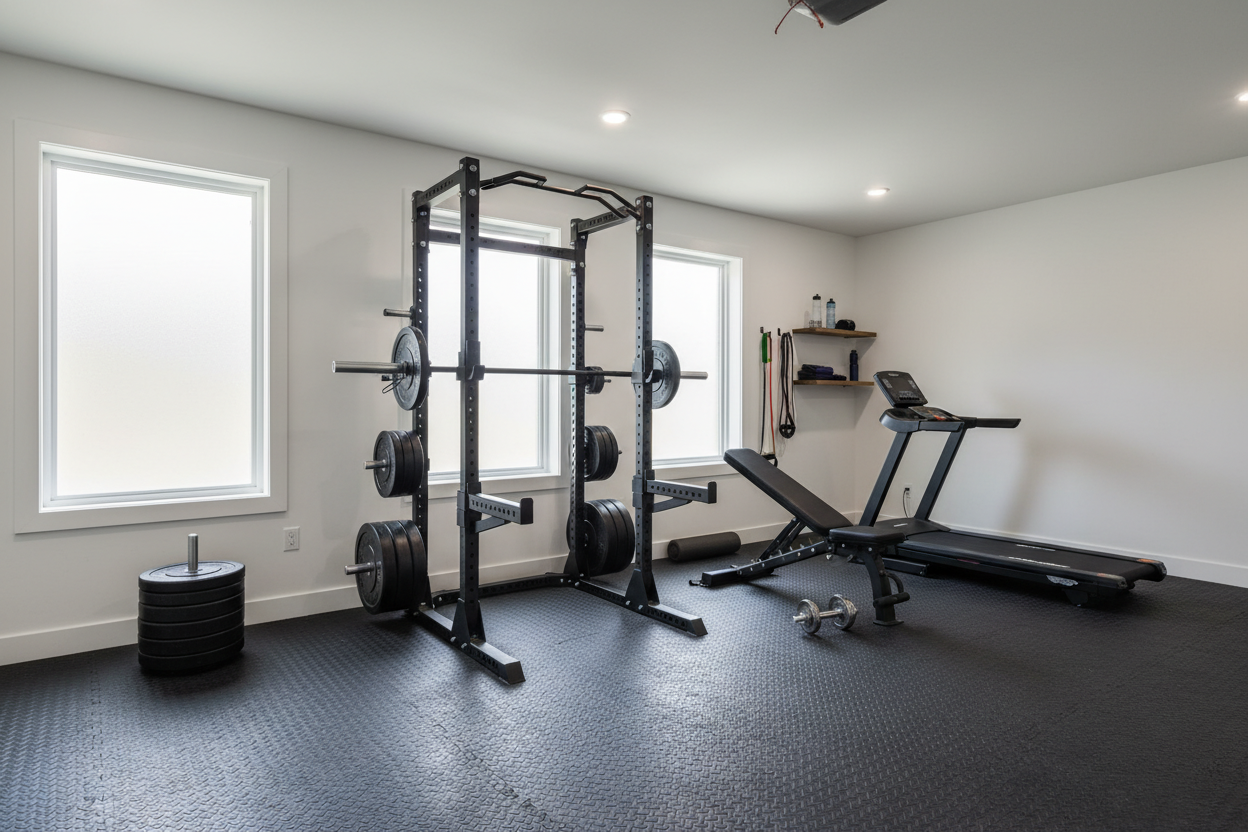
Training in a garage gym gives you an advantage: you can pivot instantly. If your knees are acting up because of the cold, you don't have to wait for a machine. You can swap a barbell back squat for a goblet squat using the best home workout equipment for men like a heavy kettlebell or a sandbag. This 'audible' at the line of scrimmage is what keeps you consistent over decades, not just weeks.
I've found that having a variety of handles—like a multi-grip bar or fat grips—allows me to keep training through minor joint tweaks. If a straight bar hurts my wrists on a bench press day, I switch to a neutral grip. The goal is the muscle contraction, not the specific piece of iron used to get there.
How to Track Progress When Every Week Looks Different
Progressive overload is not a straight line. It's a jagged staircase. You need to stop panicking if your bench press was 10 pounds lighter this Tuesday than it was last week. That isn't lost strength; it's just a high-stress day. Instead, track your total monthly volume. If your total tonnage moved is trending upward over a three-month window, you are building muscle.
Personal Experience: The Day I Didn't Listen
A few years ago, I was obsessed with a specific percentage-based program. I had a fever of 101, but the spreadsheet said it was 'Heavy Deadlift Day.' I dragged myself to the platform, ignored the fact that 225 lbs felt like 500, and tried to pull my prescribed 405. I felt a sharp 'zip' in my lower back and couldn't put my own socks on for three weeks. I lost two months of real training because I was too proud to admit my allostatic load was maxed out. Don't be me.
FAQ
Do I really need a barbell to build muscle?
No. Mechanical tension is what matters. You can build a world-class physique with heavy dumbbells, weighted dips, and chin-ups. Barbells are just a very efficient way to load a lot of weight at once.
How do I know if I'm being lazy or actually tired?
The empty bar test doesn't lie. If the bar moves fast but you just 'don't feel like it,' you're being lazy. If the bar moves slow and your joints feel like rusty hinges, you're actually tired.
Should I still go to the gym if I'm stressed?
Yes, but change the goal. A high-rep, low-weight 'pump' session can actually help flush cortisol and improve recovery, whereas a max-effort session will make things worse.