Why 90% of Internet Muscle Training Tips Fail in a Real Home Gym
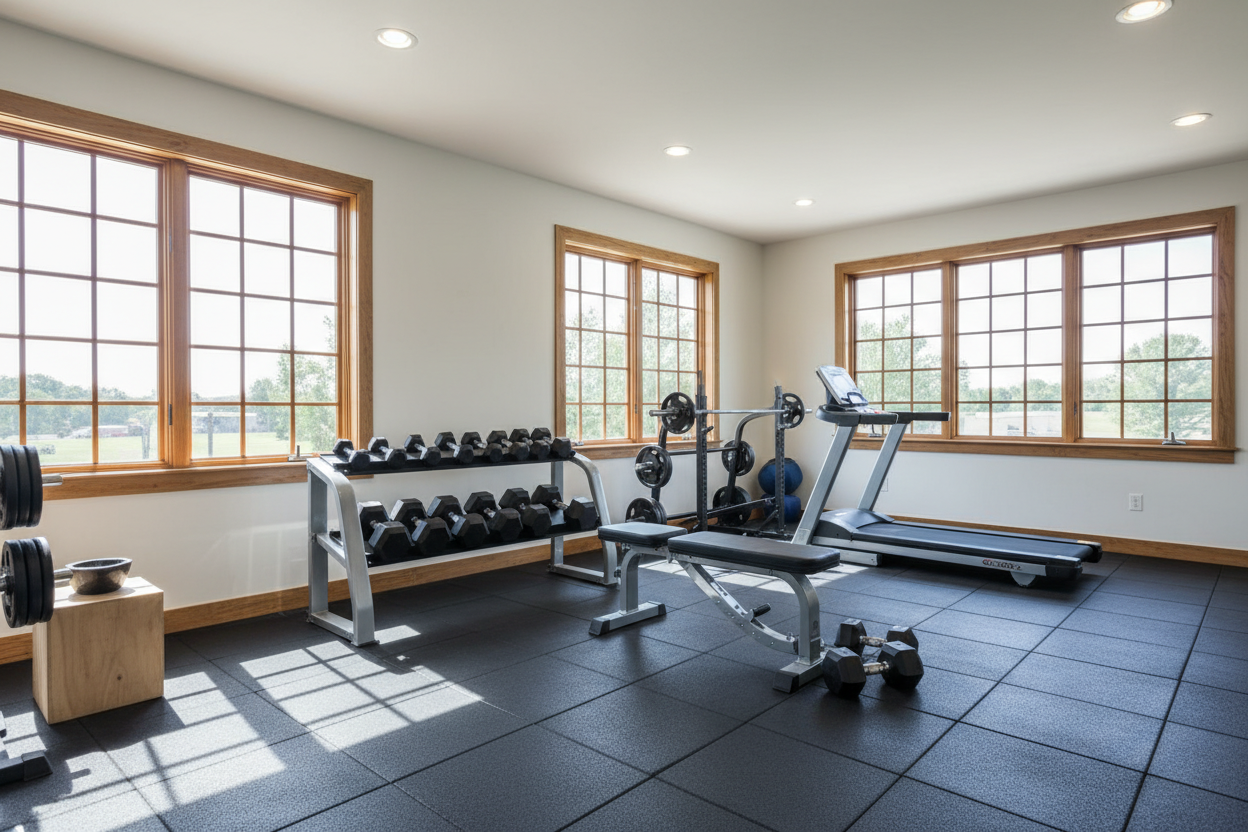
I have spent the last decade in a 400-square-foot garage that smells like old rubber stall mats and iron. I’ve bought the cheap Amazon racks that shook when I racked 225, and I’ve spent way too much money on specialized bars that now just collect dust. Most of the muscle training tips you see on your feed today are written by people who have never had to move a 300-lb power rack by themselves or deal with a concrete floor that isn't perfectly level.
Quick Takeaways
- Effort beats optimization every single time; stop worrying about 2-degree angle changes and start pushing your sets closer to failure.
- Stability is the foundation of force; if your equipment wobbles, your nervous system will cut your power output.
- Stop moving weight from A to B and start focusing on the muscular contraction against the load.
- Safety is the prerequisite for intensity, especially when training alone in a garage.
Stop Optimizing and Start Trying Harder
The internet has paralyzed lifters with biomechanics and 'optimal' angles. I see guys in my DMs asking if they should rotate their pinky 5 degrees on a lateral raise to 'hit the medial delt better' while they haven't added 5 pounds to their overhead press in three years. This overcomplication is the worst tips for weight training you can follow.
The most crucial piece of advice I can give you is this: apply raw, intense effort to a heavy barbell. If you aren't straining, you aren't growing. You can have the most scientifically backed program in the world, but if you're leaving four reps in the tank on every set because you're too focused on your elbow path, you’re wasting your time. Real muscle is built in the 'dark place' at the end of a set where your form is tight but your soul is leaving your body.
The 'A to B' Trap That Keeps You Small
There is a massive difference between moving a weight and training a muscle. Most people treat proper strength training like a logistics problem—they just want to get the bar from the floor to their chest. That’s great for powerlifting, but for muscle growth, it’s a trap. When you just move weight from point A to point B, your body naturally finds the path of least resistance. It uses momentum, it shifts the load to your joints, and it bypasses the muscle you’re actually trying to grow.
My best weight training advice is to slow down. Feel the weight stretching the muscle at the bottom and squeeze it at the top. If you’re doing rows, don’t just yank the handle; imagine your hand is a hook and pull with your elbow. If you can't pause the weight for a half-second at the peak of the contraction, it’s too heavy. You’re not a forklift; you’re a bodybuilder, even if you’re doing it in a garage next to a lawnmower.
You Can't Fire a Cannon From a Canoe
Stability is the ultimate cheat code for hypertrophy. Your brain is smarter than you are—if it senses that you are off-balance or that your foundation is shaky, it will down-regulate the power it sends to your muscles to prevent injury. This is why strength training advice often ignores the importance of your environment. If you’re doing seated presses on a bench that creaks and wobbles, you will never hit your true potential.
I realized this when I upgraded to a sturdy adjustable weight bench. Suddenly, my incline press went up 15 pounds in two weeks. It wasn't because I got stronger; it was because my nervous system finally felt safe enough to let me exert 100% effort. These resistance training tips apply to everything. Plant your feet, brace your core, and make sure your gear is bolted down. If you’re wobbling, you’re losing gains.
Using Gear to Lock in Your Tension
In a home gym, you don't have 40 different machines to choose from. You have to be smart about how you curate your strength and weight training equipment to align with your goals. The right setup allows you to focus purely on the muscular squeeze rather than balancing the load. This is especially true for tips for strength training involving high-volume back days.
I’m a huge fan of using strength building tips that involve removing the 'weakest link.' For most people, that’s their grip. If your forearms give out before your lats do on a set of heavy rows, your back isn't getting the work it needs. Using strength training accessories like lifting straps or grips allows you to eliminate forearm fatigue and focus entirely on the target muscle. It’s not cheating; it’s being efficient with your energy.
Failing Safely When You're Training Alone
The biggest barrier to growth in a garage gym is fear. If you’re afraid the barbell is going to crush your windpipe on a bench press, you won’t go for that final, muscle-building rep. These strength workout tips are about safety as much as they are about gains. You need a way to hit true mechanical failure without needing a spotter.
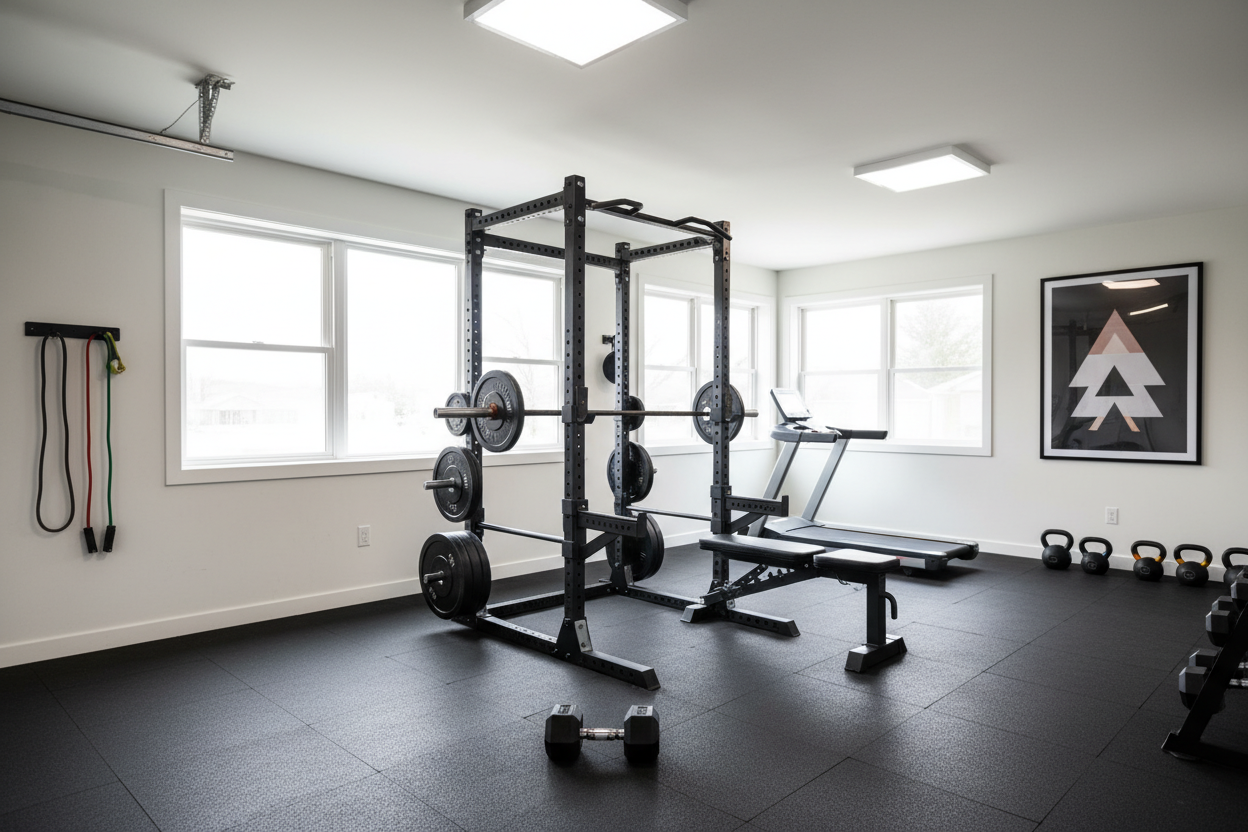
This is where weight lifting recommendations shift toward modern solutions. While I love the barbell, integrating weight lifting machines or plate-loaded equipment into your home gym can be a lifesaver. They allow you to push to absolute failure safely because there’s a built-in safety catch or a fixed path. If you can’t fit a full functional trainer, at least invest in a rack with high-quality spotter arms that can handle a 500-lb drop. If you know you’re safe, you’ll train harder.
Personal Experience: The 'Optimization' Mistake
A few years ago, I got obsessed with 'science-based' lifting. I spent three months tweaking my squat stance by half an inch because a video told me it would better isolate my quads. My strength training tip for you? Don't be like me. While I was busy measuring my foot angle, my intensity plummeted because I was thinking too much. I didn't grow an inch. I only started making progress again when I went back to basics: heavy weight, hard sets, and a stable bench. The best gear in the world won't save a workout that lacks intensity.
FAQ
How many days a week should I lift for muscle growth?
For most people, 3 to 5 days is the sweet spot. The key is consistency. It is better to have three 'perfect' high-intensity sessions than five mediocre ones where you're just going through the motions.
Do I really need a power rack for a home gym?
If you want to do heavy compound lifts safely, yes. A 3x3 steel rack with spotter arms is the foundation of any serious garage gym. It’s the one piece of equipment you should never go cheap on.
What are the best tips on weight lifting for beginners?
Master the big movements first—squat, hinge, push, and pull. Don't worry about isolation exercises until you have a solid foundation of strength. And for heaven's sake, write down your lifts so you can track progress.
Is weight lifting advice different for older lifters?
The principles are the same, but recovery becomes more important. You might need to swap some barbell movements for machines to save your joints, but the requirement for intensity never goes away.