I Swore Off Cables: 4 Exercises With Weights for Arms and Shoulders
I remember staring at my DIY pulley system three years ago, watching the cheap plastic coating on the cable peel off for the third time that month. I was trying to replicate the high-end cable crossovers of a commercial gym in a space that barely fits a 4x6 foot rubber mat. It was a mess. I was so focused on variety and 'angles' that I ignored the fact that my overhead press hadn't moved five pounds in a year. I realized that my best gains didn't come from fancy pulleys, but from the most basic exercises with weights for arms and shoulders.
Quick Takeaways
- Free weights force more stabilizer recruitment than machines, leading to denser muscle.
- A heavy seated press is the foundation of shoulder width and tricep thickness.
- Minimalist routines prevent the joint inflammation common with high-volume cable work.
- Progressive overload is easier to track with iron plates than varying pulley frictions.
The Day I Stopped Chasing the Perfect Pump
I spent years in the 'pump' trap. You know the routine: three different types of cable pushdowns, some rope curls, and maybe some light lateral raises to finish. You leave the gym feeling like your shirt is going to rip, but forty minutes later, you look exactly the same as you did when you walked in. In a home gym, cables are often more trouble than they are worth. They take up massive amounts of floor space, require constant lubrication, and the resistance curves can be wildly inconsistent between brands.
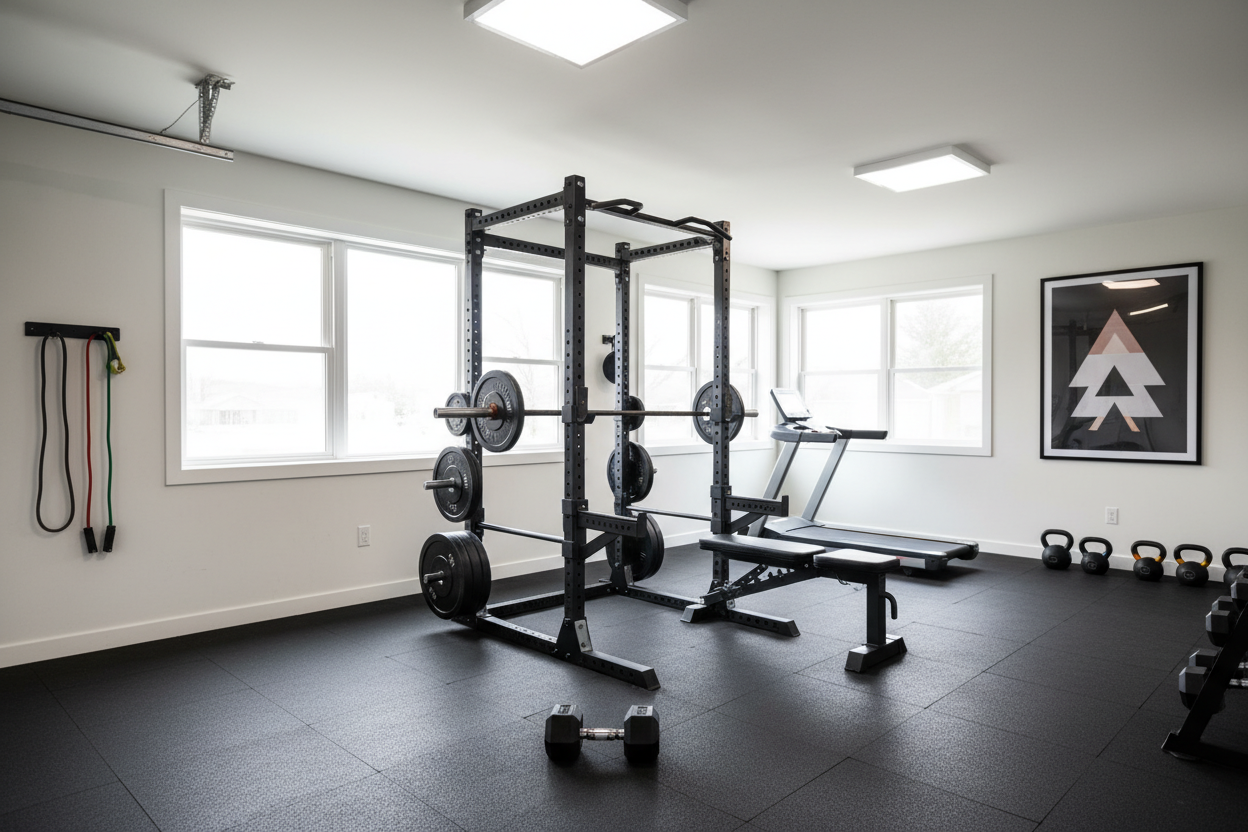
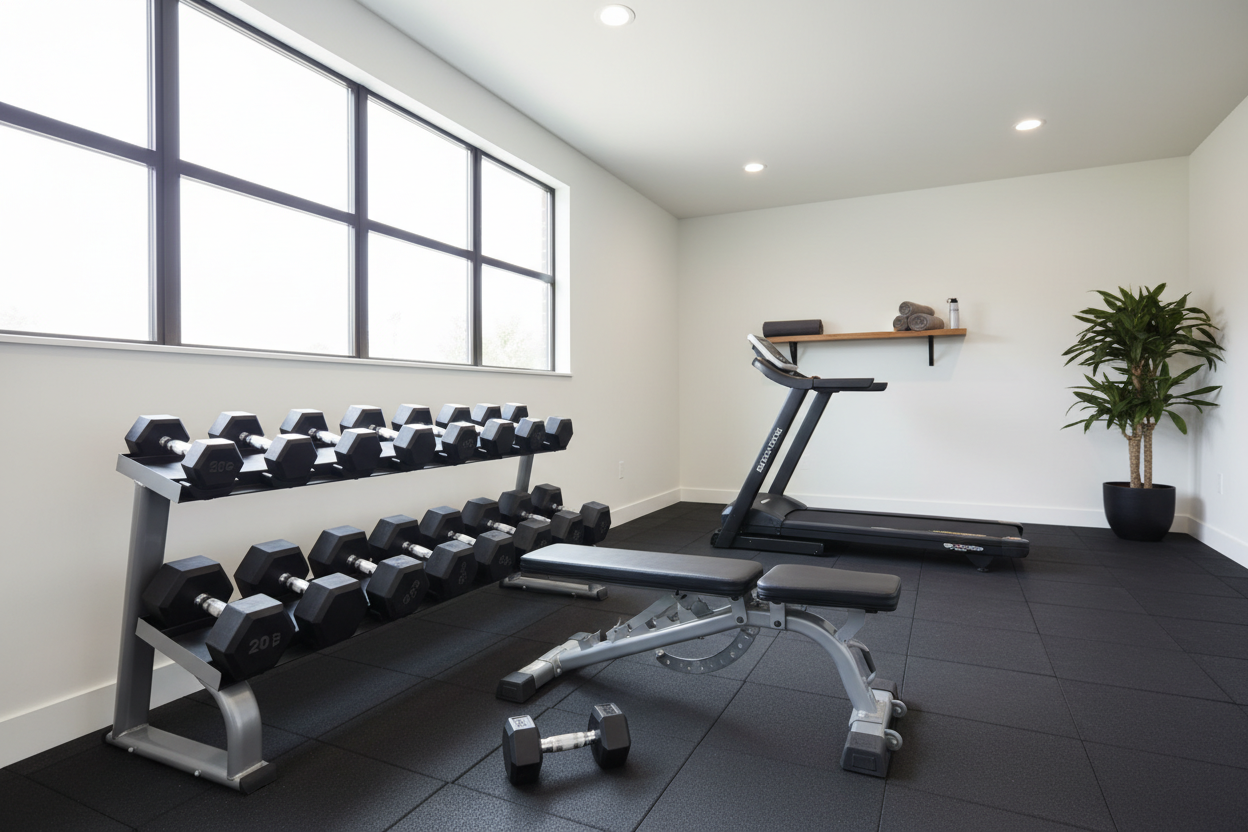
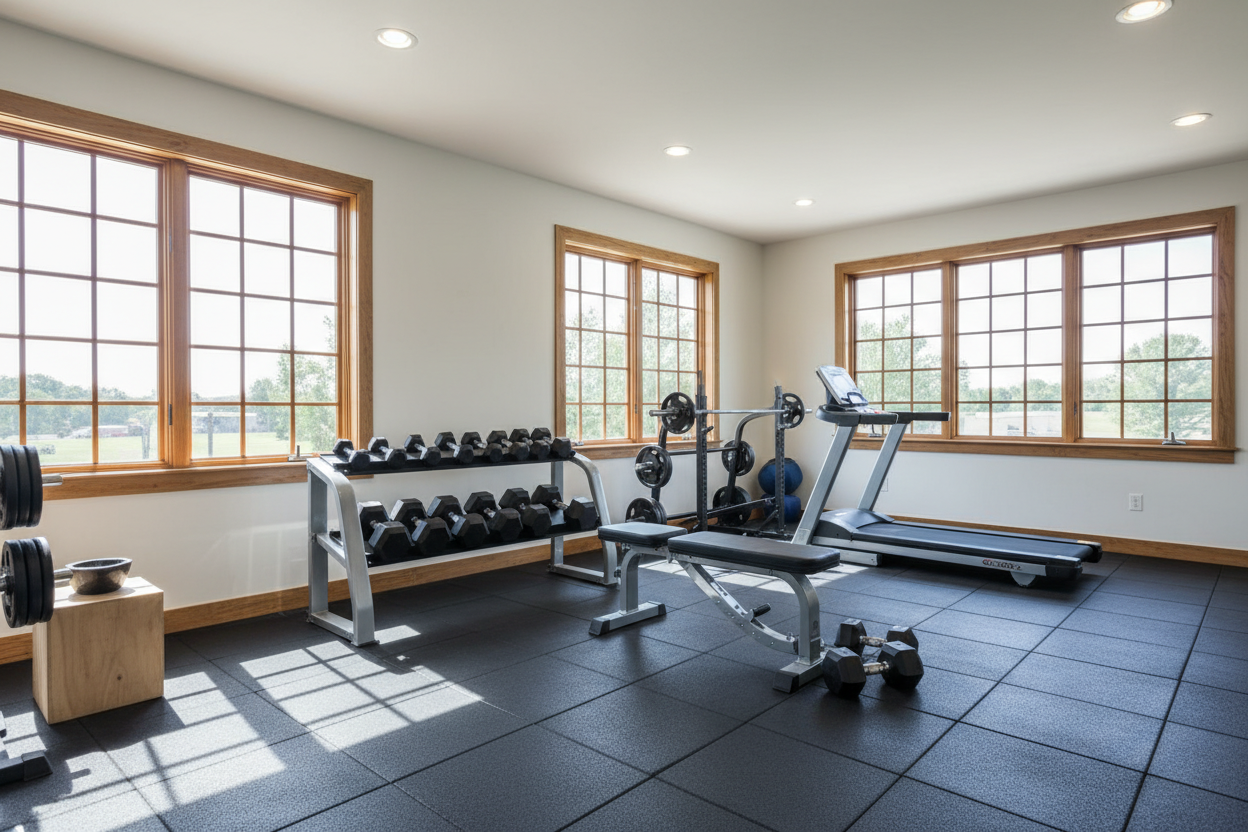
I finally hit a wall where I was doing more maintenance on my equipment than actual lifting. I sold the cable stack and went back to the basics: a barbell, some dumbbells, and a pile of iron. I stopped caring about the temporary swelling of the muscle and started focusing on moving heavy loads through a full range of motion. The result? I actually started needing bigger shirts. By stripping away the complexity, I could finally see where I was weak. If you can't strict press your body weight, you don't need a five-cable accessory circuit; you need more time under a heavy bar.
Why Basic Weight Exercises for Arms and Shoulders Beat Fancy Machines
When you use weight exercises for arms and shoulders, you aren't just moving a load from point A to point B. You are fighting gravity in three dimensions. Every time you pick up a dumbbell, your rotator cuff and forearm stabilizers have to work overtime just to keep the weight from drifting. This micro-instability is exactly what builds that dense, 'hard' look that cable machines often fail to deliver. Machines guide the path for you, which is great for rehab, but suboptimal for raw mass.
A basic Weight Set And Bench is truly all you need to build a massive upper body. Think about the physics: a 45-lb plate is always 45 lbs. On a cable machine, depending on the pulley ratio and the friction in the bearings, that 45-lb stack might feel like 20 lbs or 60 lbs. This makes tracking real progress nearly impossible. With free weights, the data is honest. If you put 135 lbs on the bar today and you did it for ten reps, and last month you did it for eight, you got bigger. It is that simple. Plus, iron doesn't have cables that snap mid-set, sending a handle flying toward your face.
The Core Four: My Stripped-Down Upper Body Routine
This is the minimalist routine I used to finally break through a year-long plateau. We are hitting every major muscle group in the upper arm and shoulder girdle with just four movements. No fluff, no 'finishers,' just heavy iron and high intensity. We are targeting the anterior, lateral, and posterior deltoids, along with both heads of the biceps and all three heads of the triceps.
1. The Heavy Seated Overhead Press (Delts & Triceps)
I love the standing press for athleticism, but if your goal is pure hypertrophy, sit down. Taking the legs out of the equation prevents you from using that 'cheat' leg drive when the reps get hard. I use a Gxmmat Adjustable Weight Bench set to about 85 degrees—just a hair shy of vertical. This slight tilt protects the lower back and allows you to tuck your elbows slightly, which is much kinder to your rotator cuffs than a 90-degree flat-back position.
When you press, don't stop at the top of your head. Bring the bar all the way down to your upper chest and drive it to full lockout. This movement is the king of shoulder builders and hits the lateral head of the triceps harder than almost any other compound lift. If you're used to cables, the weight you can move here might humble you, but the carryover to your other lifts is massive.
2. The Strict Barbell Curl (Biceps)
The barbell curl is the most disrespected exercise in the gym because everyone cheats on it. To do this right, pin your elbows to your ribcage and keep them there. If your elbows move forward as you curl, you're using your front delts. If you lean back, you're using your spine. Use a straight bar to maximize the supination of the forearm, which is the primary function of the bicep. Lower the weight for a slow, three-second count to maximize the eccentric tension. This is where the actual muscle fiber damage happens that leads to growth.
3. The Lying Triceps Extension (Triceps)
Often called skullcrushers, these are the best way to hit the long head of the tricep—the part that gives your arm that thick, 'horseshoes' look. Use an EZ-bar or dumbbells to save your wrists. The secret is to lower the weight to the top of your head or even slightly behind it, rather than your forehead. This increased stretch creates a massive amount of mechanical tension. Keep your elbows tucked in; don't let them flare out like chicken wings, or you'll turn a tricep move into a weird chest press.
4. The Seated Dumbbell Clean (Rear & Side Delts)
Most people neglect their rear delts or try to hit them with 5-lb dumbbells and endless reverse flyes. The seated dumbbell clean is an old-school explosive move that trashes the posterior chain of the shoulder. Sit on the edge of your bench, lean slightly forward, and explosively 'clean' the weights up to your shoulders. It is a fantastic I Built an Exercises for Shoulders Dumbbell Routine Using One Weight option because it allows you to use significantly heavier loads than a standard raise, forcing the rear delts to adapt to real weight.
How to Put These 4 Moves Together Without Burning Out
You don't need to do these every day. In fact, if you're doing them with enough intensity, you shouldn't be able to. I recommend hitting this routine twice a week with at least two days of rest in between. Focus on the 8-12 rep range for the curls and extensions, and the 5-8 rep range for the heavy overhead pressing. This gives you a mix of myofibrillar and sarcoplasmic hypertrophy.
It is also vital to understand How I Sequence Weight Lifting Exercises for Arms and Shoulders. Never do your tricep extensions before your overhead press. Your triceps are a secondary mover in the press, and if they are already fatigued, your shoulder workout will suffer before the delts are even fully taxed. Start with the biggest compound movement (the press) and work your way down to the isolation moves.
Personal Experience: The 'All-In-One' Mistake
I once bought a cheap 'all-in-one' home gym system because I thought I needed forty different exercises to grow. I spent more time adjusting pins and untangling cables than I did lifting. My progress stalled for six months. The day I went back to a simple barbell and a solid bench, my strength shot up. I realized that the friction in those cheap machines was actually hiding my weaknesses. If you want real results, don't hide behind a pulley system. Stick to the iron.
FAQ
Can I do these exercises with just dumbbells?
Absolutely. Dumbbells offer a greater range of motion and are often safer for the joints, though you won't be able to load as much total weight as you would with a barbell.
How long should I rest between sets?
For heavy presses, take 2-3 minutes. For the arm isolation moves, 60-90 seconds is plenty to maintain intensity while allowing for some ATP recovery.
My elbows hurt when doing extensions, what should I do?
Switch to dumbbells with a neutral grip (palms facing each other). This takes the torque off the elbow joint and usually solves the 'cranky elbow' issue immediately.