If you are juggling a busy schedule and trying to squeeze a training session into a cramped garage gym, isolation exercises aren't going to cut it. You need efficiency. By shifting your focus to whole body moves, you can trigger maximum muscle recruitment, elevate your heart rate, and get a complete training stimulus in half the time.
Whether you're working with a single kettlebell or a fully equipped power rack, integrating these dynamic exercises will completely overhaul your approach to fitness. Let's break down how to program and execute these movements for the ultimate home gym advantage.
Key Takeaways
- Efficiency: Compound, multi-joint exercises burn more calories and build functional strength faster than isolation work.
- Space-saving: A highly effective full body movement workout requires minimal equipment, making it ideal for tight basement or garage setups.
- Versatility: You can adapt total-body moves to dumbbells, kettlebells, resistance bands, or simply your own body weight.
- Core engagement: These dynamic lifts naturally force your core to stabilize under load, eliminating the need for endless crunches.
Why Shift to a Body Movement Workout?
The Science of Total-Body Moves
When you transition from traditional bodybuilding splits to a routine centered on total-body moves, your nervous system works overtime. Exercises like the thruster or the renegade row demand coordination between your upper and lower extremities. This not only builds dense, functional muscle but also spikes your metabolic rate far beyond what a standard bicep curl can achieve.
Unlocking Unique Full Body Exercises
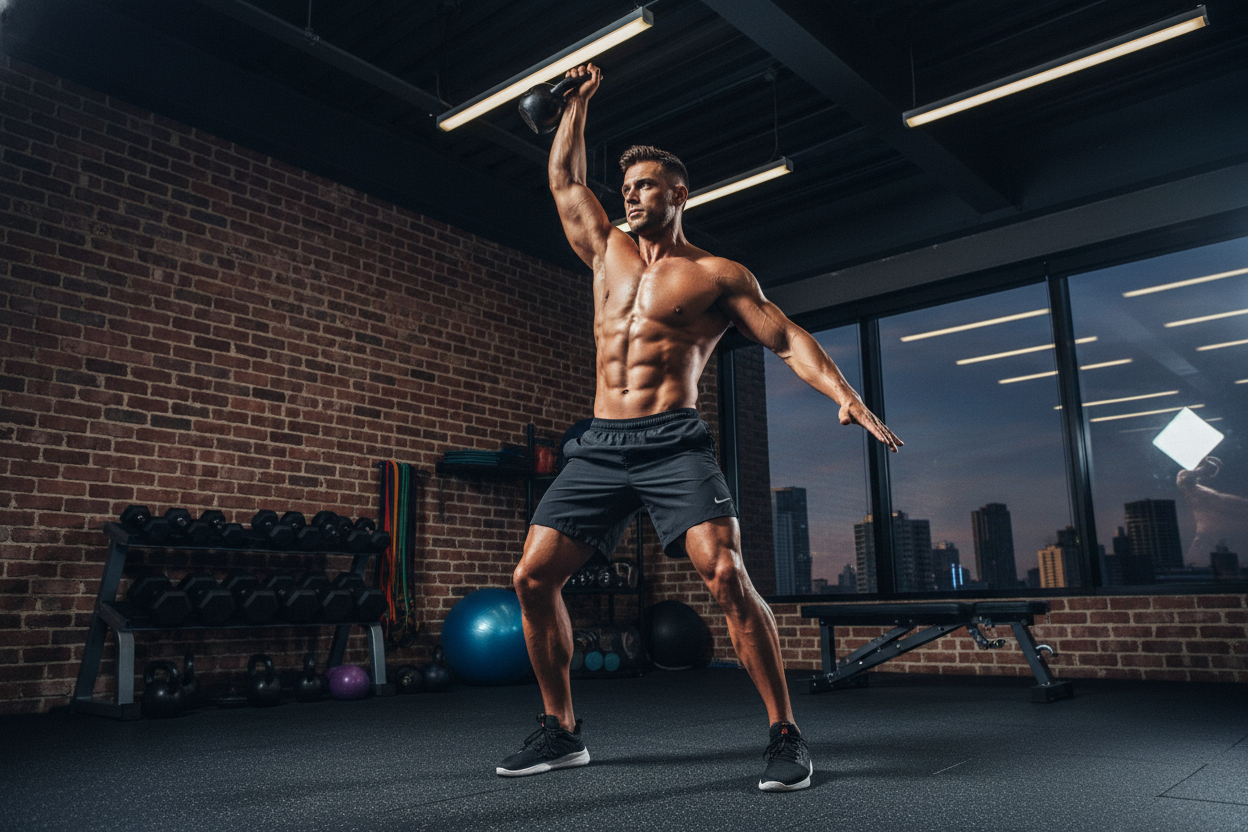
Home gyms offer the perfect environment to experiment with unique full body exercises without waiting for machines to open up. Think beyond the basic squat. Movements like kettlebell clean-and-presses, dumbbell man-makers, and sandbag get-ups turn your living room or garage into a high-performance athletic facility.
Equipping Your Space for Total Body Workout Moves
Finding the Right Gear
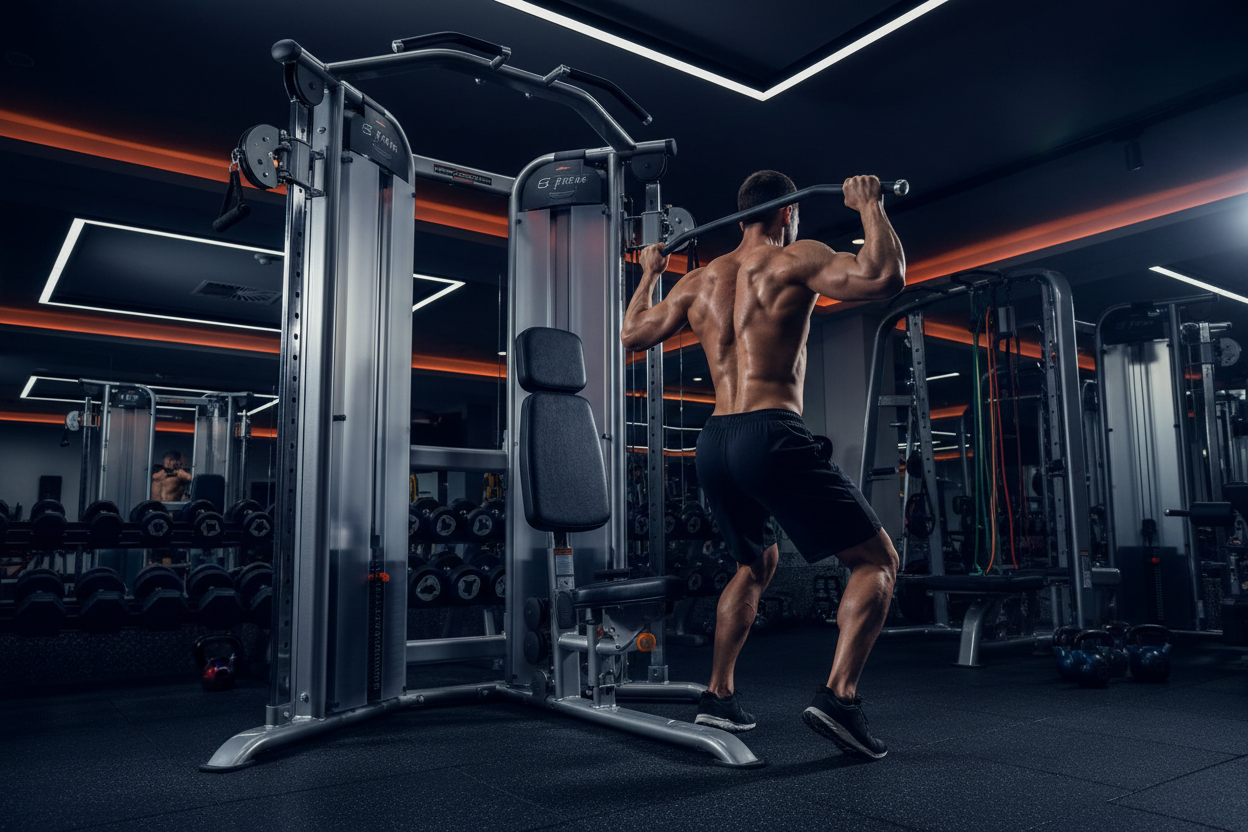
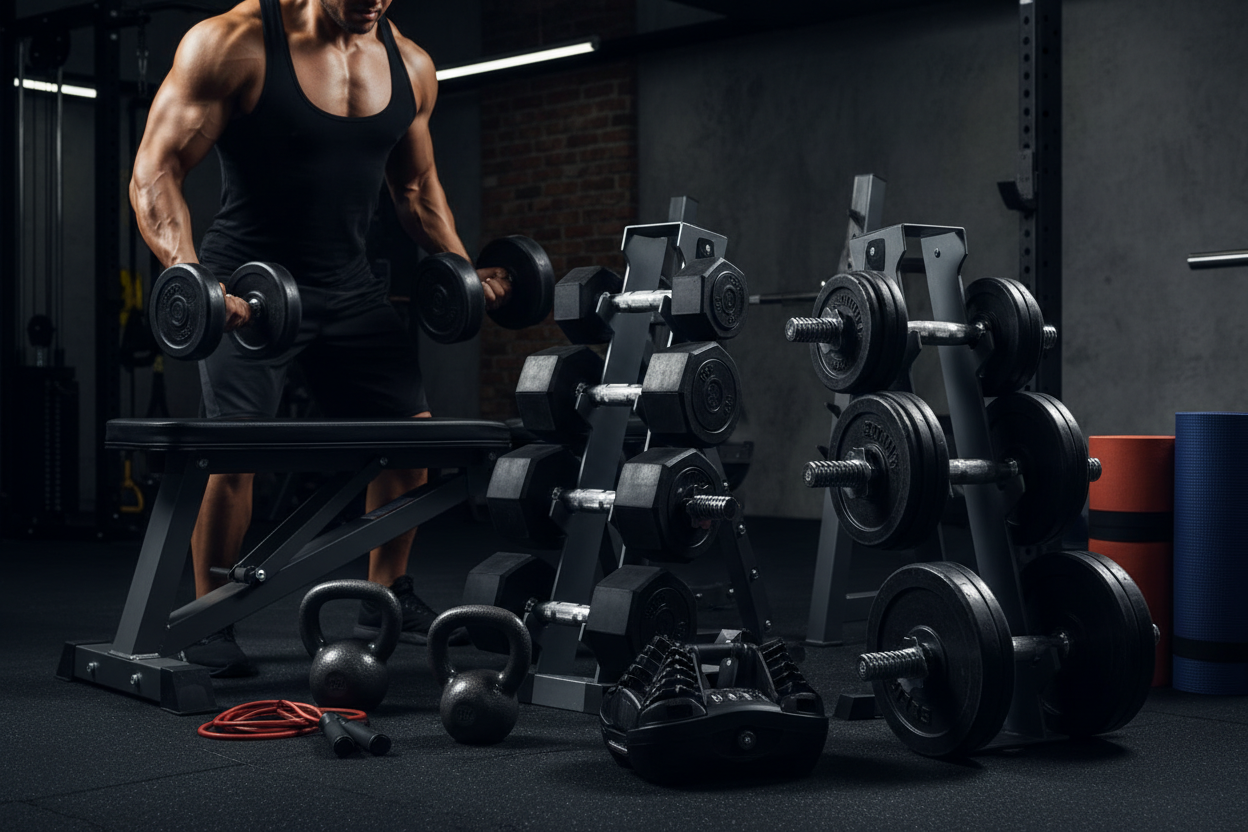
You don't need a massive cable crossover machine to execute a highly effective full body movement workout. The best home gym investments for this training style are versatile free weights. A pair of adjustable dumbbells or a few varied-weight kettlebells offer the perfect resistance range. Look for cast iron or urethane-coated bells for maximum durability; they withstand the inevitable drops that happen when pushing through a grueling complex.
Space Planning and Clearance
Dynamic total body workout moves require more spatial awareness than static lifting. If you're performing barbell snatches or overhead lunges, you need to factor in ceiling height. Standard North American basements sit around 84 to 96 inches high. If you are using bumper plates and an Olympic bar, ensure you have at least 8 feet of vertical clearance and a 6-by-8-foot floor footprint to move safely.
From Our Gym: Honest Take
I've spent years outfitting and training in various home gym setups, from a 400-square-foot two-car garage to a tiny apartment corner. When I first transitioned to programming whole body moves exclusively, I realized my space was entirely too cluttered with single-use machines. I sold my leg extension machine and invested in a premium set of adjustable kettlebells.
Here is the honest truth: the learning curve for these movements is steep. At 6'2, I quickly learned that stringing together a kettlebell snatch into a reverse lunge requires significant overhead clearance—I definitely scraped my basement ceiling a few times before moving my setup to the garage. But the payoff? My conditioning skyrocketed, and my workouts dropped from 75 minutes to a brutal, highly effective 40 minutes. Just be warned: your grip will fail before your legs do during heavy complexes, so keep some chalk handy.
Frequently Asked Questions
Are whole body moves safe for beginners?
Yes, but form is paramount. Beginners should start by mastering the foundational movement patterns—hinge, squat, push, and pull—using just their body weight or very light resistance before combining them into a complex body movement workout.
How much space do I need for a full body movement workout?
For most dumbbell and kettlebell flows, an 8-by-8-foot clear space is ideal. This gives you enough lateral and forward room to perform lunges, crawls, and get-ups without kicking a wall or your power rack.
Can I build muscle with just total-body moves?
Absolutely. By utilizing progressive overload—increasing the weight, reps, or time under tension—these movements create significant mechanical tension and metabolic stress, which are the primary drivers of muscle hypertrophy.