Who Needs a Leg Press? How to Build Massive Legs Anywhere
You do not need a gym membership, a leg press, or a squat rack to build strong, muscular legs. The belief that heavy machinery is the only path to hypertrophy is a myth that keeps many people from reaching their potential. You can achieve significant growth and strength by manipulating leverage, tempo, and volume using only your body weight or simple household items. The key lies in unilateral training—working one leg at a time—which doubles the effective load on the target muscle while demanding immense core stability that machines simply cannot replicate.
During a period where I was unable to access a gym for several months due to travel, I was terrified my lower body strength would vanish. I had spent years loading up barbells and assumed that without 300 pounds on my back, I would shrink. I was wrong. I shifted my focus to high-intensity unilateral movements and strict tempo control. Not only did I maintain my size, but my knee pain disappeared, and my balance improved drastically. That experience taught me that intensity isn't just about the number on the plate; it is about the tension in the muscle. If you apply enough stress, the muscle has no choice but to adapt and grow.
The Mechanics of Growth Without Iron
To make a leg workout no machine effective, you have to stop counting reps and start chasing failure. When you remove external load, you must increase the time under tension. Instead of bouncing through twenty air squats, slow down. Take three seconds to lower yourself, pause for a second at the bottom, and explode up. This metabolic stress triggers growth factors just as effectively as heavy lifting.
Furthermore, removing machines forces your stabilizer muscles to work overtime. A leg extension machine isolates the quad but supports the rest of your body. A pistol squat or a lunge forces your glutes, adductors, and core to fire simultaneously to keep you upright. This results in a more athletic, functional physique rather than just aesthetic bulk.
The King of Bodyweight Leg Training: The Bulgarian Split Squat
If you only do one movement, make it this one. The Bulgarian Split Squat is widely considered one of the best leg exercises without machines because it places the entire load on a single leg while putting the hip flexors of the rear leg into a deep stretch. It is brutal, uncomfortable, and incredibly effective.
To perform this, stand a few feet in front of a couch or chair. Place the top of your rear foot on the surface behind you. Lower your back knee toward the floor while keeping your front foot flat. Your torso angle dictates the focus: lean forward slightly to hit the glutes, or stay upright to torch the quads. You will likely find that body weight alone is enough to induce shaking legs within ten reps.
Mastering the Pistol Squat Progression
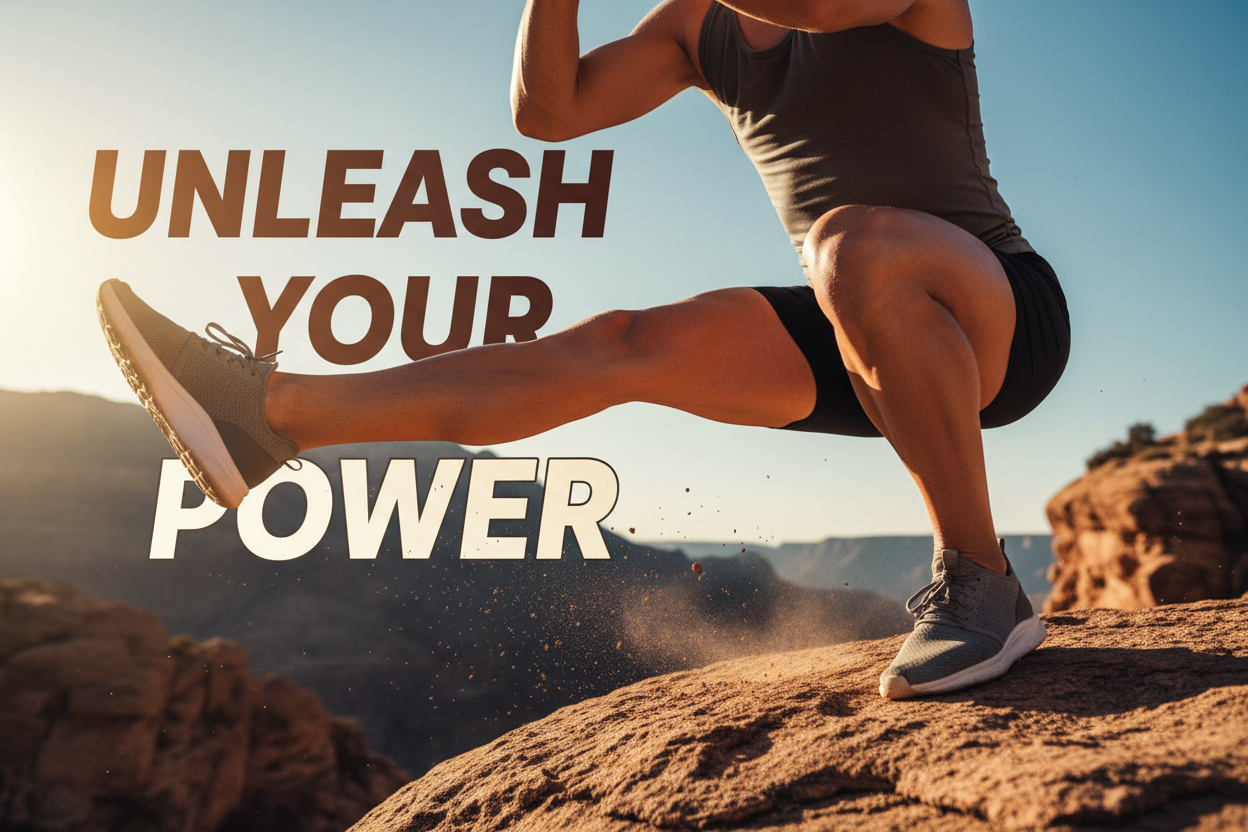
The pistol squat is the ultimate display of lower body mobility and strength. It requires you to squat all the way down on one leg while the other extends straight out in front. Most people cannot do this immediately, but the regression exercises are fantastic for building mass.
Start with a box pistol squat. Stand in front of a chair, lift one leg, and slowly lower yourself until your glutes touch the seat, then stand back up using only that one leg. This variation is a staple in any serious leg day no machines because it safely overloads the quads without risking a fall. As you get stronger, lower the surface until you are working through a full range of motion.
Targeting the Posterior Chain
Quads often get all the attention, but neglecting your hamstrings and glutes is a recipe for injury. Without a lying leg curl machine, you need to get creative. The single-leg Romanian Deadlift (RDL) is your best friend here. Stand on one leg with a slight bend in the knee. Hinge at the hips, sending your back leg straight behind you like a pendulum. Keep your back flat and reach toward the ground. You should feel a deep stretch in the hamstring of the standing leg. Squeeze your glutes to return to standing.
For direct hamstring isolation, try the Nordic curl negative or a slider curl. Lie on your back on a smooth floor with your heels on a towel (or wearing socks). Lift your hips into a bridge, then slowly slide your feet away from you until your legs are straight. Drag them back in while keeping your hips high. This eccentric overload is phenomenal for preventing hamstring strains.
Structuring Your Home Routine
A haphazard approach won't yield results. You need a plan. Here is a high-intensity leg day workout no machine required that covers all movement patterns. Perform this circuit with minimal rest between exercises, resting 90 seconds only after completing a full round.
- Bulgarian Split Squats: 12 reps per leg (Focus on a 3-second descent)
- Single-Leg Hip Thrusts: 15 reps per leg (Pause at the top for a full second)
- Walking Lunges: 20 reps total (Keep your chest up and core tight)
- Slider Hamstring Curls (or Walkouts): 12 reps
- Jump Squats: 15 reps (Explosive movement to finish)
Repeat this circuit four times. By the final round, your legs should feel heavy and pumped. This volume compensates for the lack of heavy external weight.
Explosive Power and Plyometrics
One element often missing from home workouts is power development. Machines lock you into a fixed path, making explosive movement difficult. When doing leg exercises no machines, you have the freedom to jump. Plyometrics recruit fast-twitch muscle fibers, which have the highest potential for growth.
Incorporate jump squats, jumping lunges, or broad jumps into your routine. These movements shock the nervous system and teach your body to generate force rapidly. However, use these sparingly if you have joint issues, and always land softly to absorb the impact through your muscles rather than your bones.
Consistency and Progression
The biggest mistake people make with home training is failing to progress. Since you cannot simply add a 5lb plate, you must progress in other ways. Add a rep each week. Slow down your tempo. Decrease your rest periods. Or, grab a backpack and fill it with books or water bottles to add resistance. Surviving leg day no machines is about mental fortitude as much as physical effort. If the workout starts feeling easy, you aren't pushing hard enough.
Frequently Asked Questions
Can I really build muscle mass without heavy weights?
Yes, your muscles respond to tension and fatigue, not just the specific amount of weight on a bar. By utilizing high volume, shorter rest periods, and unilateral exercises that put all your body weight on one limb, you can stimulate significant hypertrophy.
How often should I train legs if I am not using machines?
Because bodyweight exercises generally cause less systemic nervous system fatigue than heavy spinal loading, you can train legs more frequently. A frequency of 2 to 3 times per week allows for sufficient volume while giving your muscles 48 hours to recover and grow.
What should I do if my knees hurt during lunges?
Knee pain during lunges often stems from poor hip stability or stepping too far forward. Try performing reverse lunges instead of walking lunges, as they place less shear force on the knee. Focus on keeping your weight in the heel of your front foot and engaging your glutes throughout the movement.