Chest Gap Explained: Causes, Solutions, and Realistic Expectations
The chest gap, also known as a gap between pecs or pectoral gap, is a common feature in both casual gym-goers and professional athletes. Many people notice a space between chest muscles, sometimes described as an inner chest gap, sternal gap, or triangle chest gap. While often a natural anatomical trait, it can cause concern for those aiming for a full and symmetrical chest appearance in bodybuilding or fitness.
Understanding the Anatomy Behind a Chest Gap
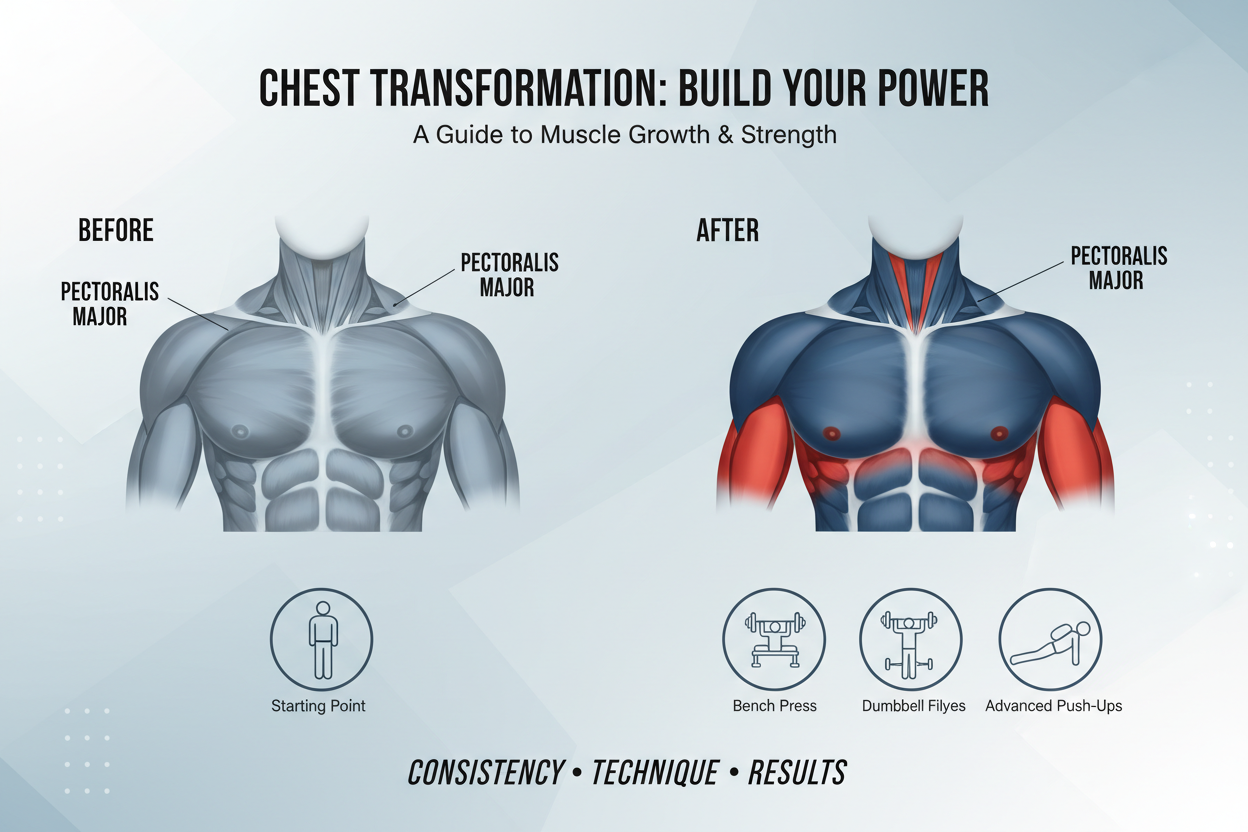
The pectoralis major muscle attaches along the sternum and clavicle, but its origin and insertion points vary among individuals. This variation in muscle attachment can lead to a gap between chest muscles. Factors such as chest gap genetics play a significant role — some people naturally have widely spaced pecs regardless of training intensity. In certain cases, a large chest gap or wide chest gap is simply a result of bone structure, rib cage shape, or the length of the tendinous attachment to the sternum.
Common Causes of Chest Gap
- Genetic Factors: The most common reason for a gap in chest muscles is genetic anatomy. A gap in chest genetics cannot be entirely changed by exercise alone.
- Body Fat Distribution: Low body fat can make a gap between chest more visible, while higher body fat may temporarily reduce its appearance.
- Muscle Development Patterns: Training routines focused heavily on outer pecs without targeting the inner portion can accentuate an upper chest gap or inner chest gap.
- Surgical or Medical History: Individuals who have undergone chest gap surgery or corrective procedures for conditions related to the sternum may have changes in muscle symmetry.
Chest Gap in Bodybuilding
Among bodybuilders with chest gap issues, the focus is often on developing a fuller chest through targeted exercises. Many experienced athletes accept that a bad chest gap or big chest gap has limited improvement potential. Photographs of chest gap before and after targeted training often show improvement in muscle thickness, but the central space remains due to anatomical limits.
Can Training Close a Chest Gap?
Learning how to close chest gap or how to fix chest gap requires realistic expectations. Movements such as cable crossovers, close-grip bench presses, and incline presses can increase muscle mass near the sternum, but complete elimination of the space between pecs is rare. The goal is often to reduce the visual impact rather than achieve a perfect no chest gap result.
Surgical Options
Chest gap surgery, sometimes performed for aesthetic reasons, seeks to create a tighter and fuller chest contour. A qualified plastic surgeon can assess whether implants, fat grafting, or other techniques can reduce the wide chest gap. However, surgery carries risks and costs, and natural approaches through training are generally preferred unless the gap is due to a medical condition.
Practical Training Tips
- Incorporate exercises that work the inner portion of the pectoral muscles, such as pec deck flyes and narrow grip push-ups.
- Maintain progressive overload to ensure muscle growth over time.
- Balance upper and lower chest exercises to prevent uneven development, especially if you notice a lower chest gap or upper chest gap forming visually.
- Ensure proper form to maximize muscle engagement and avoid injury.
Personal Observation
After noticing my own gap in middle of chest during early training years, I adjusted my workouts to include more cable crossover sets at different angles. While I never completely eliminated the space between chest muscles, I was able to improve the fullness and definition, making the aesthetic chest gap less pronounced. Accepting that some physical traits are part of personal anatomy helped shift my focus toward balanced and healthy development rather than chasing perfection.
When to Seek Professional Advice
If you are wondering why do I have a gap in my chest or what causes chest gap in your specific case, consult a fitness professional or physician. Persistent concerns, especially if accompanied by pain or asymmetry, may warrant medical evaluation. Some people discover gaps due to underlying skeletal conditions or previous injuries that require tailored training or medical intervention.
Final Takeaway
Understanding chest muscle gap formation involves recognizing the role of genetics, training patterns, and, in rare cases, surgical outcomes. Although complete elimination of a gap between chest muscles is often unrealistic, targeted exercises can improve appearance and overall pectoral development. Whether you have a large chest gap, space between chest, or are comparing chest gap vs no chest gap, the key is focusing on consistent, balanced training while accepting natural anatomical variation.