The Ultimate Guide to Your First Leg Day: Building Strength and Curves with Confidence
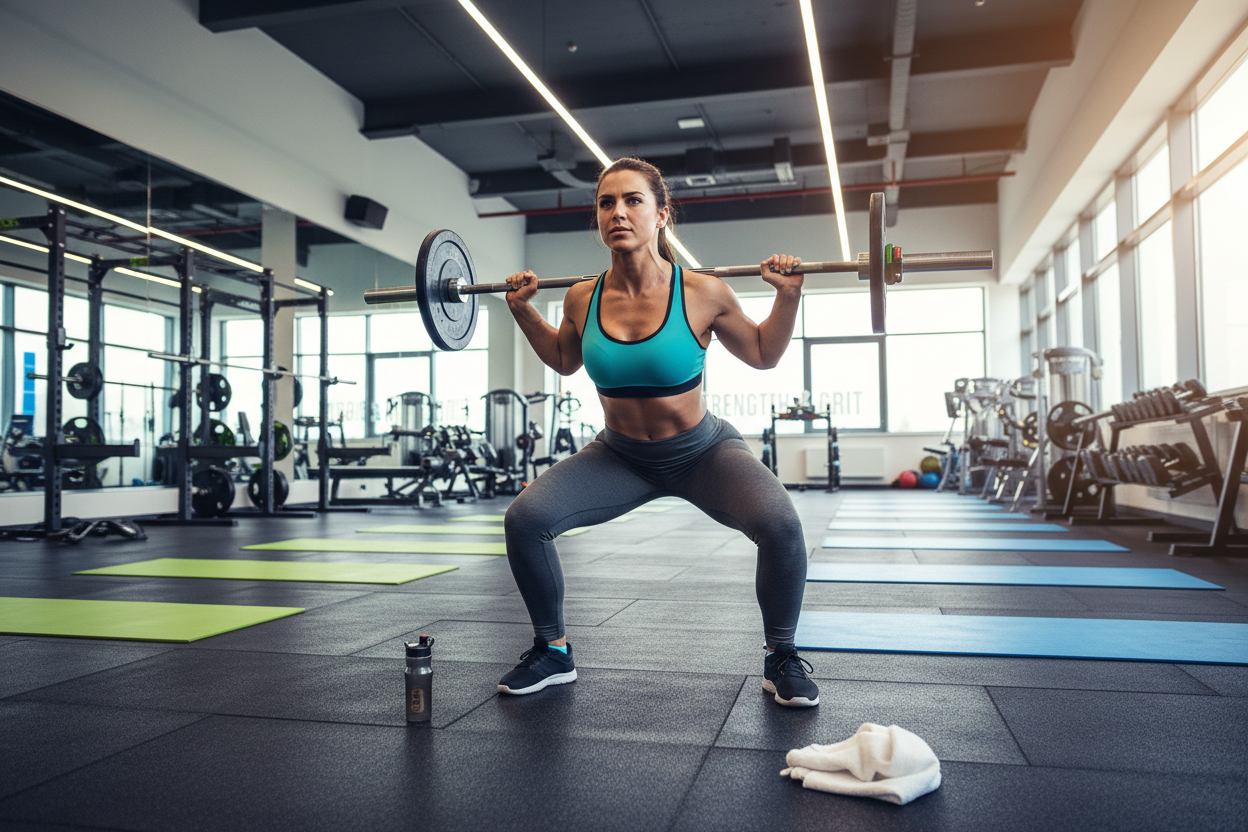
Walking into the weight room for the first time can feel like stepping onto a different planet. There is often a sea of metal, clanging weights, and people who seem to know exactly what they are doing. If you are there to shape your lower body, knowing where to start is half the battle. A solid routine doesn't need to be complicated to be effective. The most efficient approach focuses on compound movements that recruit multiple muscle groups at once, followed by isolation exercises to target specific areas. This strategy ensures you maximize your time and energy while building a strong foundation.
Many women hesitate to step away from the cardio machines because the free weight section feels intimidating. However, resistance training is the only way to truly shape the glutes and tone the legs. This guide breaks down a practical, effective plan designed specifically for those new to lifting, ensuring you walk in with a plan and walk out feeling accomplished.
Overcoming the Initial Gym Anxiety
I remember my very first attempt at a proper leg day vividly. I walked into the gym, looked at the squat rack, and immediately felt like an imposter. I was convinced everyone was watching me, waiting for me to do something wrong. For the first month, I just did bodyweight lunges in the corner of the stretching area because I was too nervous to pick up a dumbbell. Eventually, I realized that everyone else was too focused on their own workout to care about mine. Once I picked up that first weight and felt the difference in my muscles the next day, the anxiety was replaced by a desire to get stronger. That transition from fear to empowerment is part of the journey.
The Fundamentals of Lower Body Training
Before diving into the specific exercises, understanding the mechanics of your body is crucial. Effective lower body training generally falls into two categories: knee-dominant movements (like squats and lunges) and hip-dominant movements (like deadlifts and bridges). A balanced beginner leg and glute workout gym routine must include both. Knee-dominant exercises primarily target the quadriceps and glutes, while hip-dominant movements focus heavily on the hamstrings and the posterior chain.
For beginners, the goal isn't to lift the heaviest weight possible immediately. The priority is mastering the form. establishing a "mind-muscle connection" is vital. This means actively thinking about the muscle you are trying to squeeze during the movement. If you are doing a glute bridge but only feel it in your lower back, the weight is likely too heavy, or the form needs adjustment.
Your Step-by-Step Routine
This routine is designed to be performed twice a week, with at least two rest days in between to allow for recovery. If you are looking for a structured leg and glute workout gym female beginner plan, this covers all the bases without requiring advanced equipment.
1. The Goblet Squat
Forget the barbell for now. The goblet squat is the superior choice for learning squat mechanics. Hold a single dumbbell or kettlebell against your chest with both hands. Stand with your feet slightly wider than shoulder-width apart, toes pointed slightly out. Lower your hips back and down as if sitting in a low chair, keeping your chest tall. Drive through your heels to return to a standing position.
Aim for 3 sets of 10 to 12 repetitions. This movement targets the quads, glutes, and core, teaching you how to maintain an upright posture while under load.
2. Dumbbell Romanian Deadlift (RDL)
The RDL is the queen of hamstring and glute development. Stand holding a dumbbell in each hand in front of your thighs. Keep a slight bend in your knees—this bend should not change throughout the movement. Hinge at your hips, pushing your glutes backward while lowering the weights toward your shins. You should feel a deep stretch in the back of your legs. Squeeze your glutes to pull your torso back to an upright position.
Perform 3 sets of 10 repetitions. The focus here is the hip hinge; imagine trying to close a car door with your butt.
3. Walking Lunges
Lunges are dynamic and challenge your balance, which activates stabilizing muscles. Holding dumbbells at your sides (or using bodyweight to start), take a large step forward. Lower your back knee toward the ground until both knees form 90-degree angles. Push off the front foot to step into the next lunge. This unilateral movement ensures that both legs develop strength equally.
Complete 3 sets of 10 steps per leg. Keep your torso upright and avoid letting your front knee collapse inward.
4. Glute Bridges
This exercise isolates the glutes without putting stress on the lower back. Lie on your back with knees bent and feet flat on the floor. Place a dumbbell across your hips (hold it steady with your hands). Drive your hips toward the ceiling by squeezing your glutes hard at the top. Lower back down with control. Unlike the squat, which uses many muscles, this lasers in on the gluteus maximus.
Do 3 sets of 15 repetitions. High reps work well here to really feel the burn.
Progressive Overload Explained
Doing the same workout with the same weight forever will yield results for a few weeks, and then progress will stall. To continue changing your body, you must apply progressive overload. This simply means making the workout slightly harder over time. You can do this by increasing the weight, adding more repetitions, or reducing the rest time between sets.
Keep a log of your workouts. If you squatted a 20lb dumbbell for 10 reps last week, try for 11 reps this week, or move up to a 25lb dumbbell. Small increments add up to massive changes over a few months.
Common Myths About Women and Lifting
A persistent fear among beginners is that lifting weights will result in a bulky, masculine physique. This is biologically very difficult for women to achieve due to lower testosterone levels compared to men. The "bulky" look usually requires years of dedicated heavy lifting and a very specific, high-calorie diet. Resistance training helps build lean muscle tissue, which increases your resting metabolic rate. The result is usually a firmer, stronger physique rather than a bulky one.
Recovery and Nutrition
What you do inside the gym stimulates the muscle, but what you do outside the gym builds it. Your legs and glutes are large muscle groups, and training them is taxing on the central nervous system. Prioritize sleep and hydration. Furthermore, protein intake is essential for repairing the muscle fibers torn during exercise. Aim to include a source of protein like chicken, fish, tofu, or beans in your post-workout meal.
Soreness is normal, especially after the first few sessions. This is known as Delayed Onset Muscle Soreness (DOMS). It usually peaks 48 hours after the workout. Light movement, such as walking or gentle stretching, can alleviate the stiffness better than sitting still.
Frequently Asked Questions
How long will it take to see results from this routine?
You will likely feel stronger within two to three weeks as your nervous system adapts to the movements. Visible physical changes, such as muscle definition and shape, typically take about 8 to 12 weeks of consistent training and proper nutrition.
Can I do this workout every day?
No, muscles grow during rest, not during the workout itself. Training legs every day leads to overtraining and increases injury risk. Stick to 2 or 3 times per week with rest days in between to maximize results.
What shoes should I wear for leg day?
Flat-soled shoes are best for leg workouts because they provide a stable base. Running shoes often have squishy, compressible heels that can make you unstable during squats and lunges. Converse, Vans, or specialized lifting shoes are excellent choices.