What Workout to Do: Curing Home Gym Paralysis
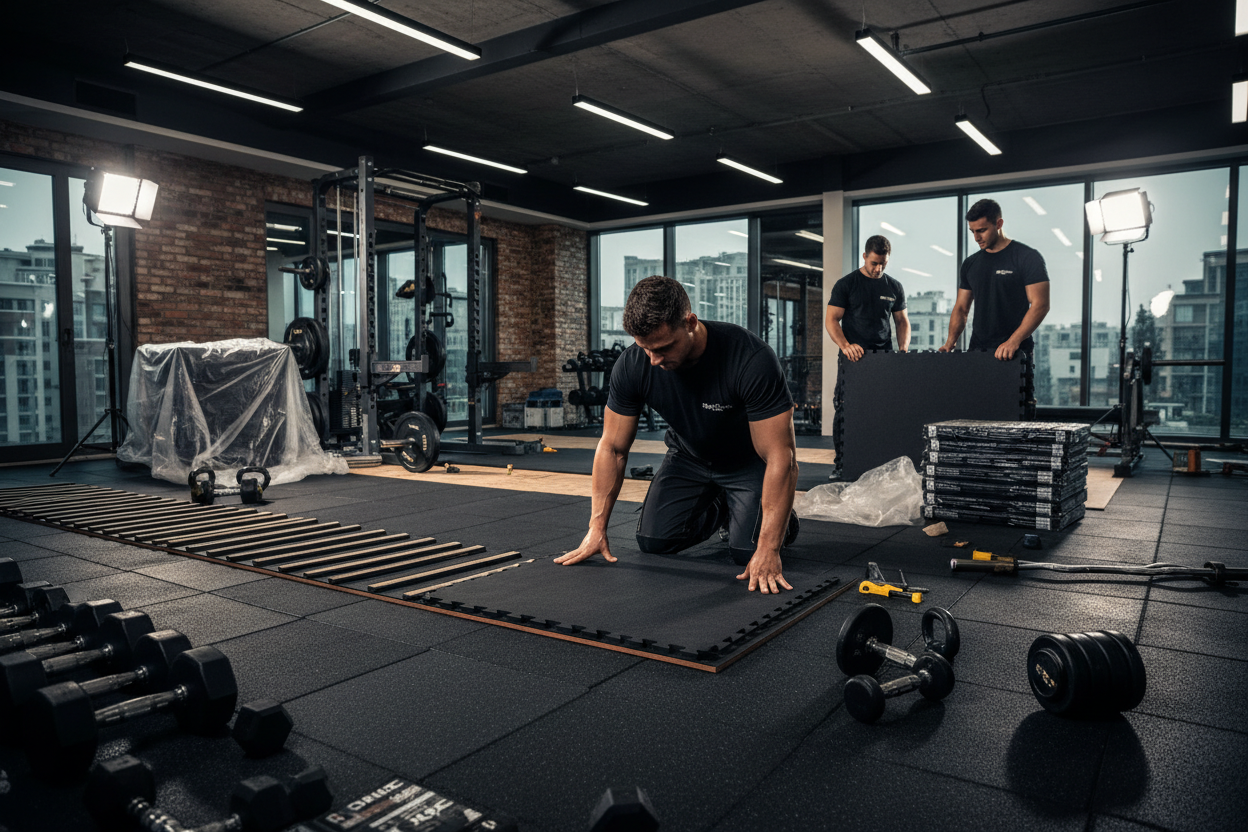
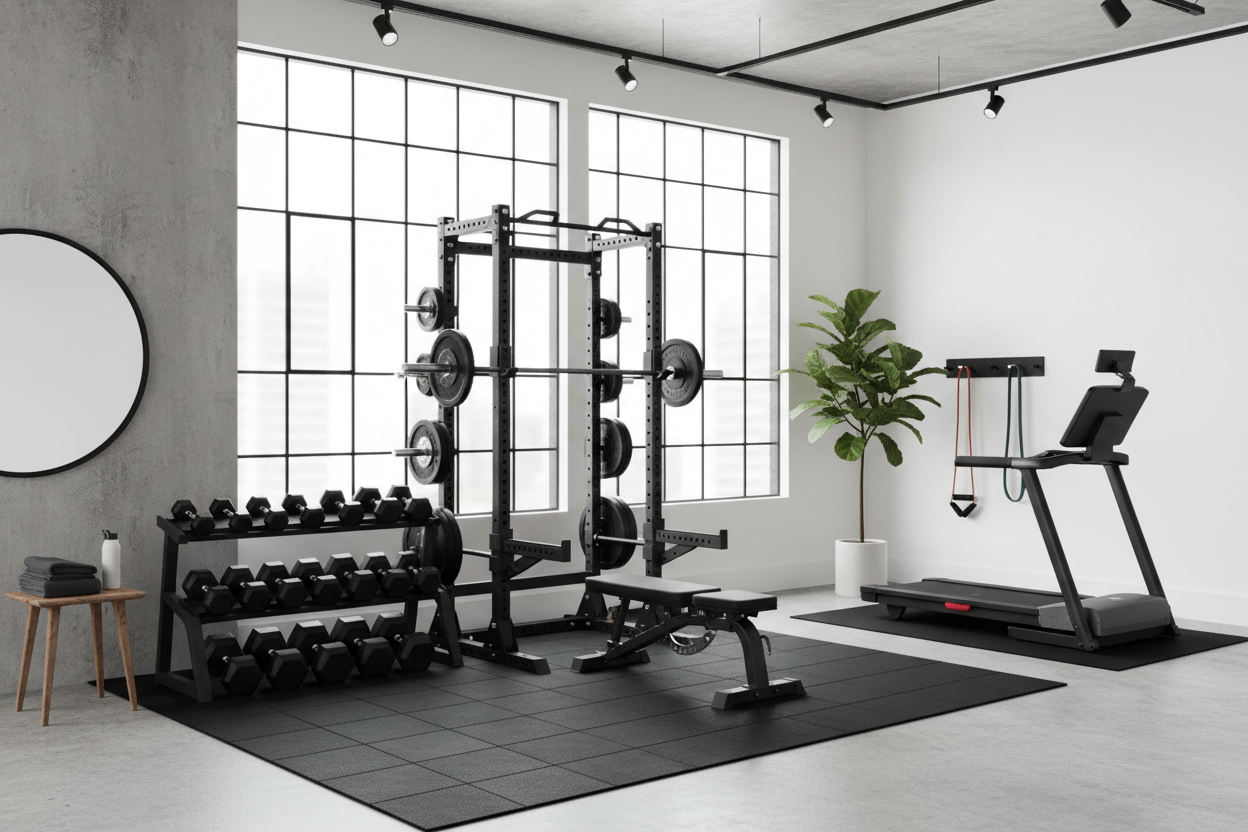
Staring at a rack of dumbbells in a cramped spare bedroom at 6 AM, scrolling through endless YouTube fitness videos, and eventually just going back to bed. I have seen it happen to dozens of my personal training clients. They finally clear out the garage, lay down the thick rubber stall mats, and buy a beautiful squat rack. Then, Monday morning rolls around. They stand there in the cold garage, sipping pre-workout, completely paralyzed by the endless possibilities.
Figuring out exactly what workout to do should not be the hardest part of your fitness routine. When you train at a commercial gym, the environment dictates your actions. You see a machine, you use it. At home, the couch is just twenty feet away, and decision fatigue is the number one killer of consistency. Let us fix that and get you moving.
Quick Takeaways
- Stop scrolling fitness apps in your garage; decide your routine before you put your gym shoes on.
- Use a daily energy audit to autoregulate between heavy lifting and active recovery.
- Scale your volume based on the clock. A 15-minute AMRAP is always better than a skipped 60-minute session.
- Keep three to four default, plug-and-play templates taped to your gym wall for low-motivation days.
The Trap of Paralysis by Analysis at Home
Having access to thousands of free workout routines online sounds like a massive advantage. In reality, it is a trap. When my clients build their first home gym, they usually buy a standard setup: an adjustable bench, a set of 5-52.5 lb adjustable dumbbells, and maybe a few resistance bands. It fits perfectly in a compact 6x6 foot space.
But the moment they step into that space, the brain starts negotiating. Should I do a push-pull-legs split? A full-body kettlebell flow? Maybe a 20-minute bodyweight video? This is analysis paralysis in its purest form. Every minute you spend debating what to train is a minute your motivation is draining.
At home, there is no social pressure to keep you moving. If you spend fifteen minutes swiping through fitness apps trying to find the perfect routine, you are highly likely to abandon the session entirely. The friction of choice is heavier than the cast iron weights sitting on your floor. To survive training in your living room or garage, you have to eliminate the guesswork. You need a system that tells you exactly what to lift, how many reps to do, and when to call it a day.
A Framework to Decide What Workouts to Do
Over the years, I have developed a simple diagnostic framework for my remote clients. It acts as a filter to help you figure out exactly what workouts to do without overthinking. The goal is not to find the mathematically optimal training program. The goal is to find the routine you will actually execute today with the equipment you have.
First, you have to match your workout style to your immediate physical reality. If you only have a pair of 15-pound hex bells and a doorway pull-up bar, dreaming about a heavy 5x5 barbell squat program is a waste of mental energy. You have to work backward from your constraints.
This framework relies on autoregulation. Instead of blindly following a spreadsheet that demands heavy deadlifts on a day you slept four hours, you audit your current state. We look at your central nervous system fatigue, your available time, and your equipment constraints. By running through this quick mental checklist, you strip away the hundreds of routines that do not fit your current situation, leaving you with one or two clear choices. It takes the emotion out of the process.
Step 1: Assess Your Daily Energy and Stress
Before you pick up a weight, be honest about your energy levels. I tell my clients to rate their daily readiness on a scale of one to ten. If you are sitting at an eight or above, meaning you slept well, your joints feel lubricated, and your stress is low, that is the day to push the heavy compound movements.
Load up the barbell for those 4-6 rep ranges and chase progressive overload. But if you are hovering around a four because work was brutal and your lower back feels tight, forcing a heavy leg day is a recipe for injury and burnout.
On high-stress days, your central nervous system is already taxed. That is when you pivot to a 30-minute steady-state cardio session, a bodyweight mobility flow, or high-rep, low-weight isolation work. Autoregulation keeps you consistent. It gives you permission to train lightly when needed, ensuring you still get a stimulus without digging a deeper recovery hole.
Step 2: Audit Your Available Time
The next filter is the clock. Be realistic about how many minutes you actually have before the kids wake up or your next meeting starts. If you have a full sixty minutes, you can run a complete hypertrophy session with proper two-minute rest periods between sets.
If you only have thirty minutes, drop the isolation exercises. Stick to two main compound lifts, like dumbbell goblet squats and overhead presses, and execute them as a superset to maximize density.
And if you are staring down a 15-minute window? Do not skip the workout. Instead, set a timer and do an AMRAP (As Many Rounds As Possible) of 10 push-ups, 15 air squats, and 20 sit-ups. A short, intense session keeps the habit alive and prevents the all-or-nothing mindset that ruins home gym progress.
Four Go-To Home Routines When You Are Stuck
Even with a framework, you need tangible routines ready to go. I always make my clients tape four default templates to their garage walls. When your brain is foggy at 5 AM, you do not think; you just point to a template and execute.
First is the Push/Pull superset. Grab your adjustable dumbbells. Do 10 reps of floor presses, immediately followed by 10 reps of bent-over rows. Rest 90 seconds and repeat for five rounds. It is brutally efficient and hits your major upper body muscle groups.
Second is the Full Body Dumbbell complex. This is my personal favorite when I test new home setups. I recently spent a month training exclusively with a set of selectorized dumbbells in my cramped living room. The routine was simple: dumbbell Romanian deadlifts, alternating lunges, and standing shoulder presses. The one honest downside to selectorized dumbbells is that the plates can rattle a bit during explosive movements, so I kept the tempo slow and controlled, focusing on a strict 3-second eccentric phase.
Third is the Bodyweight HIIT protocol. When you have zero equipment and high energy, do a Tabata-style workout. Twenty seconds of burpees, ten seconds of rest, for eight rounds. It will spike your heart rate in exactly four minutes and leave your lungs burning.
Finally, the Active Recovery flow. This is for the days you feel wrecked. Spend twenty minutes doing deep lunges, thoracic rotations, and dead hangs from your pull-up bar. If you ever feel bored with these basics and want to switch up your home routine, introduce pauses and tempo changes rather than completely abandoning the core movements. Mastering these four templates covers ninety percent of your fitness needs.
Building a Default Plan to Eliminate Guesswork
The ultimate cure for home gym paralysis is making your decisions ahead of time. I highly recommend sitting down every Sunday afternoon with a piece of paper and mapping out your upcoming week.
Look at your work calendar, anticipate which days will be high stress, and slot in your heavy lifting and active recovery days accordingly. Write the exact exercises, sets, and reps down. When you walk into your home gym on Tuesday evening, the only thing you should be doing is reading the piece of paper and picking up the weight.
Motivation is highly unreliable, especially when your couch is in the next room. By building a default plan, you rely on discipline and preparation instead. Take the friction out of your fitness, respect your daily energy levels, and watch your consistency skyrocket.
Frequently Asked Questions
How do I know if I should lift heavy or do cardio today?
Listen to your body's feedback from the previous day. If your resting heart rate is elevated, your grip feels weak, or you are highly stressed, opt for steady-state cardio or mobility. If you feel rested and fed, push the heavy weights.
What is the minimum effective dose for a home workout?
You can maintain muscle and improve cardiovascular health with as little as 15 to 20 minutes of intense, focused training a day. Consistency trumps duration every single time.
How often should I change my home gym routine?
Stick to a core set of movements for at least six to eight weeks. Changing your routine every single time you train prevents you from tracking progressive overload and actually building strength.