What to Do When You Can't Lift As Much As Last Week
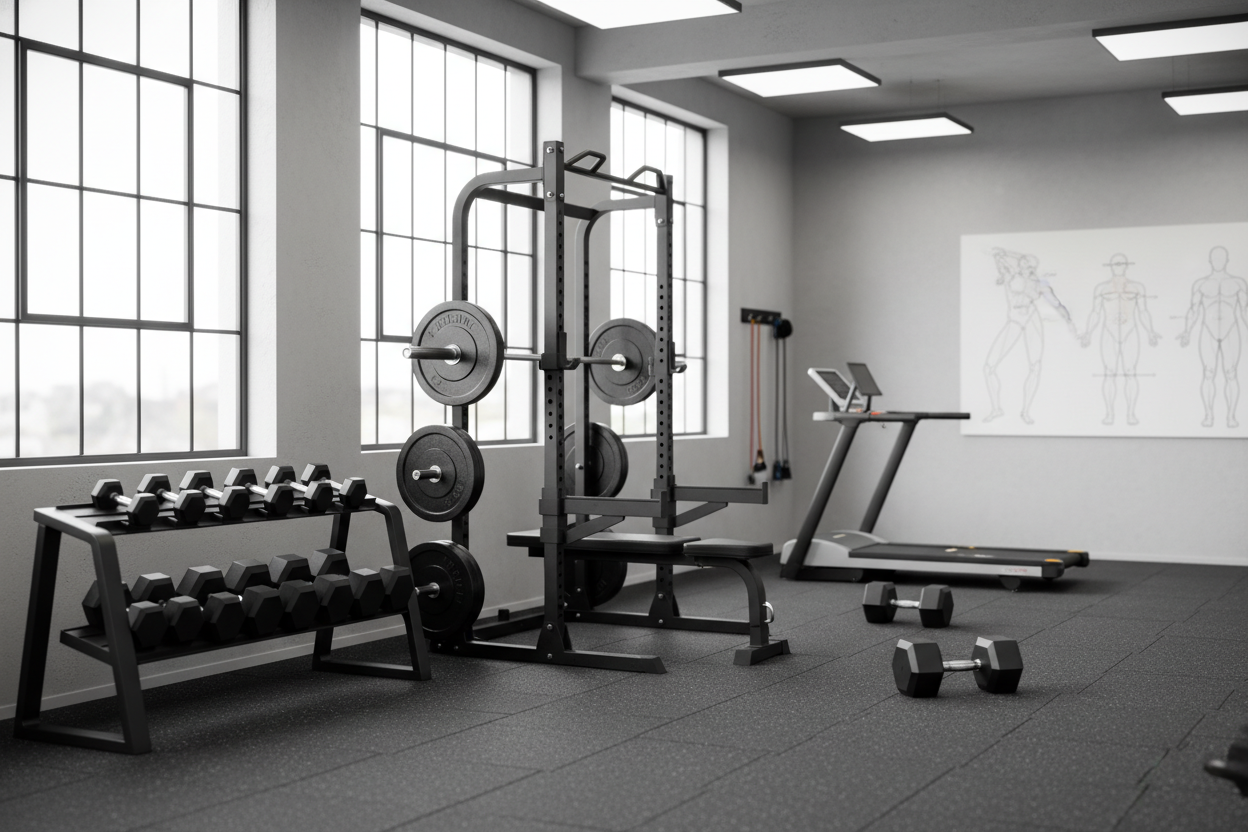
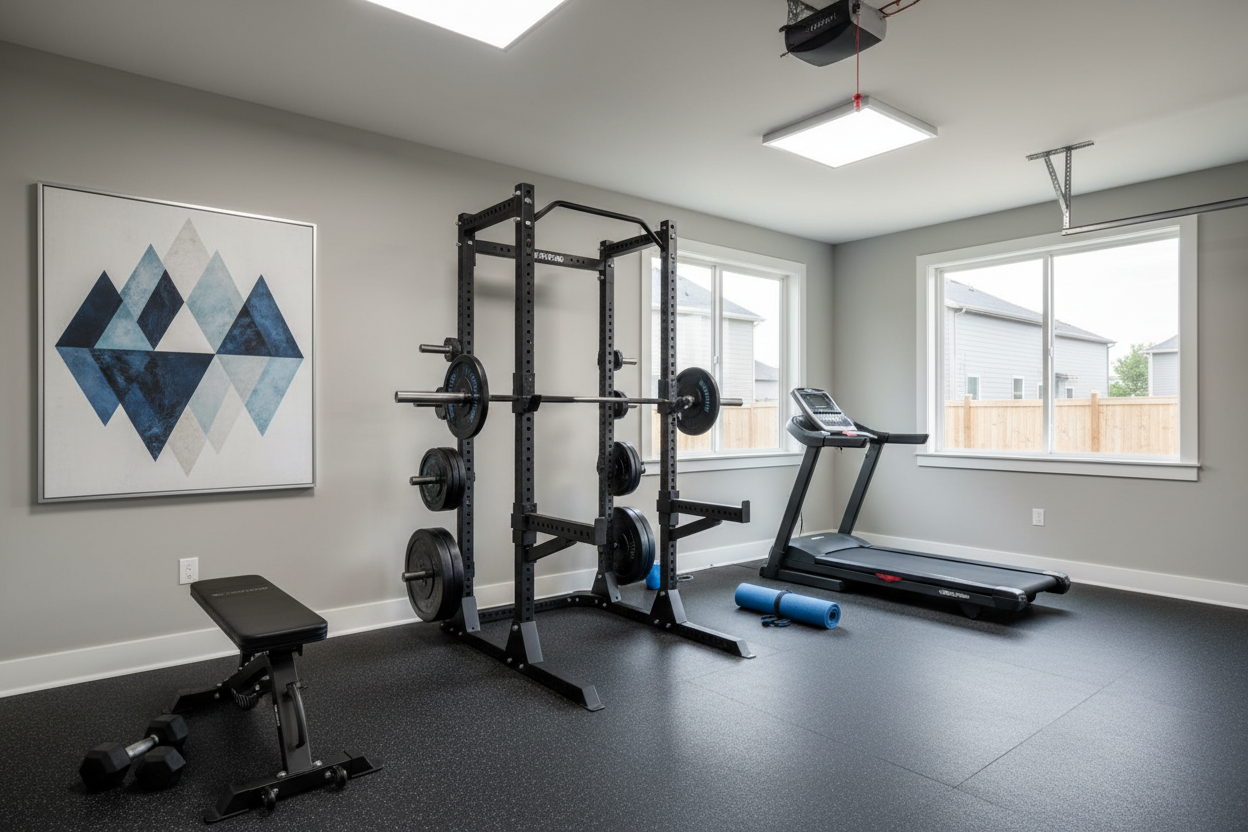
I walked into my garage last Tuesday, gripped my 20kg barbell, and honestly thought someone had swapped my plates for lead-filled decoys. My warm-up set of 135 felt like it weighed 225. It is a soul-crushing realization when you realize you can't lift as much as last week, especially when you have been following your program to the letter.
- Strength progress is wave-like, not a straight line up.
- Central Nervous System (CNS) fatigue can mask your true strength for days.
- Sleep quality from 48 hours ago impacts today more than last night's rest.
- Autoregulation is the difference between a long lifting career and a snap-city injury.
That Moment the Warm-Up Bar Feels Like a Hundred Pounds
We have all been there. You have your caffeine in your system, your favorite playlist is cranking through the garage speakers, and you feel ready to crush a PR. Then you unrack the bar for a routine set and your knees shake. The bar feels heavy in your hands before you even start the descent.
It is humbling. You start questioning your diet, your programming, and your genetics. You wonder, 'why am i lifting less than before?' when everything on paper says you should be stronger. This is the psychological trap of the home gym athlete. Without a coach to tell you to back off, your instinct is to add more weight and 'power through' it. That is usually the fastest way to earn a three-month stint in physical therapy.
Answering the 'Why Am I Lifting Less Than Before?' Question
Strength is not just about muscle size; it is about neurological output. Your Central Nervous System (CNS) is the command center that tells your muscle fibers to fire. If that system is fried, it doesn't matter if your quads are the size of tree trunks—the signal won't get through. Accumulating fatigue is a sneaky process. You might feel fine on Monday, but the heavy deadlifts you did last Friday are still taxing your system.
Often, the drop in performance is a 'delayed' reaction. I have found that a terrible night of sleep on a Sunday usually doesn't hit my squat numbers until Tuesday or Wednesday. Your body is incredibly resilient in the short term, but eventually, the bill comes due. If you are consistently asking why you are weaker than last week, look at your recovery variables over a 72-hour window, not just the last 12 hours.
The Invisible Stress Tax on Your Joints
Your body does not distinguish between the stress of a heavy set of five and the stress of a looming work deadline or a fight with your spouse. It is all just 'stress' to your adrenals. When life gets chaotic, your top-end strength is the first thing to evaporate. You might still have the endurance for a long walk, but that 1-rep max strength requires a fresh, unstressed system.
Hydration and salt intake are also massive culprits. If you are even 2% dehydrated, your strength can drop by double digits. I have had sessions where I felt like a wet noodle, downed a liter of water with some electrolytes, and felt the bar speed return within twenty minutes. Never underestimate the power of a cheap bag of salt and a gallon of water.
How to Salvage Your Session When the Bar Won't Budge
When the heavy singles aren't moving, do not force them. This is where you use autoregulation. If your programmed weight feels like an RPE 10 when it should be an RPE 7, strip the plates. There is no shame in pivoting. On days when my nervous system is shot, I often choose to train like a weight lifting bodybuilder instead of a powerlifter. I drop the weight by 30%, slow down the tempo, and chase a pump.
If your stabilizers feel shaky, stop fighting the barbell. Swapping your primary lift for weight lifting machines can be a literal lifesaver. Using a leg press or a chest press machine allows you to still stimulate the muscle and accumulate volume without the high neurological demand of balancing a heavy free weight. You get the work in, you leave with a pump, and you live to fight another day.
Stop Forcing Linear Progression Forever
The biggest lie in fitness is that you can add five pounds to the bar every week forever. If that were true, we would all be benching 2,000 pounds after a few years of training. Strength gains happen in waves. You will have three weeks of feeling like a god, followed by a week where you feel like you have never seen a gym in your life. This is the 'accumulation and realization' phase of training.
Stop tying your self-worth to a spreadsheet. If you are constantly chasing internet strength lift standards, you are going to ignore the very real signals your body is sending you to deload. A week of lighter weights or 'active recovery' isn't a setback; it is the investment you pay to hit a new PR next month. I once spent six months trying to force a 405lb squat every week. I ended up with a hip impingement and a 315lb squat. Learn from my ego.
FAQ
Should I finish my workout if I feel weak?
Yes, but adjust the intensity. Drop the weight and focus on technique or higher repetitions. If everything feels 'sharp' or painful, that is the signal to pack it in and go home.
How long does CNS fatigue last?
For most lifters, a solid 48 to 72 hours of real rest (not 'active' rest) will reset the nervous system. If you have been redlining for months, you might need a full deload week.
Is it my diet or my training?
If the strength drop is sudden, it is usually recovery (sleep/stress). If you have been slowly getting weaker over three weeks, you are likely in a caloric deficit or overtrained.