What Happens When Comparing a Well-Designed Muscular Strength Routine
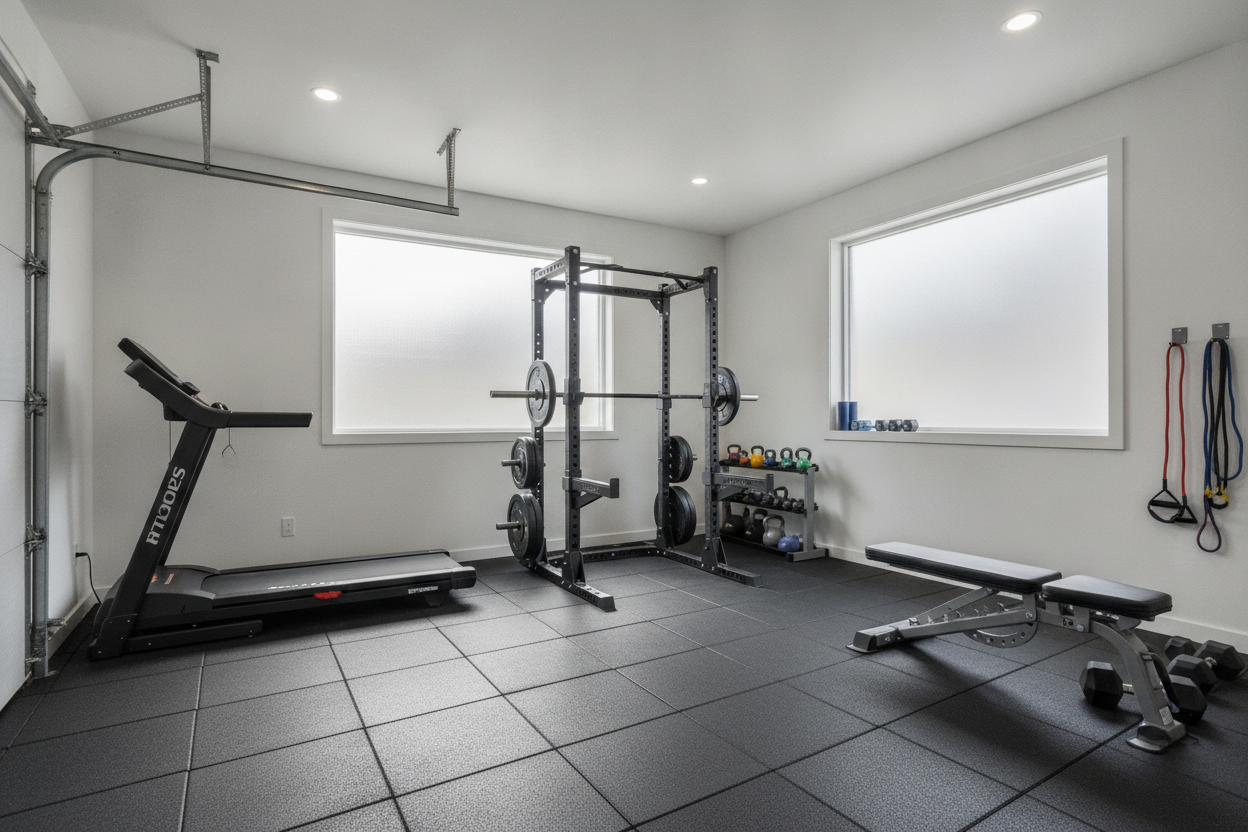
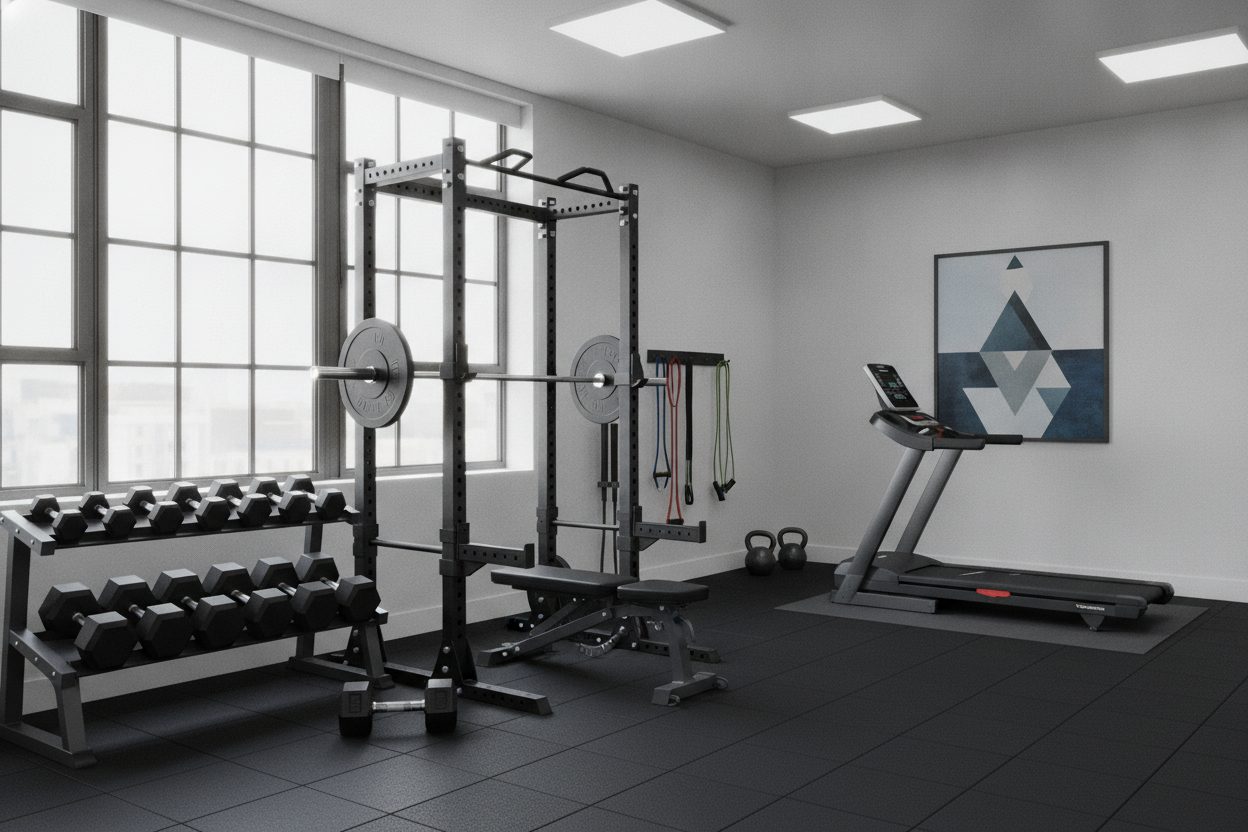
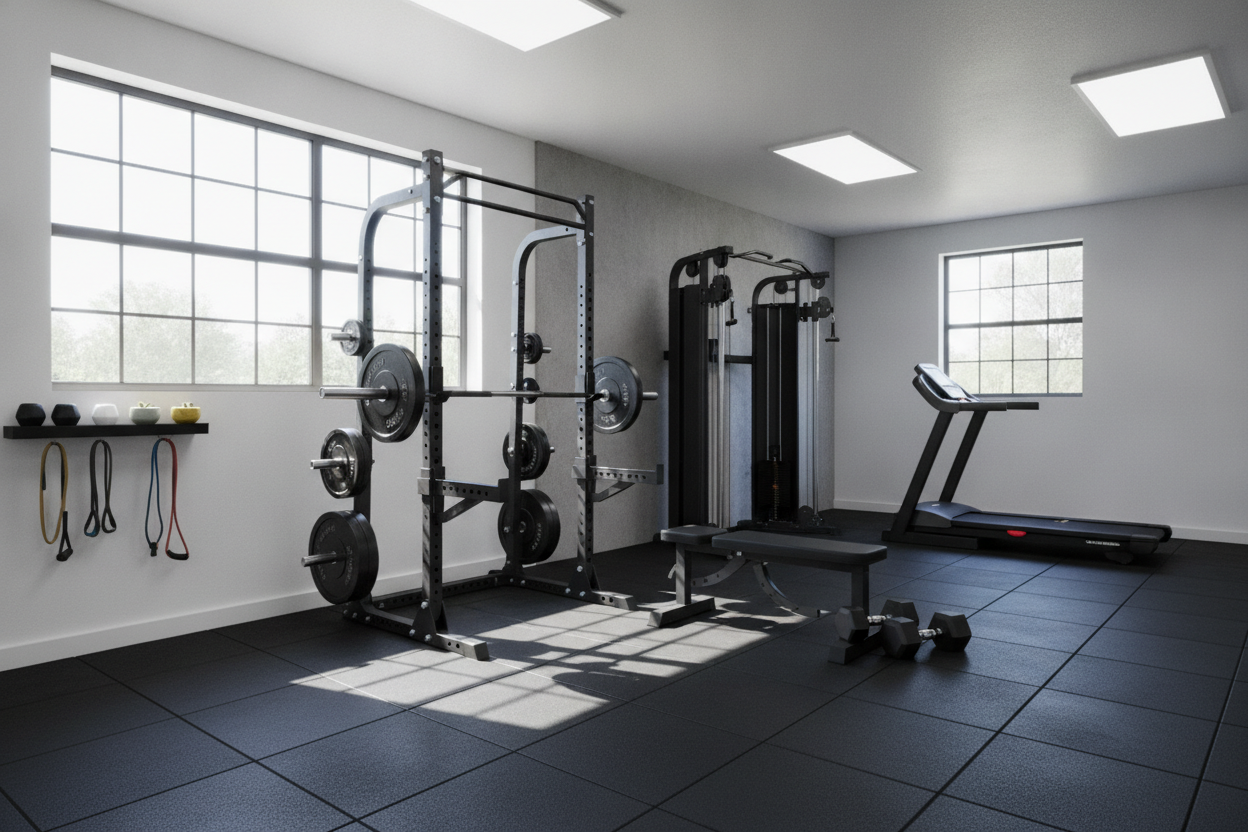
I spent three years in my garage gym spinning my wheels. I had the 3x3 power rack, the cerakote barbell, and enough bumper plates to sink a small boat. But every session was a 'freestyle' disaster where I’d just load up whatever felt right and lift until I was tired. When comparing a well-designed muscular strength routine to the chaotic mess I was running, the difference isn't just in the numbers—it is in the total lack of joint pain and the steady, predictable progress.
Quick Takeaways
- Structure beats intensity every single time for long-term gains.
- Tracking RPE (Rate of Perceived Exertion) is more important than hitting a new PR every week.
- Fatigue management is the only way to avoid the 'home gym burnout' phase.
- You can adapt any elite program to a basic barbell and dumbbell setup.
The Trap of the 'Garage Gym Chaos' Workout
Walking into your own gym is a blessing and a curse. There is no line for the rack, but there is also no one watching you do 'ego sets' of five reps that should have been ten. For a long time, my 'program' was just walking in, seeing how my back felt, and hitting some heavy triples. It felt like hard work, but my bench press didn't move for eighteen months.
This is the garage gym chaos trap. Without a spreadsheet or a logbook, you have no baseline. You end up doing the exercises you like and ignoring the ones you need. You might feel 'trashed' after a session, but soreness is a terrible metric for actual strength development. A real program forces you to do the boring work that actually builds the foundation.
The Core Pillars of a Real Program
A well-designed routine isn't just a list of moves. It’s a map. It accounts for your central nervous system, your recovery capacity, and the specific physics of your equipment. If you're using a cheap bar with bad knurling, a good program might even adjust your rep ranges to account for grip fatigue.
The difference between 'winging it' and 'training' is data. A structured approach looks at your total weekly volume and ensures you are actually doing more over time. If you did 10,000 lbs of total volume last month, a good plan ensures you're hitting 10,500 lbs this month without blowing out your knees.
Planned Progression vs. Testing Your Max Every Day
I see it constantly in home gym forums: guys maxing out their squat every Friday. That isn't training; that's testing. Training is the submaximal work—the sets of 5 at 75%—that builds the capacity to eventually lift more. When you test your max every week, you're just redlining an engine that hasn't had an oil change in years.
True strength comes from the boring sets. It’s about accumulating quality reps with a bar path that looks identical from the first set to the last. If your last rep looks like a survival struggle, you aren't building strength; you're just practicing bad form under duress.
Why Fatigue Management Is Your Secret Weapon
The biggest mistake I made was thinking every session had to be a war. I’d finish a heavy squat session and then try to max out my weighted pull-ups. I stopped treating every move like a muscular strength exercise and suddenly my main lifts started moving again. You have to learn to pace your accessories so they support your big lifts instead of draining your tank.
A well-designed plan includes deload weeks. These aren't 'off' weeks; they are periods where volume drops so your connective tissue can actually catch up to your muscle growth. If you don't schedule your rest, your body will eventually schedule it for you in the form of an injury.
Adapting a Pro Plan to a Basic Home Setup
You don't need a 20,000-square-foot commercial facility to run a world-class strength program. Most elite powerlifting and strongman routines are built around the barbell, which is the one thing most of us actually have. If a program calls for a Leg Press and you only have a rack, you swap in high-volume Goblet Squats or Bulgarian Split Squats.
Don't get hung up on missing machines. People often wonder, is a push-up actually an exercise of muscular strength? When you're doing them with a 45-lb plate on your back or using gymnastic rings, they absolutely are. The stimulus is what matters, not the brand name on the machine. A well-designed routine focuses on the movement pattern—push, pull, hinge, squat—not the specific piece of iron.
The Bottom Line on Getting Actually Strong
If you want to look like you lift, you have to stop guessing. The 'garage gym vibe' is great for the soul, but it's often terrible for the total. Pick a proven program—whether it's 5/3/1, Starting Strength, or a custom template—and stick to it for at least six months. The magic isn't in the specific exercises; it's in the commitment to a structure that doesn't care how you 'feel' on a Tuesday afternoon.
FAQ
How do I know if my routine is well-designed?
If it includes a specific plan for what to do when you fail a lift, a method for increasing weight over time, and scheduled periods of lower intensity, it's likely a solid plan.
Can I write my own strength program?
You can, but why would you? Unless you have a degree in exercise science, you're better off using a template from someone who has coached thousands of athletes. Use their structure and tweak the accessories.
What equipment is essential for a real strength routine?
A solid power rack, a high-quality barbell with decent sleeve rotation, and enough weight to make you nervous. Everything else—cables, specialty bars, kettlebells—is just icing on the cake.