The Meaning of Strength in Physical Fitness Isn't Your Squat Max
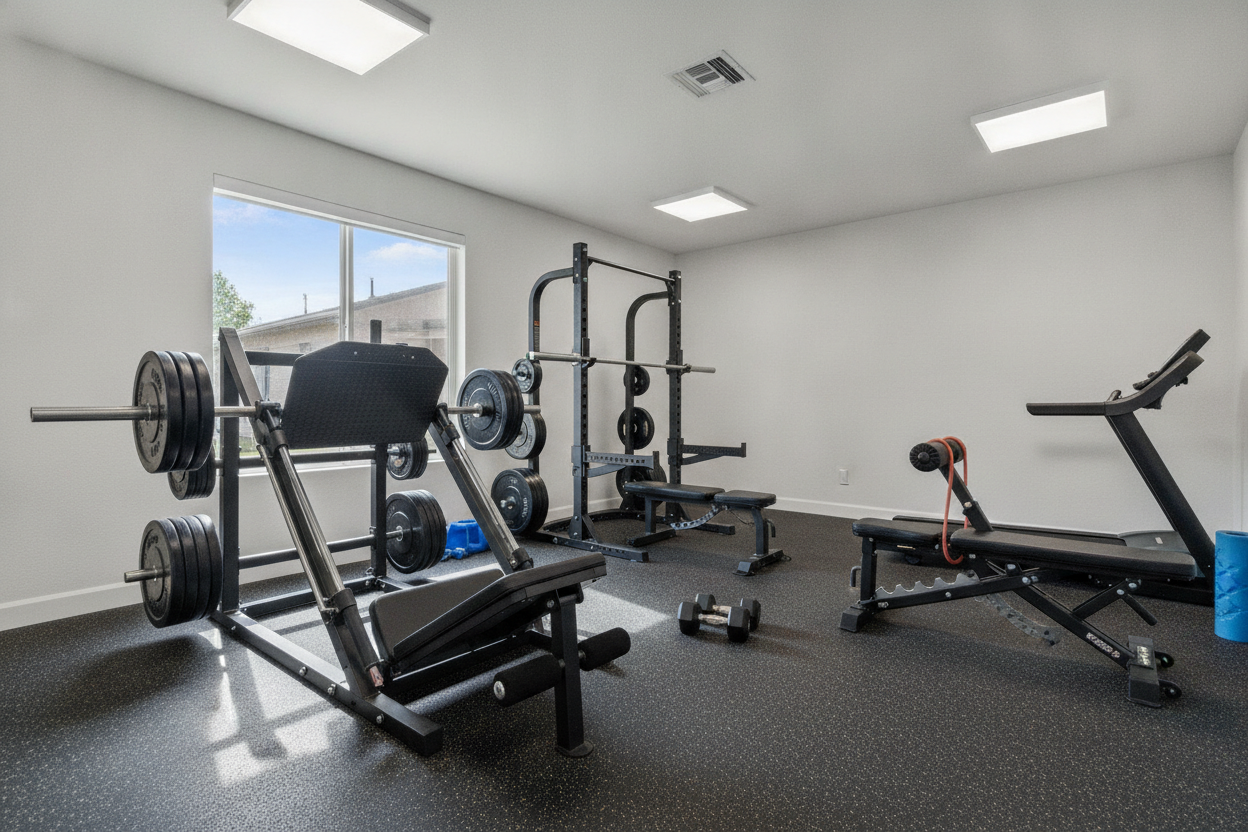
I remember staring at a $2,000 credit card bill while sitting on a wooden crate in my garage, surrounded by competition-grade steel. I had the 20kg Rogue Ohio Power Bar, a calibrated plate set, and a monolift attachment that weighed 60 pounds on its own. I was 'strong' by powerlifting standards, but I was winded just bolting the gear to the rack. I realized then that I didn't actually understand the meaning of strength in physical fitness.
- Absolute strength is just one pillar of a capable body.
- Specialized gear often creates movement 'blind spots' and stiffness.
- Work capacity and durability are the real metrics of a long-term lifter.
- A versatile garage gym beats a specialized powerlifting dungeon for 99% of people.
How Chasing the Wrong Goals Cost Me $2,000 in Useless Gear
When I first started outfitting my garage, I went full 'Westside.' I bought a competition bench with a 12-inch fat pad and spotter platforms that took up a massive 15-square-foot chunk of my floor space. I added lever arms that looked like they belonged in a professional sports facility. The problem? I used that bench for exactly one movement. Every time I wanted to do something else, I had to drag 150 pounds of steel across a concrete floor.
I was obsessed with my 1RM. I thought that if I could just add five pounds to my total every month, I was 'winning' at fitness. The reality was that I was becoming a one-dimensional statue. I could move a heavy barbell in a perfectly straight line, but my back would seize up if I had to reach for a dropped wrench. I had a gym full of 'strength' but zero actual utility in my daily life.
The True Meaning of Strength in Physical Fitness (And Why We Forget It)
The strength meaning in physical fitness has been hijacked by the loudest voices on social media. We see a 700-pound deadlift and equate that with being a physical specimen. In reality, that is a highly specialized skill. Real-world strength is the capacity to produce and absorb force across various planes, durations, and environments. It includes your work capacity—how much total volume you can handle before your form breaks down.
If you can squat 405 but you're gasping for air after carrying a 50-pound bag of salt from the car to the basement, your strength is a facade. True strength involves durability. It’s the ability to maintain joint integrity under load and recover from a grueling session without needing three days of ibuprofen. We forget this because 'durability' doesn't look as cool on a spreadsheet as a new squat PR.
Specialized Powerlifting Tools vs. Real-World Capability
Specialized machines like belt squats and monolifts are fantastic for hypertrophy, but they often lock you into a fixed path. They remove the need for your stabilizers to fire. I’ve seen guys with $10,000 home gyms who can’t perform a single-leg RDL without falling over. They have the prime movers of a tank but the stability of a Jenga tower.
When you over-specialize your gear, you over-specialize your body. Heavy-duty powerlifting racks are built to help you move weight in a very specific, limited range of motion. While that’s fine for the platform, it often leads to a lack of functional endurance. You become 'gym strong' but 'life weak.' You lack the multi-planar movement capability required to actually use your muscles outside of a rack.
How I Rebuilt My Garage Setup for Actual Human Performance
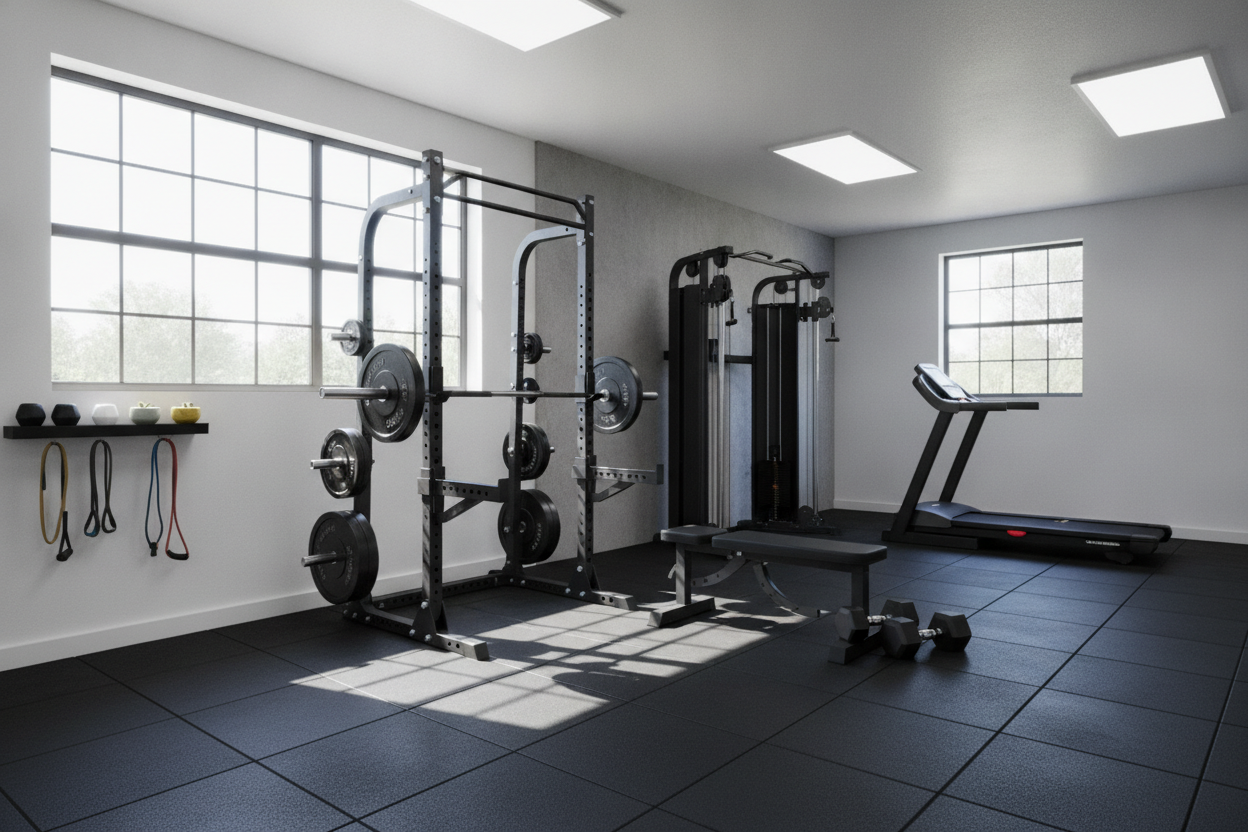
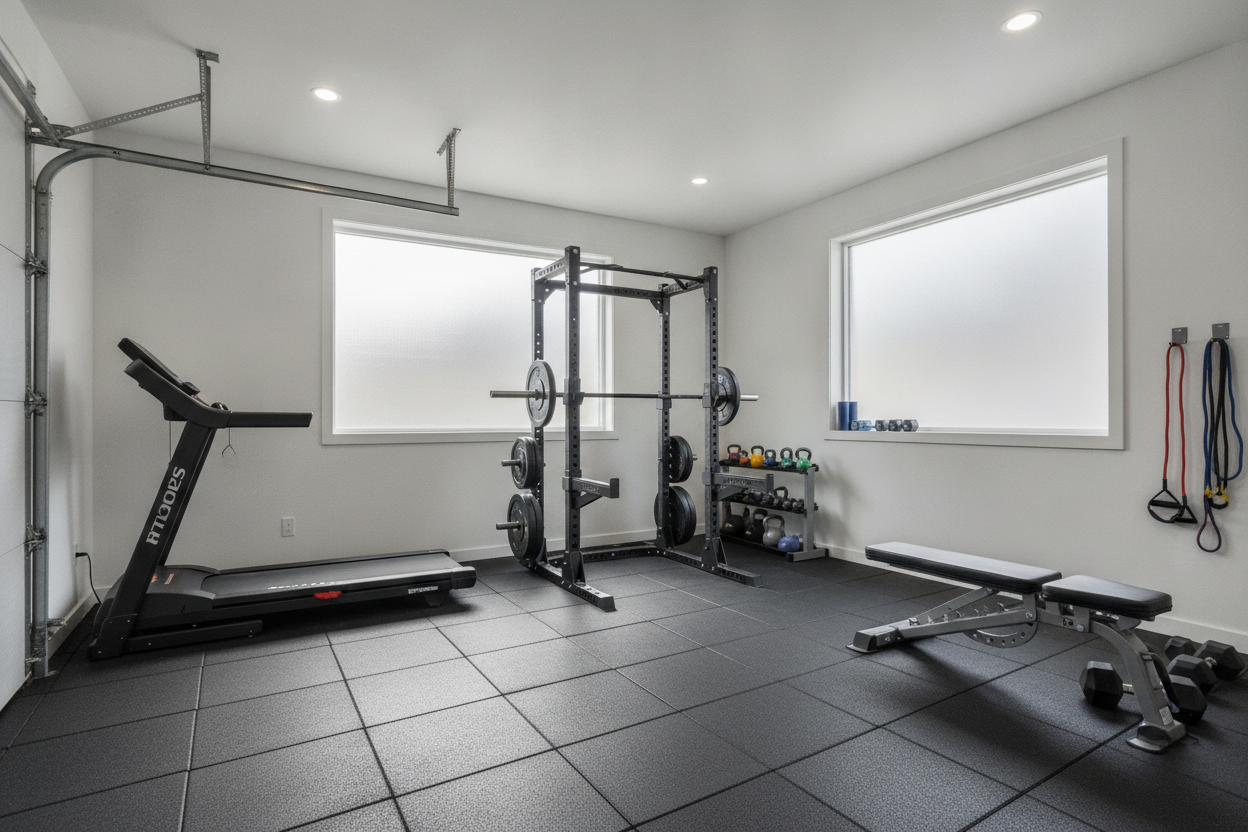
I eventually sold the monolift and the massive competition bench. I kept a solid 3x3 power rack because, let's be honest, you still need to squat and press. But I filled the remaining space with 'chaos' tools: a 32kg kettlebell, a 150-pound sandbag, and a set of gymnastic rings. Sandbags don't have knurling and they don't have a center of gravity that stays put. They fight you back every inch of the way.
Shifting from purely static barbell work to a mix of odd-object lifting and bodyweight movements changed everything. My joints stopped aching because I wasn't just grinding the same three patterns into the dirt. I found that I was actually stronger in the ways that mattered. I could move a refrigerator without a dolly and hike a trail without my lower back feeling like it was on fire. My setup became about performance, not just a total.
Measuring Progress When You Stop Obsessing Over PRs
When you stop chasing a 1RM every week, you have to find new ways to track success. I started looking at training density. Can I do the same workout in 40 minutes instead of 50? Can I perform a movement with more control and a deeper range of motion? These are the indicators of a truly strong individual.
It’s about finding your strength and staying motivated even when the numbers on the bar aren't skyrocketing. Resilience is a metric. If you wake up feeling ready to train four days a week instead of two, you’ve built a stronger system. Don't let a lack of a 'max out' day discourage you; building a body that can handle anything is the ultimate PR.
Is powerlifting gear a waste of money?
Not if you are a competitive powerlifter. But if you just want to be a capable, strong human, you don't need a $1,000 competition bar and a monolift. A basic power rack and some versatile free weights will do more for your overall fitness than any specialized machine.
What is the most 'functional' piece of equipment?
A heavy sandbag or a kettlebell. These tools force you to stabilize and move in ways a barbell simply can't. They bridge the gap between 'gym strength' and the type of strength you need to move furniture or carry a child.
How do I know if I'm actually getting stronger?
Look at your recovery and your 'easy' sets. If 225 pounds feels like a warm-up today but felt like a work set last month, you're stronger. If you can do more work in less time with a lower heart rate, your strength and capacity have both improved.