What Fitness Equipment Retail Floors Actually Hide From You
You know the feeling. You walk into a brightly lit store, the air smells like fresh rubber and expensive lubricants, and suddenly that $2,000 squat rack looks like a piece of fine art. It is easy to get swept up in the polished vibe of fitness equipment retail when you are tired of your local gym raising rates and your Amazon-special bench just started creaking under a moderate load. But here is the truth: showroom floors are designed to make mediocre gear feel premium.
Quick Takeaways
- Showroom flooring is often thicker and softer than your home floor, masking equipment wobbles.
- Always perform a lateral 'shake test' on racks and benches to check for frame play.
- Look for 'bird poop' welds—sloppy, uneven beads that indicate poor structural integrity.
- Floor models are often lubricated daily to hide friction in cheap pulley systems.
- Compare retail prices against online sales before committing to a heavy haul.
The Showroom Illusion: Why Everything Looks Heavy Duty
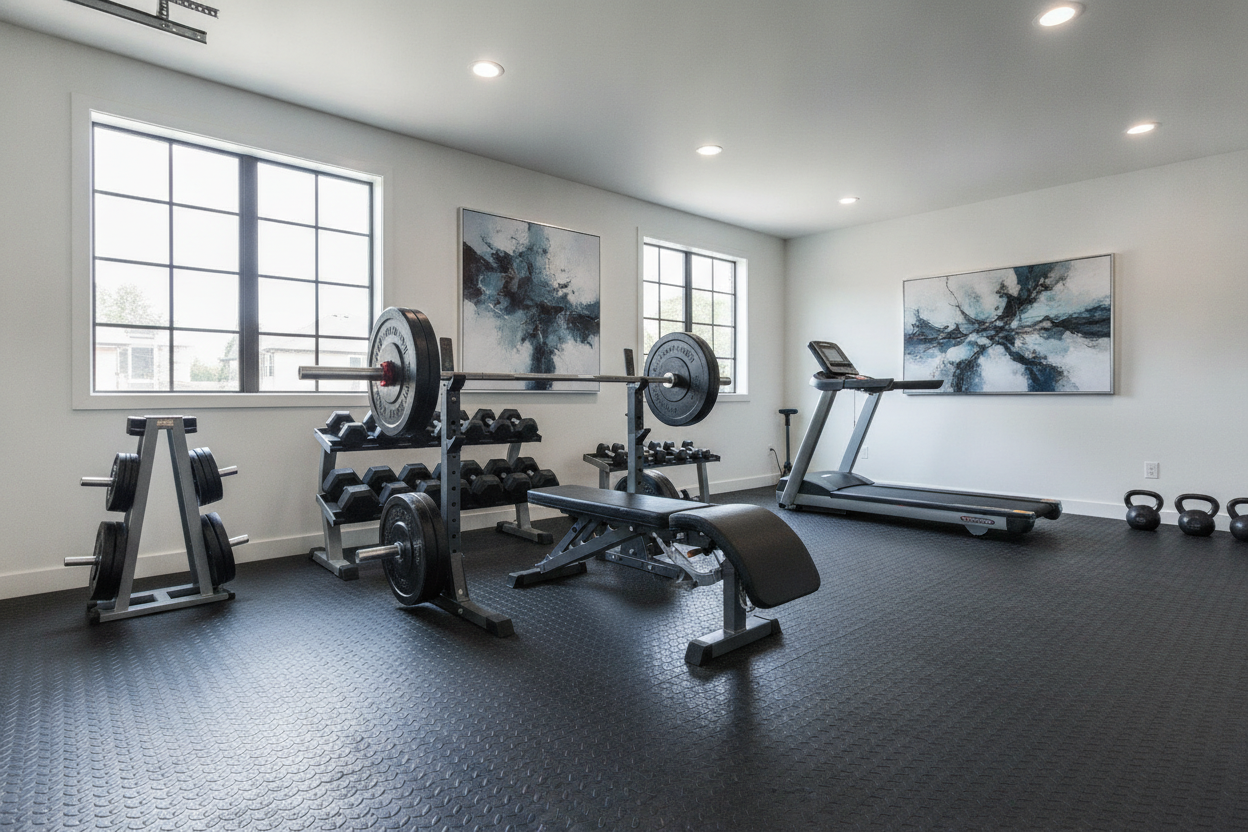
Walking into most fitness equipment showrooms is like walking onto a movie set. The lighting is positioned to make the steel look thicker and the powder coating look flawless. Most importantly, these stores use professional-grade, high-density rubber flooring that is often an inch thick. This flooring is incredibly forgiving; it levels out uneven equipment and absorbs the tiny vibrations and rattles that would drive you crazy in a quiet garage.
Before you get distracted by the rows of shiny chrome, you need to have a plan. I always tell people to research the specific Fitness Machine Types The Ultimate Guide To Gym Equipment before stepping foot in a store. If you don't know the difference between a residential-grade smith machine and a light-commercial power rack, the salesperson will gladly sell you the one with the highest margin, regardless of how it performs under a 405-pound load.
The Shake Test They Hope You Won't Actually Do
When you are in a fitness machine store, the staff expects you to gently touch the equipment or maybe sit on a bench. Don't do that. You need to be aggressive. Grab the uprights of a squat rack and give them a hard lateral shove. If the top of the rack sways more than an inch, it lacks the gusseting or bolt-size necessary for serious lifting. A rack that wobbles in a store will feel like a wet noodle when you are trying to re-rack a heavy set of squats.
The same applies to Strength Equipment like adjustable benches. Fully extend the bench to its highest incline and push it from the side. If the spine of the bench has significant play, that gap will only widen over time as the bolts loosen and the steel rounds out. You want to feel a solid, 'thuddy' connection to the floor, not a metallic rattle. If the salesperson looks nervous, you are probably testing it correctly.
How to Spot Cheap Welds and Bad Upholstery
Get close to the steel—I mean nose-to-metal close. High-quality gear has clean, consistent 'stack of dimes' welds. If the joints look like someone dripped hot candle wax on the steel (often called 'bird poop' welds), walk away. Those are weak points waiting to fail under stress. Also, check the end caps. If the manufacturer used plastic plugs where there should be welded steel caps, they are cutting corners on the build quality to save pennies.
Upholstery is another dead giveaway. Cheap retail gear uses thin vinyl that feels like a shower curtain. If you can pinch the fabric and pull it away from the foam easily, it will tear within six months of regular use. Look for 'Grippy' vinyl or double-stitched seams. If the 'leather' feels sticky or overly shiny, it is likely a low-density foam topper that will bottom out the second you try to do a heavy dumbbell press.
Why Floor Model Cable Machines Are Liars
There is a reason the cable machines in a showroom feel like they are gliding on air. Store managers often have their staff spray the guide rods with silicone lubricant every single morning. This masks the friction of cheap plastic pulleys and rough guide rods. When you get that same machine home, and that daily maintenance stops, you will start feeling the 'catch' in the cable that ruins your mind-muscle connection.
Look for machines that use machined aluminum pulleys and solid steel guide rods rather than hollow tubes. For example, the Gxmmat Leg Extension Curl Machine uses engineered pivot points that stay smooth because of the bearing quality, not because someone doused it in spray. If you have to move the weight stack with your hand to get the cable to retract, the internal friction is too high, and no amount of lube will fix a poorly designed pulley ratio.
When to Pay Retail and When to Walk Away
The main benefit of a physical store is the 'take it home today' factor. But you pay a premium for that. Before you hand over the credit card, check the specs. Is the rack made of 11-gauge steel or the thinner 14-gauge? Are the holes 1-inch or the less common 5/8-inch? If the retail price is 20% higher than a comparable online model, you are essentially paying a 'convenience tax' for the privilege of loading it into your truck yourself.
I usually recommend checking for Home Gym Equipment Deals online while you are standing right there in the aisle. Many times, you can find a superior rack or functional trainer for hundreds less, even with shipping factored in. Use the retail store to figure out the dimensions and the 'feel' you like, then buy the highest quality version your budget allows. Don't let a slick salesperson talk you into a 'floor model special' that is already beat up from a hundred other people doing shake tests.
Personal Experience: The Bench That Rocked
A few years back, I bought a 'pro-style' adjustable bench from a local retail shop. On the store's thick rubber floor, it felt like a tank. I brought it home, set it on my level garage floor, and the thing rocked like a seesaw. It turned out the frame was slightly warped from the factory, but the store's plush flooring had hidden the defect. I had to shim it with pieces of cardboard for six months before I finally got sick of it and sold it for half what I paid. Now, I always bring a small spirit level to the store to check the frames myself.
FAQ
Is it okay to buy the floor model?
Only if you get a minimum 20-30% discount. Floor models have been sat on, sweat on, and potentially stressed by people who don't know how to use the adjustments correctly. Check every bolt before taking it home.
How can I tell if steel is 11-gauge?
11-gauge is roughly 1/8-inch thick. If the steel looks as thin as a nickel, it is likely 14-gauge or thinner. If it looks closer to the thickness of two quarters stacked together, you are in the 11-gauge 'heavy duty' territory.
Should I pay for professional assembly?
Only if you hate your life. Most gym gear is just big bolts and nuts. Doing it yourself helps you understand the 'failure points' of your equipment, which makes it easier to maintain and tighten later on.