The Only 5 Gym Accessories That Won't End Up in the Trash
I’ve spent the last decade watching guys spend more time adjusting their velcro belts and neon wrist straps than actually pulling weight. My own garage is a graveyard of gym accessories that looked great on a social media ad but lasted exactly three heavy sessions before the stitching popped or the plastic snapped. Most workout accessories for men are designed to be sold, not used.
- Leather over Nylon: If your belt has a plastic buckle, throw it away.
- Stiffness is Key: Wrist wraps should feel like a cast, not a sweatband.
- Grip is King: Chalk is the only way to build a real connection to the iron.
- Density Matters: Thin mats are for yoga; heavy lifting requires high-density rubber.
The Trap of the Overstuffed Gym Bag
We’ve all seen the guy. He walks into the rack area and spends twenty minutes unpacking a duffel bag full of gym accessories guys think they need but never use. He’s got the arm blasters, the fat grips, and the scented ammonia salts for a 135-lb bench press. It’s a costume, not a toolkit. When you’re training for real strength, less is almost always more. You want gym items for men that solve a specific problem—like your grip failing before your back does—rather than gear that just looks 'tactical.'
1. A Lifting Belt That Doesn't Feel Like Cardboard
Stop buying those flimsy tapered belts from big-box stores. Real gym accessories for men start with a 10mm or 13mm leather powerlifting belt. You need something stiff enough to actually brace your core against. A proper belt doesn't just 'support your back'; it gives your abs something to push against to create intra-abdominal pressure. If you can roll your belt up into a tight ball, it’s not doing its job. Look for vegetable-tanned leather and a solid steel lever or prong buckle. It’ll be uncomfortable for the first two weeks, but it’ll last twenty years.
2. Wrist Wraps That Actually Cast the Joint
Most gym exercise accessories sold as 'wrist wraps' are just stretchy cotton strips. If you’re moving heavy weight on overhead press or bench, you need a wrap that 'casts' the joint to prevent hyperextension. I look for the stiffest material possible—usually a heavy-duty polyester blend. You shouldn't be able to move your hand once they’re cranked down. These are the best gym accessories for men who want to keep their tendons intact when the bar weight starts creeping toward 300 pounds.
3. Chalk (Liquid or Block, Just Stop Dropping Bars)
I’ll say it: lifting gloves are the worst men gym accessories ever invented. They add thickness to the bar, making it harder to grip, and they kill your 'feel' for the knurling. If your hands are sweaty, use chalk. It’s the gold standard for weight training equipment accessories. If your commercial gym is one of those 'no dust' places, buy a bottle of liquid chalk. It provides a better grip for deadlifts and heavy rows than any padded glove ever could, and it won't leave you with a handful of blisters.
4. Knee Sleeves That Provide Compression, Not Just Warmth
There is a massive difference between the best gym accessories for guys and the cheap neoprene sleeves you find at the drugstore. You want 7mm thick SBD-style sleeves. These aren't just about keeping the joints warm; they provide actual compression and a slight 'rebound' at the bottom of a deep squat. Cheap sleeves tear at the seams the second you hit a PR. A quality pair should be tight enough that you have to do a little dance just to get them over your calves.
5. A Floor Mat That Doesn't Shred Under Your Feet
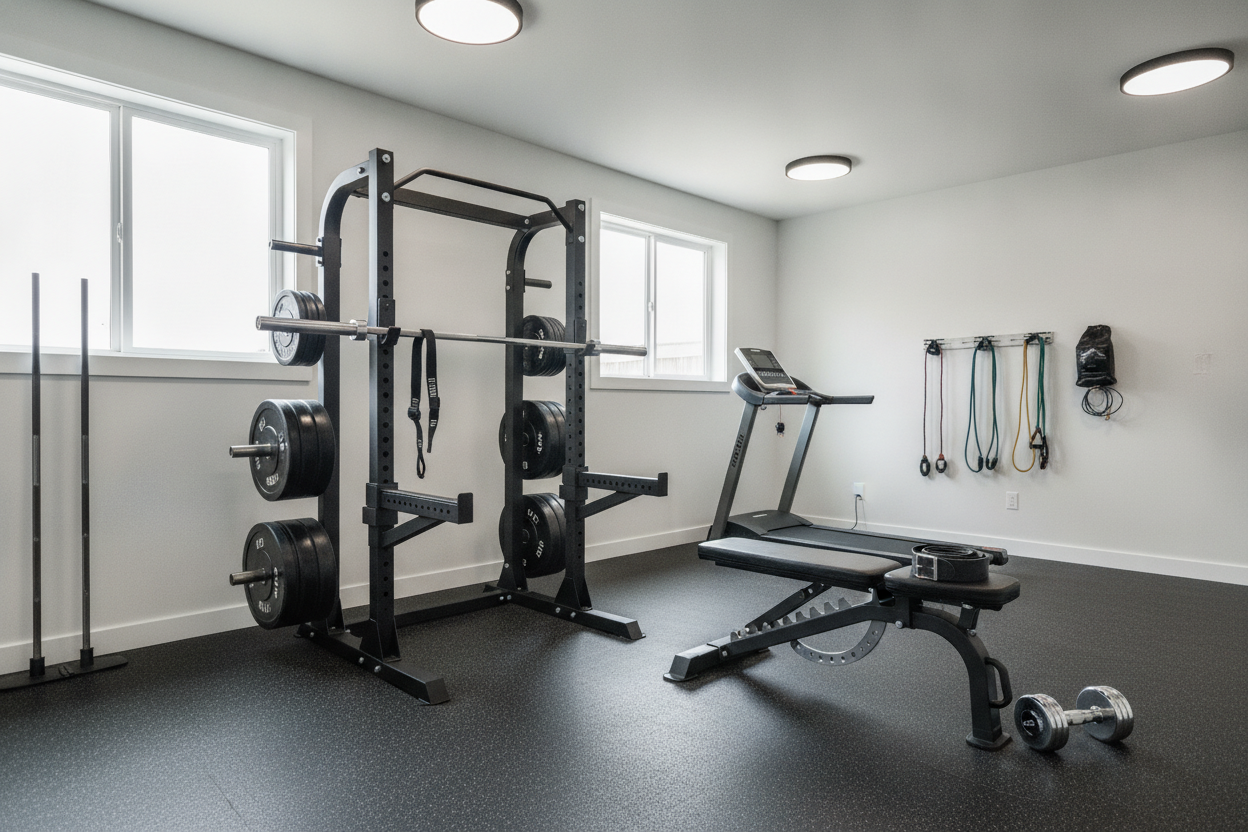
If you're building a home setup, your foundation is the most overlooked part of your workout gym accessories. I’ve seen guys drop three grand on a rack and then put it on a $10 foam puzzle mat that shreds the first time they do a burpee. You need high-density rubber that can take a hit. A 6X8Ft Exercise Mat Yoga Mat Gym Flooring For Home Workout is the standard for a reason. It’s thick enough to protect your concrete from a dropped 50-lb dumbbell and wide enough that you aren't constantly stepping off the edge during lunges or mobility work.
Gear You Can Absolutely Leave on the Shelf
I’ve wasted plenty of money on sports fitness accessories that promised a 'shortcut' to gains. Elevation masks are at the top of the list—they don't simulate altitude; they just make it harder to breathe, which ruins your work capacity. Cheap plastic ab rollers usually have bearings that seize up after a month. And don't get me started on those 'sauna suits.' If you want to lose weight, eat better; don't try to sweat it out in a trash bag. These are the best workout accessories for men to avoid if they value their bank account.
How to Build Your Own Essentials Kit
Don't buy everything at once. Start with a belt and some chalk. Those two items alone will change your training more than any other accessories for gym use. As you get stronger, add the sleeves and the wraps. If you're building out a space at home, check out this guide on Essential Equipment And Accessories For Your Ultimate Home Gym to make sure you aren't buying junk. Buy once, cry once, and spend your time lifting rather than shopping for mens gym accessories online.
My Personal Experience: The Lever Belt Lesson
Years ago, I bought a cheap nylon belt because it was 'comfortable.' During a heavy set of triples at 405, the velcro literally popped open at the bottom of the rep. It was a terrifying moment that taught me why men's gym accessories need to be over-engineered. I switched to a 13mm leather lever belt the next day. It was bruised my ribs for a month, but I've never had it fail on me in eight years of abuse.
FAQ
Do I really need a lifting belt for every exercise?
No. Save the belt for your heavy compound movements like squats, deadlifts, and presses. Using it for curls or lat pulldowns is just a waste of leather.
Are liquid chalk and block chalk the same?
Performance-wise, yes. Liquid chalk is just block chalk mixed with alcohol. It’s cleaner for commercial gyms, but block chalk is usually cheaper if you’re in a garage.
How tight should my knee sleeves be?
They should be tight enough that you want to take them off immediately after your set is over. If you can wear them comfortably for an hour-long workout, they are too big.