What Are the Best Workouts for Building Strength at Home?
I remember staring at a $120 monthly gym membership bill while waiting fifteen minutes for a squat rack. It was the moment I decided to build a home gym. But once I had the rack, I fell into the trap of over-complicating my programming with spreadsheets that looked like NASA launch codes. Finding the best workouts for building strength shouldn't require a PhD in kinesiology or a six-day-a-week commitment that kills your social life.
- Focus on big compound movements like squats and presses.
- Prioritize progressive overload by adding weight or reps every week.
- Keep sessions under 60 minutes to manage your central nervous system fatigue.
- Invest in a solid barbell and rack before buying fancy machines.
Stop Letting Internet 'Experts' Complicate Your Lifting
Most online fitness gurus want to sell you a 12-week peak program designed for an elite powerlifter. They talk about RPE, velocity tracking, and 'Bulgarian Burst' methods because simple stuff doesn't sell ebooks. If you're training in a garage, you need efficiency, not a 30-page PDF. I've wasted months on high-frequency programs that left my elbows screaming and my motivation in the dirt.
You don't need a specialized 'glute day' or three different types of bicep curls to get strong. In my experience, the more moving parts a program has, the faster it falls apart when real life happens. A flat tire or a late meeting shouldn't wreck your entire training block. Real strength is built on the basics, repeated with boring consistency. If a program requires a calculator and a degree in physics just to find your starting weight, ditch it.
The Anatomy of Effective Strength Training
Getting strong is a biological adaptation to stress. To trigger that adaptation, you need effective strength training rooted in three things: mechanical tension, progressive overload, and recovery. Mechanical tension means moving heavy stuff through a full range of motion. Progressive overload means doing slightly more than you did last time. Recovery means staying out of the gym long enough for your muscles to actually grow.
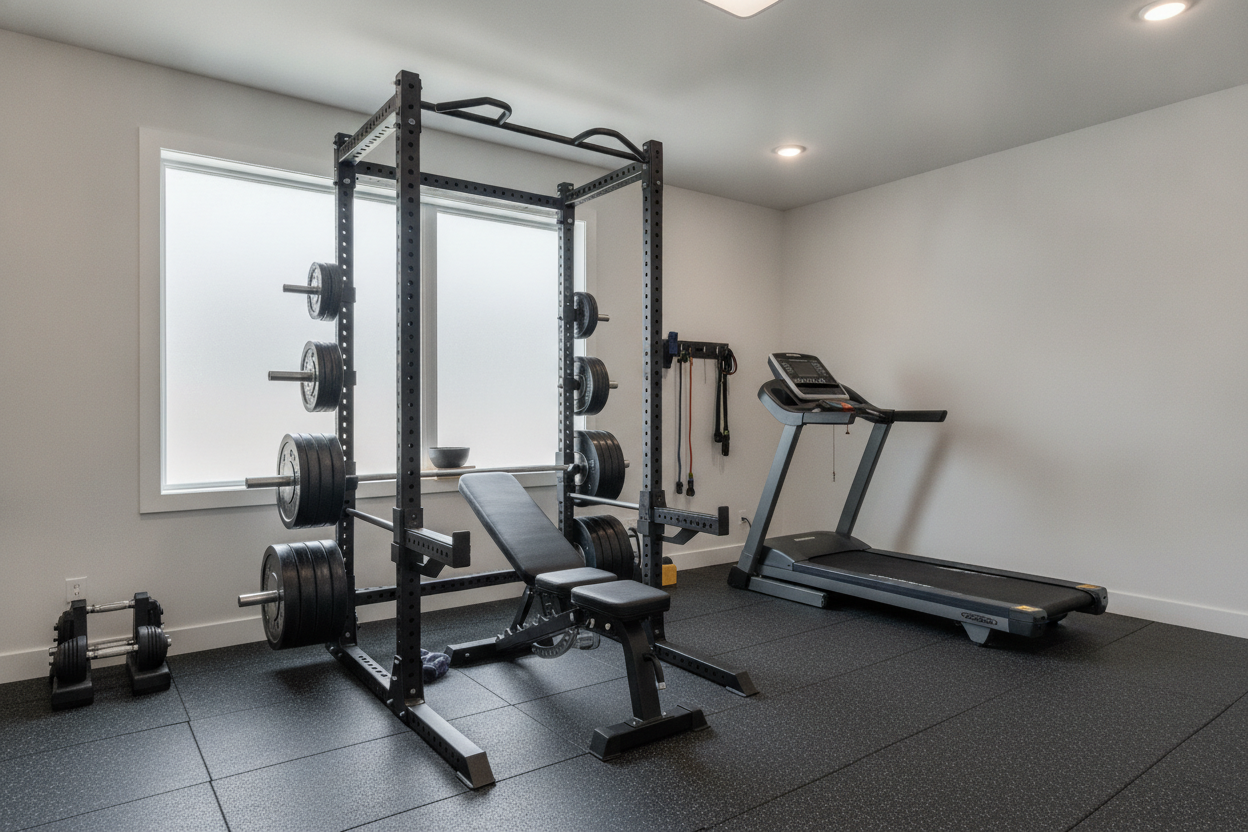
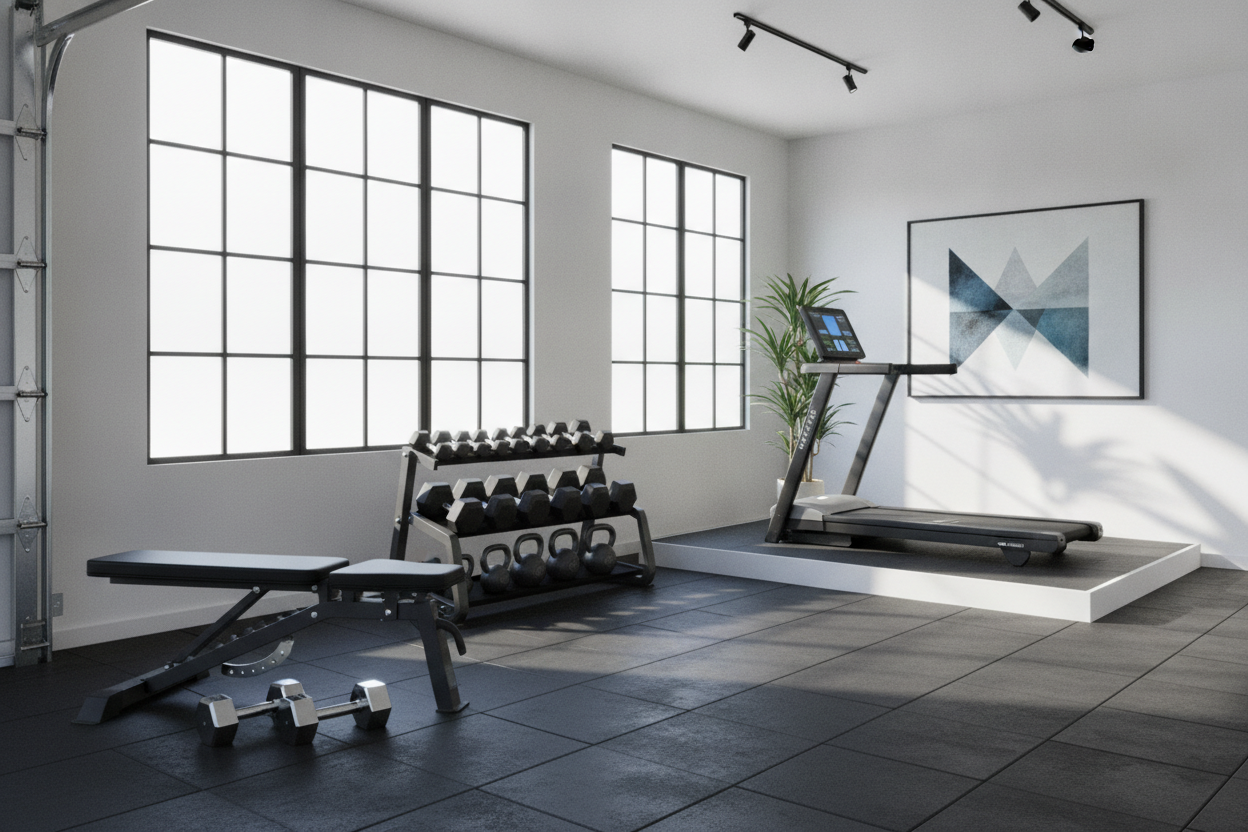
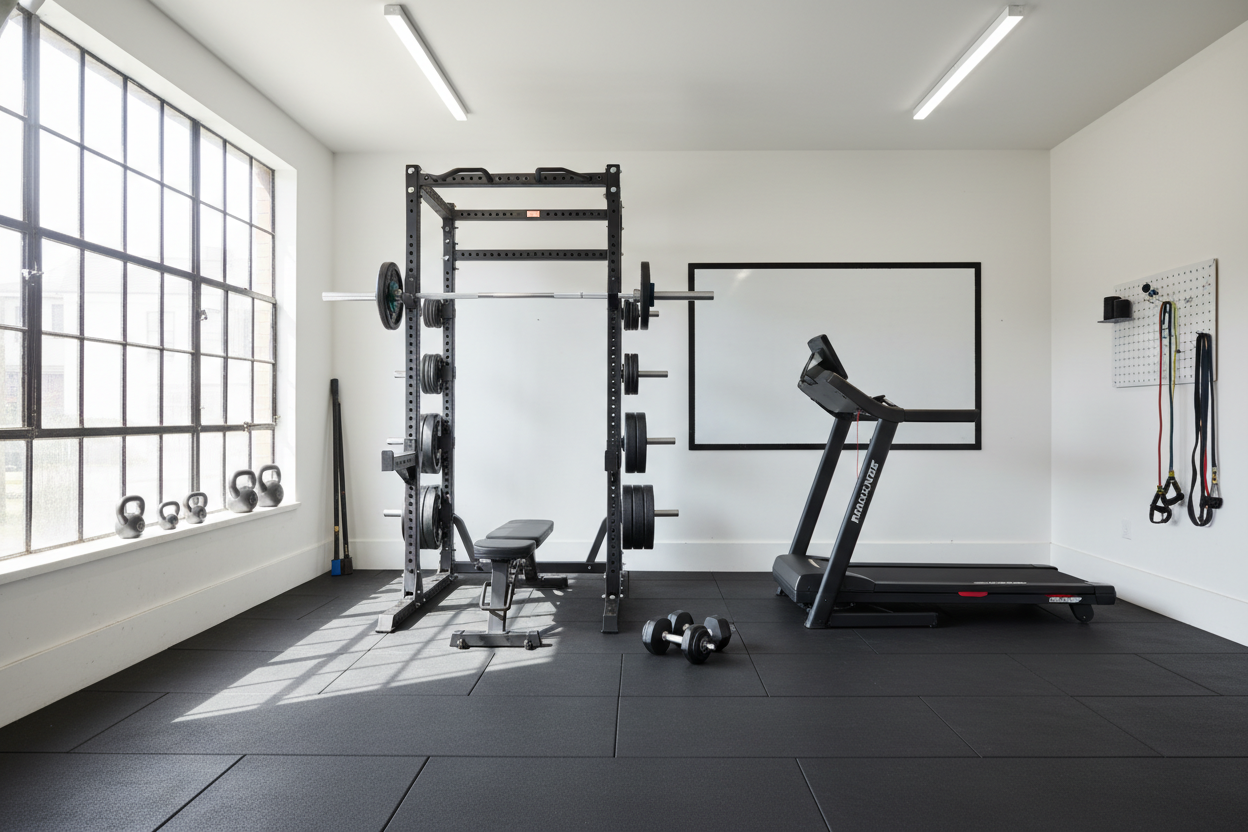
You don't need a 20,000-square-foot commercial facility to accomplish this. If you have the right home gym equipment for effective strength training, you can get stronger than 99% of the population in your slippers. I started with a basic rack and a used bar. The biological rules don't change because you're in a garage instead of a high-end club. Your body only knows the tension on the bar and the effort you put into moving it.
My Picks for the Best Workouts for Building Strength
After a decade of testing, I've narrowed it down to two program structures that actually work for people with jobs and families. These aren't flashy, but they deliver results you can feel when you're moving a couch or carrying all the groceries in one trip.
The Heavy-Light-Medium Method (For Banged-Up Lifters)
This is my personal favorite for anyone over 30 or those with old sports injuries. You lift three days a week. Monday is your 'Heavy' day where you push for new PRs. Wednesday is 'Light,' using about 75-80% of Monday's weight to practice form and stay mobile. Friday is 'Medium,' hitting about 90% of your heavy day. This undulating intensity saves your joints while still forcing your body to adapt. It prevents that 'hit by a truck' feeling that comes from maxing out every single session.
The Classic Upper/Lower Split
If you prefer training four days a week, this is the gold standard. You split your body into two halves. Monday and Thursday you hit chest, back, and shoulders. Tuesday and Friday you hit legs and core. This allows you to focus all your energy on a few big lifts per session. It’s the sweet spot for balancing raw strength with a little bit of muscle mass. I find this split easier to stick to because if you miss a Tuesday, you just push it to Wednesday without ruining the whole week.
Drafting the Top Strength Training Exercises for Your Rack
Forget the cable crossovers and the leg extension machine. You need movements that offer a high return on investment. The top strength training exercises are the Big Four: Squat, Bench Press, Overhead Press, and Deadlift. These movements recruit the most muscle fibers and trigger the biggest hormonal response. If you aren't doing at least three of these, you aren't training for strength; you're just exercising.
When you're buying strength equipment, make sure your rack has a high weight capacity. I've seen cheap racks wobble with just 225 lbs on the pins, which is a recipe for a hospital visit. Also, don't ignore your floor. I once cracked a concrete slab in my first rental because I thought a thin rug was enough protection for 400-lb deadlifts. Get some proper gym flooring for home workout sessions to save your foundation and your plates. Your house (and your landlord) will thank you.
How to Run the Most Efficient Strength Training Session
To run the most efficient strength training session, you have to stop scrolling on your phone. My best tip? Use antagonist supersets. While you're resting between sets of bench press, do a set of rows. You’re working opposing muscle groups, so one recovers while the other works. This can cut your workout time by 30% without sacrificing a single pound of intensity.
Keep your strength training accessories like your lifting belt, chalk, and wrist wraps organized in one spot. I used to waste five minutes every workout just looking for my second knee sleeve. Now, I keep a dedicated bin right next to the rack. Efficiency isn't just about the lifting; it's about the logistics of your space. If you can get in, hit your numbers, and get out in 45 minutes, you're much more likely to show up again on Thursday.
FAQ
Do I need to train every day to get strong?
No. In fact, training every day is a great way to stall your progress. Strength is built during recovery. Three to four days of hard lifting is plenty.
Can I build strength with just dumbbells?
You can get very far with dumbbells, but eventually, you'll hit a ceiling on lower body lifts. A barbell is the most efficient way to load the body heavily enough for true strength gains.
How long should I rest between sets?
For strength, 3 to 5 minutes is standard. You want your ATP stores to replenish so you can move the same weight with the same intensity on the next set.